Master Your Furnace, Maximize Your Savings

DIY Furnace Repair: How a Simple Fix Saved Me Hundreds on Heating System Costs
Homeownership often brings unexpected challenges, and while some home improvement projects offer a chance to beautify your space, others are purely about functionality and saving money. This is the story of a common household woe – a broken furnace – and how a bit of troubleshooting, guidance from friends, and a surprisingly simple solution helped me avoid a hefty repair bill, potentially saving $500 to $900 in parts and labor.
The saga began after a delightful December weekend getaway. Returning home, I immediately sensed something was amiss. It wasn’t an obvious malfunction, but that subtle, unsettling feeling every homeowner eventually learns to recognize: something was “off.” My home felt strangely quiet, lacking the familiar gentle hum of the furnace above. Initially, I dismissed it, attributing the silence to unusually warm December weather. However, as temperatures were predicted to drop significantly towards freezing by week’s end, the urgency of the situation became clear. A non-functional heating system was not just an inconvenience; it was an impending crisis.

Leveraging Your Network: The Power of Handy Friends and DIY Support
Over the years, being a homeowner has taught me the invaluable lesson of networking – not in a corporate sense, but by cultivating friendships with people who possess practical skills. These are the friends whose casual mentions of a handy dad or a new DIY hobby become mental notes for future emergencies. Everyone needs that “MacGyver” friend who can fix anything with a socket wrench. While these friendships are primarily for genuine connection, there’s an undeniable benefit to having a go-to person for advice on plumbing, electrical work, or, in my case, HVAC systems.
My strategy in a pinch is always to start by tapping into this network. After ensuring safety by turning off the main breaker to the furnace – a critical first step when dealing with any heating appliance – I quickly browsed a few YouTube videos for basic troubleshooting. Following a quick visual inspection in the attic, I reached out to a friend I suspected might have furnace knowledge. His guidance proved invaluable, walking me through initial diagnostic steps and requesting photos of specific furnace components, a modern twist on home repair that felt remarkably efficient.
Initiating the Diagnosis: Step-by-Step Furnace Troubleshooting
Step 1: Identifying the Ignition System – Pilot Light vs. Electronic
The first directive from my friend was to check the furnace label with a flashlight to determine its ignition type. Many older furnaces rely on a continuously burning pilot light, but modern units often feature electronic ignition. This shift is due to several advantages: electronic ignitions are more energy-efficient (only consuming fuel when heating is required), enhance safety by eliminating a constant open flame, and are generally more reliable, reducing the need for homeowners to frequently re-light a pilot in hard-to-reach attics.
My furnace, as the label confirmed, utilized an electronic ignition system, meaning no pilot light was present. This immediately ruled out one common cause of furnace failure and streamlined our diagnostic path.
Step 2: Locating the Emergency Shut-Off Switch
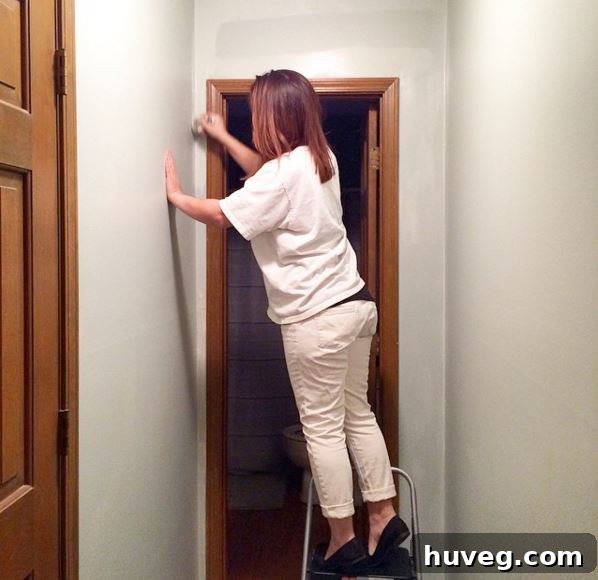
Next, I searched for the emergency shut-off switch, a crucial safety feature typically found near the furnace but not directly on the unit itself. In my case, it was cleverly concealed on one of the roof’s structural webs, directly behind where I would normally face the furnace. This “hiding in plain sight” placement meant I had to physically turn my back to the unit to spot it. Knowing its location is vital for future maintenance or emergencies.
Step 3: Accessing the Furnace Interior
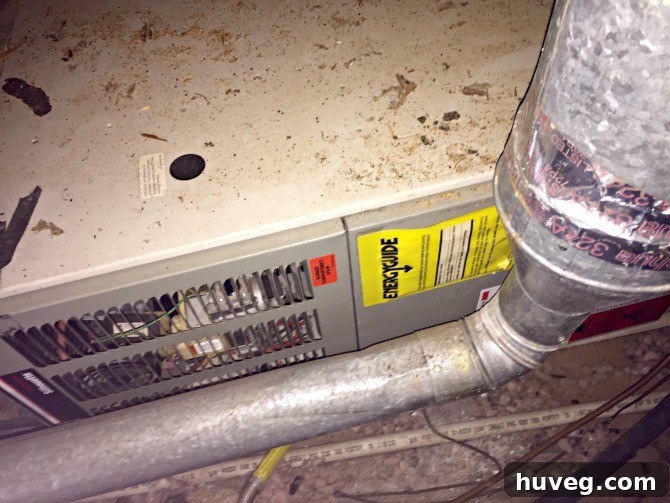
With the power confirmed off and the ignition type understood, the next step was to open the furnace’s front panel. This proved to be a bit more challenging than expected. Unlike many upright furnaces shown in online videos, mine was installed horizontally. A long pipe ran inconveniently alongside the top of the panel, making it difficult to slide open. Patience and careful maneuvering were required to finally gain access to the internal components.
Pinpointing the Problem: From Igniter Suspect to Blower Motor Investigation
Day 1: The Case of the “Cracked” Igniter
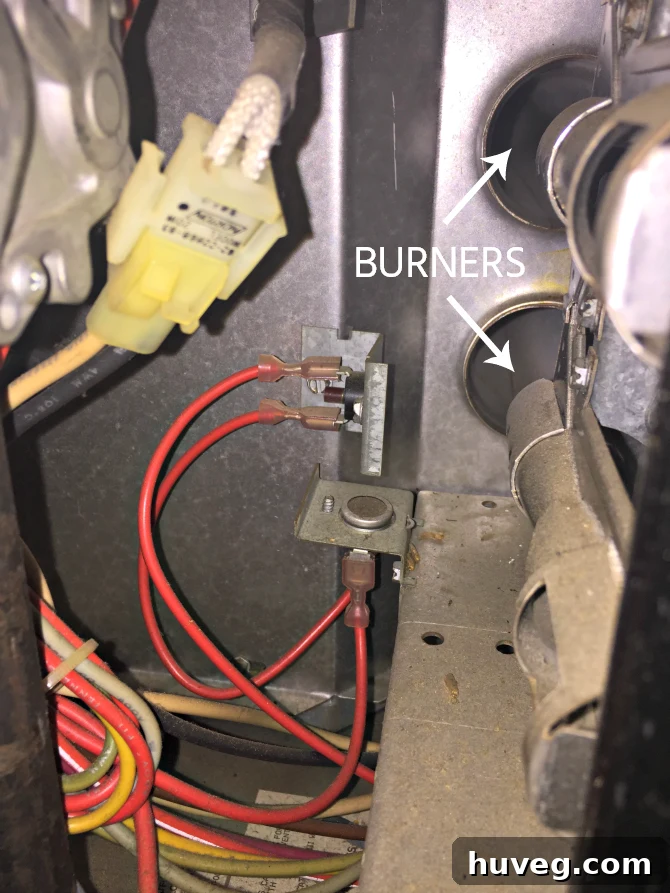
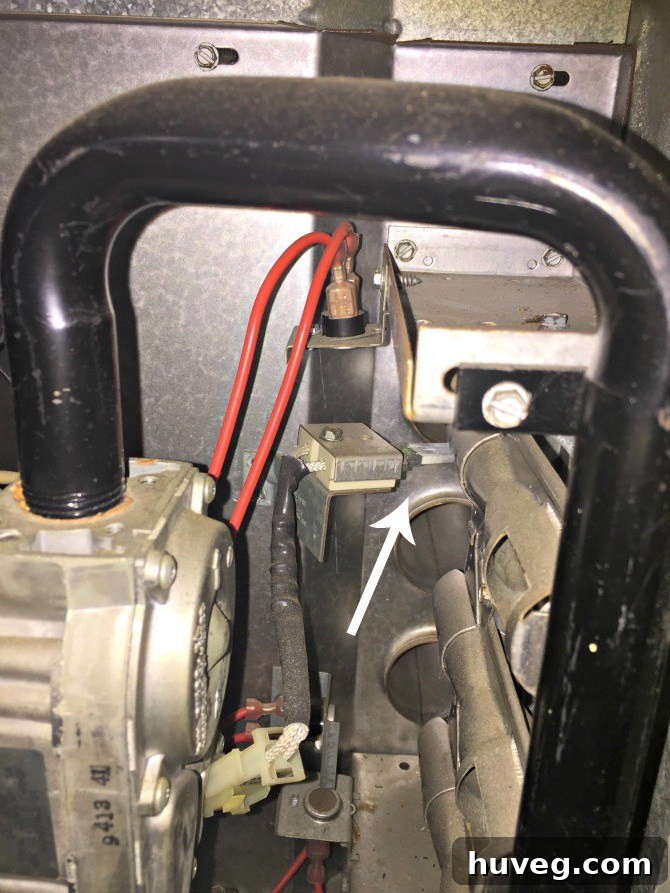
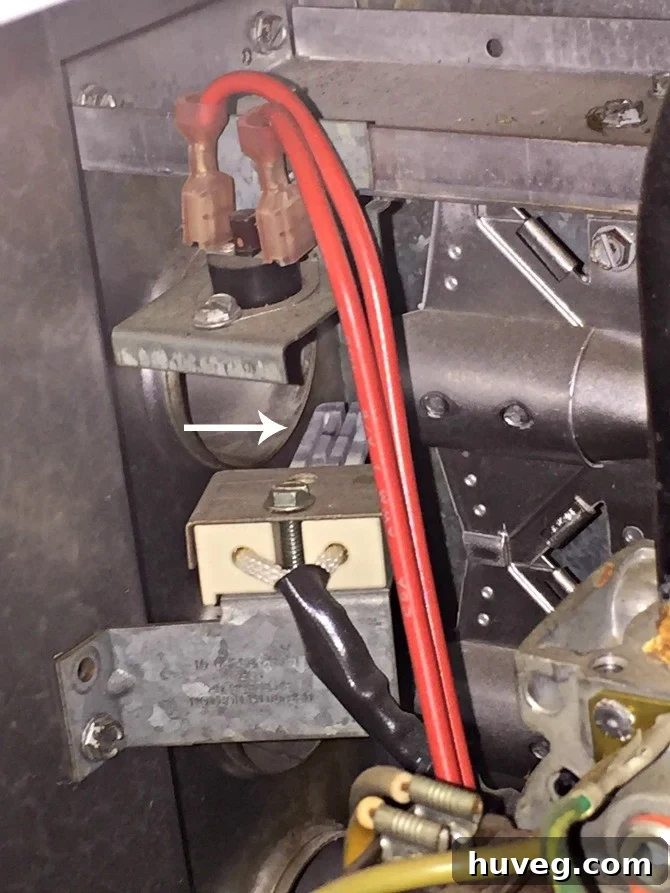
Once inside the furnace, my immediate focus was on the igniter and the burner area. The burners were completely off, as expected. Next to them was the igniter, a critical component in electronic ignition systems. My furnace used a “hot surface igniter,” essentially a ceramic coil that heats up to ignite the gas flowing to the burners. These coils are delicate and can crack over time, or even from improper handling or excessive dust. A crack in the igniter would prevent it from heating sufficiently, thus preventing the furnace from starting – often a built-in safety measure to prevent gas buildup.
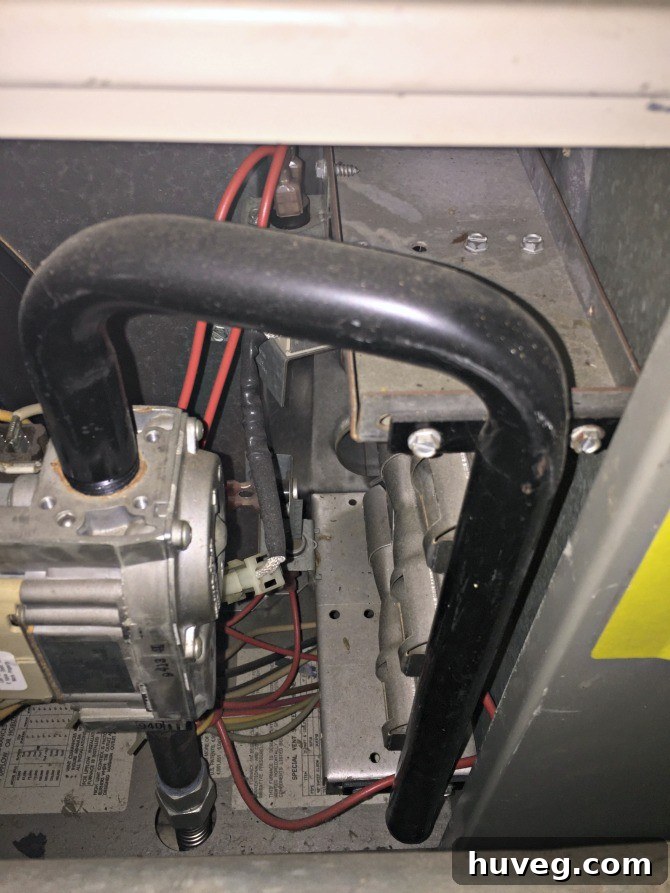
Upon inspection, a section of the igniter appeared discolored and potentially cracked from my vantage point. After sending photos to my friend, we both concluded this was the most likely culprit. A new igniter is a relatively inexpensive part, typically around $50, making it the most hopeful and cost-effective solution. I made plans for the following day, feeling a sense of triumph that the issue might be resolved so easily.
Day 2: The Realization – Igniter is Fine, Blower Motor is the New Suspect
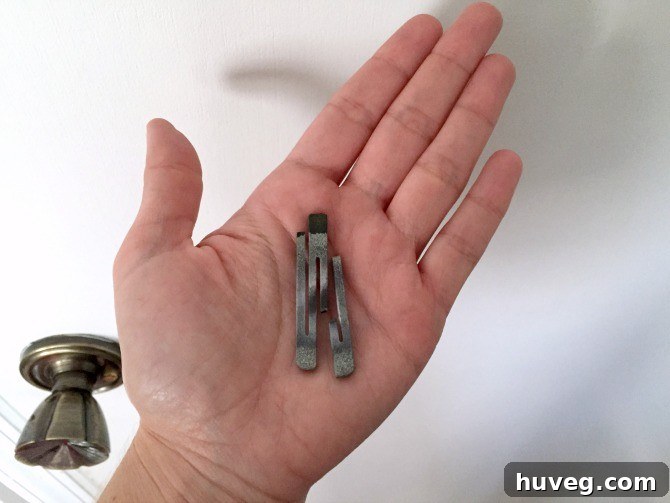
My initial optimism was short-lived. The next evening, my friend came over for a more thorough inspection. What I had perceived as a crack in the igniter was, in fact, just discoloration. The igniter was perfectly intact. Ironically, while searching, I did find an actually broken igniter simply lying on top of some insulation nearby – evidence of a previous, unrelated issue, perhaps. This meant the easy, cheap fix was off the table, and a more complex, potentially expensive problem was still lurking.
Our attention shifted to the blower motor, the next most probable candidate. Blower motor failures often precede with tell-tale noises like grinding or squealing due to rust or worn bearings. However, I hadn’t noticed any such warning signs. We attempted to activate the fan function via the thermostat, but the motor remained stubbornly unresponsive. Replacing a blower motor can be very costly; a used one might still run $250-$300, while a new unit plus professional installation could easily climb to $900. My hopes of a simple, cheap fix dwindled.
Day 3: The Unexpected, Inexpensive Victory – Lubrication!
Just when the situation seemed dire, my friend’s father, a seasoned handyman, offered one more suggestion before we committed to an expensive replacement: “Lube ‘er up.” To my surprise, many furnace blower motors require regular lubrication to function correctly, a detail I was completely unaware of. A few drops of the right kind of oil can often resolve issues stemming from friction and seizing. He arrived with machine oil (motor oil can also work, though specific weights are sometimes recommended), and with careful precision, applied it to the motor.
The moment of truth arrived. We reset the furnace, and to my utter relief, it whirred back to life! The quiet hum returned, signaling that the heating system was once again operational. The only cost incurred was for my friend’s time and expertise – a minuscule amount compared to the $500 to $900 I had braced myself to spend. It was an absolute sweet victory.
Lessons Learned: Empowerment and Future Preparedness
This furnace repair saga highlighted several key takeaways. Firstly, there are times when it’s wise to set aside stubbornness and ask for help, especially with complex systems like plumbing and HVAC. The willingness of my friends and their father to teach me basic repair skills was invaluable, equipping me with knowledge for future situations. Secondly, while this lubrication fix was highly effective and cost-saving, it’s often a temporary solution. Regular maintenance and, eventually, a full replacement of the blower motor will likely be necessary. This experience has prompted me to start setting aside funds for that inevitable (and pricier) repair.
Ultimately, learning to diagnose and fix a furnace, even with assistance, instilled a sense of empowerment. It’s a reminder that not every home repair requires a professional, and with a bit of effort and the right guidance, homeowners can save significant money and gain valuable skills. This unexpected journey from a silent, cold home to a warm, functioning one proved that even the most daunting issues can have surprisingly simple solutions.
What was your last home repair that turned out to be far simpler and cheaper than you initially feared?