The Corruption

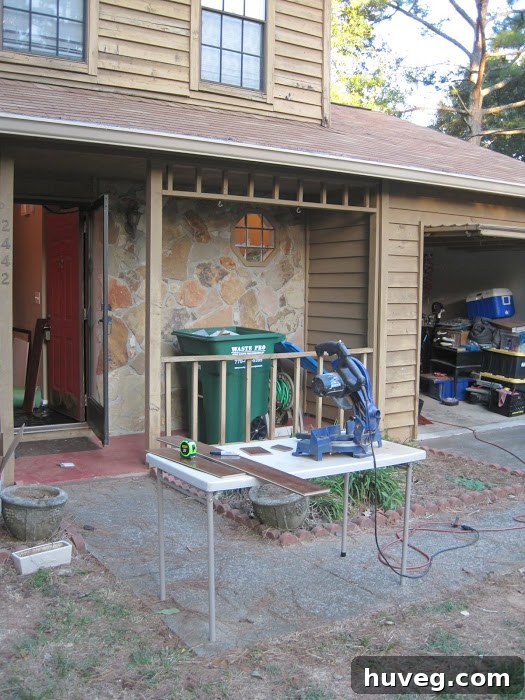
In the ongoing saga of our home renovation, where we’re chronicling the journey through the lens of the good, the bad, and the ugly, it’s time to pull back the curtain on the current state of affairs. Having previously delved into the more challenging “ugly” aspects of our kitchen’s past, we’re now firmly entrenched in the “bad.” This phase, while a necessary step towards transformation, often presents itself as a messy, chaotic interlude before the ultimate beauty emerges. Today, I want to give you an unfiltered look at what the exterior of our home currently resembles – a tell-tale sign that significant work is underway inside, specifically during our kitchen flooring installation. This isn’t the glossy, magazine-ready image of home improvement, but rather the raw, authentic reality of a house in transition. It’s a testament to the dedication required for a full-scale kitchen overhaul, where every internal change reverberates outwards, impacting our living space and even, dare I say, our curb appeal.
Embarking on a kitchen renovation is always an exciting prospect, filled with visions of sleek new finishes and improved functionality. However, the path to achieving that dream kitchen is rarely a straight line. It often involves navigating a landscape of dust, disruption, and temporary inconveniences. The “bad” phase, in particular, highlights these challenges, transforming our usually tidy home exterior into a functional, albeit untidy, construction zone. From the moment the old flooring is removed to the precise installation of the new, every step generates a certain degree of disorder. This isn’t just about the interior mess; it extends to the outside, where materials are stored, tools are used, and debris often finds a temporary home. Understanding and embracing this phase is crucial for any homeowner undertaking a substantial home improvement project. It’s a period of patience and perseverance, knowing that these temporary disturbances are merely precursors to the stunning results that await us.
Our current focus is on laying down brand new flooring in the kitchen – a critical element that will redefine the heart of our home. This isn’t just a cosmetic upgrade; it’s an investment in durability, aesthetics, and the overall value of our property. The choice of flooring material, its preparation, and its installation are meticulous processes that demand attention to detail and, often, a little bit of external chaos. As you scroll through the images below, you’ll witness firsthand the outward manifestations of this intensive internal work. It’s a visual diary of our progress, showcasing the less glamorous but equally essential stages of bringing our dream kitchen to life. So, prepare yourselves for a candid glimpse into the “bad” side of renovation – a phase that, despite its imperfections, signifies real, tangible progress towards something truly “good.”
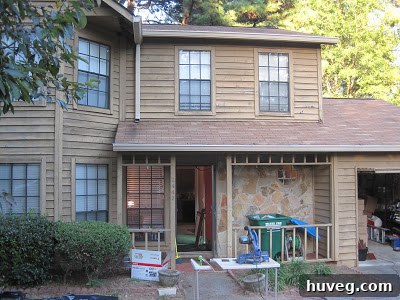
The sight of our home’s exterior, as captured in the image above, truly embodies the “bad” chapter of our kitchen flooring journey. What might appear at first glance to be a simple mess is, in fact, a carefully orchestrated, albeit slightly chaotic, staging area for our home improvement project. Every plank, every tool, and every piece of protective material has a purpose, even if its temporary placement detracts from the usual pristine look of our front yard. This visual serves as a potent reminder that major interior renovations, especially those involving substantial material movement and specialized tasks like kitchen flooring installation, rarely confine their impact solely to the indoors. The footprint of progress inevitably extends beyond the walls, turning our immediate surroundings into a temporary workspace.
Homeowners often underestimate the external disruption that accompanies an ambitious interior remodel. The need for clear pathways, convenient storage for incoming materials like new flooring, and efficient disposal routes for old debris means that the outdoor space transforms into an indispensable, albeit unglamorous, extension of the construction site. Our front yard, typically a space for relaxation and aesthetic enjoyment, has temporarily taken on a more utilitarian role. This phase is characterized by a constant ebb and flow of activity – deliveries arriving, tools being moved, and essential preparatory work being carried out in the open air. It’s a period that tests both patience and organizational skills, as we strive to maintain a semblance of order amidst the necessary disarray.
Yet, despite the temporary visual clutter, there’s an underlying sense of purpose to this scene. Each item strategically placed or temporarily stored outside represents a step closer to our goal: a beautiful, functional, and modern kitchen. The raw materials waiting their turn, the tools at the ready, and even the protective coverings all contribute to the narrative of transformation. This image isn’t just a picture of a messy exterior; it’s a snapshot of a home actively being improved, evolving from its past to a more refined future. It encapsulates the very essence of the “bad” – a temporary state of disarray that is absolutely essential for the “good” to eventually shine through. It’s a necessary sacrifice of immediate curb appeal for long-term interior satisfaction and increased home value.
|
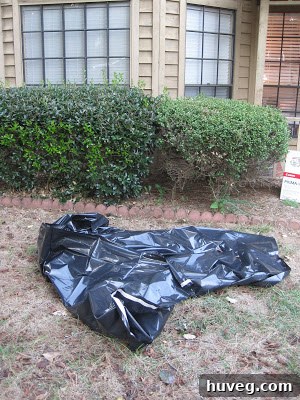
| NOT garbage bags… this is actually the moisture barrier that goes under the floor! |
One of the most crucial, yet often overlooked, components of a successful kitchen flooring installation is the subfloor preparation, and a significant part of that is laying down a proper moisture barrier. The image above, while perhaps appearing to show discarded refuse or “garbage bags” at first glance, actually captures the rolls of this essential material. It’s a common misconception, but these black sheets are far from waste; they are a vital safeguard for our new kitchen floor, ensuring its longevity and performance for years to come. Understanding the role of a moisture barrier is key to appreciating the hidden complexities of a high-quality flooring project.
A moisture barrier serves as a protective layer between the subfloor and the new flooring material. Its primary function is to prevent moisture from seeping up from the subfloor, which can be a common issue in many homes, especially those with concrete slabs or in areas with high humidity. Without this barrier, excess moisture can lead to a host of problems for the new flooring, including warping, buckling, mold growth, and a significant reduction in its lifespan. This is particularly critical for materials like laminate, engineered wood, or even certain types of luxury vinyl plank flooring, which are susceptible to moisture damage. For our kitchen, a high-traffic area prone to spills and humidity, the importance of this foundational layer cannot be overstated.
The installation of the moisture barrier is a meticulous process. It involves carefully unrolling the sheets, overlapping them correctly, and often sealing the seams to create an impermeable shield. This step, while not glamorous, forms the backbone of a durable and stable floor. It represents an investment in the structural integrity of the entire kitchen space, protecting not just the visual appeal of the new floor but also its underlying stability. Choosing the right type of moisture barrier, whether it’s a polyethylene film or an integrated underlayment, depends on the specific flooring material and the environmental conditions of the home. Our selection ensures optimal protection, guarding against potential issues that could otherwise compromise our beautiful new kitchen floor.
This stage of the renovation, seemingly mundane, is a perfect illustration of how the “bad” phase encompasses all the dirty, detailed, and non-photogenic work that happens behind the scenes. It’s about laying the groundwork, literally and figuratively, for the “good” to flourish. So, while these rolls might look like something to be discarded, they are, in fact, integral to the success of our kitchen transformation. They are silent guardians, ensuring that our investment in new flooring will stand the test of time, providing comfort and beauty for many years to come, without succumbing to the invisible threat of moisture.
|
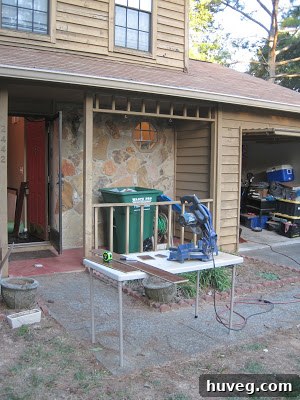
| With the garage inconveniently full of other existing projects, the best ventilation for cutting linoleum is directly in front of the house. Our neighbors love it. |
The reality of home renovation often dictates unconventional workspaces, and our current kitchen flooring installation is no exception. As depicted in the image, the process of cutting linoleum has temporarily relocated from a dedicated workshop space to the most accessible and well-ventilated spot available: directly in front of our house. This seemingly simple logistical choice underscores several common challenges faced during major home improvement projects – namely, space constraints, ventilation requirements, and the unavoidable impact on our immediate surroundings and, yes, our neighbors.
When working with materials like linoleum, vinyl plank flooring, or even certain types of laminate, precise cuts are essential for a professional finish. However, the cutting process itself can generate a significant amount of dust and, depending on the material, potentially release odors or fine particles into the air. Proper ventilation is not just a matter of comfort; it’s a crucial safety consideration, protecting both the homeowner (or installer) from inhaling airborne particles and ensuring the indoor air quality remains healthy. Our garage, typically the ideal spot for such tasks, is currently overflowing with other ongoing projects and stored kitchen items, leaving it unavailable for this critical stage of the flooring work. This forced relocation highlights the domino effect that one renovation project can have on other aspects of home life and available workspace.
Moving the cutting station outdoors addresses the ventilation issue perfectly. The open air provides an unrestricted flow, quickly dispersing any dust or fumes generated during the cutting process. While highly practical for safety and efficiency, it inevitably transforms the front of our house into a temporary light industrial zone. Power tools hum, materials are measured and cut, and the distinct scent of new flooring materials permeates the air. This, understandably, can be an interesting experience for our neighbors. We often joke about their “love” for our impromptu outdoor workshop, acknowledging with a knowing smile the temporary disruption it creates. It’s a delicate balance between getting the job done efficiently and maintaining good neighborly relations, often requiring a little humor and perhaps a heads-up about the expected duration of the noise and activity.
This aspect of the “bad” phase is a candid portrayal of the practical compromises and creative solutions often required in a real-world home renovation. It emphasizes that while the dream kitchen is the end goal, the journey to get there can involve a series of unexpected detours and temporary inconveniences that spill over into public view. But every precise cut made on these linoleum sheets brings us one step closer to a beautifully finished kitchen floor, validating the temporary outdoor workshop and the good-natured tolerance of our community. This temporary inconvenience is a necessary step in the meticulous process of installing durable and aesthetically pleasing flooring that will define our kitchen for years to come.
As we navigate the heart of the “bad” phase of our kitchen flooring installation, the collective image of our home’s exterior truly encapsulates the controlled chaos that reigns. While the photos themselves might not be the most flattering representations of our curb appeal, they are certainly not as horrifying as some of the “ugly” scenes we encountered during the initial demolition – specifically, the stubborn linoleum stains on the old kitchen floor that stubbornly resisted removal. Those were battles of a different kind, testament to decades of wear and tear. Now, the battle has moved outwards, a visual inventory of the realities of a deep-dive home improvement project.
The garage, for instance, is not just “packed full”; it’s a meticulously organized (or perhaps, strategically disorganized) repository of previous projects, tools, and the entire displaced contents of our kitchen. Every pot, pan, and plate found a temporary home there, turning our usual storage space into a labyrinth of domestic essentials mixed with power tools and building supplies. It’s a delicate dance to retrieve a wrench without knocking over a stack of dinner plates. This overflow is a direct consequence of the interior work, demonstrating how a single room renovation can have a ripple effect throughout the entire house and its ancillary spaces.
And the front garden? Well, it’s anything but a manicured garden at the moment. What was once a source of pride and carefully tended flora has temporarily transformed into a utility area, often serving as a temporary drop-off point for materials or a path for carrying equipment. The delicate flowers and shrubs have taken a backseat to the demands of construction, patiently awaiting their return to glory once the main project concludes. Similarly, the lush green expanse of our yard has been partially overrun by brown patches, the inevitable result of heavy foot traffic, parked vehicles, and perhaps a slight neglect of regular watering amidst the renovation frenzy. It’s a temporary cosmetic setback for the greater good of interior transformation.
Then there’s the omnipresent sawdust. It is, quite literally, everywhere. Despite our best efforts to contain it with tarps and vacuums, the fine particles seem to defy gravity and barriers, settling on every surface, clinging to clothes, and finding their way into the most unexpected nooks and crannies. It’s a constant reminder of the cutting, sanding, and shaping involved in preparing new flooring and trim. Each sweep and wipe is a battle against an invisible enemy, but it’s a battle we gladly fight, knowing that each speck of dust represents progress towards our beautiful new kitchen. These aren’t just minor inconveniences; they are the badges of honor for homeowners committed to elevating their living space, enduring the temporary disarray for the promise of lasting beauty and enhanced functionality.
This comprehensive look at the “bad” phase serves as a transparent account of the journey, emphasizing that significant home upgrades involve more than just picking out pretty finishes. They require grit, patience, and a tolerance for temporary disorder. But through it all, there’s a clear vision.
But, you know what all this meticulous effort, the temporary mess, and the constant battle against sawdust truly means… the good is coming tomorrow! This extensive period of preparation, the strategic placement of materials, the careful cutting, and the temporary external disarray are all culminating towards a spectacular reveal. We’ve meticulously documented the “ugly” past of our kitchen and candidly shared the “bad” realities of the renovation process. Now, the stage is set for the grand unveiling of the “good” – the beautiful, pristine, and functional new kitchen floor that will serve as the foundation for countless future memories.
The anticipation is palpable, not just for us, but hopefully for you, our dedicated readers, who have followed along through every dusty corner and every challenging decision. The transformation from worn-out and unsightly to fresh and inviting is nearly complete, and the payoff for all the hard work, the planning, and the temporary inconveniences is just around the corner. We are incredibly excited to share the culmination of our efforts, showcasing how a vision, combined with perseverance, can turn a tired space into a vibrant heart of the home. This isn’t just about a new floor; it’s about a renewed sense of pride, enhanced aesthetics, and significantly improved functionality that will elevate our daily living experience.
So, be sure to check back in very soon! You won’t be disappointed when you witness the dramatic difference and the stunning results of our kitchen flooring installation. Prepare to see the “good” in all its glory – a testament to the fact that even the messiest “bad” phases are essential stepping stones to achieving a truly remarkable home transformation. We promise, the wait will be worth it!