Weed-Proof Your Garden with Newspaper and Mulch

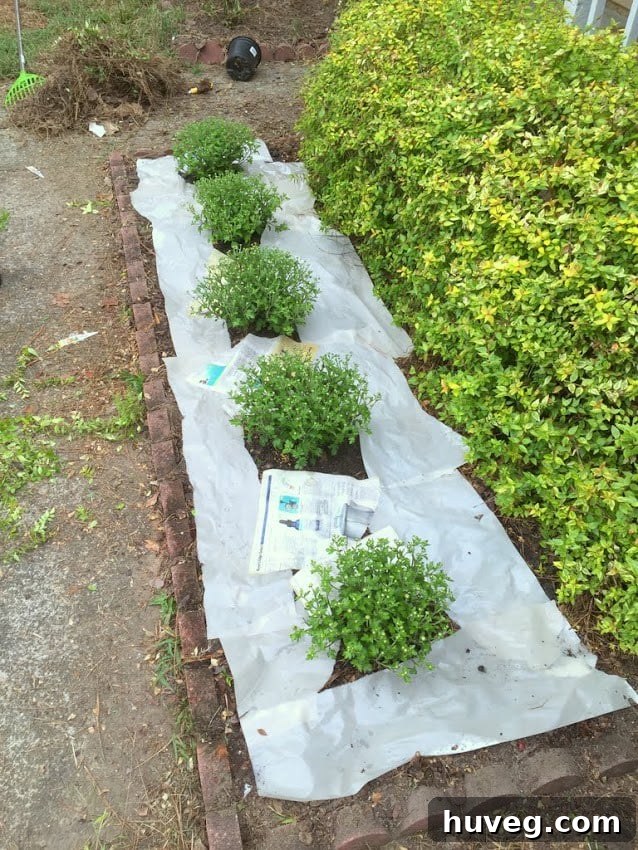
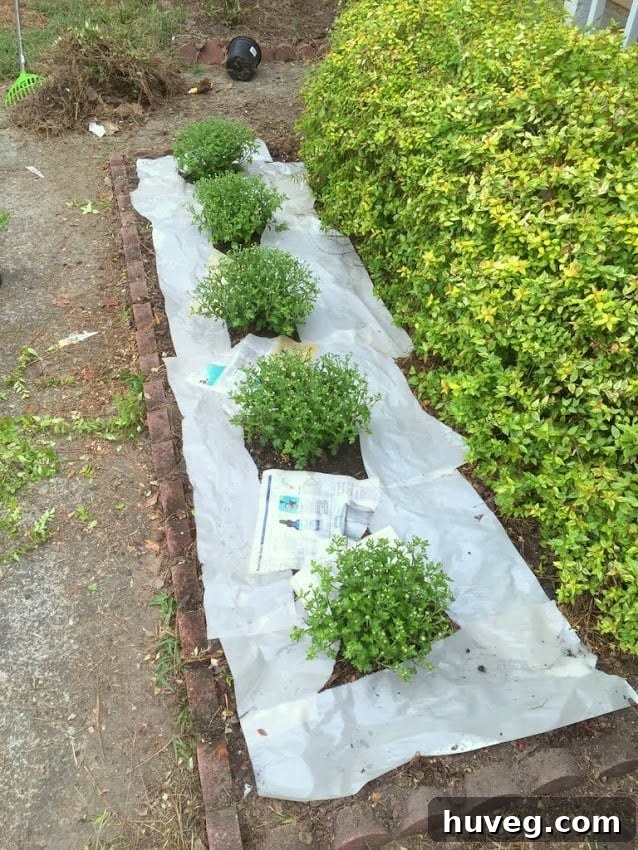
Every gardener dreams of a vibrant, flourishing landscape, but the reality often involves a relentless battle against stubborn weeds. They steal nutrients, mar aesthetics, and demand precious time that could be spent enjoying your garden. What if there was a simple, incredibly effective, and even free solution to this common frustration? Today, we’re diving deep into an unconventional yet highly successful method for superior weed control: using newspaper as an underlying barrier in your flower beds. This isn’t just a theoretical tip; I’m sharing a testament to its remarkable efficacy, even after an entire season of complete neglect.
Last year marked the beginning of a significant transformation in my garden areas, particularly along the side of the house. While some parts have seen recent updates, a foundational change I implemented in each new bed was the strategic addition of a layer or two of newspaper beneath the mulch. This simple technique has proven to be a game-changer, dramatically reducing the amount of time and effort required for weed management. Whether I was working with annuals, like those adorning the mailbox garden or the beds directly in front of the house, or establishing perennial havens, such as the expansive bed beside the garage where I’m striving for a low-maintenance floral display, the newspaper method has consistently delivered outstanding results.
The process itself is straightforward and integrates seamlessly into regular planting routines. Typically, I start by clearing existing weeds and pulling back any old mulch. With a clean slate, I then plan the placement of my flowers and dig the necessary holes. Before adding new mulch, I meticulously lay down full sheets or small strips of newspaper, ensuring there’s enough overlap to create a continuous barrier. A crucial tip I’ve learned is to wet the newspaper thoroughly before applying the mulch. This simple step prevents the sheets from blowing away during planting and helps them settle firmly into place, creating an immediate, effective weed-blocking layer. As long as the newspaper is layered sufficiently to cover all soil surfaces, leaving only the immediate area around the newly planted roots exposed, the difference in weed manageability compared to using mulch alone is truly astounding. While landscaping fabric is another option some gardeners consider, the unparalleled advantage of newspaper for me is its accessibility and cost-effectiveness. A local newspaper arrives on my driveway free of charge every week, making it an ideal, sustainable repurposing choice. I also frequently utilize recycled paper linings from packaging, another free and eco-friendly resource.
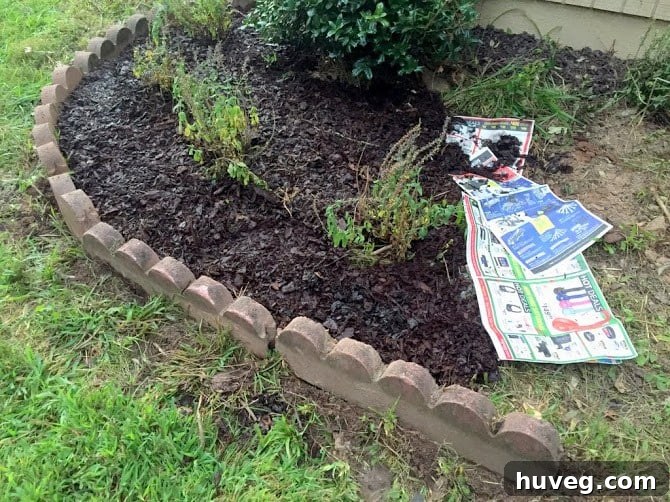
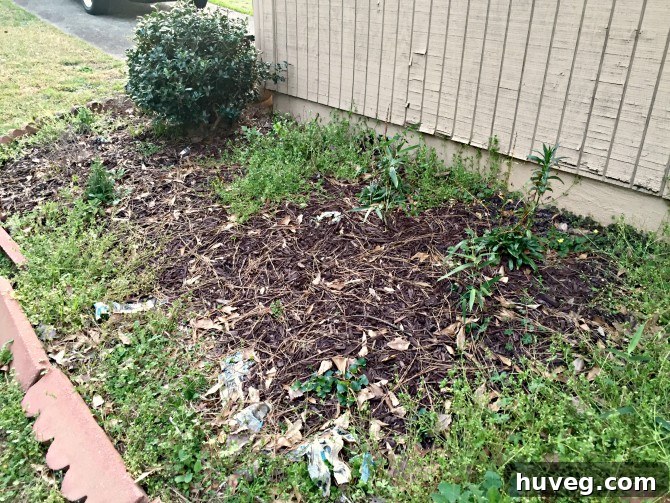
I readily admit, I am probably one of the least active gardeners you’ll encounter. My gardening efforts often start with great enthusiasm but can quickly become sidetracked by other projects or the simple demands of daily life. For instance, my work on the garden bed beside the garage, intended to be a perennial sanctuary, was only half-finished before winter descended. Distractions intervened, and I simply put off completing it until spring. It feels a bit embarrassing to reveal the “before” state of this area, as it truly looked like a neglected mess. However, this blog has always been about sharing the authentic, sometimes “uglier,” side of home improvement and gardening, so why hold back? Just before I finally tackled the weeds yesterday, I snapped a few pictures to vividly illustrate the dramatic difference this newspaper-mulch combo made. Bear in mind, this particular section of the house received absolutely zero effort or attention since last fall. Below, you can see how half of the bed appeared after enduring an entire winter exposed to the elements, yet still protected by the newspaper layer.
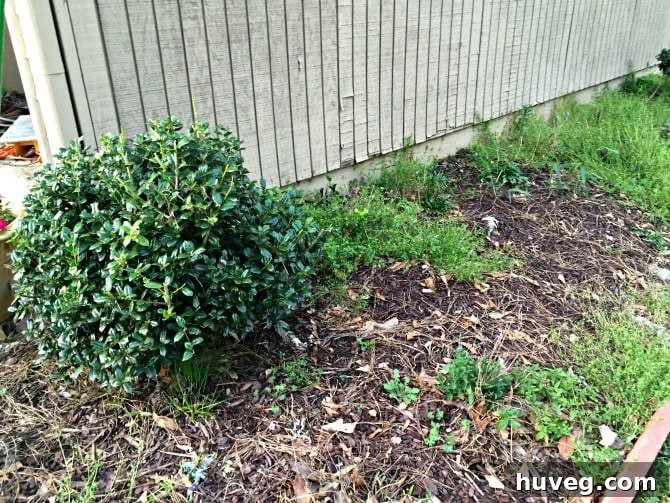
And now, for the stark contrast, here’s what the other half of the bed, left without the protective newspaper layer, looked like. The visual speaks volumes – the weeds are completely out of control, a dense jungle that will undoubtedly require a wheelbarrow (or two) to clear. This comparison truly highlights the incredible power of a simple newspaper barrier in maintaining a manageable garden, even under the harshest conditions of neglect.
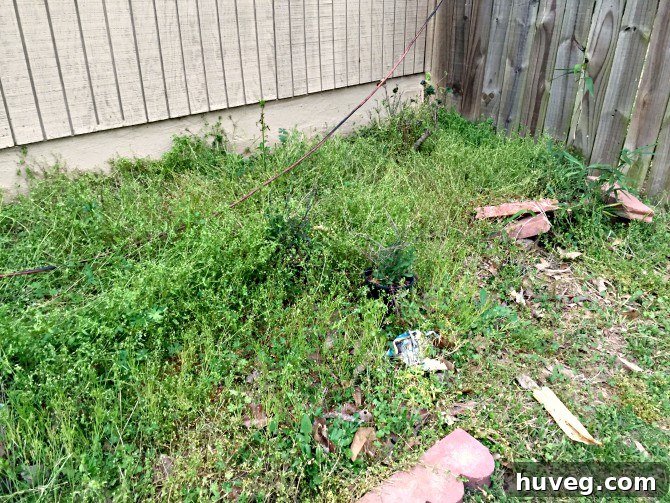
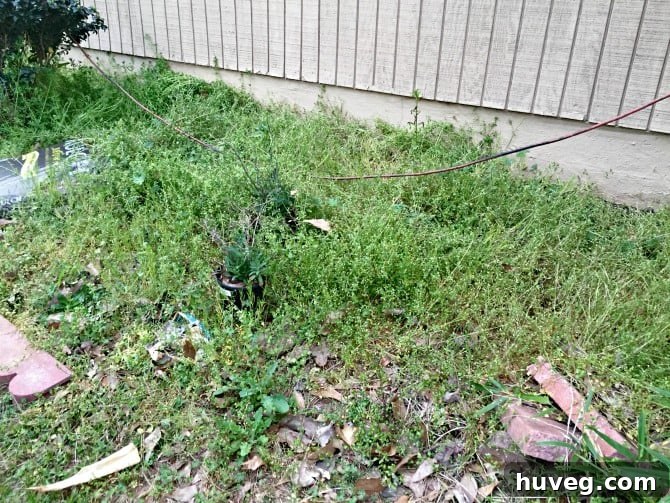
Thankfully, this particular explosion of weeds isn’t visible from the street, so I can tackle the cleanup in the coming days without too much embarrassment among my neighbors for my temporary lapse in garden care. It’s a relief to know that even with my inconsistent efforts, the sections where I applied the newspaper strategy remained largely pristine.
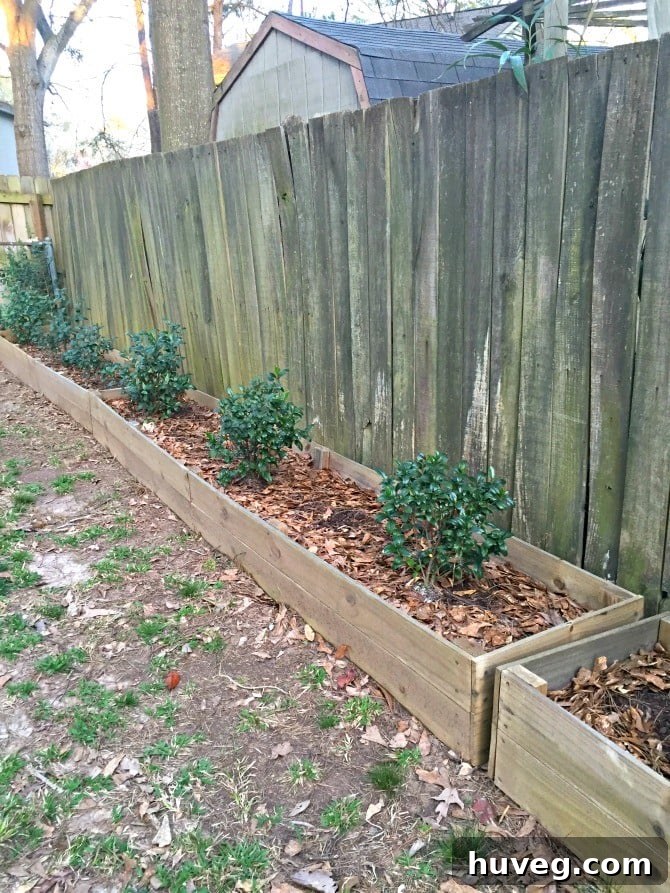
Beyond the side garden, the new garden beds along the backyard fence are also in remarkably good shape, thanks to a similar proactive approach. Before planting them, I incorporated a method often referred to as “lasagna layering.” This involves building up layers of organic materials, including cardboard, compost, and other soil amendments, which not only enrich the soil but also provide a robust, long-term weed barrier. Other than a quick application of fertilizer, these beds haven’t been touched all winter, yet they are absolutely thriving! Soon, fresh mulch will be added, and I’m eagerly anticipating their bloom, envisioning half the yard filled with the intoxicating scent of gardenias, and countless bouquets gracing my kitchen counter.
So, if you’ve ever found yourself wondering whether this “extra step” of adding newspaper to your garden beds is genuinely worth the effort, I can unequivocally state that I am a full convert. The benefits extend far beyond simple weed suppression. Newspaper layers gradually break down, enriching your soil with organic matter, improving its structure, and enhancing moisture retention. This creates a healthier environment for your plants to thrive, requiring less frequent watering and feeding. Furthermore, using newspaper is an incredibly eco-conscious choice. It repurposes waste, reduces the need for chemical herbicides, and avoids the environmental impact of manufacturing and disposing of synthetic landscape fabrics. For busy homeowners, the reduction in maintenance time is perhaps the most appealing benefit. Imagine reclaiming hours previously spent pulling weeds, freeing you to simply enjoy the beauty of your garden. This single, simple addition of newspaper is poised to make a colossal difference in the amount of time and physical labor I will need to invest in cleaning everything up and preparing my gardens for the splendor of spring.
For those looking to adopt this method, consider these practical tips. Opt for standard black and white newsprint, avoiding glossy sections, colored advertisements, or heavily dyed pages, as these might contain inks that are less desirable for garden use. Overlap the newspaper sheets by at least 4-6 inches to prevent gaps where weeds could emerge. For persistent perennial weeds, a thicker layer (up to 8-10 sheets) can be particularly effective. Remember to thoroughly wet the newspaper after laying it down; this not only helps it stay in place but also kick-starts the decomposition process. Finally, apply a generous layer of mulch (2-4 inches) on top of the newspaper to hold it down, provide insulation, and complete the aesthetic. This combined approach creates an incredibly robust, long-lasting weed barrier that nourishes your soil and liberates you from endless weeding chores.
Stay tuned for more updates on our interior progress here at the house. In the meantime, Happy St. Patrick’s Day to all! Cheers to those of you enjoying a green beer or two – I’ll certainly be joining in the festivities. And just a friendly reminder, today is the final day to enter the storm door giveaway. If you haven’t yet, you can enter right here. Don’t miss out on that fantastic opportunity!