The LED Revolution for Your Garage

Get ready to brighten your perspective because we’re diving deep into the world of task lighting and LED bulbs – a topic far more exciting and impactful than it might initially sound!
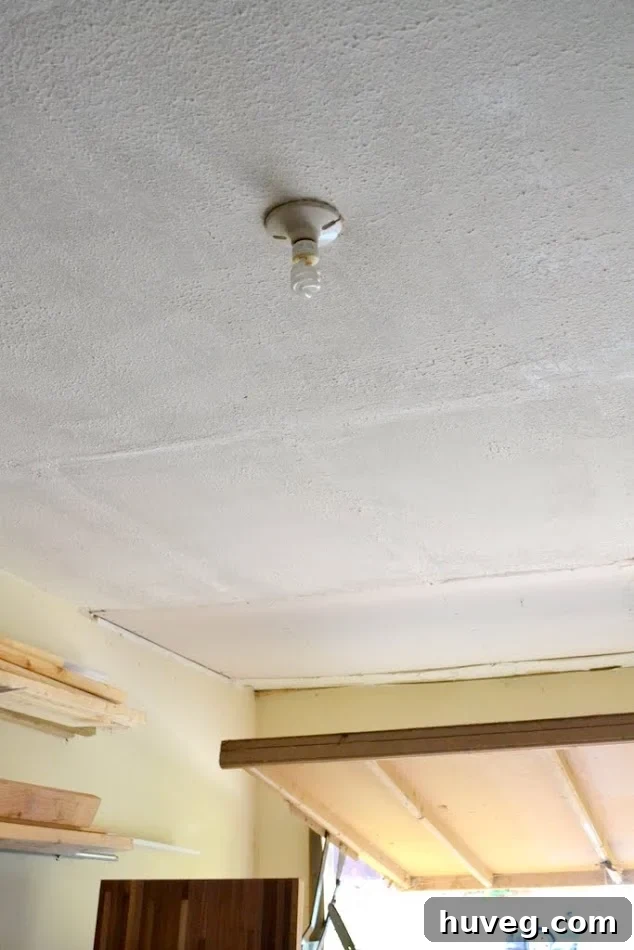
I know, the words “task lighting” and “LED bulbs” might not immediately conjure images of thrilling home improvement. And honestly, that’s precisely why this particular item lingered on my to-do list for months, ever since I embarked on the ambitious journey of transforming my one-car garage into a functional workshop. Installing light fixtures overhead, with arms aching and that one crucial tool always just out of reach, felt like a monumental chore. Yet, the persistent issue of bruised shins and squinting eyes in the dimness was a clear sign that merely adding a pegboard wall and elevating my scrap wood pile wasn’t enough. My workspace desperately needed a substantial boost in illumination, far beyond the inadequate glow of a single, ancient bulb.
I was well aware of this glaring deficiency and had every intention of addressing it eventually. However, some tasks require a specific catalyst, an external nudge, to finally get them off the ground. A minor bump or bruise is easily forgotten, until, of course, it happens again. For me, that ultimate push came in the form of a burnt-out bulb and a timely interaction with Ace Hardware.
The Frustration of the Dark Garage and the Dawn of a New Solution
The scenario is universally relatable: you step into your garage after dark, flip the switch with anticipation, and are met with utter darkness. The bulb, once again, has given up. Instead of a well-lit space, you’re enveloped in the cold, pitch-black gloom of a cobweb-laden garage, fumbling your way towards the kitchen door. In my case, the light switch is oddly positioned several feet past the kitchen entrance, meaning I have to navigate a short, spooky stretch in the dark if I close the door behind me to keep my dog, Charlie, out. If your home is bustling with activity, you don’t live alone, and your friends aren’t prone to sending you terrifying videos (knowing full well how much they unsettle you), this might be a minor inconvenience. But for me, an imaginative individual with mischievous friends, it was a recurring source of mild dread.
Fortuitously, the good people at Ace Hardware reached out, inviting me to a conversation with their esteemed Home Expert, Lou Manfredini. The topic? The compelling advantages of LED bulbs. They were running an initiative to encourage homeowners to transition from traditional incandescent and compact fluorescent lighting (CFLs). My initial instinct was to decline; after all, many of my existing bulbs were CFLs, which I believed were already energy-efficient. Yet, a persistent thought nagged at me: I harbored a quiet disdain for CFLs. And the culprit in my perpetually dark garage, the recently deceased bulb? A CFL.
So, when Ace kindly reiterated the offer, highlighting the significantly longer lifespan of LEDs, I agreed. The prospect of no longer fumbling blindly in my garage was a powerful motivator. My conversation with Lou proved to be incredibly enlightening; he was not only supremely knowledgeable but also a delight to talk to. I gleaned several valuable insights, which I’m now eager to share with you.
The Essential Benefits of Upgrading to LED Lighting
1. Deciphering Light Bulb Basics: Wattage, Lumens, and Color Temperature (Kelvin)
While it might sound redundant, understanding the true metrics of light is crucial. For years, we’ve associated a bulb’s brightness with its wattage. However, wattage actually measures the amount of electrical power a bulb consumes, not the light it produces. The true measurement of brightness, or light output, is expressed in lumens. As we move further away from traditional incandescent bulbs, lumens are becoming the standard unit to consider. For instance, an LED bulb that consumes only 13 watts can produce the same number of lumens as an old 60-watt incandescent bulb, signifying a massive leap in energy efficiency.
Another critical term to familiarize yourself with is Kelvin (K), which measures the color temperature of light. Early LEDs were often criticized for emitting a cold, almost sterile blueish light, starkly different from the warm glow we were accustomed to. Thankfully, LED technology has advanced dramatically. Today, you can choose from a spectrum of colors: “warm white” (around 2700K-3000K) mimicking traditional incandescent warmth, “soft white” (3000K-3500K) offering a slightly brighter, neutral feel, and “daylight” (5000K-6500K) which provides a crisp, invigorating light ideal for task-oriented areas like kitchens, bathrooms, or, indeed, a garage workshop. Understanding Kelvin allows you to select the perfect ambiance for every room in your home.
Beyond lumens and Kelvin, for professional-grade lighting, especially in a workshop, you might also encounter the term CRI (Color Rendering Index). CRI measures how accurately a light source reveals the true colors of objects compared to natural light. A higher CRI (closer to 100) means colors will appear more vibrant and accurate, which is essential for detailed work like painting, crafting, or identifying specific components.
2. Unrivaled Longevity: Light Years Ahead
Perhaps one of the most compelling reasons to switch to LEDs is their astounding lifespan. Consider the average: traditional incandescent bulbs last about 1,000 hours, CFLs clock in around 10,000 hours, but LEDs boast an impressive 25,000 hours or more. This translates to a “lazy-girl-win” (or “lazy-guy-win”!) in every sense of the phrase. For me, it means I’ll likely move out of this house before ever needing to climb a ladder to change a bulb again. This makes LEDs an exceptional choice for hard-to-reach fixtures, vaulted ceilings, and outdoor lighting, where regular bulb replacements are not just annoying, but often hazardous and costly in terms of time and effort. Beyond convenience, this extended lifespan also contributes to environmental sustainability by significantly reducing waste from discarded bulbs.
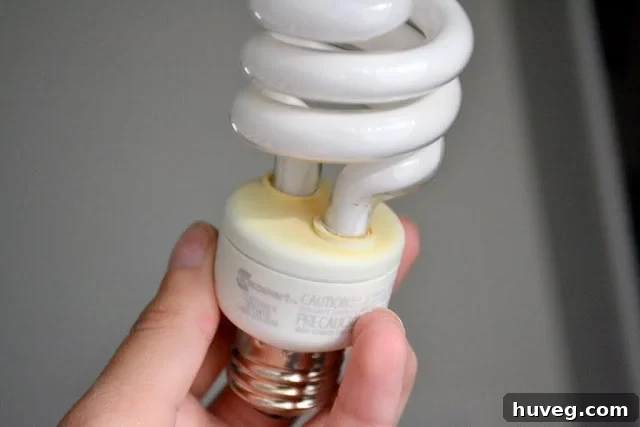
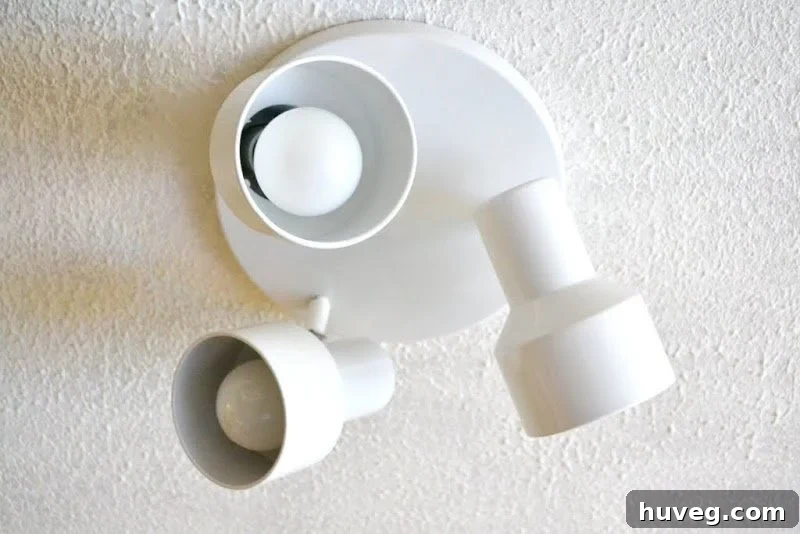
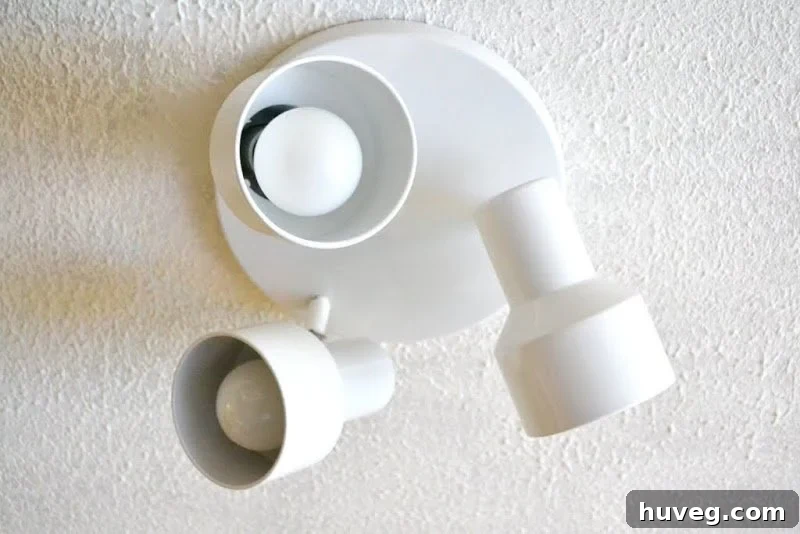
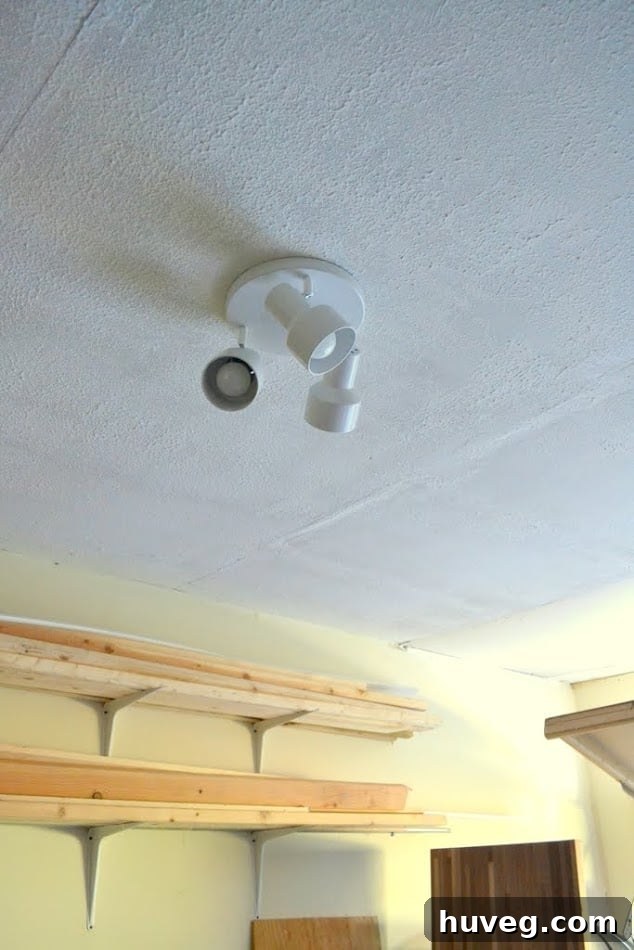
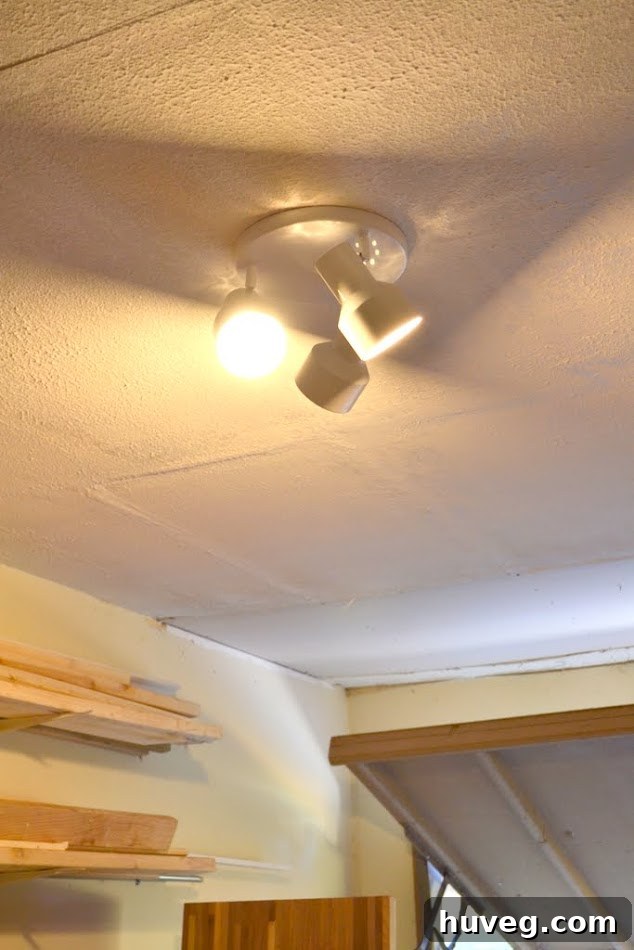
Here’s a fascinating discovery I made during my shopping trip: I initially went to the store expecting to pick out a new light fixture, then simply screw in the LED bulbs Ace Hardware had provided. I had a few aesthetic preferences (primarily avoiding any fixtures resembling anatomical features), but my main goal was superior illumination. To my surprise, many modern LED-compatible light fixtures now come with the LED components already integrated, much like the lights on a pre-lit Christmas tree. This means that once installed, you might not need to worry about changing the light source for 20 to 30 years! It’s an all-in-one, maintenance-free solution. While I found this concept incredibly innovative, the fixture I ultimately chose still required three individual bulbs – which I happily installed.
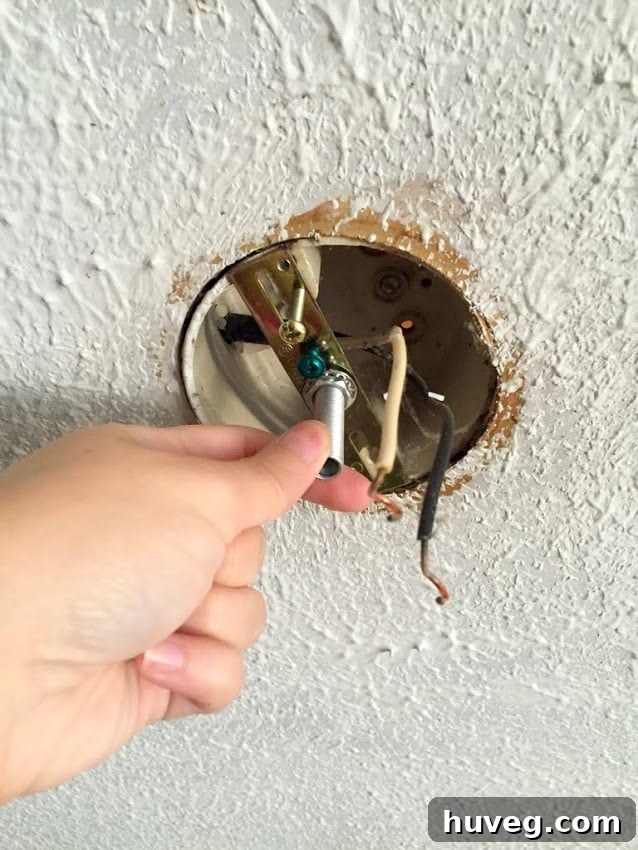
And I’m thrilled with the result! My garage is now dramatically brighter, making evening projects and organization infinitely easier and safer. The transformation is truly remarkable.
3. Exceptional Durability: Built to Last (Almost Drop-Kick Proof!)
Okay, maybe don’t literally drop-kick them, but LEDs are significantly more robust than their predecessors, including CFLs. Unlike fragile incandescent filaments or delicate CFL tubes, LEDs are solid-state devices, meaning they don’t have glass bulbs or filaments that can easily shatter or break. Many LED bulbs even come with shatterproof designs or durable plastic casing, making them ideal for high-impact environments like a bustling garage or workshop. They also tolerate vibrations far better, which is a significant advantage over older bulb types that could easily fail under constant movement or impact. This enhanced durability not only saves you money on replacements but also reduces the hassle and potential danger of cleaning up broken glass.
4. Cooler Operation: A Safer, More Efficient Glow
Most of us have experienced the sharp sting of accidentally touching a freshly extinguished incandescent bulb. They generate a considerable amount of heat, often making them a fire hazard if placed too close to flammable materials or in enclosed fixtures. LEDs, by contrast, operate at a much cooler temperature, emitting significantly less heat. This reduces the risk of singed fingertips and scorched lampshades (ahem, Charlie!). The cooler operation also puts less strain on the light fixture itself, potentially extending its life. Furthermore, in smaller, enclosed spaces, the reduced heat output from LEDs can even contribute to a slightly cooler ambient temperature, a welcome benefit during warmer months.
5. Instant Brightness: No More Waiting for the Light
One of my biggest frustrations with CFLs was their notorious warm-up time. Many required a noticeable delay to reach full brightness, which was particularly annoying in high-traffic areas or when you needed immediate, clear visibility. I vividly recall replacing an incandescent bulb in my primary bedroom with a CFL and repeatedly questioning if the light was actually on or if my eyes were merely adjusting to the dimness. It was a tedious game of “is it bright yet?” that disrupted the flow of my routine. This phenomenon was especially jarring because the rest of my home’s lights didn’t behave this way, making it a constant source of mild annoyance.
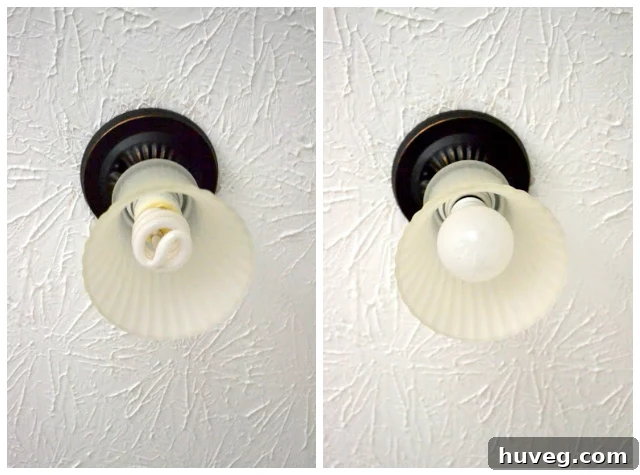
To truly appreciate the instant illumination of LEDs, I swapped a spiral CFL in my entryway with a new LED bulb. The difference was immediate and striking. Even after the CFL had warmed up to its full intensity, the LED simply appeared brighter and more vibrant. While capturing this visual contrast perfectly on camera proved challenging (my photography skills still need work in adjusting for foreground light), the aesthetic appeal of the LED bulb itself, combined with its immediate, warm light, was undeniable. The days of waiting for your lights to “power up” are effectively over with LED technology, providing immediate safety, convenience, and comfort.
6. Significant Cost Savings: An Investment That Pays Off
I confess, I’m generally slow to adopt new technology if it demands a higher upfront investment than its predecessor. LEDs have long carried the reputation of being more expensive than traditional bulbs. However, prices have steadily decreased, and when you consider their remarkable 80% reduction in energy consumption over their lifetime and their significantly extended lifespan, LEDs are no longer the financial burden they once seemed. In fact, they represent a shrewd investment. To put it in perspective, it takes roughly 25 regular incandescent bulbs to match the lifespan of just one LED bulb. The most substantial energy savings are realized when replacing bulbs used for three hours or more daily, typically the five most frequently used fixtures in your home.
It can be challenging to view something as simple as a light bulb as an investment, but the long-term savings on electricity bills and the reduced frequency of replacements quickly add up. Consider the return on investment (ROI): while the initial cost might be higher, the savings generated by lower energy consumption and not having to purchase replacement bulbs for decades make LEDs an incredibly economical choice in the long run. Moreover, during the time of my upgrade, Ace Hardware provided an additional incentive: a Buy Two, Get One Free deal, making the transition even more accessible. This kind of promotion further highlights the growing affordability and widespread adoption of LED technology.
Beyond the Garage: Expanding Your LED Horizon
Honestly, this lighting upgrade was an incredibly satisfying way to cross a persistent item off my to-do list. The improved functionality and ambiance in my garage have been transformative. And with a few more LED bulbs still awaiting installation, I’m already envisioning other dark corners of my home that could benefit from this powerful and efficient illumination. I think I hear a certain dark corner of the attic calling my name for its next lighting transformation!
Upgrading to LED lighting isn’t just about replacing a bulb; it’s about enhancing safety, increasing productivity, reducing energy consumption, and creating a more comfortable and sustainable living environment throughout your entire home. It’s a simple change that delivers profound, long-lasting benefits.
This post was sponsored by Ace Hardware. All thoughts and opinions are 100% my own.