Preventing Glue Air Bubbles

Ahh, the things you learn on random, lazy Saturday mornings catching up on home improvement TV shows…
Mastering Adhesive Bonds: The S-Shaped Glue Line Technique for Flawless Results
Every DIY enthusiast, whether a seasoned crafter or a budding home improvement guru, understands the critical role of a strong, clean adhesive bond. We’ve all been there: meticulously applying glue, only to discover unsightly air bubbles marring an otherwise perfect finish, or worse, compromising the structural integrity of a joint. While I’ve spent countless hours perfecting techniques in embossing, stenciling, and general crafting, often finding my artistic knowledge surprisingly applicable to home projects, it was a recent HGTV discovery that offered a powerful reverse lesson. From Income Property, a simple yet revolutionary tip emerged, promising to elevate our gluing techniques across the board:
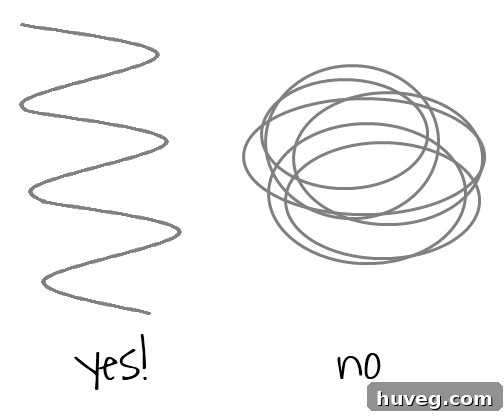
When gluing two items together and wanting to minimize air bubbles, use S-shaped glue lines.
This deceptively simple advice holds the key to achieving superior adhesive application, preventing the common frustrations associated with trapped air. Let’s delve into why this technique is a game-changer for anyone striving for a professional, bubble-free finish in their DIY endeavors.
The Hidden Enemy: Understanding Air Bubbles in Gluing
Air bubbles are more than just a cosmetic nuisance; they represent significant vulnerabilities in any adhesive bond. When glue is applied in a continuous, enclosed pattern, such as a solid border or a series of concentric circles, air inevitably becomes trapped. As pressure is applied to bring the two surfaces together, this trapped air has nowhere to go. The consequences can be manifold:
- Compromised Adhesion: Air pockets reduce the actual surface area where the adhesive can bond, weakening the overall joint. This is particularly critical in structural applications where strength is paramount.
- Unsightly Appearance: For projects where aesthetics are key, like decoupage, scrapbooking, or veneer work, air bubbles create bumps, wrinkles, and hazy spots that detract from the visual appeal and signal an amateur finish.
- Reduced Durability: Over time, trapped air can lead to delamination, where the glued surfaces separate due to stress or environmental factors, shortening the lifespan of your project.
- Difficulty in Application: Trying to squeeze out trapped air often results in glue oozing from the sides, creating a mess and requiring extra cleanup, potentially damaging the project surface.
The frustration of discovering these imperfections after the glue has dried is familiar to many. But what if there was a simple, effective method to prevent them before they even form? Enter the S-shaped glue line technique.
The Revelation: S-Shaped Glue Lines to Banish Bubbles
The concept behind S-shaped glue lines is elegantly straightforward yet profoundly effective. Instead of creating a closed loop or spreading glue indiscriminately, this technique involves applying the adhesive in meandering, open-ended curves that resemble the letter ‘S’. Still confused? Here’s a visual explanation that perfectly illustrates the method:
The power of the S-shaped application lies in its design to facilitate air escape. By creating these open-ended channels, any air that gets trapped between the two surfaces during the clamping or pressing process has a clear path to escape outwards. This prevents the formation of isolated air pockets that can weaken the bond or create visual imperfections. The glue, distributed evenly through the ‘S’ curves, spreads efficiently when pressure is applied, filling the entire surface area without trapping air in the center. This results in a much more robust and aesthetically pleasing bond, free from the common pitfalls of traditional gluing methods.
Understanding the Science Behind the S-Curve
At its core, the S-curve method leverages basic principles of fluid dynamics and pressure equalization. When you apply an adhesive, especially thicker varieties, it acts like a viscous liquid. If this liquid is spread in a continuous, perimeter-only line, the center portion of the material being bonded can easily trap air as the two surfaces are pressed together. This is because the glue forms a seal around the edges, creating an airtight chamber in the middle. The S-curve, by contrast, ensures that no part of the surface is fully encircled by glue until the final pressure is applied and the adhesive spreads. This deliberate open-ended design allows air to travel along the channels created by the curves and escape to the edges, ensuring a complete and uniform spread of adhesive across the entire bonding area. This simple modification in application technique significantly improves the contact between the adhesive and the substrates, resulting in a stronger, more reliable, and visually superior bond.
Applications Across DIY Projects: From Crafting to Construction
While the initial tip for S-shaped glue lines was shared in the context of gluing two-by-fours together for a load-bearing wall, its versatility extends far beyond heavy-duty construction. This technique is universally beneficial for any gluing situation where air bubbles can ruin the entire look or, in the case of structural elements, the function of your project. Let’s explore its broad applicability:
Crafting Corner: Precision and Aesthetics
- Decoupage: This is perhaps one of the most immediate and significant beneficiaries. Air bubbles are the bane of decoupage artists, causing unsightly wrinkles and lifting. Applying glue in S-shapes before laying down paper or fabric ensures a smooth, seamless finish, preserving the delicate details of your artwork.
- Scrapbooking & Card Making: For attaching larger elements like photos, paper layers, or embellishments, an S-shaped application prevents ripples and ensures a flat, professional presentation. It’s crucial for preserving the longevity and appearance of your cherished memories.
- Fabric Arts: When adhering fabric to various surfaces for appliqué or mixed media projects, the S-curve method helps create a uniform bond without stiff, bubbly areas, maintaining the fabric’s natural drape and texture.
- Model Building: Precision is key in model building. Whether it’s intricate plastic parts or larger sections of balsa wood, using S-shaped glue lines can prevent tiny air pockets that might compromise the structure or paint finish of your miniature creations.
- Jewelry Making: For setting larger cabochons or attaching backings where a completely clear, bubble-free bond is desired, this technique can be invaluable, especially with transparent adhesives.
Home Improvement & Repairs: Strength and Durability
- Woodworking: Beyond the initial two-by-four example, this technique is excellent for laminating wood, joining panels, or attaching veneers. A bubble-free bond is essential for the long-term strength and stability of wooden furniture or structures.
- Tile Installation: While thin-set mortar is often spread with a notched trowel, the principle of allowing air to escape is similar. For smaller, decorative tiles or repairs where a precise adhesive application is needed, an S-curve can help ensure maximum contact.
- Minor Home Repairs: From reattaching lifting laminate countertop edges to fixing loose trim work, the S-shaped glue line ensures that your repair holds strong and doesn’t develop weak spots due to trapped air.
- Flooring Adhesion: For certain types of vinyl, linoleum, or even carpet tiles that require adhesive application, adapting this technique for smaller areas can prevent localized bubbles that lead to premature wear or detachment.
The beauty of this simple tip is its universal applicability. It teaches us that thoughtful application, rather than just quantity, dictates the quality of our adhesive bonds.
Beyond the S-Curve: Essential Gluing Practices for Flawless Results
While the S-shaped glue line technique is a powerful tool for preventing air bubbles, it’s just one component of achieving truly flawless gluing results. Combining this innovative method with other best practices will ensure your projects are both durable and aesthetically perfect. Here are some essential tips to complement your S-curve application:
1. Surface Preparation is Key
Even the best adhesive and application technique will fail if the surfaces aren’t properly prepared. Ensure both mating surfaces are clean, dry, and free of dust, grease, oils, or any loose debris. Depending on the material, light sanding can create a better “tooth” for the glue to adhere to, improving mechanical grip. Some materials may also benefit from a primer specific to your chosen adhesive.
2. Choose the Right Adhesive
The vast world of adhesives offers a specific solution for nearly every material and application. Using the correct type of glue for your project is paramount. Consider factors like:
- Material compatibility: Is it for wood, fabric, plastic, metal, or a combination?
- Bond strength required: Is it a decorative bond or a structural one?
- Flexibility: Does the bond need to withstand movement or remain rigid?
- Drying time: Do you need a fast-setting glue or one with more open time?
- Environmental factors: Will the project be exposed to moisture, heat, or cold?
Reading product labels thoroughly will guide you to the optimal choice for a strong, lasting bond.
3. Application Consistency
Even with the S-curve technique, consistent application is crucial. Aim for an even bead of glue. Too little glue can result in a starved joint, where insufficient adhesive is available to form a complete bond. Too much glue, on the other hand, can create excessive squeeze-out, leading to messy cleanup and potentially longer drying times. The goal is to have enough glue to fully wet both surfaces without significant overflow.
4. Proper Clamping and Pressure
Applying adequate, even pressure after glue application is vital for achieving full contact and allowing the adhesive to spread properly. Clamps, weights, or firm hand pressure help to push the air out (aided by your S-shaped glue lines!) and hold the pieces together while the glue cures. Ensure pressure is distributed evenly across the entire glued surface to avoid weak spots. Always protect your project with cauls or wax paper under clamps to prevent marring and accidental adhesion.
5. Allow Adequate Curing Time
Patience is a virtue in gluing. Resist the urge to handle, move, or stress the bonded pieces before the glue has fully cured, not just dried to the touch. Curing time can vary significantly depending on the adhesive type, temperature, and humidity. Rushing this step can severely weaken the bond and compromise the entire project. Refer to the adhesive manufacturer’s instructions for recommended curing times to ensure maximum strength and durability.
The Synergy of Skills: Bridging Crafting and Home Improvement
The journey from a home improvement TV show tip to a fundamental crafting hack perfectly illustrates the interconnectedness of DIY skills. Whether you’re a meticulous crafter focused on aesthetic perfection or a practical home renovator prioritizing structural integrity, the underlying principles of good workmanship often overlap. The precision required for fine crafting, the understanding of materials, and the careful application of tools and adhesives are skills that seamlessly transfer between realms. Learning from one discipline often illuminates better practices in another, creating a richer, more effective toolkit for all your projects. This S-shaped glue line technique is a prime example of how a simple insight can revolutionize outcomes across a wide spectrum of creative and constructive endeavors.
Share Your DIY Wisdom: Join the Conversation
The world of DIY is built on shared knowledge and collective experiences. Have you discovered other invaluable tips that seamlessly transitioned from one part of your DIY life to another, or vice versa? Perhaps a painting technique from art class that dramatically improved your wall finishes, or a woodworking jig that became a crafting staple? And for those who have tried the S-shaped gluing application, have you noticed a significant difference in the results of your projects, particularly in preventing those frustrating air bubbles? Your insights are invaluable to our community of makers and doers. We’d love to hear about your experiences, your successes, and any ingenious hacks you’ve uncovered along your own creative journey. Share your wisdom and help us all build better, craft smarter, and enjoy the process even more!