Wrench Woes

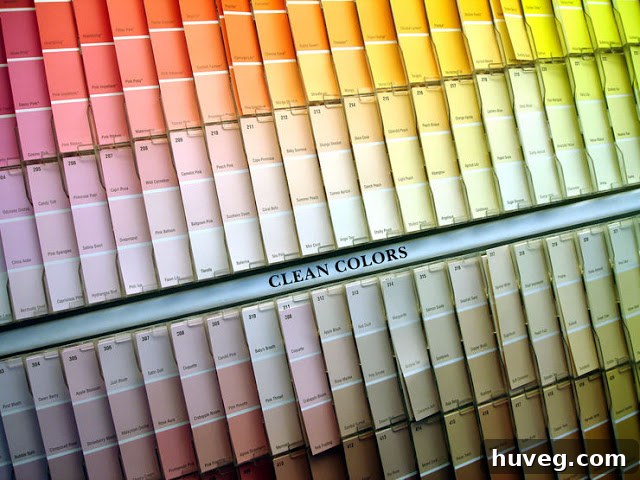
My journey into the world of DIY home decor, despite a lifelong passion for various crafts, has been a surprisingly humbling one. While I find immense joy and success in smaller creative endeavors – be it scrapbooking, intricate paper crafts, or delicate canvas paintings – translating that artistic flair to the grander scale of interior design, especially when it comes to selecting the perfect paint color, has proven to be a distinct challenge. There’s a profound difference between the forgiving nature of a small canvas and the enduring impact a gallon of paint has on an entire room. This crucial distinction became clear to me early on, often through frustrating trial-and-error.
I’ve grappled with the common predicament of picking what I thought was the ideal paint color, only to find my expectations severely mismatched with reality once the paint hit the wall. This recurring struggle has solidified one piece of remodeling advice, a mantra I now preach with unwavering conviction:
ALWAYS TEST THE PAINT COLOR.
I use capital letters not just for emphasis, but as a stark reminder of my own past missteps. I’ve twice chosen colors that seemed perfect on the tiny swatch, only to discover their true, unfortunate hues once applied. The result? Two full gallons of paint rendered unusable for their intended purpose. While I hold onto a sliver of hope that one day I might find a project for that “too-gold tan” or “too-purple gray,” for now, they stand as lonely rejects in my garage. Should my streak of unfortunate choices continue, I envision my garage evolving into an “Island of Misfit Toys” for paint cans, a testament to my past struggles with paint color selection. The most perplexing aspect of this ongoing saga is the profound difference between the captivating shade on a glossy paint swatch and its often-horrifying transformation on my actual walls. I’ve dedicated entire weeks to admiring a particular color, mentally decorating with it in every conceivable light, meticulously taping the swatch everywhere (as every reputable home decor magazine suggests), and finally, making the excited purchase. I’d then gleefully bring my new treasure home, pry open the can (I genuinely adore that little paint key tool – so satisfying!), dip my brush into the promising color, and then recoil in genuine horror as the beautiful paint morphs into an unrecognizable purple, yellow, green, or simply ‘awful’ shade the moment it touches my wall. This cycle of anticipation and disappointment was exhausting and costly.
Embracing Paint Samples: Your Secret Weapon for Flawless Home Decor
No more! Thankfully, the astute folks at major retailers like Lowe’s, Home Depot, and True Value have recognized the common pitfalls faced by DIY enthusiasts like myself. They’ve revolutionized the paint selection process by introducing small, inexpensive 2 and 4 oz. paint samples. This innovation has been a true game-changer for homeowners embarking on a DIY painting journey. What’s particularly convenient is that some brands, like Glidden samples at Home Depot, often come pre-mixed, saving an extra step. However, brands like Behr and many paints from Lowe’s still require mixing in the same fashion as their larger gallon counterparts. While I still accumulate several paint samples that don’t make the final cut, it’s infinitely easier to find a secondary use for a 2-oz. sample I’m not entirely sold on, compared to trying to offload an entire gallon of unwanted paint, which can take forever to re-purpose or dispose of. In fact, I have a rather clever idea brewing for future paint sample utilization, which I eagerly plan to share in a subsequent post once it’s fully realized.
Why Paint Samples Are Essential for Successful DIY Painting:
- Accurate Color Representation: Swatches are printed, but samples contain actual paint. This allows you to see the true pigment and how it reacts to light.
- Test in Various Lighting Conditions: A color can look entirely different under natural daylight, incandescent, LED, or fluorescent lighting. Paint samples on your wall allow you to observe the color at different times of day and night.
- Compare Against Existing Elements: Hold your furniture, curtains, and flooring samples against the painted wall samples. This helps ensure cohesion with your existing decor.
- See How it Reacts to Surroundings: The existing wall color, adjacent rooms, and even the view outside your window can subtly influence how a paint color appears.
- Cost-Effective Testing: Spending a few dollars on samples is a negligible expense compared to the cost of buying a gallon of the wrong paint, not to mention the time and effort wasted.
- Avoid “The Swatch Trap”: Never trust a small swatch entirely. A large painted area provides a much more accurate representation.
To effectively use paint samples, consider painting large swatches (at least 2×2 feet) on multiple walls in the room you intend to paint. Observe them over several days, paying attention to how they change with the light. Don’t be afraid to paint near trim or architectural features to see how the color interacts with them. This meticulous approach to color testing will save you countless headaches and ensure you achieve the desired aesthetic for your home renovation project.
The Power of Primer: A Game-Changer for Color Transitions
The lessons learned from all my previous painting failures are particularly fresh in my mind today because I plan to begin tackling our primary bedroom transformation this evening after work. So far, I have narrowed down my selection to a specific paint color, but given the current state of the walls – a deeply saturated blue – I’m highly skeptical about how my chosen paint color will truly translate without a more neutral base. The vibrant existing hue has a way of distorting perceptions, making everything taped against it appear too light and obscuring the subtle underlying tones of the new color. This is a common challenge when moving from a dark or intense color to a lighter or more neutral shade.
To mitigate this risk and ensure an accurate representation of my desired hue, I recently made a strategic visit to Home Depot and purchased a gallon of KILZ primer, tinted to the intended paint color. This is a crucial step that many DIY painters overlook, but it can make all the difference in achieving a professional-looking finish and the true color you envision. Tinted primer serves multiple purposes beyond just providing a blank slate. It helps block out the previous strong color, significantly reducing the number of topcoats required. Furthermore, by tinting the primer to a shade close to the final color, it offers an early preview of how the chosen hue will appear. I’m far less apprehensive about taking a chance on picking a slightly “off” hue (too green? too pink?) in the primer stage, knowing that its precise shade doesn’t have to be perfect, as it will ultimately be covered by the final two coats of paint. This method provides an invaluable intermediate step, allowing for final adjustments before committing to the more expensive topcoat.
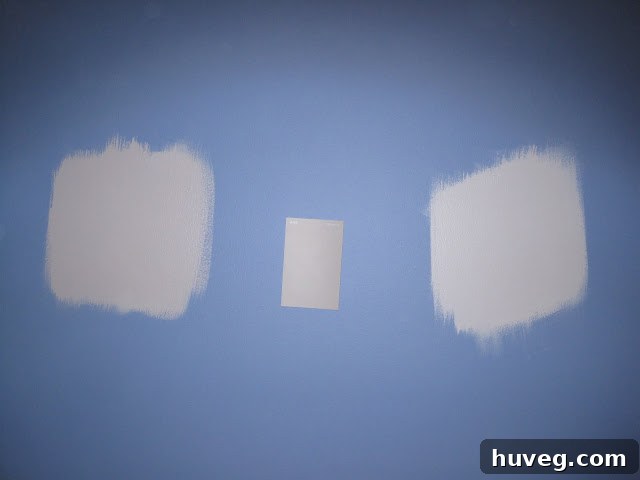
Observing various swatches and samples against the existing deep blue walls has been a challenging exercise. Everything tends to appear too light, and it’s incredibly difficult to discern underlying hues when tapes are applied directly to such a dominant color. For this reason, I strongly anticipate that my initial color choice may require some subtle tweaking after the primer has been applied and cured. With a more neutral, tinted canvas, I’ll be able to see the true character of my selected paint color and make any necessary adjustments with confidence. My overarching goal is to cultivate a clean, serene, and deeply relaxing mood in the primary bedroom. Getting rid of the old, dominant color is the first vital step towards achieving this, allowing new light and a fresh atmosphere to permeate the room. This transformation is about more than just aesthetics; it’s about creating a personal sanctuary.
Transforming Your Space: The Journey to a Relaxing Bedroom Retreat
The painting process itself will likely extend over several days, requiring careful preparation, application, and drying times. Patience and meticulousness are key to a professional-looking finish in any home renovation project. Once the transformation of the primary bedroom is complete, I’ll be sure to share an updated post detailing the final results, the specific paint color chosen, and any further insights gained during the process. Until then, expect to see additional updates from other ongoing projects and parts of our house – because, as any seasoned DIYer knows, there’s always something else happening! From minor touch-ups to larger structural changes, the world of home improvement is a continuous journey. Stay tuned for more tips and tales from my DIY adventures. Later!