The Gnome Initiative

Conquering the Stubborn Ceiling Stain: An AC Repair Saga
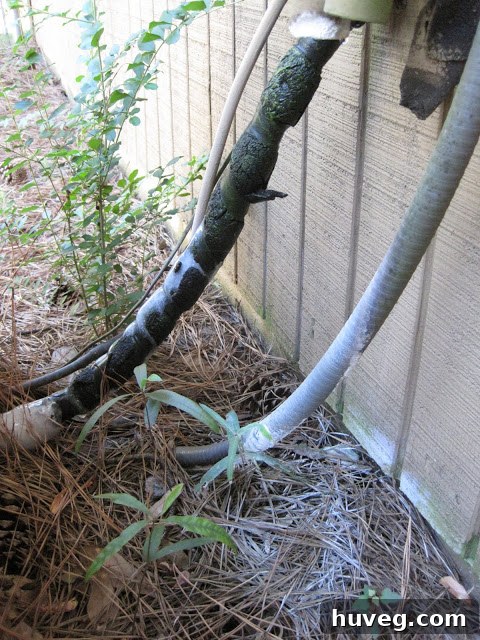
Have you ever found yourself staring at a home improvement project, day after day, wondering why it’s taking you an eternity to tackle it? That’s precisely where I was with a particularly unsightly ceiling stain. It wasn’t just any stain; it was a constant, visual reminder of a minor household calamity – a defunct air conditioning unit that had decided to spring a leak nearly two years ago. Yes, you read that right: two years. What began as a simple AC problem escalated into an enduring symbol of procrastination in my beloved home.
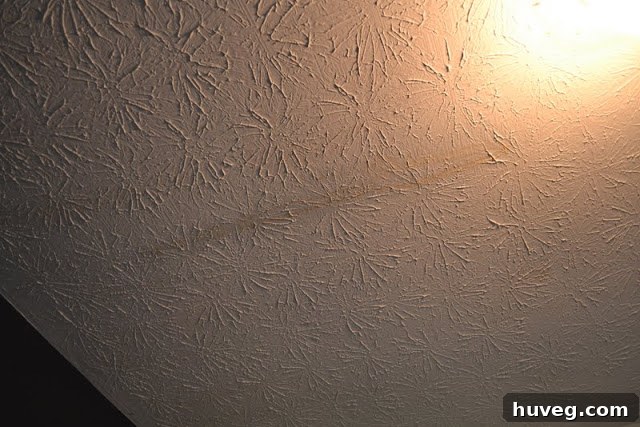
The culprit was a rather unfortunate incident involving the air conditioning unit. It froze solid during a particularly hot spell, then succumbed to the intense summer sun, thawing rapidly and sending a cascade of water cascading down into the ceiling below. The consequence? A prominent, sprawling stain on the ceiling of what I affectionately call my “study-o,” a creative space that doubles as an office. This wasn’t merely a discoloration; it was a glaring imperfection that seemed to mock my attempts at maintaining a pristine living environment.
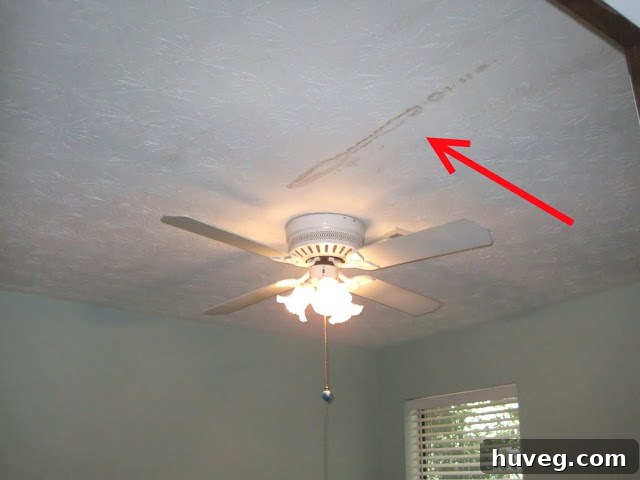
For what felt like an eternity, I lived with that stain. I’d glance up, sigh, and then convince myself that surely, at some point, a troupe of magical painting gnomes would materialize overnight, quietly work their magic, and leave behind a perfectly pristine ceiling. This whimsical notion became my excuse for delaying the inevitable. I waited. And waited. And waited some more, giving these hypothetical, tiny, industrious helpers ample time to show up. Alas, their work ethic proved to be nonexistent. After a thoroughly unreasonable period of hopeful anticipation for these elusive slackers to finally appear, it became undeniably clear: the time had come to roll up my own sleeves and bid farewell to the persistent blemish myself.
The Quest for the Right Primer: A Lesson Learned
Any DIY enthusiast knows that the right tools and materials can make or break a project. My initial foray into stain removal was guided by common sense, or so I thought. I reached for a trusty can of latex primer. Latex primers are fantastic for a multitude of painting tasks; they adhere well, dry quickly, and offer a great base coat for fresh paint. However, as I soon discovered, they are not the universal panacea for all ceiling woes, especially stubborn water stains.
After applying the latex primer, I watched with growing dismay as the unsightly brown mark seemed to mock my efforts, slowly bleeding through the fresh white layer. Water stains are notoriously challenging because the minerals and impurities in the water often reactivate with water-based primers, causing the stain to reappear. It was a classic rookie mistake, and a clear signal that a different approach was needed. For tough, persistent water stains like this, there truly is no substitute – no viable shortcut, no second-guessing if you want to avoid redoing the work later – than a robust, oil-based primer. This wasn’t just a recommendation; it was a hard-won lesson in the nuances of paint chemistry and stain blocking.
The Stain Blocker Solution: Oil-Based Primer to the Rescue
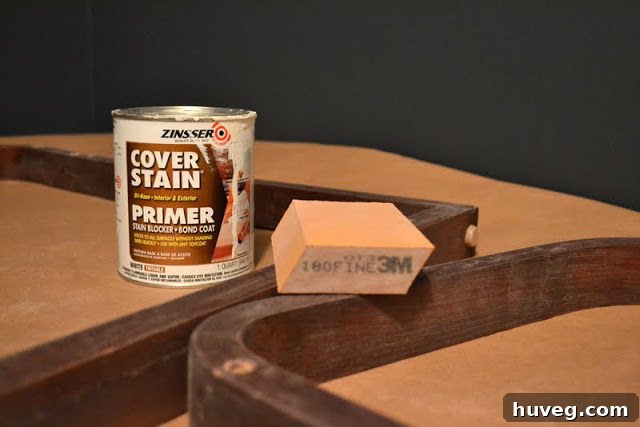
Armed with this newfound knowledge, I returned to the hardware store, determined to find the real solution. Oil-based primers, often referred to as “stain blockers,” are specifically formulated to seal in tough stains, preventing them from bleeding through subsequent coats of paint. Their solvent-based nature creates an impermeable barrier that water-soluble components in stains simply cannot penetrate. This is particularly crucial for water stains, smoke damage, or even stubborn grease marks.
Applying the oil-based primer required a bit more preparation. Adequate ventilation is key when working with solvent-based products, so I opened windows and turned on a fan. The fumes can be strong, but the effectiveness of the product makes the inconvenience worthwhile. I meticulously applied a generous coat over the entire stained area, ensuring complete coverage. The difference was almost immediate. Unlike the latex primer, the oil-based formula effectively locked away the discoloration, creating a pristine, uniform surface ready for its final topcoat. This step is non-negotiable for anyone looking to truly eliminate a water stain rather than just temporarily covering it.
The Final Flourish: A Fresh Coat of Ceiling White
With the stain effectively blocked, the final stage of the project was simple yet incredibly satisfying. I applied a fresh coat of flat white ceiling paint. I’ve learned over the years that keeping a quart of flat white ceiling paint on hand is a smart move for any homeowner. It’s the perfect touch-up solution for minor scuffs, unexpected blemishes, or, as in this case, the final step in a more extensive repair. Flat finishes are ideal for ceilings because they absorb light, helping to mask any minor imperfections or variations in the surface, creating a seamless, uniform look.
The transformation was remarkable. With the primer doing its job and the fresh paint layered on top, it was as if the harrowing two-year saga of the leaky A/C and the unsightly stain had never even happened. The study-o was restored to its intended state: a clean, bright, and inspiring space. The satisfaction of seeing a once-prominent flaw completely vanish, replaced by a flawless finish, is one of the most rewarding aspects of DIY home improvement.
Beyond the Stain: Preventing Future AC Leaks and Damage
While fixing the stain was a victory, the underlying issue of the AC unit freezing and thawing needed to be addressed to prevent future occurrences. Regular AC maintenance is paramount. This includes:
- Regular Filter Changes: Clogged filters restrict airflow, causing the coil to freeze.
- Checking Drain Lines: Ensure the condensate drain line isn’t clogged with algae or debris, which can cause water to back up and overflow.
- Professional Servicing: Schedule annual check-ups with an HVAC technician to ensure the unit is running efficiently and to catch potential problems before they escalate.
- Monitoring Performance: Pay attention to any unusual noises, diminished cooling, or visible ice on the unit.
Addressing leaks promptly is crucial not just for cosmetic reasons but also to prevent more serious issues like mold growth, which can pose health risks and cause structural damage to your home. My two-year delay was certainly a testament to my procrastination, but it was also a reminder of the importance of vigilance in home maintenance.
Reflecting on the DIY Journey and the Elusive Gnomes
This project, though simple in its execution once the right materials were identified, served as a powerful reminder of the satisfaction that comes from tackling home repairs yourself. It also highlighted a common human tendency: the hope that problems might just magically resolve themselves. My imaginary painting gnomes, it turns out, were utterly unreliable. Perhaps they were too busy on other, more glamorous projects, or perhaps – and this is my leading theory – they’ve developed a bit of a drinking problem given their persistent absence from duty.
In seriousness, overcoming the inertia of procrastination and successfully completing a task like this brings a unique sense of accomplishment. It underscores the value of learning from mistakes, researching the right solutions, and ultimately, taking ownership of your living space. So, if you’re staring at your own neglected project, waiting for mythical creatures to intervene, take heart. The right primer and a bit of determination are often all you need. Don’t wait two years like I did; empower yourself to make those improvements today.