The Fight Is On

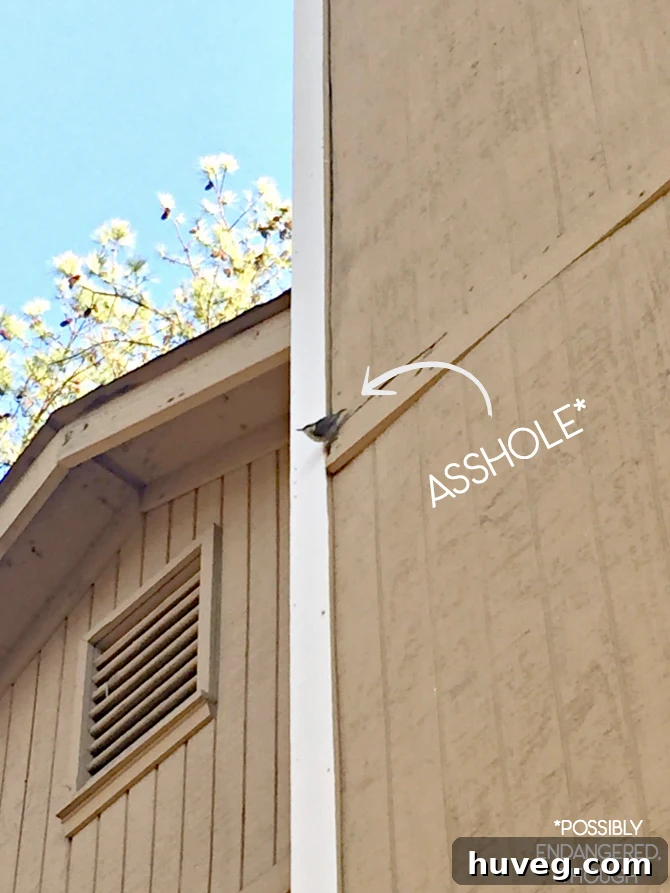
Have you ever found yourself in an unexpected battle, not against a mythical beast, but against nature itself? Perhaps a tiny, persistent adversary making unwelcome modifications to your most prized possession – your home? For many homeowners, this scenario isn’t just a hypothetical musing; it’s a frustrating reality. Today, we’re diving into the ongoing skirmish many face with determined avian residents, specifically woodpeckers and nuthatches, that decide your dwelling offers the perfect dining spot or nesting ground. Forget the quaint chirps and melodies; when these birds start drilling into your property, it quickly escalates into a full-blown war.
Winning the War Against Woodpecker and Nuthatch Damage: A Homeowner’s Guide to Avian Pest Control
As homeowners, we invest considerable time, effort, and resources into maintaining our properties, only to sometimes discover that Mother Nature, in her own unique way, has different plans. My latest challenge involves a persistent avian pest – initially mistaken for a woodpecker, but later identified as a nuthatch – that has declared my chimney its personal construction project and buffet. This isn’t just a minor annoyance; it’s a wake-up call, quite literally, and a stark reminder of the continuous effort required to protect our homes from both the elements and the various creatures that inhabit our environment.
Meet the latest little guy in a series of persistent creatures to decide that my house is their new favorite hangout and food source:
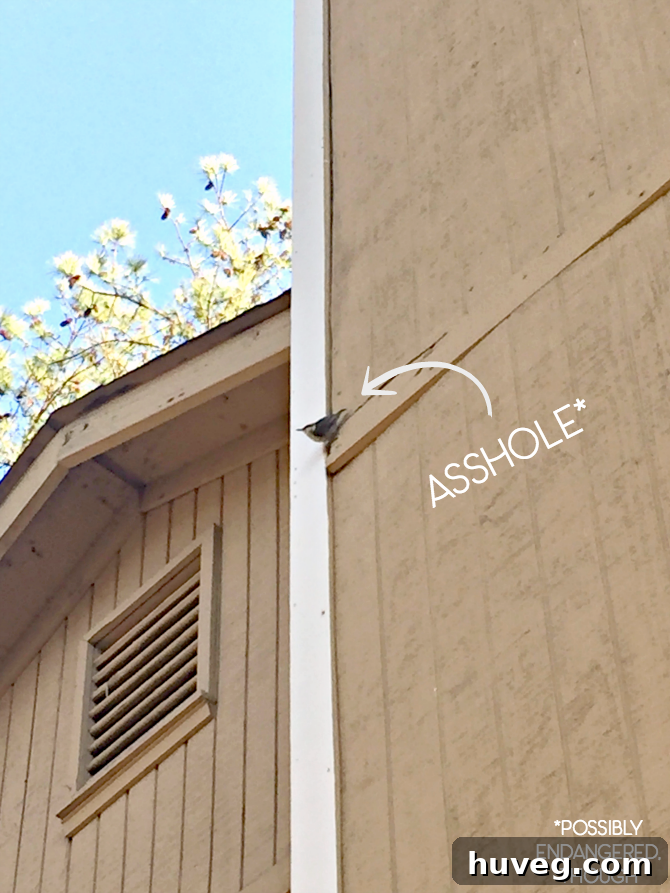
The Persistent Problem: Avian Architects on My Chimney
The core issue here points to a familiar culprit: damage to the exterior of my chimney. It seems the repairs I invested in last year were either insufficient, incomplete, or perhaps only addressed certain areas, leaving other vulnerable spots susceptible to the harsh realities of winter. Consequently, wood rot likely developed, creating an irresistible invitation for these industrious birds. This entire area is literally above my head, making a clear assessment challenging, but based on the birds’ consistent activity, wood rot and an accompanying insect infestation seem to be the most logical explanations before I devise my counter-strategy for effective bird pest control.
It’s important to clarify that by “counter-strategy,” I’m referring to non-lethal, legal methods of deterrence. Woodpeckers and nuthatches, like many migratory birds, are protected species under federal law. Harming them is not only unethical but also illegal. My aim is to encourage them to find a more suitable, less destructive habitat, not to cause them injury. A well-aimed pine cone in their general vicinity, for instance, serves as a harmless, albeit temporary, deterrent – just enough to make them reconsider their current dining spot without causing any harm. The wind resistance often makes precision a comical challenge, but the message is usually received, at least for a little while.
The temporary nature of these deterrents is, admittedly, the most frustrating part. They leave, only to return a short while later, resuming their persistent pecking and drilling. This relentless activity is amplified by its location: directly behind the wall of my primary bedroom, precisely where my bed and headboard are situated. For the past week, my mornings have been punctuated by a series of irritating, persistent tap-tap-tapping. This unwelcome alarm clock doesn’t just rouse me; it also jolts Charlie, my dog, bolt upright from her cozy bed. She often misinterprets the sounds as someone at the front door, leading to a cascade of barking, a general mix of chaos, and a healthy dose of early morning rage.
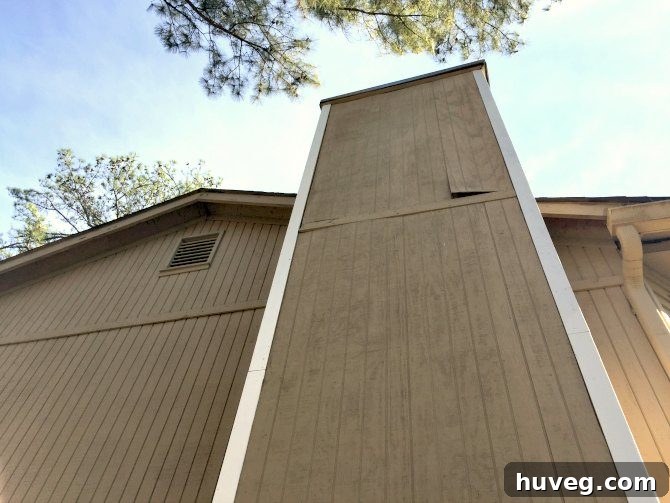
It would be a humorous anecdote if the sleep deprivation weren’t so profound. The impact of such seemingly small creatures can be surprisingly disruptive, turning peaceful mornings into a symphony of avian drumming and canine complaints.
Understanding the Avian Adversaries: Why Woodpeckers and Nuthatches Damage Homes
While often confused, woodpeckers and nuthatches exhibit distinct behaviors that can lead to home damage, yet their destructive outcomes can be quite similar for homeowners. Woodpeckers are notorious for drilling into wood to find insects, excavate nesting cavities, or to “drum” for territorial communication. Their powerful beaks are designed for heavy-duty excavation. Nuthatches, on the other hand, are smaller and typically forage on tree bark for insects and seeds, often prying open crevices or hammering nuts into bark to crack them open. While they don’t typically drill large holes like woodpeckers, their persistent pecking can exploit existing weaknesses in wood, especially if an insect infestation is present.
The consistent pecking at my chimney strongly suggests they’re either finding a rich source of insects (pointing directly to wood rot) or attempting to create a cavity. Given the areas they target, it doesn’t appear to be a territorial drumming display, especially with abundant pine trees nearby for shelter. The presence of wood siding on my house, which annually attracts carpenter bees, further supports the hypothesis that this is primarily a food-driven, insect-related issue. These birds are not intentionally trying to damage my property; they are simply following their instincts to find food or shelter, inadvertently causing significant problems for me. This avian assault is just the latest in a long, ongoing saga of dealing with pests and maintaining my home, following previous encounters with that persistent squirrel.
Owning a cedar home, while aesthetically charming and offering a unique aesthetic, comes with its own unique set of challenges. Cedar is naturally resistant to many pests and rot, but it’s still wood, and susceptible to moisture damage and insect infestations if not properly maintained. The beauty of the material often comes at the price of vigilance against various pests and the harsh elements. Winter, in particular, can be unkind, exacerbating any existing vulnerabilities, especially if previous repairs were not executed thoroughly. A minor crack or unsealed seam can become a major entry point for moisture, leading to rot that then attracts insects, which in turn attracts birds. If it were financially feasible, I would replace the entire siding, but that’s a significant investment not on the immediate horizon. Therefore, my focus remains on addressing smaller, localized issues promptly and effectively, preventing them from escalating into larger, more costly repairs.
Devising a Battle Plan: Strategies for Deterrence and Repair
As spring approaches, it’s time to embark on a new phase of this home maintenance journey: developing and implementing effective strategies to deter these avian pests and address the underlying structural issues. The good news is, I’m not alone in this fight; many fellow homeowners have faced similar challenges and offered a wealth of advice on my personal Facebook, providing a rich pool of ideas for my comprehensive pest control strategy.
Here are some of the proposed strategies I’ll be exploring, each with its own merits, potential drawbacks, and considerations for effectiveness and humane application:
- Visual and Auditory Deterrents: Making the Area Unappealing
- Aluminum Tape: Reflective, metallic tape can be applied directly to damaged areas or vulnerable spots. The idea is that the glinting light, especially when sunlight hits it, and the unfamiliar texture or even sound when pecked will make the spot less appealing. Birds often perceive shiny, moving objects as threats or simply find them disorienting. It’s a relatively inexpensive and easy-to-apply solution for immediate action.
- Mylar Balloons/Reflectors: Stapling shiny, reflective Mylar balloons, reflective streamers, or strips of aluminum foil to the side of the house creates movement and flashing lights that can startle and deter birds. While it might give the house a rather “festive” or even “tacky” look, effectiveness trumps aesthetics in this particular “war.” The constant movement, unexpected reflections, and unfamiliar shapes are often unsettling for birds, convincing them that the area is not safe or desirable for foraging.
- Distress Calls or Predator Sounds: While not mentioned in the original text, some homeowners use devices that emit distress calls of the target bird species or sounds of their predators. This can be effective, but requires careful placement and volume control to avoid bothering neighbors.
- Tactile Deterrents: Creating an Uncomfortable Environment
- Sticky Gels/Repellents: Certain non-toxic, sticky gels are available that make surfaces uncomfortable for birds to land on or cling to. The premise is to create a sensory unpleasantness that encourages them to move elsewhere without causing any harm. These gels are typically clear and odorless to humans but create a sticky, unsettling surface for birds. My primary reservation here is the potential mess for me to clean up later, or the possibility of residue attracting dust and other elements. However, if effective, it’s a strong contender for targeted areas.
- Netting: For particularly stubborn areas, installing netting can physically block birds from accessing the damaged surface. While less aesthetically pleasing, it’s highly effective at creating a physical barrier.
- Diversionary Tactics: Guiding Them Away from the House
- Suet Feeders: A more ethical and perhaps less confrontational approach involves providing an alternative, more attractive food source away from the house. Placing suet feeders (especially those containing nuts and seeds popular with nuthatches and woodpeckers) in a different, more distant part of the backyard could divert the birds’ attention away from the house. This strategy acknowledges their natural foraging instincts while guiding them to a more appropriate, designated location. It requires consistency to be effective but promotes a more harmonious coexistence.
- Addressing the Root Cause (Integrated Pest Management): This is paramount.
- Insect Treatment: This is arguably the most crucial step. If the birds are indeed drawn to the chimney by an insect infestation (likely associated with wood rot), then treating the underlying pest problem is paramount. Eliminating their food source will naturally make the area less attractive over time. This might involve professional pest control services or targeted DIY treatments for carpenter bees, termites, or other wood-boring insects. A thorough inspection by a qualified professional can help identify the specific pests and the extent of the infestation. Once the area is treated and the insect population is controlled, the hope is that the birds will move on permanently, having lost their primary incentive to peck at the house.
- Wood Rot Repair: Simultaneously, repairing any existing wood rot is essential. Replacing damaged wood not only removes the insect attractant but also restores the structural integrity and aesthetic appeal of the chimney. This might involve replacing sections of siding, trim, or fascia, and ensuring proper sealing and painting to prevent future moisture intrusion.
Each method presents a different angle of attack, and the journey to discover what truly works will undoubtedly be an interesting learning experience. This isn’t just about fixing a damaged chimney; it’s about understanding avian behavior, implementing sustainable and humane solutions, and strengthening my home against future incursions. Despite the fatigue and frustration, I’m confident I can tackle this challenge. After all, I’ve got my war paint ready, figuratively speaking, and a renewed determination to reclaim my peaceful mornings and protect my investment.

A Note on Identification: Woodpecker or Nuthatch? Why It Matters.
As many helpful observers have pointed out, my initial bird identification skills might leave something to be desired! The particular bird I photographed, upon closer inspection and valuable feedback from others, appears to be a nuthatch, not a woodpecker. This distinction, while seemingly minor, is actually important for understanding their specific behaviors and tailoring the most effective deterrents. Woodpeckers typically create larger, deeper holes, while nuthatches might exploit existing crevices or make shallower pecks in search of insects. Understanding which species you’re dealing with can inform your choice of deterrents and pest control strategies.
However, regardless of its precise ornithological classification, it remains a GRADE A BUTTHEAD for persistently disrupting my sleep. The goal remains the same: to humanely and effectively encourage this “butthead” to seek sustenance and shelter elsewhere, allowing my home – and my mornings – to return to their former tranquility. This ongoing battle serves as a testament to the dynamic challenges of home ownership, particularly for those with wood-sided homes, and the constant vigilance required to maintain a peaceful living environment.