Make Tarnished Brass Shine Again

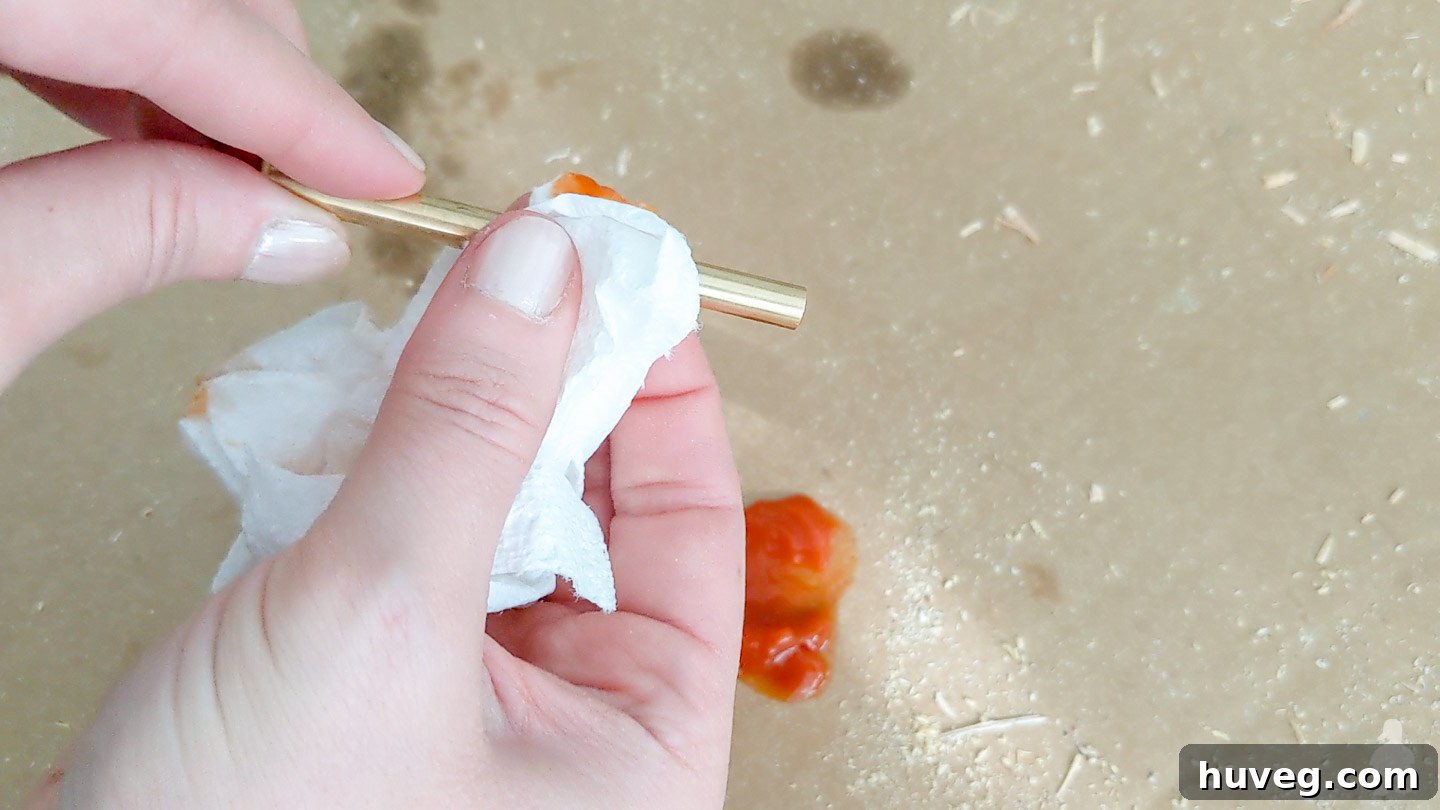
Uncovering effective and effortless cleaning solutions can feel like striking gold, especially when faced with unexpected challenges. Recently, while meticulously crafting a DIY Jewelry Organizer, I encountered a minor setback that threatened to derail my timeline: one of the crucial brass rods, intended for delicate necklace and bracelet hooks, arrived noticeably tarnished. With a limited supply of rods and a looming deadline, a quick, efficient, and readily available cleaning method was paramount. This pressing situation led me to an ingenious cleaning hack that I simply couldn’t keep to myself – a simple kitchen staple that transformed dull, tarnished brass into gleaming brilliance in mere moments. This discovery not only salvaged my project but also unveiled a powerful, budget-friendly solution for a common household problem.
Watch our quick guide on “How to Clean Tarnished Brass with Ketchup” to see this amazing trick in action and learn how to restore the shine to your brass items effortlessly!
The Unexpected Secret: Cleaning Brass with Ketchup
Brass, a beautiful alloy of copper and zinc, is renowned for its golden luster and durability. However, over time, exposure to air, moisture, and various environmental factors causes it to oxidize, leading to a dull, darkened surface known as tarnish. This chemical reaction is natural but often diminishes the aesthetic appeal of brass items, from decorative accents and antique hardware to everyday jewelry. While commercial brass cleaners are effective, they often involve strong chemicals, specific application methods, and might not always be on hand when you need them most. My recent predicament highlighted the need for an accessible, gentle, yet powerful alternative, and the answer, surprisingly, was waiting in my refrigerator.
I found that by simply grabbing an old bottle of ketchup and a paper towel, I could effortlessly bring my tarnished brass rods back to life in a matter of seconds. This revelation wasn’t just a convenient fix; it was a testament to the power of simple, everyday ingredients in tackling complex cleaning challenges. The secret lies in the acidic properties of ketchup, primarily from its vinegar and tomato content. These mild acids react with the copper oxides that form tarnish, effectively dissolving them without harsh scrubbing or corrosive damage. This makes ketchup an incredibly safe and effective homemade brass cleaner, perfect for restoring the natural sheen of your beloved brass pieces.
Why Ketchup Works Wonders on Tarnished Brass
Understanding the science behind this unlikely cleaning hack can deepen your appreciation for its effectiveness. Tarnish on brass is essentially a layer of copper sulfide or copper oxide, formed when the copper in the brass reacts with sulfur compounds or oxygen in the air. These compounds appear as a dull, sometimes greenish-black film. Ketchup, a staple condiment, contains acetic acid (from vinegar) and citric acid (from tomatoes). Both are mild acids that are highly effective at breaking down and dissolving these oxide layers. The gentle abrasive action of rubbing the ketchup on the surface, combined with its acidic nature, helps to lift the tarnish away, revealing the bright, clean brass underneath.
This method is particularly appealing because it’s non-toxic, readily available, and incredibly cost-effective. You don’t need to purchase specialized, often expensive, cleaning products. Furthermore, the thick consistency of ketchup means it clings well to surfaces, allowing the acids sufficient contact time to work on the tarnish before being wiped away. It’s an eco-friendly approach that reduces reliance on harsh chemicals, making it a safer option for both your household and the environment. This makes cleaning brass with ketchup not just a convenient trick, but a genuinely smart and sustainable choice for maintaining your brass items.
Step-by-Step Guide: Cleaning Brass with Ketchup
Restoring the sparkle to your brass items using ketchup is remarkably straightforward. Before you begin, always test the method on an inconspicuous area of your brass item, especially if it’s an antique or has a delicate finish. This helps ensure compatibility and prevents any unintended discoloration. Additionally, confirm that your item is indeed solid brass and not merely brass-plated, as plating can sometimes be thin and susceptible to aggressive cleaning.
- Prepare Your Brass: Ensure the brass item is free from loose dirt or dust. A quick wipe with a dry cloth will suffice.
- Apply the Ketchup: Squirt a generous amount of ketchup directly onto the tarnished areas of the brass. You want enough to cover the tarnish completely, creating a visible layer.
- Allow it to Sit: Let the ketchup sit on the brass for a few seconds to several minutes. For light tarnish, 10-15 seconds might be enough. For heavier tarnish, you might need to leave it on for up to 15-30 minutes. The acidity needs time to work its magic and break down the oxidation.
- Gently Rub and Polish: Using a soft cloth or paper towel, gently rub the ketchup over the brass surface. You should notice the tarnish beginning to lift away, revealing the shine underneath. For stubborn spots, a soft-bristled toothbrush can be used to lightly scrub, but avoid anything abrasive that could scratch the brass.
- Rinse Thoroughly: Rinse the brass item under a stream of warm water. It’s crucial to remove all traces of ketchup, as any residue left behind could potentially lead to further tarnish or leave a sticky film.
- Pat Dry and Buff: Immediately pat the item dry with a clean, soft cloth to prevent water spots. For an extra shine, you can buff the brass with a clean, dry microfiber cloth.
This simple, convenient process requires no special cleaners and utilizes ingredients you likely already have in your kitchen. Just like that, I was able to keep right on with my project and get it finished in time to share with the blog hop. Deadlines are pretty crucial sometimes, so this was a nifty little trick that I simply had to share. This quick turnaround highlights the efficiency of the ketchup method, proving its worth not just for casual cleaning but also when time is of the essence.
Beyond Ketchup: Other Effective Brass Cleaning Methods
While the ketchup hack is surprisingly effective, it’s not the only household solution available for brass care. Depending on the extent of the tarnish and the type of brass item, other DIY methods and commercial products can also yield excellent results. Knowing your options allows you to choose the best approach for each piece, ensuring optimal brass maintenance.
Lemon and Salt: A Classic Combination
Similar to ketchup, lemon juice provides the necessary acidity, while salt acts as a mild abrasive. To use this method: Cut a lemon in half, sprinkle a generous amount of salt onto the cut surface, and then rub the lemon directly onto the tarnished brass. For intricate areas, you can mix lemon juice with salt to form a paste and apply it with a cloth. Let it sit for a few minutes, then rinse thoroughly with warm water and dry completely. This method is particularly good for smaller items or areas with light to moderate tarnish.
Vinegar, Salt, and Flour Paste: The Gentle Polish
For a slightly more robust, yet still gentle, homemade brass cleaner, a paste made from vinegar, salt, and flour is an excellent choice. Mix equal parts white vinegar, salt, and flour until you achieve a thick, spreadable paste. Apply this paste generously to the brass item, ensuring it covers all tarnished areas. Allow the paste to dry completely on the brass, typically for 10-30 minutes. Once dry, rub it off with a soft cloth, rinse under warm water, and buff dry. The flour in this mixture helps to thicken the paste, keeping the acidic components in contact with the tarnish for longer, while also providing a very fine abrasive action.
Commercial Brass Cleaners: For Stubborn Tarnish
For heavily tarnished brass or items that haven’t responded well to DIY methods, commercial brass cleaners are often the most powerful solution. These products are specifically formulated to dissolve tarnish and restore shine. Always follow the manufacturer’s instructions carefully, as some cleaners contain stronger chemicals that require gloves and good ventilation. Be mindful that some commercial cleaners can be quite abrasive, so use them sparingly and always test on an inconspicuous area first. They are particularly useful for large brass pieces or those with deep, persistent tarnish.
Lacquered Brass vs. Unlacquered Brass: What You Need to Know
It’s crucial to differentiate between lacquered and unlacquered brass before applying any cleaning method. Lacquered brass has a clear protective coating that prevents tarnishing. If a lacquered piece appears dull or discolored, it’s usually the lacquer that’s damaged, not the brass underneath. Applying abrasive cleaners or acids to lacquered brass can strip or damage this protective layer, leading to uneven tarnishing. For lacquered brass, simply clean with mild soap and water. If the lacquer is damaged, it typically needs to be stripped entirely and reapplied, or the brass will require regular cleaning as if it were unlacquered.
Preventing Tarnish and Maintaining Brass Shine
While cleaning tarnished brass is satisfying, preventing tarnish in the first place is even better. Brass tarnishes due to oxidation, a natural reaction with oxygen and other elements in the air. By taking a few proactive steps, you can significantly prolong the pristine condition of your brass items and reduce the frequency of intensive cleaning.
Regular Dusting and Wiping
The simplest form of prevention is regular maintenance. Dusting your brass items frequently with a soft, dry cloth can remove airborne particles and moisture that contribute to tarnish formation. A quick wipe-down once a week can make a significant difference, preventing tarnish from building up into a stubborn layer.
Controlling Humidity
Moisture is a major accelerator of tarnish. In humid environments, brass will tarnish much faster. Consider using dehumidifiers in rooms where you display valuable brass items, especially during damp seasons. Storing brass in areas with stable, lower humidity levels can also help. For smaller items, storing them in airtight bags or containers with silica gel packets can absorb excess moisture.
Applying Protective Coatings
For unlacquered brass, applying a thin coat of clear wax (like car wax or Renaissance wax) or a specialized brass lacquer can create a barrier against oxidation. This protective layer seals the brass from exposure to air and moisture, dramatically slowing down the tarnishing process. If you choose to lacquer, ensure the brass is perfectly clean and dry beforehand for the best adhesion and a flawless finish. Reapplying these coatings periodically, perhaps once a year, will maintain their effectiveness.
Handling with Care
Oils and acids from your skin can also contribute to brass tarnishing. When handling polished brass items, especially decorative pieces, try to wear cotton gloves or handle them by areas that are less visible. This prevents fingerprints and skin oils from accelerating discoloration.
By incorporating these simple preventative measures into your routine, you can keep your brass looking bright and beautiful for much longer, minimizing the need for repetitive and time-consuming cleaning efforts. Regular care ensures that the natural beauty of brass continues to enhance your home or personal collection without the constant battle against tarnish.
Share Your Clever Cleaning Hacks!
Discovering ingenious cleaning hacks that simplify household chores is always a delight. The satisfaction of transforming a dull, tarnished item into a gleaming piece with an unexpected ingredient like ketchup is truly rewarding. This experience not only saved my project deadline but also opened my eyes to the potential of everyday items to solve common problems effectively and economically. I’ve heard vinegar also works wonders on various surfaces, and its acid helps to clean a number of other things (like copper too, so I’m going to try that on my Moscow Mule mugs!). The acidic properties are clearly a powerful force against oxidation and dirt.
What’s the weirdest or niftiest cleaning hack you’ve stumbled upon lately? Whether it’s a surprising use for a common condiment, an unusual method for tackling grime, or an ingenious shortcut for a tedious chore, sharing these tips can benefit everyone. We’re always on the lookout for innovative and practical ways to make our lives a little easier and our homes a little brighter. Drop your favorite, most unexpected cleaning solutions in the comments below – let’s inspire each other to clean smarter, not harder!