Breaking the Hold

The persistent irritation caused by a stubborn door can quietly chip away at the tranquility of a home. For Scott and me, the primary bedroom door had been a source of daily frustration since the day we moved into our house. What might seem like a minor inconvenience quickly escalated into a significant daily annoyance, impacting our mornings and evenings with its uncooperative nature. Dealing with a sticking door is a common homeowner’s plight, often emerging as houses gracefully settle into their foundations over time, leading to subtle yet impactful shifts in door and window frames.
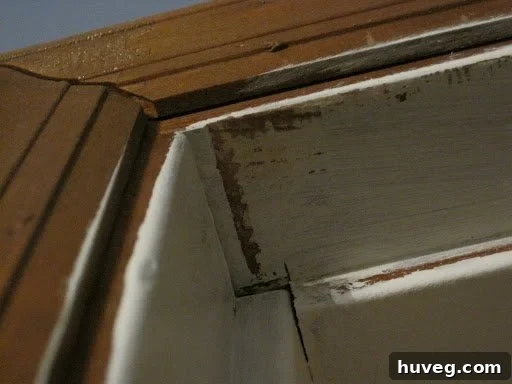
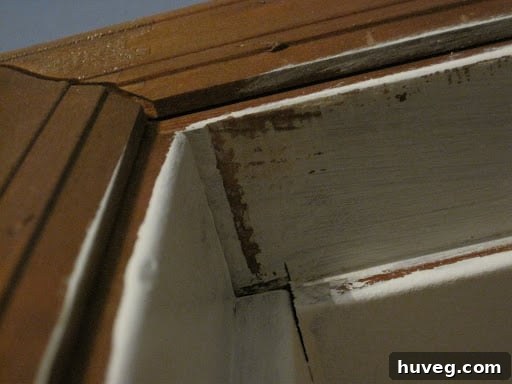
Our bedroom door was a prime example of this phenomenon. Each morning, getting the door open required an exasperating yank and pull, a physical exertion we’d grown tired of. Conversely, closing it demanded a forceful slam, creating unnecessary noise and disrupting the peace of our home. This daily struggle wasn’t just about effort; it also carried a hidden cost. During our recent upstairs hallway trim painting project, the constant scraping of the door against its frame became glaringly obvious. Fresh paint, painstakingly applied, would instantly be marred and peeled away as the door was forced open or shut, adding another layer of frustration to our ongoing home improvement efforts. This repetitive damage was not only unsightly but also threatened to undermine all the hard work we were putting into refreshing our home’s interior.
Unveiling the Mystery: Why Do Doors Stick?
Understanding the root causes of a sticking door is the first step toward finding a lasting solution. While our issue was primarily attributed to the natural settling of the house, several factors can contribute to this common household problem. Over time, house foundations can shift minutely, causing door frames to go out of square. This subtle misalignment is often enough to create friction between the door and the frame, leading to the dreaded stick. Furthermore, wood, being a natural material, is highly susceptible to environmental changes. Fluctuations in humidity and temperature can cause wooden doors and frames to expand and contract. In humid conditions, wood absorbs moisture, swells, and can become too large for its opening, resulting in a tight fit and a sticking door. Conversely, in dry conditions, wood can shrink, potentially leading to different issues, though swelling is more commonly associated with sticking.
Beyond structural shifts and environmental factors, mechanical issues can also play a role. Loose or worn-out hinges can cause a door to sag, making it rub against the frame at the top or bottom. Similarly, if a door was not perfectly installed to begin with, minor imperfections in its alignment can manifest as sticking problems years down the line. Lastly, repeated layers of paint can gradually build up on both the door and the frame, reducing the clearance and eventually causing the door to bind. Identifying the specific cause is crucial for applying the correct fix, ensuring that the repair is effective and long-lasting.
The Catalyst for Change: Deciding on a Permanent Fix
With the ongoing painting project highlighting the door’s stubborn resistance and the visible damage it inflicted on our freshly applied trim, Scott decided it was the opportune moment to tackle the problem head-on. There’s a certain synergy that often occurs during home renovation projects, where one task uncovers or necessitates another. Our desire to have a beautifully finished hallway, free from scraped paint, perfectly aligned with Scott’s determination to resolve the door’s mechanical issues once and for all. We recognized that any further painting of the door or its frame would be futile without first addressing the underlying problem. It was time to move beyond temporary workarounds and invest in a permanent solution that would restore the door’s functionality and preserve the aesthetics of our newly painted trim.
The Solution Unveiled: Planing the Doorway for a Smooth Operation
Identifying the Problem Areas
The first crucial step in fixing a sticking door is accurately identifying exactly where the door is binding against the frame. Scott began by carefully observing the existing scrape marks on the frame and the edge of the door. These visible indicators provided clear clues as to the points of friction. For a more precise assessment, a common technique involves using chalk or pencil lead. By running chalk along the edge of the door where it’s suspected to be sticking, then closing the door, the chalk will transfer to the high spots on the frame, making the exact areas that need attention unmistakably clear. This method helps prevent over-sanding or planing and ensures that only the necessary amount of material is removed.
Essential Tools for the Job
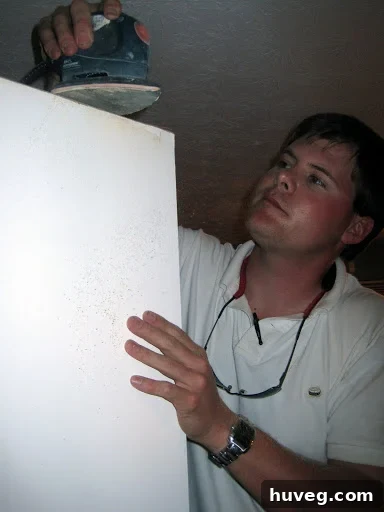
For our specific issue, Scott opted for a small “mouse” sander. This type of detail sander, known for its compact size and pointed base, is incredibly versatile and perfect for accessing tight corners and intricate areas like door frames. Its relatively gentle sanding action allowed for controlled material removal, minimizing the risk of taking off too much wood. For more aggressive material removal, a block plane, a traditional hand tool, or even a belt sander (used with extreme caution due to its power) might be employed, but for a moderate sticking problem and precise work, the mouse sander proved ideal. Essential safety gear, including safety glasses and a dust mask, were also utilized to protect against wood dust and debris, emphasizing that even small DIY projects require proper precautions.
The Step-by-Step Planing Process
With the sticking points identified and the right tools in hand, Scott proceeded with the repair. In some cases, removing the door from its hinges can provide easier access and a more stable surface for planing or sanding. However, for our situation, the binding was primarily along the frame, allowing Scott to work on the door while it was still hung. He carefully marked the areas on the frame that needed adjustment. Using the mouse sander, he began to gently plane down the wood, working in small increments. The key to this process is patience and frequent testing. After each pass with the sander, he would close and open the door to check the fit, ensuring that just enough material was removed to eliminate the friction without creating excessive gaps. This iterative process of sanding, checking, and re-sanding continued until the door moved freely and smoothly within its frame, gliding open and shut with minimal effort. This minor but impactful change has made a far less frustrating morning routine when getting the house ready to leave our dog alone while we head off to work.
Beyond the Fix: Enjoying the Benefits of a Smooth-Operating Door
The immediate impact of Scott’s diligent work was profoundly satisfying. The primary bedroom door, once a symbol of daily struggle, now operates with effortless grace. The days of wrestling with it to get it open or slamming it shut are happily behind us. This seemingly small repair has yielded a significant improvement in our daily lives, transforming an irritating chore into a smooth and silent transition. Beyond the immediate comfort, this fix brings several long-term benefits to our home. Crucially, now that the door is no longer scraping the paint from the frame, I can confidently apply a final, finished coat of paint to the trim without fear of it being ruined. This means the aesthetic integrity of our home improvement efforts will be preserved, ensuring a professional and lasting finish.
Moreover, preventing the constant friction not only saves the paint but also extends the life of the door and its frame by reducing wear and tear. A functional door contributes positively to the overall comfort and ambiance of a home, eliminating a source of everyday stress and noise. The sense of accomplishment that comes with successfully tackling a persistent household problem also cannot be overstated, reinforcing our confidence in our DIY abilities. It’s these small, successful home maintenance projects that collectively enhance the living experience and maintain the value of a property.
Proactive Measures: Keeping Your Doors Sticking-Free
While fixing a sticking door brings immediate relief, understanding how to prevent such issues from recurring is equally important for long-term home maintenance. Regular checks of your doors and frames can help you catch potential problems early. Pay attention to the tightness of hinge screws; loose hinges are a common culprit for sagging doors. Tightening these screws annually can make a significant difference. Furthermore, maintaining consistent humidity levels within your home, especially in areas prone to high moisture, can prevent wood expansion and contraction. Using dehumidifiers during humid seasons can be very effective in preserving the dimensional stability of wooden doors and frames.
When painting, ensure that paint is applied evenly and not too thickly on the edges of the door or within the rebates of the frame, as excessive paint buildup can gradually reduce clearance. Finally, always be vigilant for any new signs of sticking or rubbing. Addressing minor issues promptly, before they escalate, can save you time, effort, and potential damage down the road. While many door-sticking problems are manageable DIY projects, some situations might require professional intervention. If you suspect structural issues, significant foundation shifts, or if the problem persists despite your best efforts, consulting a skilled carpenter or a general contractor is advisable to ensure a safe and effective solution.
Conclusion: Empowering Your Home Improvement Journey
The journey from a frustratingly sticking door to one that glides open with ease is a testament to the power of proactive home maintenance and the satisfaction derived from tackling DIY projects. What started as a daily nuisance became an opportunity for a meaningful home improvement that not only solved a functional problem but also allowed us to complete our painting project with confidence. Even the smallest household annoyances, when addressed thoughtfully, can dramatically improve the quality of daily life within your home. We hope our experience encourages you to look around your own living space and identify those minor irritations that, with a little effort and the right tools, can be transformed into triumphs of homeownership. There’s immense satisfaction in creating a more comfortable, functional, and beautiful living environment, one successful DIY project at a time.