5 Expert Priming Tips for Every Surface

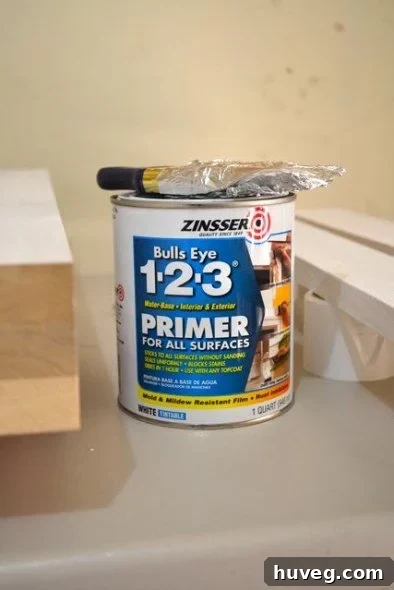
Mastering Furniture Priming: Your Essential Guide to Flawless Finishes
Embarking on a furniture painting project can be incredibly rewarding, transforming old pieces into fresh, stylish additions to your home. However, the often-overlooked step of priming can sometimes feel like a puzzle. What type of primer is best for your project? How does it differ from a regular coat of paint? And why is it so vital for a durable, professional-looking finish? While the world of DIY can be complex, mastering the art of priming is an achievable goal that will significantly elevate your painting results.
Having navigated countless furniture transformations over the years, from small apartment projects to more ambitious home makeovers, I’ve gathered invaluable insights into the priming process. These aren’t just theoretical tips; they’re practical lessons learned from hands-on experience, designed to demystify priming and help you achieve a stunning, long-lasting finish on any piece of furniture. Let’s dive into the core principles that will guide you to priming success.
1. The Non-Negotiable Step: Why Primer is (Almost Always) Essential
When approaching most furniture painting projects, consider primer your indispensable ally. While some might be tempted to skip this step to save time, doing so often jeopardizes the longevity and quality of your final paint job. So, when exactly is primer a must-have?
- Painting Glossy or Non-Porous Surfaces: Furniture with a slick, shiny finish, such as laminate, melamine, or previously varnished wood, presents a challenge for paint adhesion. These surfaces lack the microscopic texture that paint needs to grip onto. Primer creates a bonding layer, offering a “tooth” for the topcoat to adhere to, preventing chipping and peeling.
- Dramatic Color Changes: Moving from a very dark color to a very light one (or vice versa) demands primer. A good primer, especially a tinted one, helps block out the old color, reducing the number of paint coats needed and ensuring the true hue of your new paint shines through. This saves both time and money on expensive topcoats.
- Painting Bare Wood or MDF: Unfinished wood or medium-density fiberboard (MDF) is porous and absorbs paint unevenly. Primer seals the surface, ensuring a uniform application of paint and preventing the wood grain or knots from “bleeding” through the topcoat, which can cause discoloration. It also smooths the surface for a professional look.
- Covering Stains or Odors: Primer acts as a barrier, effectively sealing in water stains, smoke damage, or stubborn odors that might otherwise resurface through your fresh paint. Specialized stain-blocking primers are particularly effective for these challenging situations.
While paint-and-primer in one products exist and can be convenient for certain applications like painting walls with minor color changes, they often fall short on high-traffic furniture pieces or challenging surfaces. For optimal results and maximum durability on furniture, a dedicated primer almost always yields superior adhesion and a more professional finish, ensuring your hard work lasts for years.
2. The Dynamic Duo: Sanding and Priming for Superior Adhesion
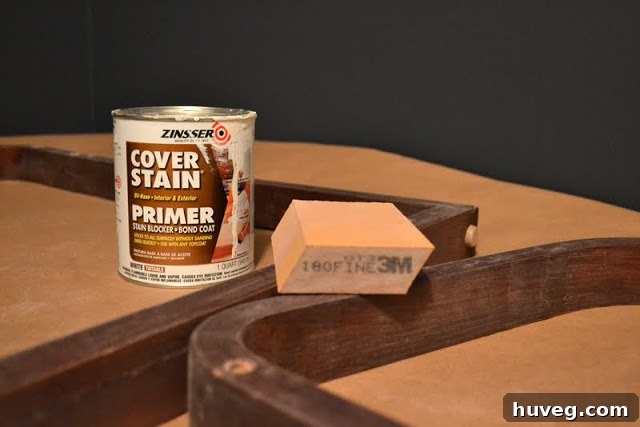
Think of sanding not as an optional step, but as the essential partner to priming. These two processes work synergistically to prepare your furniture surface, ensuring maximum adhesion and a flawlessly smooth finish. Neglecting sanding can undermine even the best primer’s performance.
Initial Surface Preparation: Why Sanding First Matters
Before applying any primer, a thorough initial sanding is crucial. This step accomplishes several vital tasks:
- Creating a “Tooth”: Glossy or smooth surfaces prevent paint from adhering properly. Sanding creates microscopic scratches, providing a rougher surface for the primer to grip onto. This mechanical bond is fundamental for preventing future chipping and peeling.
- Removing Imperfections: Light sanding helps to remove minor blemishes, old drips, or inconsistencies from the original finish, creating a level base for your primer and subsequent paint layers.
- Opening the Pores of Wood: For bare wood, light sanding opens up the wood grain, allowing the primer to penetrate and seal the surface more effectively.
For most furniture projects, start with a medium-grit sandpaper (100-150 grit) to scuff the surface thoroughly, then follow up with a finer grit (180-220 grit) for a smoother finish. Always clean the surface thoroughly after sanding to remove all dust and debris before priming.
Sanding Between Primer Coats: Refining Your Surface
The benefits of sanding don’t stop before priming. Lightly sanding between primer coats, and even between paint coats, is a professional technique that drastically improves the final result. While it might seem counterintuitive to sand a freshly applied coat, this step helps to:
- Smooth Out Brush Strokes or Roller Marks: Primers, especially oil-based varieties, can dry quickly and sometimes leave behind visible brush strokes. A gentle sanding with fine-grit sandpaper (220-320 grit) effectively smooths these out, creating an ultra-smooth canvas for your paint.
- Enhance Adhesion for the Next Layer: Just as initial sanding helps primer stick, sanding between coats provides a better surface for the subsequent layer of primer or paint to adhere to, strengthening the overall finish.
- Correct Minor Imperfections: Small dust particles or minor drips that may have occurred during the previous coat can be easily removed with light sanding, ensuring each layer builds upon a perfect base.
The rule of thumb is to sand lightly, just enough to dull the surface and eliminate imperfections, without removing too much of the primer or paint. Always wipe away sanding dust before applying the next coat. This diligent approach to sanding ensures your primer performs at its best, setting the stage for a truly impeccable painted finish.
3. Choosing the Right Primer: Not All Formulas Are Created Equal
Just as there are different types of paint for various applications, primers also come in diverse formulations, each designed for specific purposes and surfaces. Understanding these differences is key to selecting the best primer for your furniture project and achieving optimal results.
Paint-and-Primer Combos: Convenience vs. Performance
Many modern paints boast “self-priming” or “paint-and-primer in one” formulas. These can be excellent for certain tasks, particularly painting walls with minor color changes or for refreshing previously painted surfaces that are in good condition. For instance, when transitioning between two similar colors on a wall, a duo formula can offer sufficient coverage. However, for challenging furniture surfaces like glossy finishes, bare wood, or areas prone to water stains, a dedicated primer usually provides superior adhesion, stain blocking, and durability. Relying solely on a combo product for demanding projects might lead to compromised results and a less robust finish over time.
Oil-Based Primers: The Powerhouse for Tough Jobs
Oil-based primers are renowned for their exceptional adhesion and stain-blocking capabilities. They are particularly effective for:
- Glossy and Non-Porous Surfaces: Their strong bonding properties allow them to grip exceptionally well to slick, shiny surfaces where water-based primers might struggle.
- Blocking Stains: Oil-based primers excel at sealing in water stains, smoke damage, marker, and even wood tannins (bleed-through from certain wood species), preventing them from showing through your topcoat.
- High-Moisture Environments: They offer excellent resistance to moisture once cured, making them suitable for furniture in bathrooms or kitchens, provided they are properly top-coated.
However, oil-based primers typically have a stronger odor due to higher Volatile Organic Compound (VOC) content and require mineral spirits for cleanup. Always ensure excellent ventilation when using them. Brands like Zinsser Cover Stain are popular choices for their robust performance.
Water-Based (Latex) Primers: Versatility and Ease of Use
Water-based primers are a more common and user-friendly option, ideal for a wide range of interior and exterior projects. Their advantages include:
- Low VOC and Odor: They are generally safer to use indoors with less ventilation required and offer easy water cleanup.
- Versatility: Excellent for bare wood (excluding very resinous woods), drywall, plaster, and previously painted surfaces. They are a great choice for priming molding, trim, and general furniture pieces.
- Flexibility: They tend to be more flexible than oil-based primers, which can be beneficial for surfaces that might experience slight movement.
While great for many applications, they may not offer the same level of stain blocking or adhesion on extremely glossy surfaces as their oil-based counterparts. Bull’s Eye 1-2-3 is a widely recognized and effective water-based primer.
Tinted Primers: A Smart Strategy for Color
Consider using tinted primer, especially when making a significant color change. A primer tinted close to your final paint color offers several benefits:
- Enhanced Color Accuracy: It provides a base that allows your topcoat color to appear richer and truer, preventing the previous color from influencing the new shade.
- Reduced Paint Coats: By establishing a color foundation, tinted primer often allows you to achieve full coverage with fewer coats of your more expensive finish paint, saving you time and money.
- Improved Hiding Power: It helps camouflage imperfections and provides better overall hiding power, particularly useful when painting lighter colors over dark ones.
Ultimately, selecting the right primer involves assessing your specific surface, the type of paint you’ll be using, and any particular challenges (like stains or gloss). Investing a little time in this decision will pay dividends in the quality and durability of your finished furniture piece.
4. The Convenience Factor: Harnessing the Power of Spray Primers
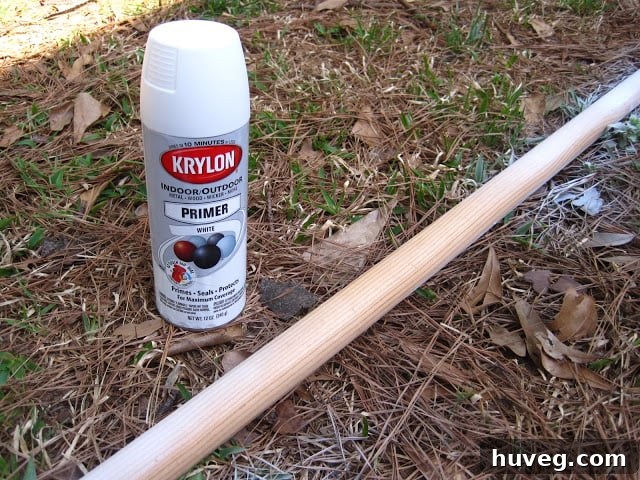
For smaller projects or intricate furniture pieces, spray primers offer a level of convenience and a smooth finish that traditional brush-on primers can sometimes struggle to match. Their ease of application makes them a fantastic tool in any DIY enthusiast’s arsenal.
When to Opt for Spray Primer
Spray primers are particularly advantageous in several scenarios:
- Small Furniture Items: For items like picture frames, small decorative objects, or chair spindles, spray primer provides quick, even coverage without the need for brushes or rollers, minimizing cleanup.
- Intricate Details and Hard-to-Reach Areas: The fine mist of spray primer can easily reach into nooks, crannies, and detailed carvings that would be cumbersome and time-consuming to prime with a brush. This ensures complete coverage, even on complex designs.
- Achieving a Smoother Finish: Spray application often results in a factory-smooth finish, free from brush strokes or roller textures. This is especially beneficial if you’re aiming for a high-gloss or very smooth topcoat.
- Quick Drying Times: Many spray primers dry much faster than their brush-on counterparts, allowing you to move through your project more quickly, especially when applying multiple thin coats.
Specialized Primers for Tricky Surfaces: The Plastic Exception
While generally excellent, there’s a crucial exception to the primer rule, especially concerning spray products: plastic. Standard primers often struggle to adhere to slick plastic surfaces, leading to bubbling, cracking, or peeling. This is where specialized formulas come into play.
Products like Krylon Fusion for Plastic are specifically engineered to bond directly with plastic without the need for a separate primer. These paints contain additives that create a strong chemical bond with the plastic, ensuring a durable and flexible finish. When working with plastic furniture or decorative elements, using a product designed for direct-to-plastic application is highly recommended. Always ensure the plastic surface is thoroughly cleaned and dry before application for optimal results.
It’s worth noting that not all “plastic” paints are created equal. Some brands may not perform as consistently across different temperature ranges or plastic types, potentially leading to issues like bubbling. Researching and choosing a reputable brand known for its plastic adhesion properties, especially if you paint in varying climates (like hot Georgia summers), can save you significant frustration and rework.
5. Understanding Streaking: Primer’s Purpose vs. Paint’s Coverage
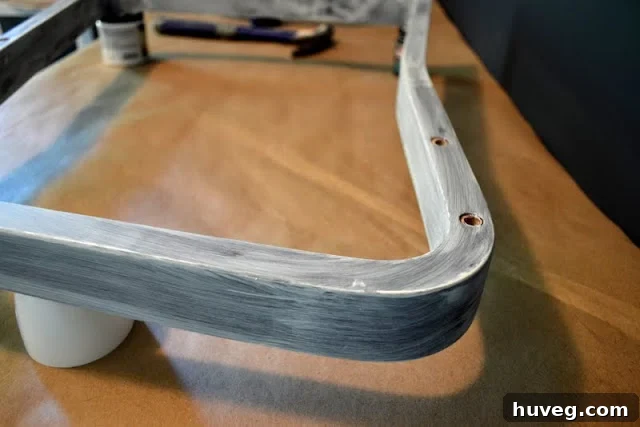
One common concern for beginners when applying primer is seeing streaks or blotches after the first coat. Rest assured, this is perfectly normal and a fundamental distinction between primer and finish paint. The primary goal of primer is not complete, opaque coverage like your final paint coat, but rather to create an adherent, sealed, and uniform surface for the topcoat.
Why Streaking in Primer is Acceptable
Primer serves several critical functions that don’t necessarily require perfect opacity:
- Promoting Adhesion: The most important job of primer is to bond firmly with the substrate and provide a surface that your paint can then bond to. This mechanical and chemical bond happens even if the primer isn’t perfectly opaque.
- Sealing the Surface: Primer seals porous surfaces, preventing the topcoat from being absorbed unevenly and ensuring a consistent finish. A thin, streaky coat can still effectively seal the surface.
- Blocking Stains (for specific primers): While some primers are designed for heavy stain blocking, a good primer will still provide a foundational barrier even if some underlying color peeks through initially. Multiple thin coats of primer are often more effective for severe stains than one thick, opaque coat.
- Creating a Uniform Base: Primer ensures a consistent surface texture and absorption rate across the entire piece, leading to a smoother, more even final paint application.
The Importance of Thin, Even Coats
While streaking is fine, applying primer in thin, even coats is paramount. Avoid the temptation to apply a thick, heavy coat in an attempt to achieve full coverage immediately. Thick coats are prone to:
- Dripping and Sagging: Excess primer can drip, creating unsightly runs that are difficult to sand smooth once dry.
- Uneven Drying: Thick layers take longer to dry and can dry unevenly, leading to inconsistencies in the surface.
- Cracking or Peeling: Overly thick coats are more susceptible to cracking or peeling over time, compromising the durability of your entire finish.
- Lost Detail: On furniture with intricate carvings or details, thick primer can obscure these features.
Aim for a smooth, consistent application, ensuring there are no “globs” or thick spots. If a section looks a bit thin or streaky, resist the urge to overwork it. It’s almost always better to apply two thin coats of primer, allowing adequate drying time between each, than one thick coat. This approach ensures maximum adhesion, a smooth foundation, and ultimately, a superior final paint finish.
Achieving Furniture Finishing Excellence
Mastering the art of furniture priming is a foundational skill for any DIY enthusiast or home decorator. By understanding these five essential tips – recognizing the vital role of primer, embracing sanding as its indispensable partner, selecting the correct primer for your surface, leveraging the convenience of spray formulations, and understanding the nuances of primer coverage – you’re well on your way to achieving professional-quality results.
Priming is not merely an extra step; it’s an investment in the longevity, beauty, and durability of your painted furniture. It ensures optimal adhesion, consistent color, and a smooth, flawless finish that will withstand the test of time and everyday use. With these guidelines, you can approach your next furniture transformation with confidence, knowing you have the knowledge to create truly stunning pieces.
Do you have any personal priming tips or favorite products that have made a difference in your projects? We’d love to hear your insights! Feel free to share your experiences and advice in the comments section below, helping to build a collective resource for flawless furniture finishing.