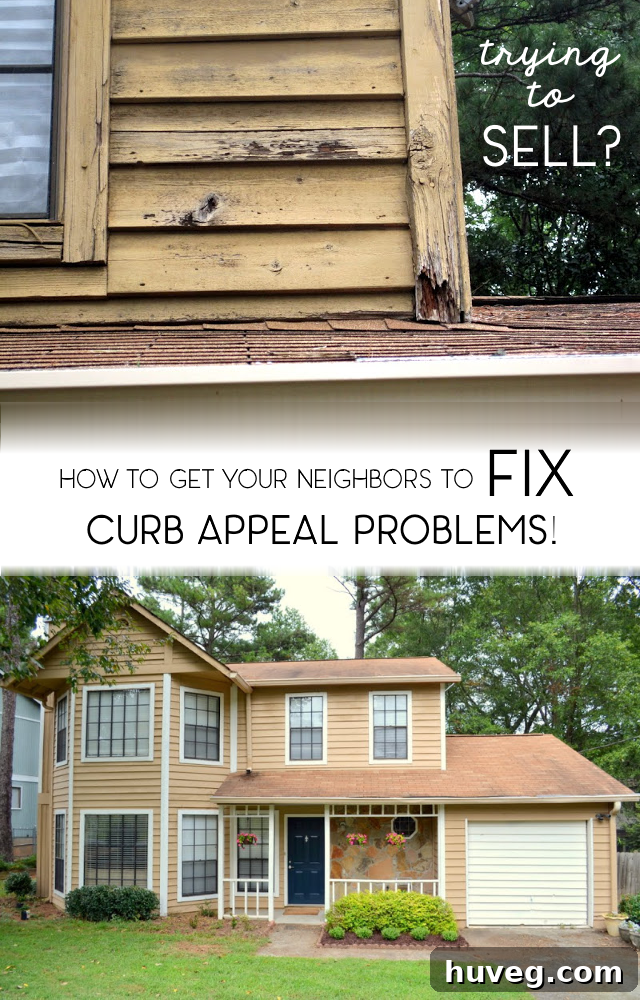
Inspiring Neighbors to Enhance Curb Appeal

In the journey of homeownership, especially when navigating it largely on your own, the invaluable support of a friendly and helpful neighbor often proves indispensable. Over the years, I’ve discovered a diverse array of neighborly assistance: from the one who readily lends tools, to the expert who patiently reminds me when to fertilize my garden beds (a task I’m utterly clueless about), to those who share similar home layouts or have faced identical challenges due to our houses being built around the same era by the same company. In return, I often find myself being the go-to house for an extra beer or common household refills, like string trimmer line, fostering a reciprocal bond that enriches daily life.
My foundational understanding of neighborly conduct was largely shaped by observing my parents. Having grown up in small towns, they deeply appreciated the essence of being “neighborly.” Even without the formal structure of a Homeowners Association (HOA) or a designated subdivision organization, it was commonplace for neighbors to drop by our house whenever they needed something. I’m grateful that upon moving into my current home, I proactively invested time in getting to know a few of my neighbors. The arrival of my dog, Charlie, made this even easier—everyone, it seems, is susceptible to puppy kisses! Even with neighbors I haven’t formally met, I make a point to wave, smile, and engage kindly with their children (within reason, of course; a soccer ball in my yard is fine, but one kicked into my SUV is decidedly not). Yet, despite these efforts, navigating larger issues like neglected curb appeal can be challenging. Trees can encroach on fence lines, and yards can fall into disrepair. And let’s be honest, I’ve certainly been the neighbor with something a bit unusual in my yard on more than one occasion, so I understand it’s rarely a one-sided problem.
Recently, driven by curiosity, I searched online for advice on managing these neighborly challenges. The top autofill suggestions I encountered were quite revealing, and frankly, a little alarming:
- How to get away with a murderer (a title not quite right for that show, thankfully irrelevant)
- How to get neighbors wifi password (a clear breach of trust)
- How to get neighbors cable
- How to get neighbors evicted
- How to get neighbors car towed
- How to get neighbors dogs to stop barking
- How to get neighbors to fix fence
- How to get neighbors to cut grass, cut trees, etc.
Yikes. This list paints a grim picture of neighborly intent. When I finally sifted through these results to find actual articles addressing my query, most of them offered only a fleeting mention of being a decent neighbor. The bulk of the advice, such as this one, struck me as overwhelmingly passive-aggressive:
- Dropping off a “friendly” note (perhaps accompanied by a gift)
- Notifying the HOA (which I don’t have, but friends with HOAs report these entities are often quite aggressive with their “friendly” notes)
- Calling the city to enforce housing codes

Honestly, I vehemently disagree with these methods as a primary or even secondary course of action. It’s genuinely disappointing that these passive-aggressive tactics frequently appear among the top suggestions. While I understand that sometimes there truly is no other way to resolve an issue, I can’t help but wonder if these search results are skewed by individuals who have never even bothered to speak to their neighbors. A compelling survey reported that 75% of respondents made no direct contact with a neighbor over an issue. This avoidance highlights a broader discomfort with confrontation, a skill many people feel they lack or find deeply uncomfortable. However, avoidance and passive-aggressive communication are notoriously ineffective strategies for handling other disagreeable situations, such as ending a relationship or addressing a coworker’s pungent lunch habits. Why, then, do people suddenly believe these approaches are ideal when dealing with neighbors?
Your neighbors are not merely occupants of adjacent properties; they can be your greatest allies, forming the backbone of a strong, secure community. They can deter solicitors, watch over your pets when you’re away, and quickly alert authorities if they suspect a break-in. In my experience, a good neighbor might even literally break into your house for you if you’re locked out, help dig your car out of a snowbank, or offer invaluable lawn care advice. Having shared my own frustrations and observations, let’s now explore a more constructive path. The following strategies have consistently served me well in establishing long-term, mutually beneficial relationships with neighbors, making our entire neighborhood a more pleasant place to live, and subtly encouraging others to care for their homes with the same dedication I apply to mine.
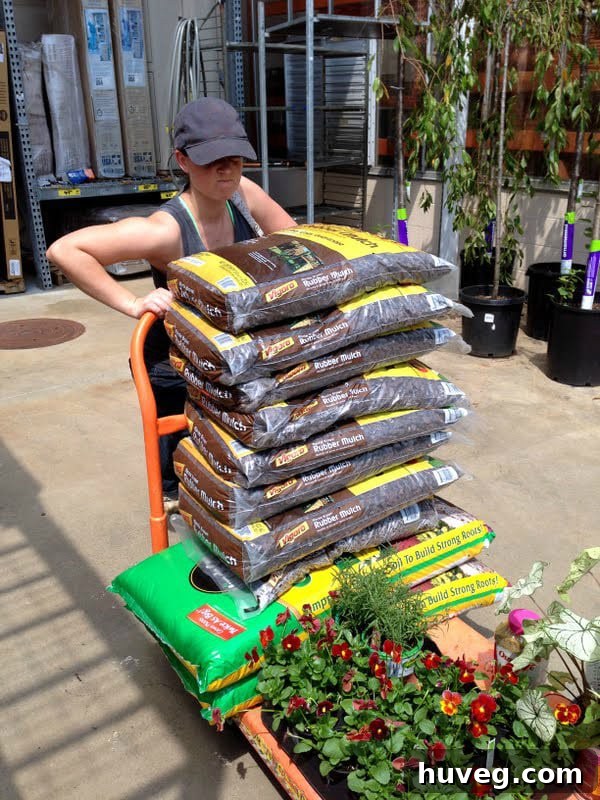
Cultivating Harmony: Effective Strategies to Encourage Neighbors to Improve Curb Appeal
Achieving a beautiful, well-maintained neighborhood often requires more than just focusing on your own property. When a neighbor’s yard or home detracts from the overall aesthetic, it can be a source of frustration. However, direct confrontation is rarely the best first step. Here are practical, empathetic, and highly effective strategies for gently encouraging your neighbors to address curb appeal issues, fostering a more beautiful and harmonious community for everyone.
1. Realize Whose Problem It Really Is
Understanding Your Perspective and Their Reality
Let’s be candid: the fact that you perceive your neighbor’s house as an eyesore is, fundamentally, *your* problem. You are the one bothered by it, and therefore, it falls to you to seek a resolution. This perspective shift is crucial. Instead of viewing it as a transgression against you, frame it as a challenge for which you can proactively seek a solution. Begin by having a simple, friendly conversation. Ask them how they are doing, genuinely showing interest in their well-being. You might uncover legitimate reasons for the neglect: a recent illness, a demanding new job, personal struggles, or perhaps they’re caring for an elderly parent. They might not have even noticed that a piece of siding fell off during the last storm, and you could be the first person to bring it to their attention in a non-judgmental way. Approaching the situation with empathy rather than accusation can completely change the dynamic, opening the door for understanding and cooperation.
2. Make Friends, Not Just Acquaintances
Building Bridges for Better Communication
Forging genuine connections with your neighbors—or at the very least, establishing a friendly rapport where they acknowledge you with a smile and a wave, or let you pet their new puppy—significantly impacts your daily happiness. Strong neighborly bonds contribute to a sense of community, safety, and mutual respect. This extends to being friendly with neighborhood children, even if they occasionally trample your newly planted flowerbeds (perhaps because that area was previously neglected). Build these relationships simply because it enriches your life. When the time comes to address a property issue, having a foundation of friendship makes it infinitely easier to communicate the concern kindly and constructively. Casual mentions of home improvement tips become natural when you’re already sharing stories about your own recent projects. For instance, you could say, “Did you know that red or yellow flowers are often recommended when you’re trying to sell a house for maximum curb appeal?” Always remember the power of “please” and “thank you” in fostering goodwill.
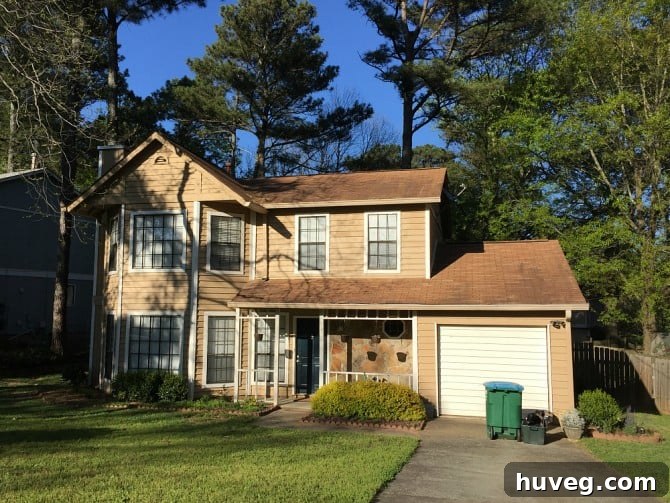
3. Be The Example: Practice Proactive Consideration
Your Actions Speak Louder Than Words
Cultivating a positive neighborhood environment begins with your own actions. Strive to be an exemplary neighbor. This means promptly moving your trash bins to and from the curb, using sturdy trash bags to prevent loose debris from scattering into a neighbor’s yard or attracting pests, and ensuring your dog is brought inside if her barking becomes excessive. Simply put: aim to be a better neighbor every day. Even if your intentions are good, your behavior can sometimes be misinterpreted as inconsiderate. Just as negative behavior can fester and create larger problems, remember that fostering a neighborhood with better neighbors starts with you. No one is perfect, but continuous effort to be considerate goes a long way. Your thoughtfulness can set a positive precedent, inspiring others to follow suit and creating a more pleasant living space for everyone.
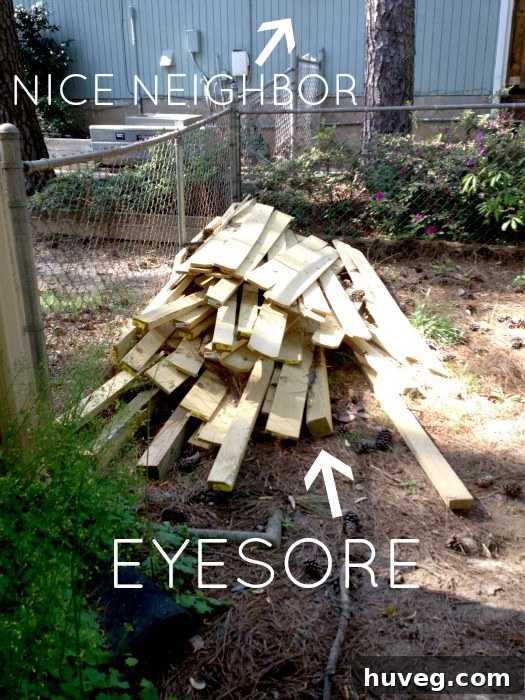
4. Offer to Help: A Hand Extended is a Bridge Built
Practical Support and Empathy
As mentioned earlier, there might be genuine, understandable reasons why your neighbor’s property maintenance isn’t their top priority. Factors like illness, age, travel commitments, changes in job status, or family circumstances can all prevent a neighbor from even noticing or being able to address issues that need attention. If you’ve already invested in getting to know them as individuals, offering practical help can be incredibly impactful. It signals that you care and are truly looking out for them. It won’t hurt you to hammer in an extra nail on their broken fence picket if you’re already repairing your own. Lending a tool or dedicating a few hours of your time to a small project can resolve an issue much faster, creating a win-win situation. This act of kindness can transform a potentially awkward situation into an opportunity for strengthening your neighborly bond, demonstrating genuine community spirit without any expectation of immediate reciprocation.
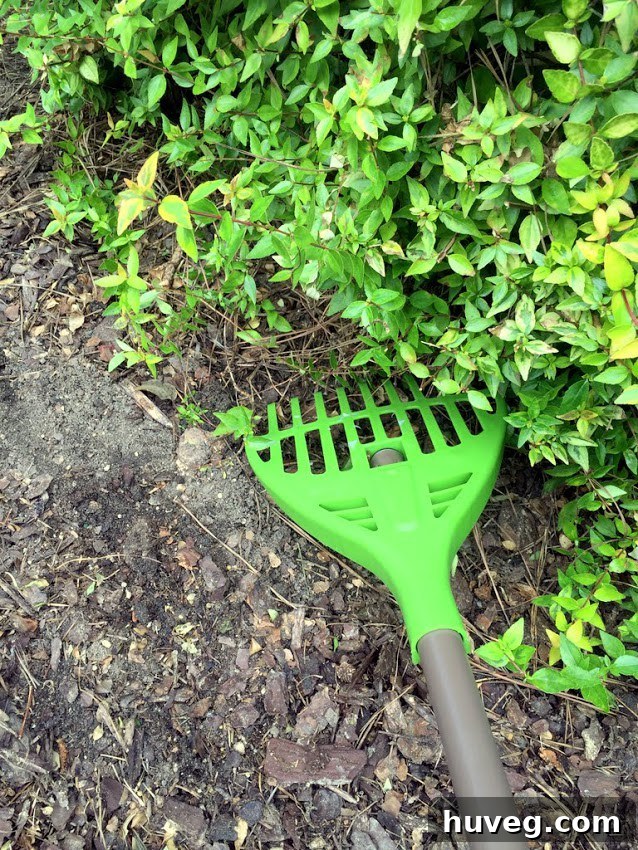
5. Fix Up Your Own House: The Contagious Power of Curb Appeal
Leading by Example for Community Improvement
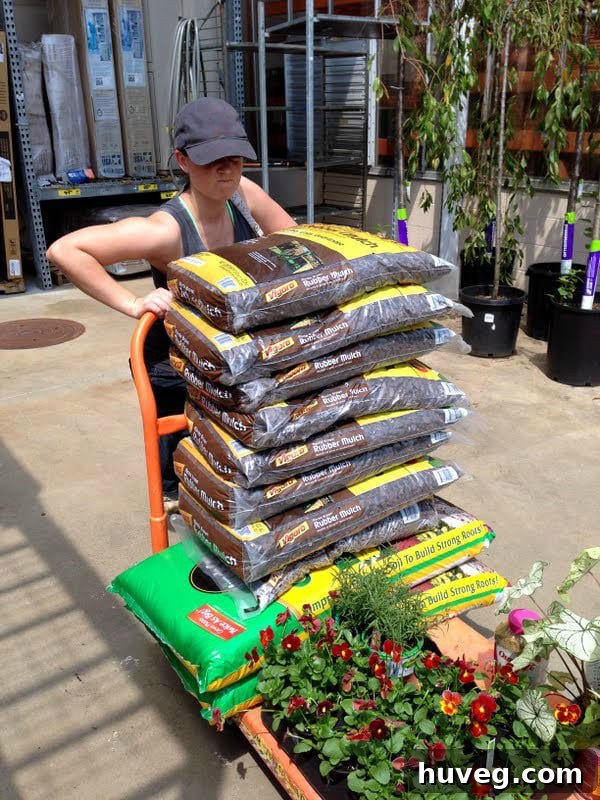
This is, arguably, my most treasured piece of advice: “Curb appeal is contagious.” A contractor once shared this wisdom with me, and I’ve found it to be profoundly true. While it might take a little more time than passively slipping a note into your neighbor’s mailbox, this approach consistently yields remarkable results. Moreover, there’s absolutely no risk of backlash or appearing aggressive. Save those sweet treats and flowers for truly selfless gestures, not as veiled attempts at manipulation. By focusing diligently on improving your own home’s exterior and addressing its curb appeal challenges, you set a powerful example. Everyone has areas for improvement, and by proactively tackling yours, you demonstrate pride in your property and an investment in the neighborhood’s overall aesthetic. This positive action can inspire your neighbors through a combination of pride, healthy competition, or even subtle guilt, prompting them to address their own property’s needs. After all, few people truly desire to have the most neglected-looking home on the block. The more effort you pour into your own yard and home, the more you’ll notice other neighbors grabbing a rake, trimming bushes, or planting flowers. It’s akin to starting “the wave” at a stadium: it might not catch on everywhere at once, but it grows and eventually cycles back, reinforcing the positive momentum. This proactive approach also buys you goodwill; if you’re taking your time on a repair that might be bothering them, they’re more likely to cut you some slack, thinking, “At least he/she is working on it.” I speak from experience, having meticulously improved my home bit by bit over many years!
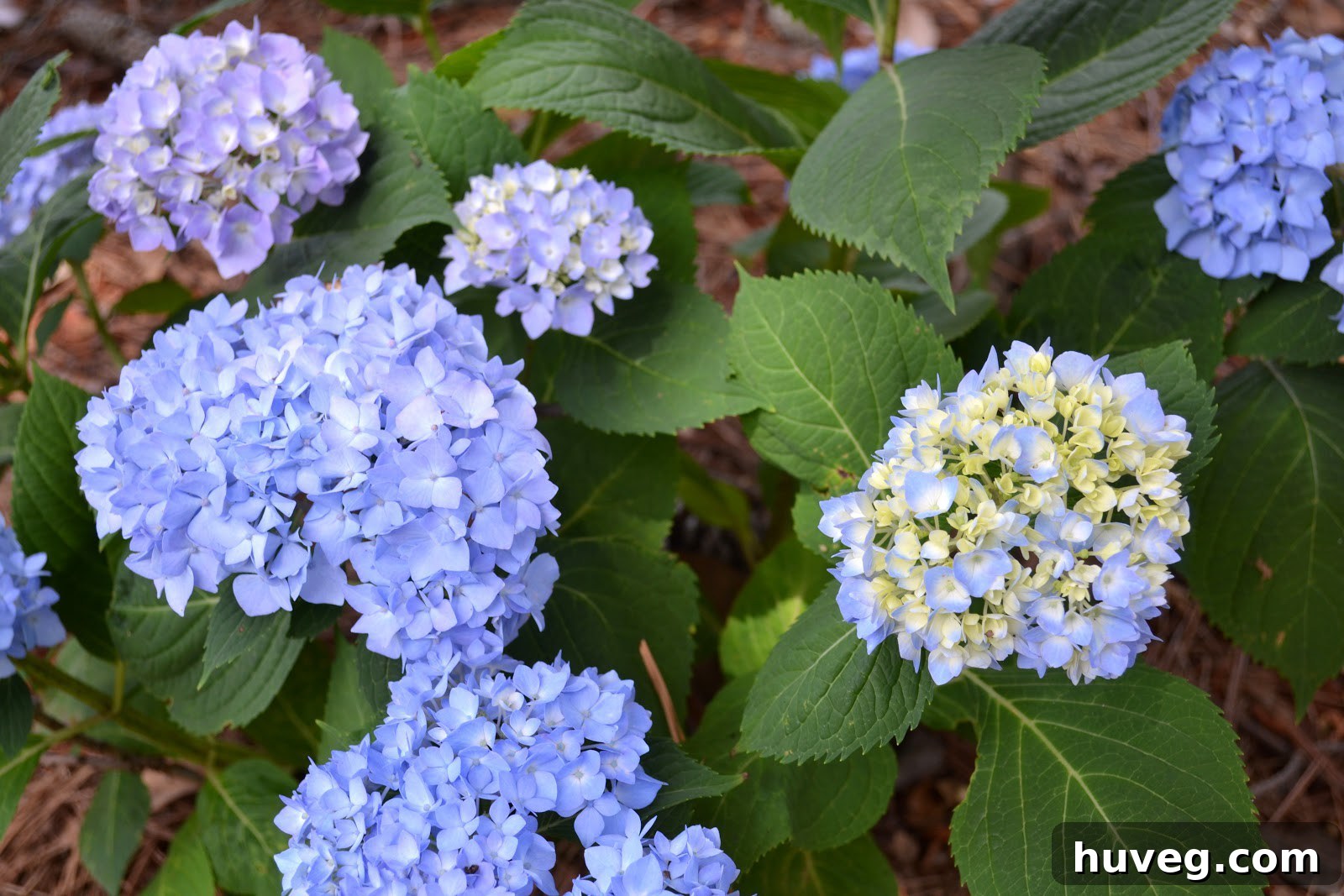
An added benefit of working on your own property is the increased likelihood of striking up genuine, face-to-face conversations with your neighbors. These organic interactions can naturally lead to resolving all the other issues mentioned above, even enabling you to make a more direct, yet still friendly, request about that overgrown tree uprooting your fence line. It’s about creating opportunities for dialogue and mutual understanding, transforming potential conflicts into collaborative improvements.
6. Strategic Visual Improvements: Enhancing Your Space While Awaiting Change
Creative Solutions for Immediate Impact
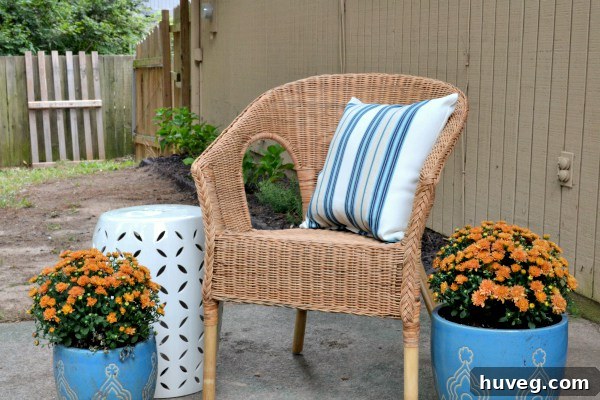
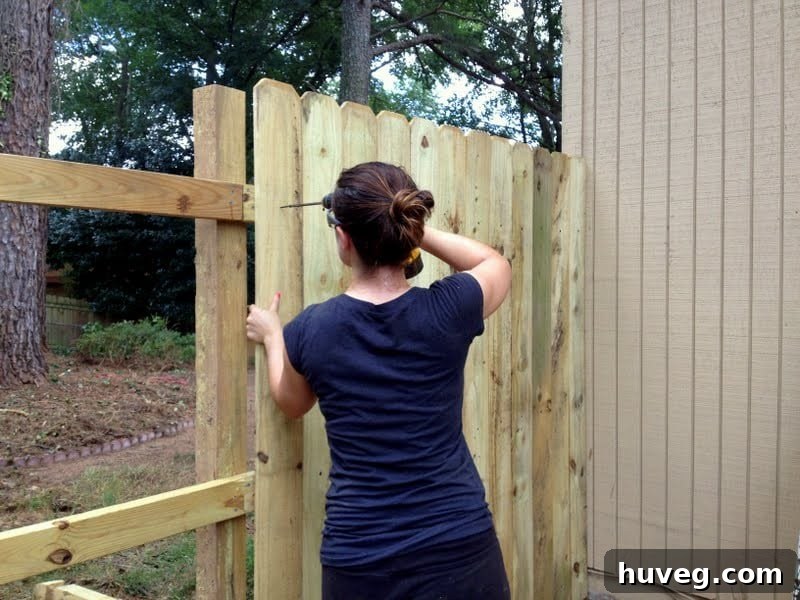
If a particularly bothersome feature on a neighbor’s property cannot be immediately resolved, or if your neighbor genuinely intends to fix something but can’t get to it soon enough, there are simple, strategic alternatives you can implement on your own property to create visual appeal. These solutions can help conceal or distract from less-than-ideal features while you patiently await a more permanent resolution. For instance, consider adding a fence. However, if your goal is to maintain or even improve your relationship with your neighbor, ensure it’s a visually appealing fence, not a “spite fence” designed to antagonize. A well-designed fence can provide privacy and aesthetic appeal without conveying hostility.
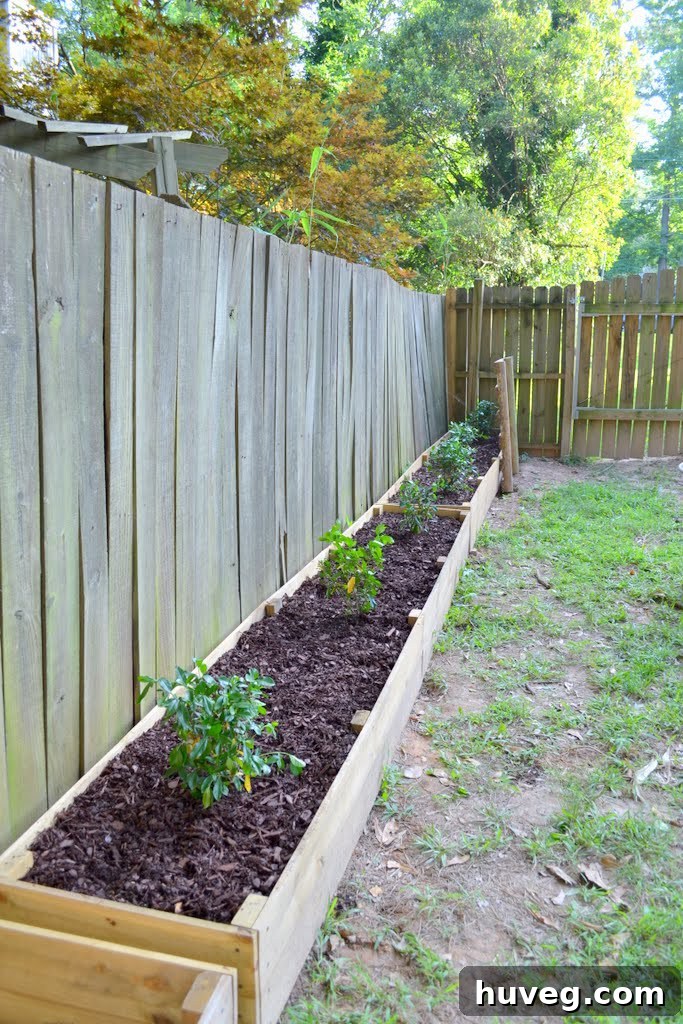
Similarly, incorporating raised garden beds can dramatically spruce up your home’s exterior and effectively hide unsightly areas. These elevated planters offer a beautiful, manageable way to add greenery, color, and structure to your yard, drawing the eye to positive features rather than lingering on a neighbor’s unkempt corner. These proactive visual enhancements demonstrate your commitment to a beautiful living space and can subtly inspire similar efforts around you.
When All Else Fails: Considering Formal Intervention
The Last Resort for Persistent Issues
If, despite your best efforts—friendly conversations, empathetic offers of help, and leading by example—you and your neighbor simply cannot reach an agreement, and the situation becomes genuinely miserable, then those more formal alternative solutions remain as a last resort. In some severe cases, the city’s code enforcement or even the neighbor’s homeowners insurance might intervene, typically only if the issue poses a public safety hazard or a significant structural risk. However, it’s crucial to understand that these avenues should only be pursued after exhausting all friendly, direct, and empathetic approaches. The primary goal should always be to resolve issues like neighbors, preserving community harmony whenever possible. You truly have very little to lose by trying the friendly route first. A positive relationship might mean they’ll be the one to dig you out of a snowbank next winter, proving the enduring value of good neighborly bonds.
Share Your Stories and Learnings!
What experiences have you had in resolving issues with your neighbors? We can all benefit immensely from sharing these stories and lessons learned. Please feel free to contribute your insights and strategies!