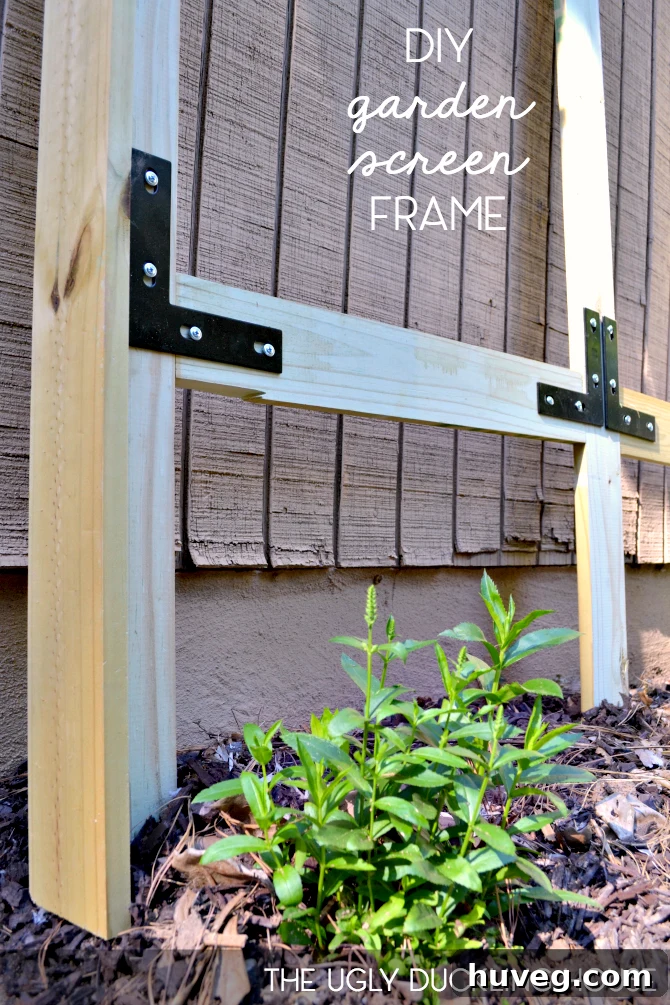
Hidden Outdoor Trash Can Project Get Started

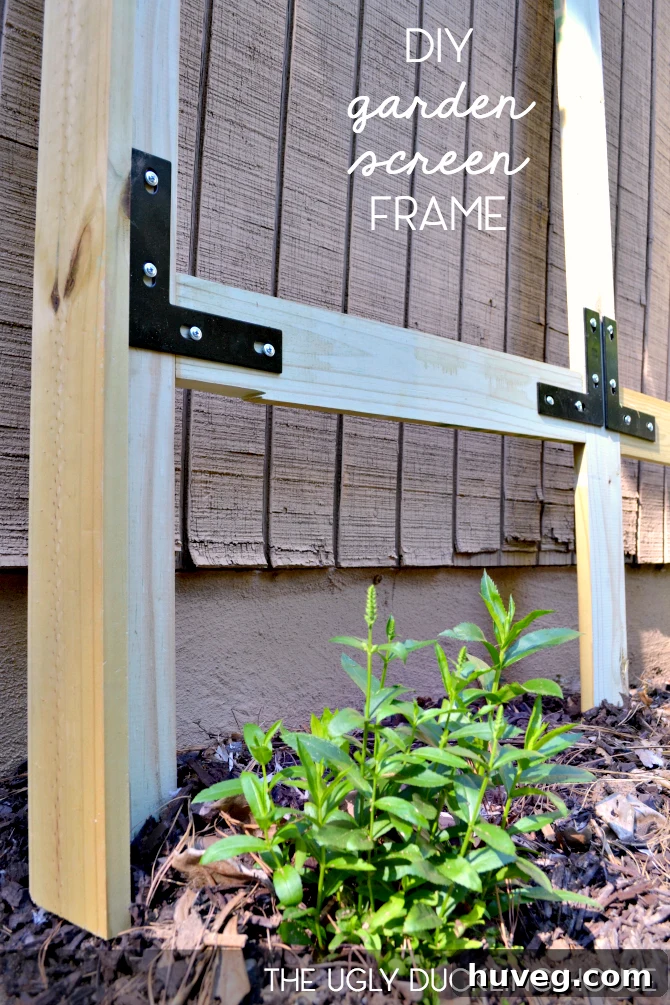
Special thanks to National Hardware for sponsoring and providing materials for this transformative outdoor project! All opinions expressed are 100% my own.
What a week it has been! My back is definitely feeling the intense labor, but the satisfaction of progress on a highly anticipated project makes every ache worth it. I’m thrilled to finally share the initial phase of what I’ve been working on:
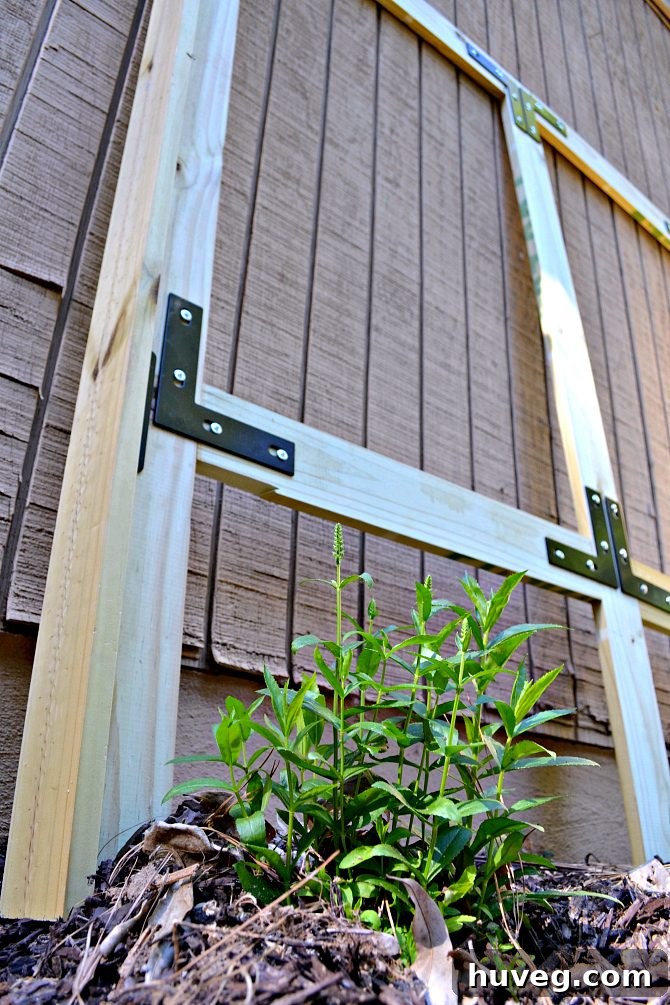
You’re looking at the robust framework for what will soon become a crucial aesthetic and functional addition to my home’s exterior. This wooden screen is destined for a specific spot near the garage, along the side of the house. Its primary mission? To cleverly conceal that unsightly outdoor trash can, a persistent outdoor eyesore that has long bothered my curb appeal sensibilities. However, before this beautifully crafted screen can take its rightful place, there’s a significant amount of groundwork—literally and figuratively—that needs to be completed over the coming month.
This project is more than just building a screen; it’s a multi-step journey involving various DIY skills, some of which I’m tackling for the very first time. Here’s a comprehensive breakdown of the stages involved:
- Strategic Site Selection: Pinpointing the ideal flat surface near the garage to house both the outdoor trash bin and recycling bins. (Already accomplished, after careful consideration of accessibility and visibility!)
- Ground Preparation: Meticulously digging down into the chosen spot and thoroughly compacting the soil to create a stable foundation. (Well underway, with significant progress made!)
- Gravel Base Installation: Laying down a layer of crushed gravel, followed by vigorous compaction to ensure proper drainage and a solid sub-base for the concrete.
- Concrete Slab Creation: Constructing a precise formwork for a concrete slab and subsequently pouring the concrete, a new skill I’m eager to master.
- Custom Wood Screen Assembly: Building the decorative wood screen itself, which is where the elegant hardware and the detailed insights from this post become incredibly important. (The main frame is largely complete, as you’ve seen!)
- Screen Installation: Carefully burying and securing the wooden screen adjacent to the newly installed concrete slab or pavers, ensuring it’s perfectly aligned and stable.
- Wood Treatment: Applying a protective stain to the wood. This critical step will occur after the pressure-treated lumber has had several weeks to adjust to the outdoor elements, allowing it to properly absorb the stain for maximum durability and aesthetic appeal.
- Final Landscaping Touches: Enhancing the surrounding area with new plants and landscaping features to seamlessly integrate the screen into the garden, making it look intentional and inviting rather than just a utility area.
For those who haven’t been following my adventures this summer (and if you’d like to catch up, you can click here), the overarching issue I’m determined to resolve with this project is the lack of a proper home for the county-issued trash bin. This very noticeable receptacle currently spends far too much time sitting conspicuously in my driveway. After years of dedicated effort poured into improving my home’s exterior, turning the corner onto my street only to be greeted by a bulky trash can instantly diminishes all that hard-earned curb appeal. It’s a small detail, but one that significantly detracts from the overall beauty of the house. Meh, indeed!
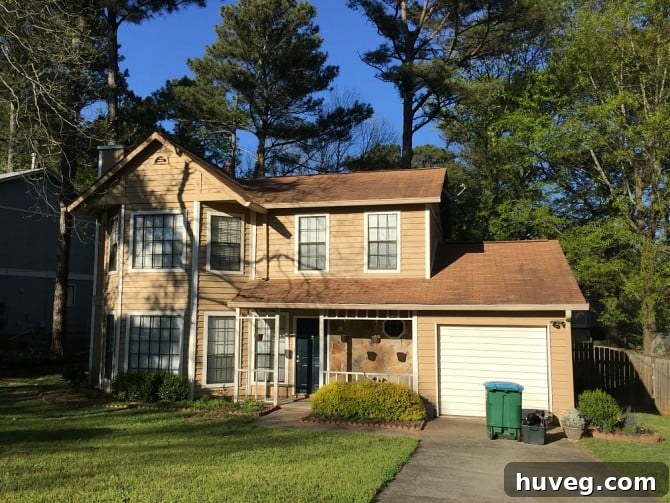
I genuinely loathe the sight of the trash bin lingering in the driveway and was determined to find a discreet yet convenient location to keep it out of sight. However, I know my habits well. If the solution involved lugging it to the far side of the house or wrestling it behind the backyard fence, laziness would inevitably set in. I’d find myself resorting to the driveway “just this once,” which would quickly spiral into forgetting about it entirely, leaving it there until the next collection day. As we’ve learned from the entryway closet makeover I shared earlier this week, the true value of any home improvement project lies in its ability to seamlessly integrate into daily routines. If it’s not practical, it won’t stay tidy or functional. Therefore, finding a pragmatic option was paramount. The garden area on the side of the house, specifically the right side in the image above, presented itself as the perfect candidate.
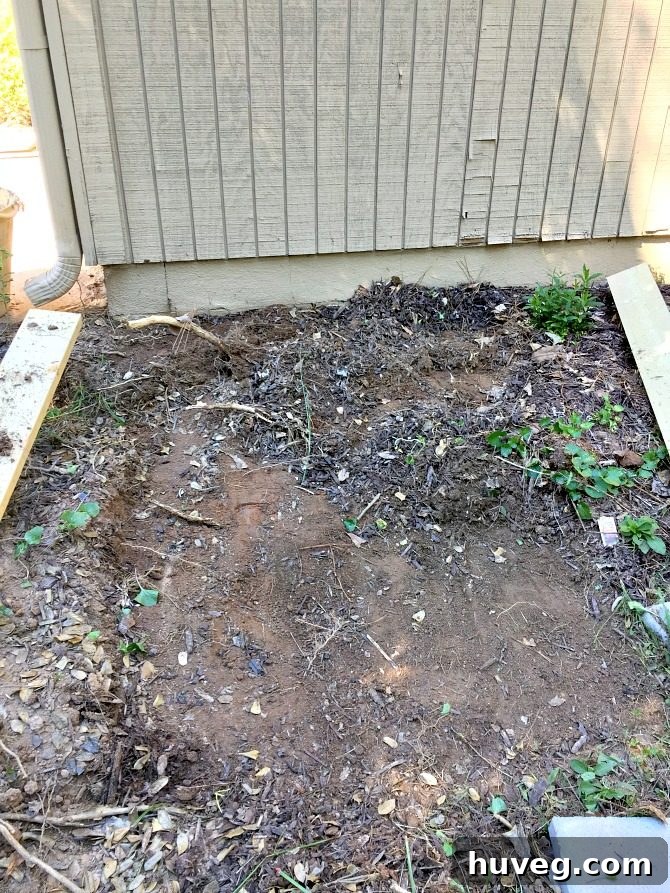
I meticulously selected a spot approximately six inches back from the corner of the house and began mapping out the precise dimensions for the new area. The entire footprint will measure approximately three feet by five feet, providing ample space for the trash and recycling bins. This project also offers an exciting opportunity to learn a new and valuable DIY skill: how to — and hopefully properly — pour a concrete slab. This hands-on experience will be invaluable for future, larger undertakings around the house.
Why a Concrete Slab for the Trash Bin?
My decision to use a concrete slab as the foundation for this outdoor utility area was driven by two primary considerations, blending practicality with a desire for skill development:
- Cost-Effectiveness and Practicality: While alternative materials like decorative pavers offer a fancier look, they come with a higher price tag and often more complex installation processes. Wood, as sometimes seen in Pinterest inspiration, was also an option, but I prioritized a solution that would allow for a slight slope. This subtle incline will make it considerably easier to roll the heavy trash bin in and out of its enclosure, preventing the common struggle of lifting or dragging. Concrete provides a durable, low-maintenance surface that meets these functional requirements without unnecessary expense.
- Skill-Building for Future Projects: This trash bin enclosure serves as an ideal introductory project for concrete work. I have ambitious plans to build a larger outdoor shed in a corner of the backyard in the future. Tackling this smaller, three-by-five-foot slab now allows me to thoroughly understand the necessary steps, anticipate potential challenges, and get a realistic feel for the labor involved in concrete pouring, all on a manageable scale. It’s a low-stakes environment to hone my skills before embarking on a more significant construction endeavor.
Once the concrete slab is successfully installed and cured, the next crucial step will be to erect the custom wooden screen directly in front of it. This screen will effectively shield the bins from street view, significantly enhancing my home’s curb appeal. I’ve already begun the initial excavation for the slab, aiming for a consistent depth of about six inches, a critical precursor to building the formwork and pouring the concrete.
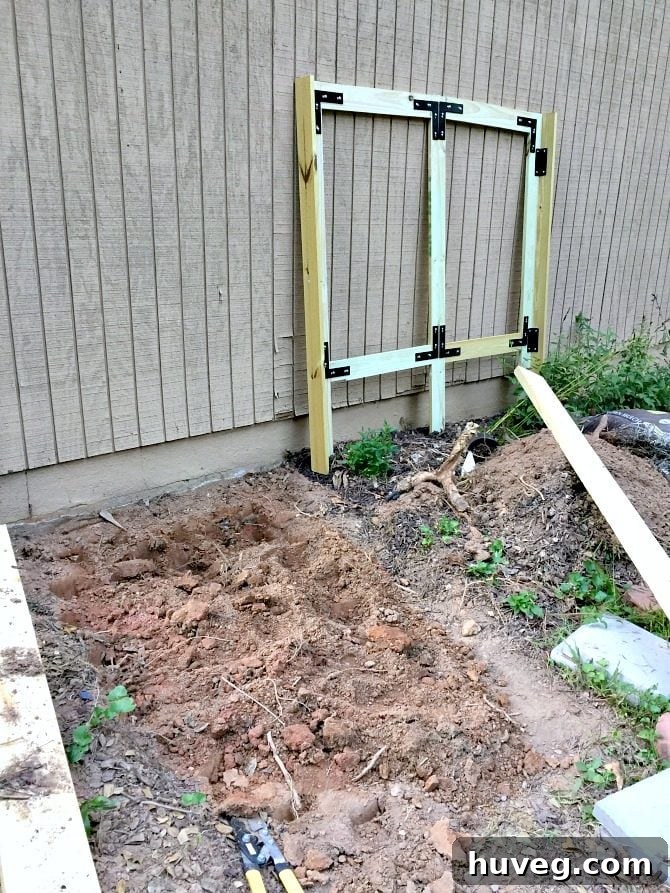
The digging process, in and of itself, is quite a tedious and physically demanding task. To maintain my momentum and prevent burnout, I decided that building the frame for the screen concurrently would be an excellent motivational strategy. This approach allowed me to switch between tasks, keeping things fresh and productive. My original intention was to fully assemble the entire screen, including the attachment of the decorative front panels. However, an unexpected setback occurred: my tube of outdoor adhesive had unfortunately dried up. Given that I had already made three trips to the hardware store that day, the thought of a fourth was simply too much! Thus, the focus shifted to completing the foundational frame, leaving the front panels for another session.
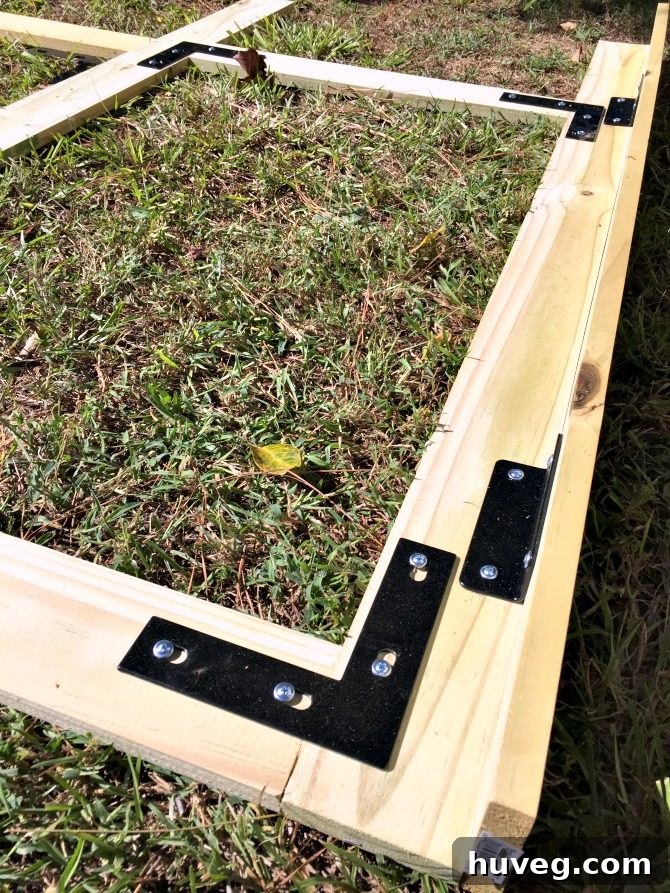
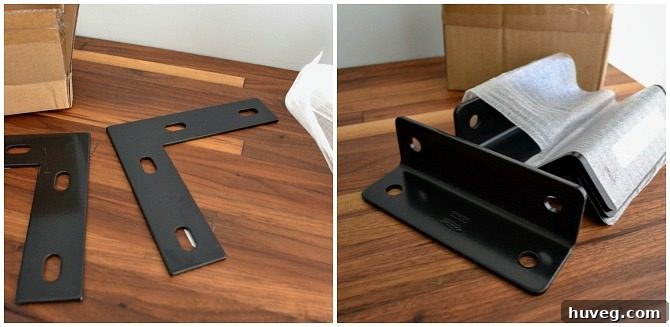
As I might have mentioned in a previous post earlier this week, I’ve had the pleasure of collaborating with National Hardware throughout this summer. Their support has been invaluable, providing me with essential hardware materials for projects just like this. This partnership is truly a win-win, as their sponsorship also helps significantly with budgeting for other supplies not covered by hardware, allowing me to bring more of these DIY visions to life. Here’s a glimpse of the quality hardware they supplied for this particular project:
The trash bin itself stands just under four feet tall, so I carefully cut lengths of pressure-treated (PT) ground contact (GC) lumber to five feet each. This extra length accounts for the portion of the frame that will be securely buried into the ground, ensuring maximum stability and longevity. To complete the structural integrity of the frame, I then attached horizontal cuts of lumber between each vertical support, creating a robust and well-braced structure. The precision in these cuts and attachments is critical for the screen’s overall durability and its ability to withstand outdoor elements.
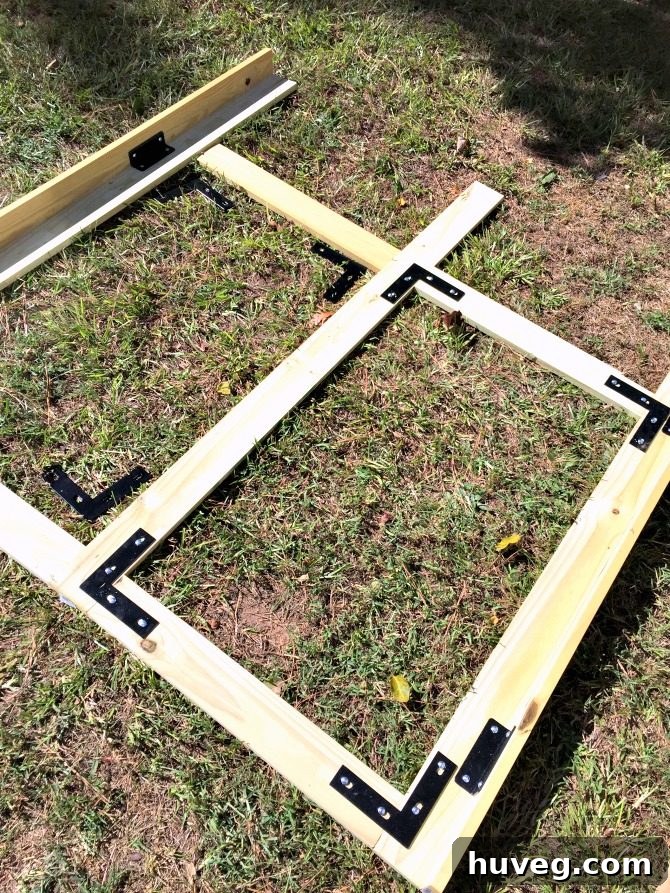
Detailed Materials List
- 5 – 1 x 4 x 8 pressure-treated (PT) “ground contact” (GC) lumber. Choosing “ground contact” lumber is crucial for any part of the structure that will be buried or in continuous contact with the soil. (More on the specific “GC” rating below).
- 4 – Corner braces in a sleek black finish. These provide significant structural reinforcement at the corners of the frame.
- 8 – Corner plates in a matching black finish. In retrospect, I’ve found that replacing four of these with two T-plates is a far more efficient and stable solution for the middle supports of a wide single panel.
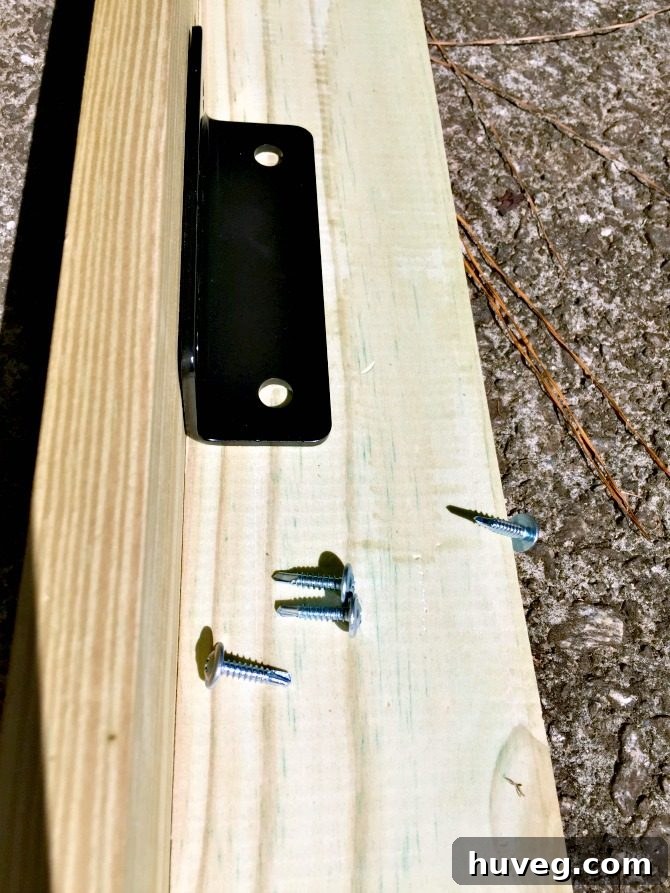
- ¾” interior/exterior self-drilling lath screws. These specialized screws are ideal for outdoor use and simplify the assembly process.
Precise Cut List for Lumber
- Begin by cutting all five pieces of the 8-foot pressure-treated lumber down to uniform 5-foot lengths. These will serve as your main vertical supports.
- Utilize the leftover scrap pieces from the 8-foot boards to cut four additional pieces, each measuring 24 inches. These will function as the horizontal braces within your frame.
Important Builder’s Notes and Lessons Learned
-
Optimizing Frame Design with T-Plates: Originally, my vision for the screen involved an L-shaped structure, featuring a front panel and a side panel joined at the corner. This design would have necessitated two identical panels, each requiring four corner plates for reinforcement. However, as I began the excavation for the concrete slab, I recognized that a single, wider front panel — extending to five feet — with the side panel completely eliminated, would be a much more streamlined and effective solution. This revised approach offers greater stability and simplifies construction. Therefore, I highly recommend that if you embark on a similar project, you opt for T-plates in the middle sections of your wider front panel instead of solely relying on corner plates. This adjustment will not only save on material costs but also yield a more robust and stable frame.
-
Selecting the Right Screws for Outdoor Projects: A surprisingly challenging aspect of this build was sourcing screws that were short enough for 1×4 lumber, yet possessed a head wide enough to securely fasten the heavy-duty metal plates (which do not come with accompanying screws). After some searching, I discovered ¾-inch lath screws specifically rated for indoor/outdoor use, which proved to be an excellent find. A significant bonus was their self-drilling capability, which drastically sped up the assembly process and reduced pre-drilling efforts. For those considering alternatives, modifying this plan to use 2x4s instead of 1x4s would slightly expand your options for screw types and lengths, as the thicker lumber provides more bite for longer fasteners.
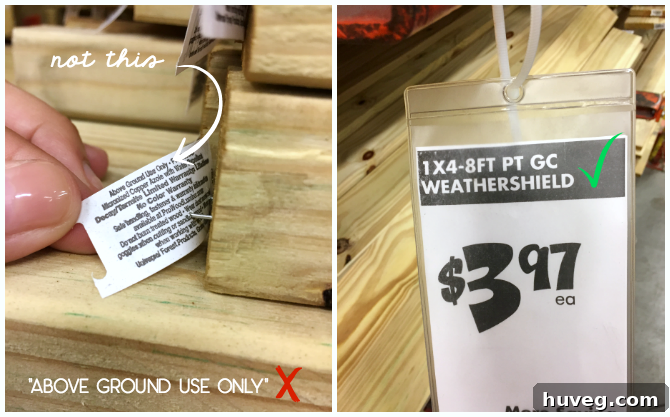
A Crucial Note on Outdoor Lumber: Understanding Pressure-Treated (PT) and Ground Contact (GC) Ratings
When undertaking any outdoor construction project, especially one where wood will interact with the ground, selecting the appropriate lumber is paramount for longevity and structural integrity. Pressure-treated (PT) lumber is undoubtedly the material of choice for such applications. However, it’s vital to be aware that the standards and classifications for PT lumber have evolved. A significant new standard went into effect this summer, introducing more stringent requirements for lumber intended for ground contact.
Previously, much of what was simply labeled “pressure-treated” might have been suitable for above-ground use but not direct burial. The updated rules mandate that for any wooden components that will be placed directly into or come into continuous contact with the ground – such as deck posts, fence pickets, or, in this case, the buried sections of our garden screen frame – you must use what is specifically designated as “ground contact” pressure-treated lumber. This specific classification is abbreviated with a clear “GC” marking on the product labels, making it easy to identify. This ground-contact lumber has a higher concentration of preservatives, providing enhanced protection against rot, decay, and insect infestation when exposed to moisture and soil. As suppliers deplete their stock of older PT lumber, you will increasingly find this “GC” rating prominently displayed in hardware stores. Always double-check the label to ensure you’re using the correct type of lumber for its intended application, as using above-ground rated PT lumber for ground contact can drastically shorten the lifespan of your project and lead to premature failure.
Despite a few minor hiccups, the initial frame assembly came together remarkably quickly. The left side of the frame felt incredibly tight and secure, demonstrating the strength of the chosen hardware and lumber. Curiously, I encountered a bit more difficulty (for reasons yet unknown) in getting the screws to fully “bite” and hold firmly into the horizontal pieces on the right side of the frame. This resulted in a slight flexing where I ideally wanted rigid stability. However, my experience and subsequent recommendation to use T-plates in the middle sections, rather than solely corner plates, should significantly mitigate this issue for anyone replicating this project. Furthermore, once the entire structure is securely anchored into the ground and the decorative front panels are attached (the front design will closely resemble the A/C screen I built earlier this year), I fully expect everything to lock into place beautifully, providing a sturdy and aesthetically pleasing enclosure.
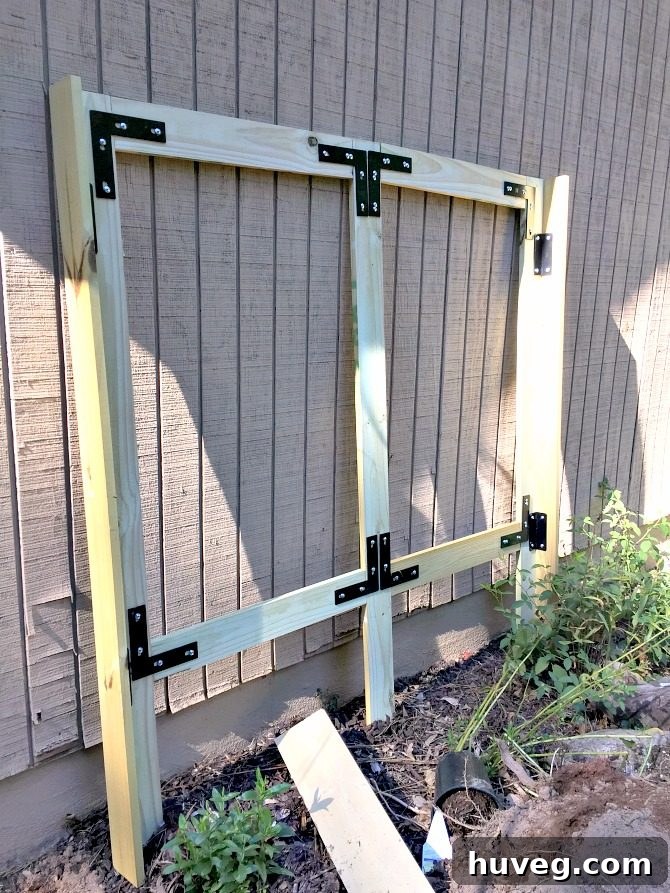
With the primary frame now complete, a significant milestone has been reached, yet several exciting steps remain on the horizon. My next order of business is to acquire some ibuprofen for my weary back and a fresh tube of exterior adhesive so I can securely attach those front panels. Details on the concrete slab – including the intricate digging, the precise form building, and the actual pouring process – are all coming very soon! In the meantime, I wish you all a fantastic and productive weekend!