Time Management Mistakes to Avoid

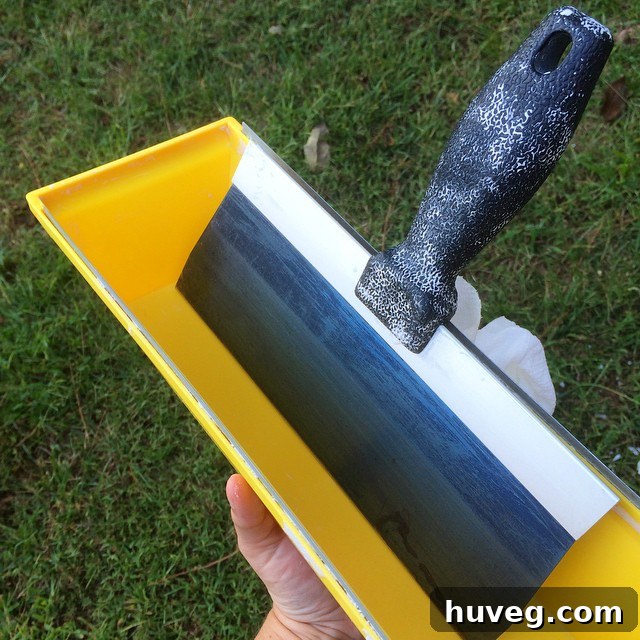
Conquering the Bubbles: My Journey Through Skim Coating Challenges and Drywall Repair
Every DIY enthusiast knows the exhilarating feeling of transforming a space with their own hands. Yet, we also intimately understand the frustrating roadblocks that can halt progress and challenge our confidence. Recently, my home renovation journey took an unexpected turn into a battle against a particularly stubborn adversary: persistent bubbles appearing after skim coating, especially after challenging wallpaper removal. This wasn’t just a minor setback; it was a confidence-shattering problem that made me question my entire approach to DIY home improvement.
This post is an honest account of my struggle, the solutions I explored, the moments of near defeat, and the eventual breakthrough that reignited my passion. If you’ve ever faced those maddening, progress-halting bubbles on your walls after removing old wallpaper and applying joint compound, you’re not alone. Join me as I recount how I rediscovered my DIY mojo and found the key to achieving perfectly smooth, bubble-free walls.
The Lure of Smooth Walls: My Skim Coating Beginnings
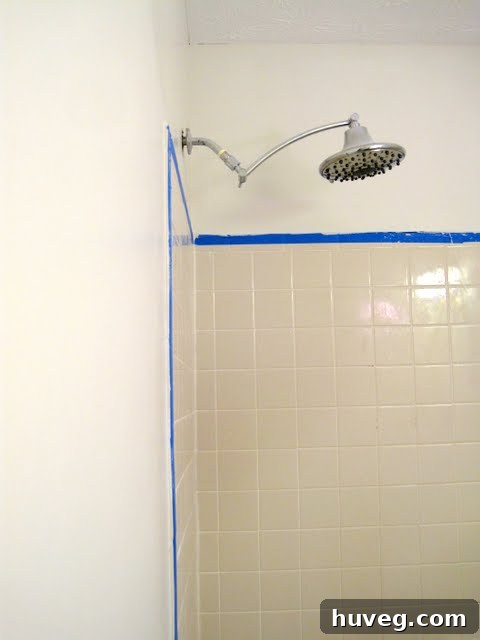
My first foray into the world of skim coating was met with surprising success, building a foundation of confidence that would later be severely tested. I started in my upstairs primary bathroom—a modest space, perfect for a beginner. The wallpaper in this room, while not entirely effortless, came off with relative ease, a stark contrast to the Herculean efforts I’d encounter later. Despite my nascent technique and the oversight of not priming the wall (a step I hadn’t yet learned was crucial), I saw zero bubbling. The walls cured beautifully, leaving me with a perfectly smooth canvas, ready for paint. This initial victory instilled a sense of accomplishment and the belief that skim coating was a tedious but entirely manageable task.
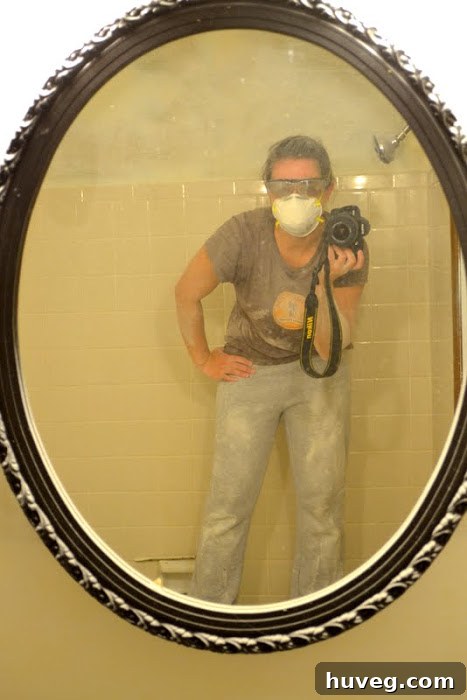
Buoyed by this triumph, I moved on to my guest bathroom. By this point, I had a bit more experience, my arms were accustomed to the strain, and my technique with the mud knife felt more refined. Confidently covered in drywall dust, I felt like a seasoned pro, armed with the knowledge of how to tackle this messy but rewarding project. I truly believed I had mastered the art of skim coating, transforming damaged walls into pristine surfaces with ease. The smooth, flawless finish of the guest bathroom walls reinforced my newfound expertise, and I was convinced I had conquered this particular DIY challenge.
A Stubborn Challenge: When Kitchen & Dining Room Walls Fought Back
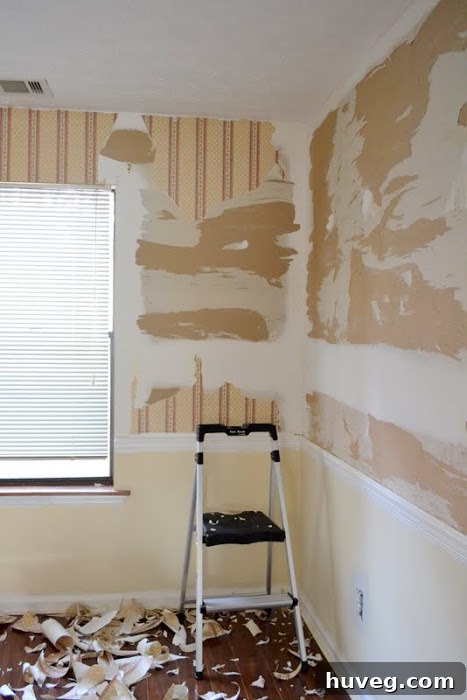
Then came the real test: the kitchen and dining rooms. These spaces presented a whole new level of complexity and resistance. The wallpaper here proved far more tenacious, clinging to the walls with an almost defiant grip. Its removal was a laborious, messy affair, revealing extensive damage beneath – layers of peeling drywall paper, old adhesive residue, and inconsistencies that whispered of past DIY attempts gone awry. Despite the obvious challenges, my earlier successes had imbued me with a perhaps overconfident attitude. “I’ve done this twice,” I rationalized. “In DIY terms, that’s practically professional status.” This hubris, as I would soon discover, was ill-placed.
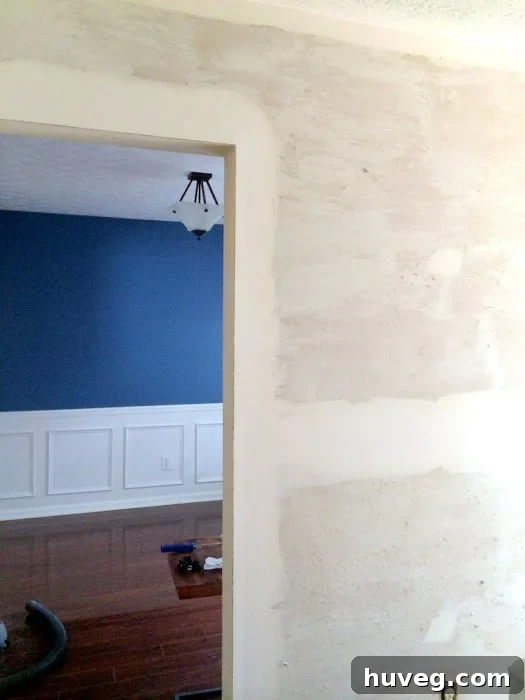
As I began applying the first coats of joint compound, a strange and disheartening phenomenon emerged: bubbling. Small, mocking pockets of air trapped beneath the skim coat began to form, disrupting the smooth surface I desperately sought. This was entirely new to me. Why hadn’t I encountered this upstairs? Was I thinning the joint compound incorrectly? Was the drywall itself different, reacting uniquely to the moisture? Had my technique simply abandoned me? No matter how many additional coats I applied, the insidious bubbles persisted, seemingly emerging from deep within the torn, compromised paper layers of the wall itself.
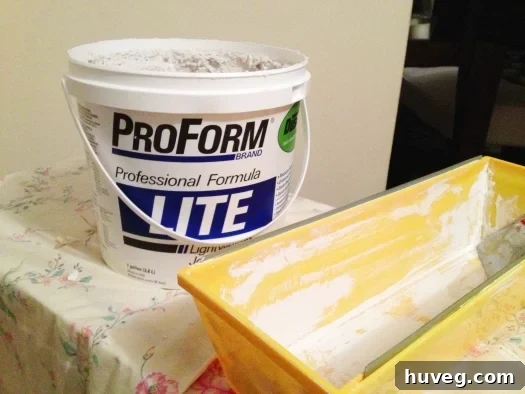
Seeking Professional Wisdom: The Primer Prescription
Earlier that year, when I considered relocating for a job, I had a contractor assess various projects in my home, including the arduous skim coating process. During this consultation, I received my first piece of professional advice regarding the persistent bubbling. The contractor explained that I needed to *prime* the damaged drywall before applying the skim coat. He advised that an oil-based primer would effectively “lock down” the torn paper, hardening it and preventing it from reacting with the moisture in the joint compound—thereby eliminating the bubbles. Since I had only just started the first coat on a few walls, he was confident this primer application would be the “magic fix.”
Circumstances changed, and I no longer needed to hire him immediately, giving me the opportunity to implement his advice myself. With renewed hope, I purchased the recommended oil primer and meticulously painted every problematic wall. The fumes were strong, the application was laborious, but I pushed through, envisioning perfectly smooth walls in my future.
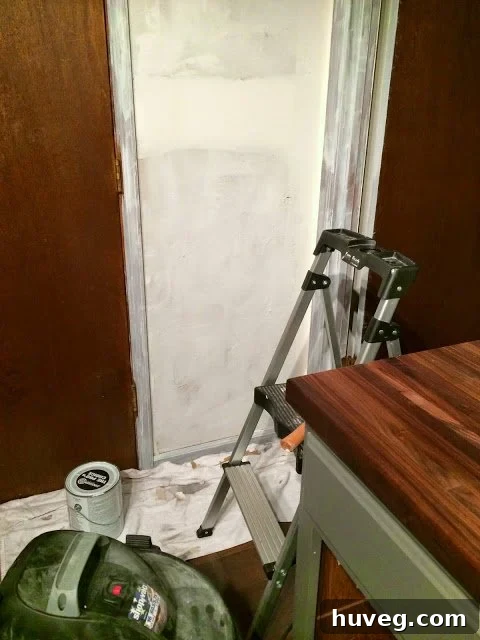
The Disappointment: When Expert Advice Falls Short
The oil primer dried, leaving behind a hard, sealed surface. Yet, as I reapplied the skim coat, the dreaded bubbles returned. While there was a slight improvement, it was far from the dramatic, complete fix I had been promised and desperately hoped for. My heart sank. I didn’t blame the contractor; after all, his advice had worked for him countless times. Perhaps something in my specific application, or the unique condition of my walls, made the difference. But what now?
The questions spiraled: Should I just try to minimize the bubbles and accept an imperfect finish? Was I doomed to live with walls that weren’t perfectly smooth? Did I have to strip everything down and start over? The thought of hiring out, after investing so much time and effort, felt like a concession of defeat, something my stubborn DIY spirit vehemently resisted. I had figured out skim coating twice before; surely, I could overcome this hurdle too. Yet, the answer remained elusive, pushing me further into a state of frustration and self-doubt.
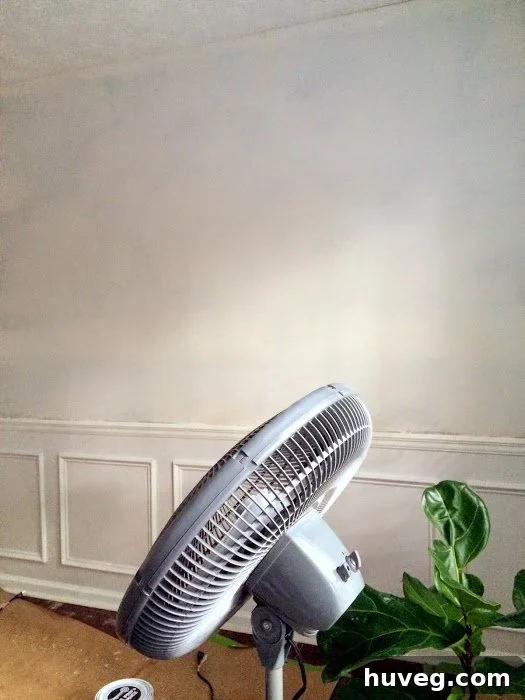
The DIY Rut: Hitting a Wall (Literally and Figuratively)
This was my breaking point. I couldn’t see past the problem, unable to envision a clear path forward. While I managed to coax three of the four dining room walls into a reasonably smooth state, the pantry and kitchen walls threatened to be the most challenging of all. I painted the completed dining room walls, but the fourth wall, and the entire kitchen, remained a testament to my ongoing struggle. Up close, my results were far from perfect, and the persistent bubbles served as a constant reminder of my perceived failure.
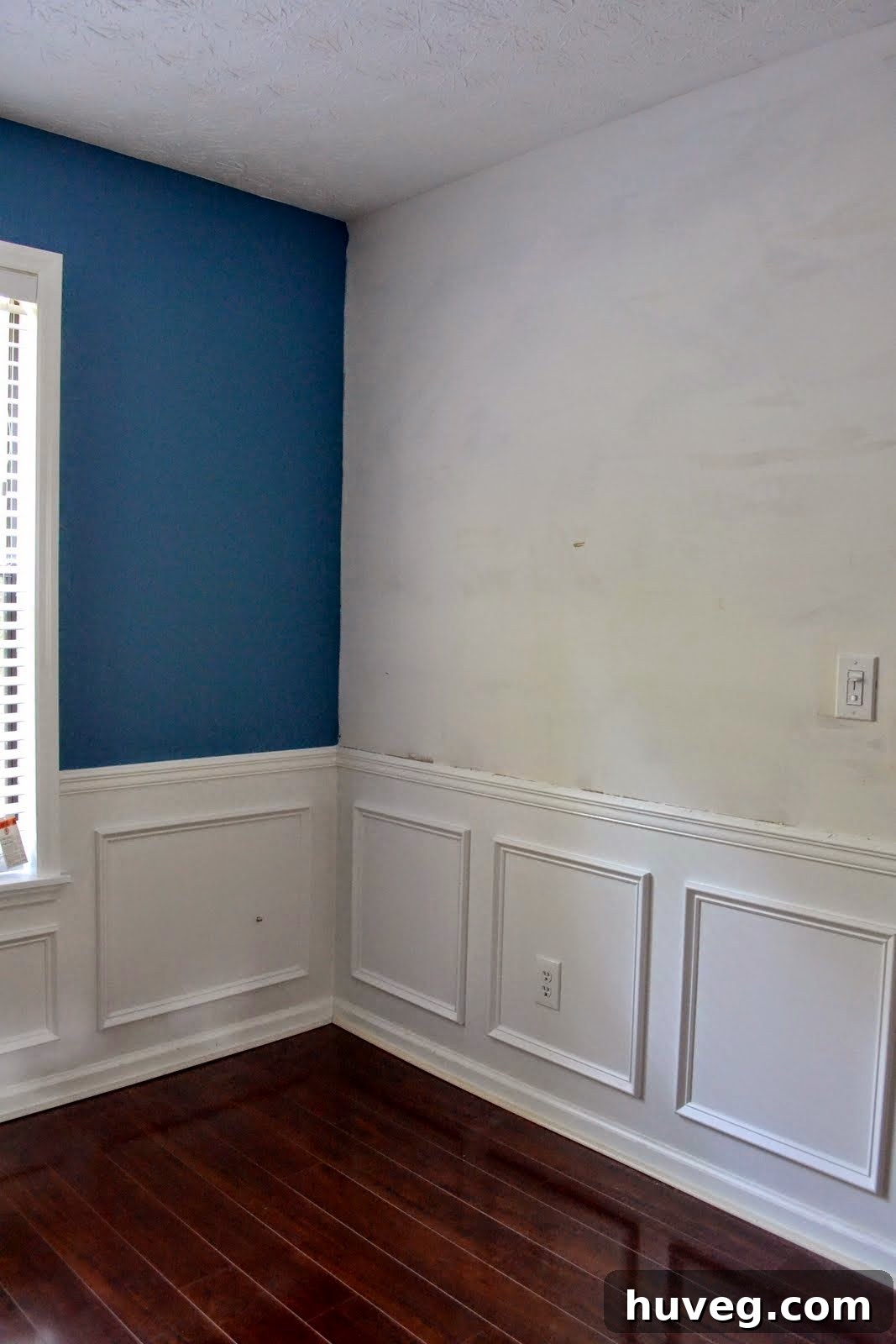
None of my efforts, even my usual stress-relieving antics like throwing tools (followed by a well-deserved beer), were working. Defeated, exhausted, and utterly frustrated, I simply gave up. The project stalled, becoming a gaping hole in my renovation timeline and a source of constant anxiety. I found myself in a profound DIY rut, losing all desire to tackle new projects or even post updates about my lack of progress. When there’s nothing positive to report, what’s the point? It felt as though my passion for DIY had vanished, replaced by a sense of being utterly lost and uninspired.
Finding Clarity: Stepping Back to See the Solution
My search for answers online proved equally disheartening. Having experienced a professional solution fall short, I began to lose faith that any advice would truly work for my unique situation. Could perfection simply be an impossible dream for my old house? Contractor forums, while plentiful, offered a confusing array of conflicting opinions and techniques. While pros, like DIYers, find what works for them, this diversity of methods can be intimidating when you’re desperate for a single, foolproof plan. I felt stuck, paralyzed by indecision and a growing sense of despair.
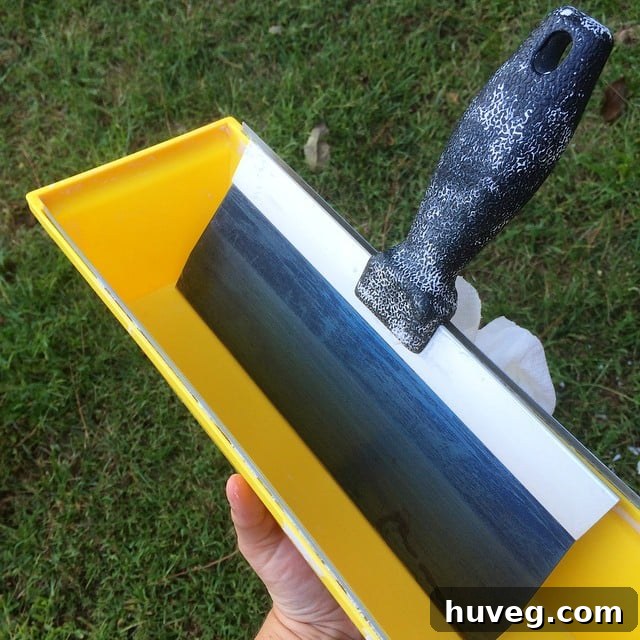
As my work schedule intensified, I embraced the excuse that I was simply too busy to finish the dining room. A week turned into two, then a month, and the project gathered dust. I hated this stagnation; I yearned for change and progress. But obligation wasn’t enough to reignite my DIY spirit. I needed to find a genuine answer, a way to feel like a “badass” again, regardless of how long it took. So, I did the only thing left to do: I put down the mud pan and walked away. I consciously stepped back, both physically and mentally, from the problem.
Unmasking the Culprit: The Real Reason for Skim Coat Bubbles
And wouldn’t you know it? The break was exactly what I needed. With a fresh perspective, I stopped focusing on the problems I’d created and started looking for genuine solutions. My renewed research focused not just on “bubbling,” but on the specific context of “bubbling after wallpaper removal.” This led me to a critical realization: the issue wasn’t necessarily my technique or the joint compound, but the *condition* of the underlying drywall after wallpaper removal, especially residual paste or loose paper fibers. The standard oil primer, while good for general sealing, wasn’t specifically formulated to penetrate and encapsulate those problematic microscopic paper fragments or paste residues that react to the moisture in joint compound, causing them to swell and bubble. What I needed was a specialized primer, often called a problem surface sealer, designed to “lock down” and harden these challenging surfaces before skim coating. This type of primer forms a dense, non-porous barrier, preventing the interaction that leads to bubbles.
Back on Track: Renewed Vigor and Project Momentum
With this newfound understanding, the puzzle pieces finally clicked into place. Taking that step back, drowning out the noise of conflicting advice and self-doubt, allowed me to see things with crystal clarity. It took a little more time than I initially hoped, but the satisfaction of truly understanding the problem and discovering the *right* solution was immeasurable. I’m now back on track, perhaps still a bit sluggish from the preceding frustration, but undeniably inspired. There’s no substitute for taking the time you need to approach a project on your own terms, to research, learn, and implement solutions that genuinely work for *your* specific situation. The journey, with all its ups and downs, is worth it for the knowledge gained and the confidence reclaimed.
Essential Tips for Flawless Skim Coating & Drywall Repair
My journey taught me invaluable lessons about achieving smooth walls, especially when dealing with the aftermath of wallpaper removal. Here are some key takeaways and tips for fellow DIYers facing similar challenges:
- Thorough Wallpaper Removal is Paramount: Don’t rush this step. Remove as much wallpaper and adhesive residue as possible. Any remnants can cause issues later.
- Clean and Prep Religiously: After removal, clean the walls meticulously to eliminate all paste residue. A clean, smooth surface is crucial for primer adhesion.
- The Right Primer is a Game-Changer: For damaged drywall or walls with residual wallpaper paste, a specialized problem surface sealer (such as a clear, penetrating drywall sealer like Gardz or similar products) is often more effective than a standard oil or latex primer. These sealers are designed to penetrate, harden, and encapsulate loose paper fibers and old adhesive, creating a stable base for your skim coat.
- Thin Your Joint Compound Judiciously: While thinning helps with workability, over-thinning can introduce too much moisture, exacerbating bubbling problems. Aim for a consistency similar to thick pancake batter.
- Apply Thin, Even Coats: Patience is key. Build up layers gradually with thin, even coats, allowing each to dry completely before applying the next. This minimizes moisture introduction and allows for easier sanding.
- Sand Between Coats: Light sanding with fine-grit sandpaper between coats helps achieve a truly smooth finish and removes any imperfections or slight bubbling that might appear.
- Don’t Be Afraid to Step Back: When frustration mounts, take a break. A fresh perspective can often reveal solutions you overlooked in the heat of the moment.
Looking Ahead: Your Guide to Bubble-Free Walls
I’ll be sharing a dedicated tutorial very soon, detailing the specific methods and products I used to finally fix my bubbling drywall problems and prevent them from recurring. Before that, though, I’ve got a reader question to answer this week, so keep an eye out for that! Thanks for following along on this journey, even during my periods of slow progress. I’m feeling incredibly inspired lately, and I hope this newfound momentum translates into many more helpful updates and inspiring projects for you all.