Beyond the Blueprint

Transform Your Home: The Ultimate DIY Guide to Painting a Rug
Embarking on a home decor project often begins with a spark of creativity and the exciting promise of a refreshed space. Many of us, myself included, have enthusiastically started what seemed like a simple weekend task, only to discover it demands far more time and effort than initially imagined. Take, for example, the concept of painting a rug. It sounds like a quick and clever way to revitalize an old floor covering or introduce a bold new color. My own adventure into rug painting started with such optimistic plans, envisioning a swift transformation ready for an amazing reveal within a couple of days. However, this journey quickly revealed that achieving a professional-looking finish requires significant patience and multiple coats of paint.
Despite the unexpected demands, the vision for a personalized, vibrant rug remains clear, and the determination to complete the project is unwavering. This guide aims to demystify the rug painting process, sharing practical tips and lessons learned to help you navigate your own DIY endeavor with realistic expectations and achieve beautiful results. Say goodbye to dull rugs and hello to a custom masterpiece!
From Concept to Canvas: The Rug Painting Journey Unfolds
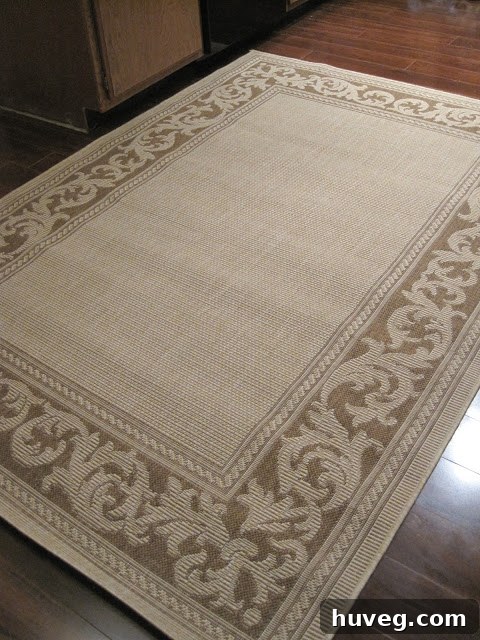
The image above captures the essence of a project in motion – a rug patiently awaiting its final, stunning transformation. This visual serves as a reminder that great results often require sustained effort. The appeal of painting a rug lies not only in its creative potential but also in its incredible cost-effectiveness. Instead of investing in a brand new rug that might not perfectly align with your aesthetic, you can breathe new life into an existing piece or a budget-friendly find, tailoring it precisely to your unique style. This DIY approach offers unparalleled creative freedom, allowing for everything from intricate geometric patterns to subtle washes of color, making your rug a truly one-of-a-kind statement piece in any room.
Why Embrace the DIY Rug Painting Trend?
There are numerous compelling reasons to consider giving your rug a painted makeover, offering both practical advantages and a boost to your home’s aesthetic:
- Budget-Friendly Decor Update: New rugs, especially those with unique designs or large dimensions, can be a significant expense. Painting an old rug or an inexpensive plain one is an incredibly economical way to achieve a fresh, updated look without breaking the bank.
- Unmatched Customization: If you’re tired of limited options in stores, painting provides complete creative control. You can select any color palette, design intricate patterns, or even create abstract art that perfectly complements your home’s existing decor and reflects your personal taste.
- Sustainable Upcycling: Give a structurally sound but aesthetically dated rug a second chance. This eco-conscious approach reduces waste and keeps items out of landfills, promoting a more sustainable lifestyle.
- Creative Expression: Rug painting is a fantastic outlet for your artistic side. Whether you prefer clean lines, bold graphics, or freeform designs, it allows you to infuse your personality directly into your living space.
- Enhanced Durability and Freshness: A properly painted and sealed rug can gain an extended lifespan. The paint can help protect the fibers, and a good topcoat can make the rug more resistant to spills and easier to maintain.
Selecting the Perfect Canvas: Choosing Your Rug
Not all rugs are ideal candidates for painting. The success of your project heavily depends on choosing the right base. Here’s what to consider:
- Fiber Type Matters: Natural fiber rugs are generally the best choice. Materials like jute, sisal, seagrass, cotton, and wool are highly porous, allowing the paint to penetrate and adhere well, resulting in a more flexible and durable finish. Synthetic rugs can be painted, but they might require more layers of paint or the addition of a specialized fabric medium to ensure proper adhesion and prevent cracking.
- Weave and Pile Height: Opt for rugs with a flat weave or a very low pile. These surfaces are much easier to paint evenly and achieve crisp lines. High-pile or shag rugs are significantly more challenging because the paint may not reach the base of the fibers, leading to an uneven, stiff, or crunchy texture.
- Rug Condition: Start with a rug that is in good structural condition. While paint can mask minor stains or discoloration, it won’t repair significant tears, fraying, or unraveling. Ensure the rug is thoroughly clean and completely dry before you begin painting.
Gathering Your Essential Tools and Paint
The quality of your materials will significantly impact the outcome of your painted rug. Investing in good supplies will save you frustration and yield better results:
- Choosing Your Paint Type:
- Latex House Paint: Standard interior latex paint (flat or eggshell finishes are often preferred) is a popular, durable, and cost-effective choice. It offers a vast array of colors. To prevent the rug from becoming too stiff, mix it with a fabric medium, such as Liquitex Textile Medium or Golden GAC 900, which helps maintain flexibility.
- Acrylic Craft Paint: Suitable for smaller projects, detailed designs, or stenciling. Always mix acrylic craft paints with a fabric medium for better adhesion and flexibility on textiles.
- Specialized Fabric Paint: Though typically more expensive, these paints are formulated specifically for textiles, offering excellent flexibility, washability, and strong adhesion without the need for additional mediums.
- Chalk Paint: Can be used, but generally requires a fabric medium and a robust topcoat to withstand foot traffic and ensure durability on a rug.
For my current endeavor, I’m excited to incorporate a rich, sophisticated shade like Behr Planetarium 560D-7. This deep, captivating blue is set to add an unparalleled depth and elegance, transforming a simple rug into a truly striking statement piece. The right color choice can dramatically elevate the entire design, making your rug a focal point.
- Application Tools:
- Foam Rollers: Ideal for applying base coats smoothly and efficiently over large areas. A short-nap roller is best for low-pile rugs to ensure even coverage without oversaturation.
- Paint Brushes: Essential for precise detailing, reaching edges, and working on intricate patterns or stencils. A variety of sizes will be useful, from wider brushes for borders to fine-tip brushes for intricate lines.
- Other Crucial Supplies:
- High-Quality Painter’s Tape: Crucial for creating crisp lines, sharp edges, and geometric patterns. Brands like FrogTape are known for preventing paint bleed.
- Drop Cloths or Plastic Sheeting: Absolutely necessary to protect your flooring and surrounding areas from paint spills and splatters.
- Measuring Tape and Ruler: For accurate layout and symmetrical design creation.
- Fabric Medium (Highly Recommended): As mentioned, this additive significantly improves paint flexibility and absorption, preventing the rug from becoming overly stiff or prone to cracking.
- Clear Topcoat/Sealer: A clear, flexible protective sealant (such as a polycrylic designed for floors or a fabric protector spray) will safeguard your painted design from wear, spills, and make the rug easier to clean and maintain its vibrancy.
- Cleaning Supplies: Rags, sponges, and a bucket of soapy water for immediate clean-up of spills and drips.
The Meticulous Step-by-Step Rug Painting Process
Success in rug painting hinges on patience and meticulous execution. Resist the urge to rush, and always allow ample drying time between each step.
- Thoroughly Clean Your Rug: Begin with a perfectly clean surface. Vacuum the rug extensively to remove all loose dirt, dust, and debris. If necessary, deep clean the rug according to its material type. This step is critical; any residue will hinder paint adhesion. Ensure the rug is completely dry before proceeding – this might take 24-48 hours, so plan accordingly.
- Prepare Your Workspace: Lay out heavy-duty drop cloths or plastic sheeting in a spacious, well-ventilated area, ideally outdoors or in a garage. Ensure the rug is laid out completely flat and smooth, free from any wrinkles, folds, or bumps, which could distort your design.
- Tape Off Your Design (If Applicable): If you’re planning stripes, geometric shapes, or borders, use your high-quality painter’s tape to meticulously mark out your design. Press down firmly along all tape edges to create a tight seal, preventing paint from bleeding underneath. Double-check all measurements and lines for accuracy and symmetry.
- Apply the First Base Coat: Using a foam roller, apply a thin, even layer of your base color. Work in small sections, ensuring uniform coverage without oversaturating the rug fibers. If using a fabric medium, ensure it’s thoroughly mixed into your paint according to the manufacturer’s instructions. Remember, multiple thin coats yield a more flexible and durable finish than one thick coat.
- Allow for Complete Drying: This is a crucial step where patience truly pays off. Let the first coat dry completely. Depending on your paint type, local humidity, and the rug’s material, this could range from several hours to overnight. Do not proceed until the rug is dry to the touch and no longer tacky.
- Apply Subsequent Coats: Repeat the painting and drying process. You will likely need several coats (typically 2-4, or even more, as my own experience revealed!) to achieve fully opaque coverage and vibrant color, especially if you’re painting a lighter shade over a darker rug. Each coat should be thin and even, gradually building up the desired color intensity.
- Add Details or Second Colors (If Applicable): Once your base coats are thoroughly dry, carefully remove the painter’s tape if you’re revealing a pattern underneath. If you’re adding stenciled designs or freehand details, proceed with these now using smaller brushes for precision. If applying new tape for additional patterns, ensure it adheres firmly to the fully dry base coat.
- Extended Final Drying Time: After all paint layers and design elements are applied, allow the rug to dry for an extended period – at least 48-72 hours, or even longer for rugs with heavy paint application. This extended curing time ensures the paint is fully set and durable before handling or placing furniture.
- Seal for Enhanced Durability (Highly Recommended): Once the paint is completely dry and cured, apply a clear, flexible topcoat or a fabric protector spray. This protective layer will shield your painted design from foot traffic, spills, and make the rug significantly easier to clean, preserving its beauty for years to come.
Expert Tips for a Flawless Finish and Avoiding Common Pitfalls
To ensure your rug painting project is a resounding success, keep these valuable tips in mind:
- Patience is Your Greatest Asset: As highlighted by personal experience, painting a rug is not a rapid project. Embrace the process, allocate sufficient time, and never rush the drying stages.
- Thin Coats are Key: Always apply thin, even layers of paint. Thick coats will make the rug stiff, brittle, and prone to cracking, compromising its comfort and longevity.
- Ensure Good Ventilation: Work in a well-ventilated area or outdoors to minimize exposure to paint fumes and facilitate quicker drying.
- Perform a Test Patch: If possible, test your chosen paint and fabric medium combination on an inconspicuous area of the rug or a similar scrap material. This helps you understand how the paint reacts, dries, and adheres to the specific rug fibers.
- Prevent Paint Bleeding: To achieve super crisp lines with painter’s tape, first press the tape down firmly. For an extra layer of protection, paint a very thin layer of your *base* color along the edges of the tape and let it dry. This essentially seals the tape’s edge, so any minimal bleeding that occurs will be with the original rug color, not your new accent color.
- Gentle Maintenance: Once your rug is painted and sealed, clean it gently. Spot clean spills immediately with a damp cloth and mild soap. Avoid harsh scrubbing, machine washing, or steam cleaning, as these can damage the paint and compromise the finish.
The Grand Unveiling: Celebrating Your Custom Creation
After all the preparation, the careful application of multiple coats, and the patient waiting periods, the moment of revelation is incredibly rewarding. Imagine the satisfaction of finally unrolling your finished rug, its colors vibrant, its design perfectly aligned with your artistic vision, and its texture still inviting. This is the ultimate reward for your dedication – a unique piece of functional art that not only enhances your home’s aesthetic but also tells a personal story of your DIY prowess. The anticipation of reaching this final stage, seeing a project through to its stunning completion, is what fuels many DIY enthusiasts through the more challenging parts of any creative endeavor.
Painting a rug transcends a simple craft project; it’s an act of transforming an ordinary item into something extraordinary, deeply personal, and precisely tailored to your unique style. While it undeniably demands time, patience, and those multiple coats of paint, the outcome – a one-of-a-kind, budget-friendly, and deeply cherished addition to your home – is undeniably worth every bit of effort. Prepare to receive compliments and enjoy the pride of saying, “I made this!”
Ready to embark on your own rug painting journey and bring your creative vision to life? Gather your supplies, clear your schedule, and prepare to immerse yourself in a truly rewarding and transformative DIY adventure!

Did you find this comprehensive guide helpful? Please subscribe to our newsletter to get the latest DIY tips, home decor inspirations, and project updates delivered directly to your inbox or RSS reader for free!