Awe-Struck by Abundance


Navigating Your Home Flooring Renovation: A Comprehensive Guide from Selection to Installation
Embarking on a home flooring renovation can feel like a daunting task. The sheer number of options, the logistical challenges, and the investment involved can leave anyone feeling a little overwhelmed, much like facing a blank canvas for a major home transformation. From deciding on the right material for each room to understanding the intricacies of installation, it’s easy to get lost in the details before even laying the first plank or tile. This guide aims to demystify the process, offering insights and practical advice to help you navigate your flooring project with confidence, ensuring beautiful and functional results for every corner of your home.
Starting Your Flooring Journey: The Crucial First Steps
The very first hurdle many homeowners encounter is accurate measurement and initial project assessment. It sets the foundation for your budget, material ordering, and overall project timeline. There are generally two paths: professional assistance or a do-it-yourself approach.
Professional Measurement and Consultation
Services like those offered by Home Depot, where a professional comes to your home, measures all desired rooms, performs leveling and moisture tests, and provides a detailed breakdown, can be invaluable. While there’s a fee involved (e.g., $35), the peace of mind and accuracy gained are often well worth the investment. Professionals bring specialized tools, an understanding of waste factors, and the ability to identify potential subfloor issues (like unevenness or moisture problems) that an untrained eye might miss. These issues, if not addressed early, can lead to costly problems down the line, affecting the longevity and appearance of your new flooring.
The DIY Measurement Approach
Some flooring stores offer free consultations, often using laser measuring tapes, but this might only cover basic dimensions without the comprehensive assessment of your subfloor or the detailed breakdown you’d get from a paid service. While buying a laser measure and doing it yourself can save money upfront, it comes with risks. Accurate measurements are paramount; even a slight miscalculation can result in ordering too much material (wasting money) or too little (causing delays and potentially increased costs if material needs to be reordered). Furthermore, assessing the condition of your subfloor – checking for moisture, unevenness, or damage – requires specific knowledge and tools. For a major investment like new flooring, understanding these underlying factors is critical to preventing future issues like warping, cracking, or premature wear.
Ultimately, the choice between professional and DIY measurement depends on your comfort level, experience, and the complexity of your project. For most homeowners, especially those undertaking a full-house renovation, the accuracy and expert insights provided by a professional measurement service can be a smart initial investment.
Choosing the Right Flooring for Each Space: A Room-by-Room Guide
Once you’ve navigated the initial planning, the exciting, yet sometimes overwhelming, part begins: selecting the right flooring material for each area of your home. This isn’t just about aesthetics; it’s about matching the flooring type to the room’s function, traffic levels, and specific environmental conditions. Considering factors like durability, moisture resistance, comfort, maintenance, and budget will guide you toward the best choices.
High-Traffic and Public Areas: Durability and Style
Downstairs (excluding Laundry Room), Stairs, Upper Landing, and Craft Room: Hardwood Flooring
Hardwood flooring is a timeless choice, renowned for its beauty, durability, and ability to increase a home’s value. For high-traffic areas like entire downstairs living spaces, stairs, and upper landings, hardwood offers exceptional resilience against daily wear and tear. Its natural warmth and elegance complement various interior design styles, making it a versatile option for open-concept layouts. While initially a higher investment, hardwood’s longevity and refinishing potential make it a cost-effective choice over decades.
- Why Hardwood for a Craft Room? Opting for hardwood in a craft room, despite carpet being an option, is a smart long-term decision. Craft rooms often involve spills from paints, glues, and other materials, as well as the potential for dropped tools or heavy equipment. Hardwood is significantly easier to clean than carpet, resisting stains and holding up better against physical impacts. It can also be protected with rugs in specific work zones, offering a blend of durability and comfort.
- Considerations for Hardwood: Be mindful of moisture fluctuations, as excessive humidity or dryness can cause wood to warp or gap. Engineered hardwood can be a more stable alternative in some environments. Also, while durable, hardwood can scratch, so consider its finish and protect it in high-traffic areas or where pets reside.
Wet Areas: Moisture Resistance and Easy Maintenance
Laundry Room, Guest Bathroom, and Primary Bathroom: Ceramic Tile
For spaces exposed to moisture, spills, and humidity, ceramic or porcelain tile is the undisputed champion. Its impermeable surface and robust nature make it ideal for laundry rooms, guest bathrooms, and primary bathrooms. Tile is waterproof, highly durable, easy to clean, and resistant to stains and odors, making it perfect for areas where hygiene is a priority.
- Benefits of Tile: Beyond its practical benefits, tile offers immense design flexibility. Available in countless colors, patterns, sizes, and textures, it can mimic natural stone or wood, allowing for creative freedom. Grout lines, while requiring occasional sealing and cleaning, contribute to the tile’s stability and can also be a design element.
- Porcelain vs. Ceramic: While both are excellent choices, porcelain tile is generally denser, less porous, and more durable than ceramic, making it particularly suitable for high-traffic wet areas or outdoor use.
Comfort Zones: Warmth, Sound Absorption, and Softness
Scott’s Office/Guest Bedroom and Primary Bedroom/Closet: Carpet
For private spaces where comfort, warmth, and sound absorption are paramount, carpet remains a popular and practical choice. In bedrooms and home offices, carpet provides a soft landing underfoot, insulates against cold, and significantly reduces ambient noise, creating a tranquil environment conducive to relaxation or concentration.
- Why Carpet for an Office/Guest Room? In an office, carpet helps dampen sound, which is beneficial for calls or focused work. In a guest room, it adds a layer of warmth and coziness for visitors.
- Types and Considerations: Carpet comes in various fibers (nylon, polyester, wool), pile heights (cut pile, loop pile), and textures. Consider durability and stain resistance for areas with moderate traffic. Regular vacuuming is essential for maintenance, and professional cleaning is recommended periodically, especially for allergy sufferers.
Other Flooring Options to Consider (Briefly)
While the focus here is on hardwood, tile, and carpet, it’s worth briefly mentioning other popular options that might suit different needs or budgets:
- Laminate Flooring: Offers the look of wood or tile at a lower cost, with good durability and scratch resistance. Not ideal for high-moisture areas.
- Luxury Vinyl Plank/Tile (LVP/LVT): Highly durable, waterproof, and available in convincing wood and stone looks. Excellent for kitchens, bathrooms, and basements.
- Cork Flooring: Eco-friendly, soft underfoot, sound-absorbing, and insulating. Can be susceptible to scratches and water damage if not properly sealed.
Navigating the Installation Process: What You Need to Know
With your flooring choices made, the next phase involves the practicalities of installation. This stage often raises numerous questions about timelines, preparation, and coordination with other home improvements.
Project Planning and Phasing Your Installation
One common question is how much flooring to install at once. This depends largely on your budget, available time, and tolerance for disruption. A whole-house installation can be faster overall but requires you to vacate the space or move furniture multiple times. Phasing the project (e.g., downstairs first, then upstairs) can be less disruptive but may extend the total timeline. Discuss realistic installation timelines with your chosen professionals; tile work often takes longer due to setting and curing times, while carpet installation can be relatively quick.
Preparation is Key: Clearing the Way for New Floors
Proper preparation is crucial for a successful and lasting installation.
- Removing Old Flooring: This is a messy but necessary step. Expect dust, debris, and potential damage to the subfloor that might need addressing. Factor in the cost of removal and disposal into your budget.
- Subfloor Preparation: This cannot be overstated. The subfloor must be clean, dry, level, and structurally sound. Any unevenness will transfer to your new flooring, causing an unsightly finish and potential long-term issues. Moisture barriers may be necessary, especially under wood or laminate in certain climates or on concrete slabs.
- Fixture Removal: For a truly professional and waterproof finish, certain fixtures must be removed.
- Toilets: Absolutely. For tile, hardwood, or LVP, the flooring should extend underneath where the toilet sits. This ensures a proper seal, prevents water damage, and allows for easier toilet replacement in the future.
- Cabinets: In bathrooms and kitchens, new base cabinets are typically installed on top of the new flooring. This creates a clean look and means you won’t have to cut flooring around cabinet bases. If you are replacing existing flooring but keeping your old cabinets, installers will usually cut the new flooring to fit around the cabinet bases, often covering the edges with quarter-round molding.
- Doors and Trim: New, thicker flooring can sometimes mean doors need to be trimmed at the bottom to swing freely. Baseboards will usually need to be removed before installation and reinstalled or replaced afterward to accommodate the new floor height and achieve a polished look.
Coordinating with Other Renovations
If you’re planning other renovations, like replacing bathroom cabinets and sinks, intelligent coordination is essential. As a general rule, install flooring first if new cabinets are going in. This means your new cabinet sits on a complete, level floor, making future cabinet replacement easier without damaging the flooring. It also provides a better foundation for plumbing and ensures a cleaner finish.
DIY vs. Professional Installation: Weighing Your Options
For a project of this magnitude, deciding what you can tackle yourself and what requires professional expertise is a significant consideration, especially when time and money are key factors.
The DIY Approach
Certain flooring types, such as some luxury vinyl planks (LVP), snap-together laminate, or even basic ceramic tiling (for those with prior experience and patience), can be DIY-friendly. The main benefits are significant cost savings on labor and the satisfaction of completing the work yourself. However, DIY installation demands a considerable investment of time, the right tools, and a good understanding of the material and installation techniques. Mistakes can be costly, potentially leading to wasted materials, an unprofessional finish, or even long-term structural issues that require professional intervention to correct.
Hiring Professionals
For complex installations like hardwood flooring, intricate tile patterns, or carpet, professional installers are almost always the best choice. Their expertise ensures proper subfloor preparation, precise cuts, efficient installation, and adherence to manufacturer warranties. They have specialized tools, vast experience, and the ability to troubleshoot unexpected issues. While professional installation adds to the overall cost, it provides peace of mind, guarantees a high-quality finish, and often comes with a warranty on their workmanship, making it a valuable investment for the long-term enjoyment and value of your home.
Budgeting and Timeline: The Practicalities
Every major home project hinges on two critical factors: time and money. A comprehensive flooring renovation is no exception, and careful planning in these areas is crucial for success.
Understanding the Costs Involved
The total cost of your flooring project extends beyond just the material price per square foot. You need to factor in:
- Material Costs: The price of the flooring itself, including any necessary underlayment, adhesive, or grout.
- Labor Costs: For professional installation, this will be a significant portion of your budget. Get multiple quotes and ensure they include all aspects of the job.
- Subfloor Preparation: Any repairs, leveling compounds, or moisture barriers needed can add to the cost.
- Old Flooring Removal and Disposal: Fees for tearing out and hauling away your old floors.
- Trim and Transition Pieces: New baseboards, quarter-round, or transition strips between different flooring types are essential for a finished look.
- Contingency Fund: Always allocate an additional 10-15% of your budget for unexpected issues or changes.
Managing Your Project Timeline
Be realistic about the timeline. Installation isn’t instantaneous:
- Material Delivery: Some specialty flooring might have lead times.
- Preparation: Removal of old flooring, subfloor repairs, and acclimation periods for wood can add days.
- Installation Time: Varies significantly by material and complexity. Tile work, with its setting and curing times, is often the longest.
- Post-Installation: Allow time for glues or grouts to fully cure before heavy use.
- Disruption: Expect your home to be a construction zone for a period. Plan for furniture storage, temporary living arrangements, or working around the renovation.
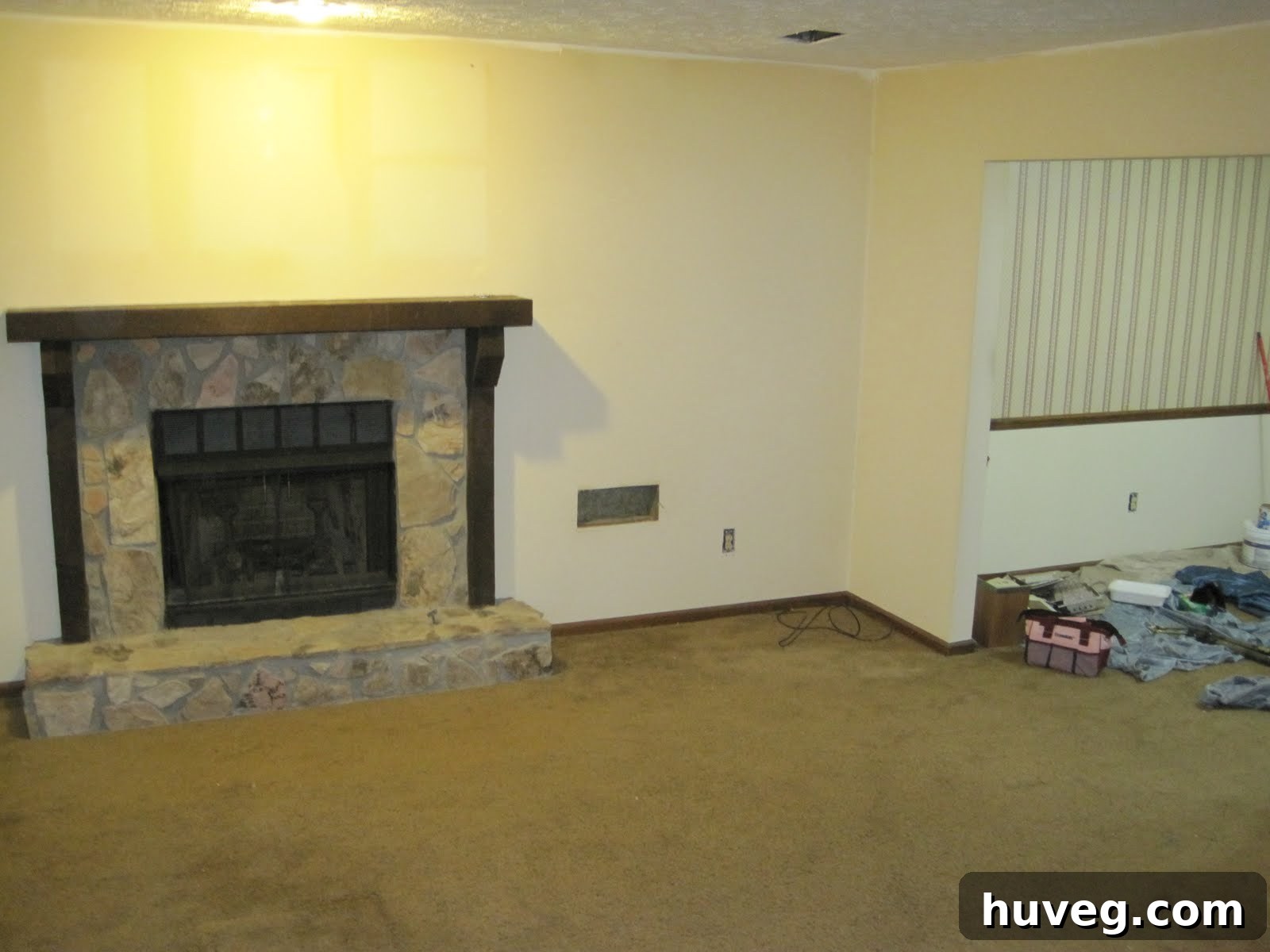
Seeing the culmination of these changes, especially replacing old, worn-out flooring like “nasty carpet,” is incredibly rewarding. The transformation can revitalize your entire home and enhance your daily living experience.
Conclusion: Your Journey to Beautiful New Floors
A home flooring renovation is a significant undertaking, but with careful planning, informed decisions, and the right support, it can be one of the most impactful improvements you make to your living space. From the initial measurement to the final installation and beyond, understanding each step ensures a smoother process and results that you’ll love for years to come. Whether you choose to tackle parts of it yourself or rely on seasoned professionals, remember that quality preparation and material selection are the cornerstones of a successful project. Embrace the journey, and look forward to stepping onto your beautiful new floors!
We hope this comprehensive guide has provided clarity and confidence for your upcoming flooring project. We’d love to hear from you! Do you have any tips, advice, or personal experiences from your own flooring renovations that you can share? Your insights can be incredibly helpful to others embarking on this exciting home improvement journey. Please feel free to share your comments and wisdom below!