Inner Vision Outer Reality

Revitalizing Your Home’s Exterior: The Critical Balance Between Inside and Out
As homeowners, we often find ourselves caught in a delightful paradox: the interior of our homes, the spaces we inhabit daily, frequently receive the lion’s share of our attention and renovation budget. We invest in modern kitchens, cozy living rooms, and tranquil bedrooms, creating personal sanctuaries that reflect our tastes and provide comfort. Yet, while our focus is understandably inward, the exterior of our homes plays an equally, if not more, crucial role in its overall health, value, and appeal. This often-overlooked aspect is not just about aesthetics; it’s about structural integrity, property value, and even insurance compliance. In this comprehensive guide, we’ll delve into the compelling reasons why your home’s exterior deserves your undivided attention and share insights from a real-life renovation journey.
Beyond Curb Appeal: Why Your Home’s Exterior Matters More Than You Think
While you might spend most of your time enjoying the newly painted walls and updated fixtures inside, the exterior of your home tells a very different story to the outside world. This visual narrative impacts more than just your personal satisfaction; it influences your neighbors’ perceptions, the overall aesthetic of your community, and, critically, your home’s market value. A well-maintained exterior signals pride of ownership and suggests a property that has been cared for both inside and out. Conversely, a neglected exterior can detract from curb appeal, potentially lowering property values not just for your home but for others in the vicinity.
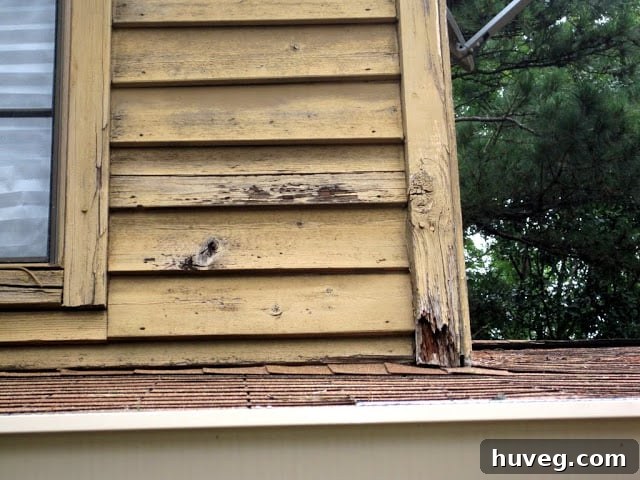
Beyond the immediate visual impact, there’s a practical and financial imperative to maintaining your home’s facade: insurance. Many homeowners are surprised to learn that their insurance providers take a keen interest in the condition of their property’s exterior. Deteriorated siding, damaged trim, or compromised structural elements can pose significant risks. These issues can lead to water intrusion, pest infestations, and further structural damage, all of which are costly to repair and increase the likelihood of future claims. Insurers, seeking to mitigate these risks, often require homeowners to address specific exterior deficiencies to maintain coverage or to avoid premium increases. My own experience brought this reality into sharp focus when my insurance company contacted me with a direct request to rectify several neglected exterior pieces, particularly around the chimney, highlighting the undeniable link between maintenance and coverage.
Initial assessment of the neglected chimney area, demonstrating the urgent need for repair.
The Legacy of an Older Home: Addressing Deferred Maintenance
My journey into comprehensive exterior renovation began with the acquisition of an older home, affectionately known as the “Ugly Duckling House.” Like many older properties, it came with its unique charm but also its share of challenges. The previous owner, due to physical limitations, had been unable to undertake much of the necessary maintenance, leading to years of accumulated wear and tear. While I deeply empathized with her situation, the reality was that the house had suffered from deferred maintenance, particularly on its exterior. This often meant that essential repairs were either postponed indefinitely or, when attempted, were done by well-meaning but often unqualified individuals.
This scenario is not uncommon for those venturing into older homeownership. You fall in love with the character and history, but you inherit the responsibility of its past. When I first purchased the house, its exterior condition was a stark contrast to the potential I saw within. For more details on the house’s initial state and its history, you can refer to this introductory post outlining my journey with the property.
The home as it appeared when first purchased, showcasing the extent of the exterior work required.
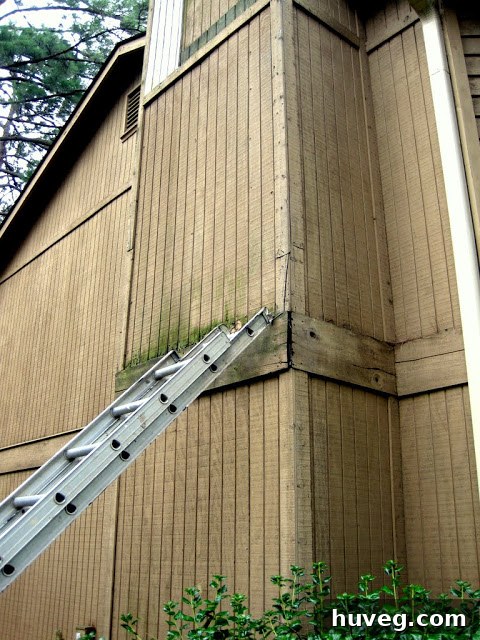
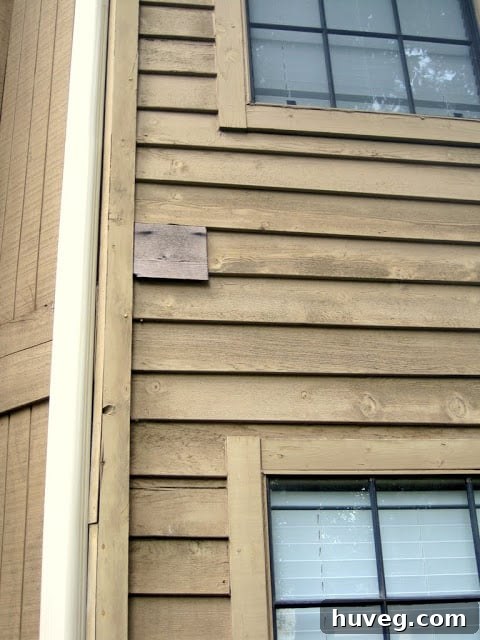
It’s easy to criticize past DIY efforts, but the truth is, many homeowners, myself included, often rely on friends, family, or our own limited expertise to save on costs. The previous owner likely faced similar dilemmas, attempting repairs with the best intentions but without the professional skill or materials required for lasting solutions. This often results in superficial fixes that merely mask underlying problems, providing a temporary aesthetic improvement but failing to address structural integrity or protection against the elements. This was particularly evident in several areas, including the chimney and a small section near the front window.
Evidence of previous, insufficient repairs around the chimney.
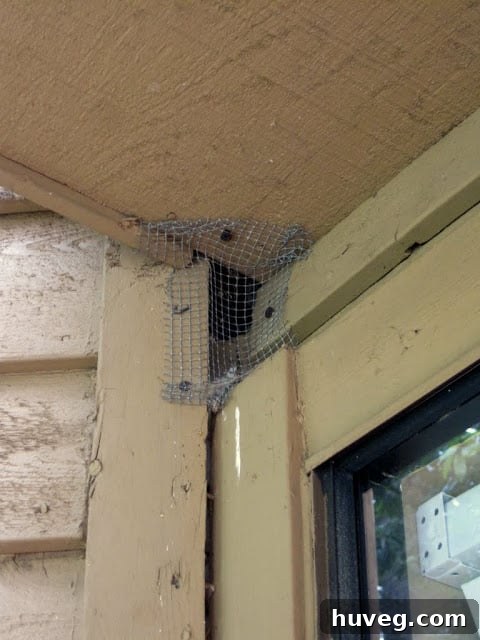
Another example of previous owner’s attempts at repair, failing to provide lasting protection.
Confronting the Damage: Dry Rot, Termites, and the Road to Repair
Recognizing that the exterior could no longer be ignored, and spurred by the insurance company’s request, I decided it was time to call in some reinforcements. This wasn’t a job for a quick paint-over; it required a thorough assessment and careful remediation. The initial inspection revealed significant issues that are all too common in older homes: dry rot and evidence of past termite activity. While the termite damage had been treated prior to my moving in, the physical repairs to the affected areas were never completed, leaving vulnerable sections of the house exposed.
Dry rot, a common fungal decay, can silently compromise the structural integrity of wooden components, turning solid timber into brittle, crumbling material. It thrives in damp conditions and, if left unchecked, can spread extensively, requiring substantial removal and replacement. Similarly, even after termite treatment, the damage left behind by these pests often means that the wood is structurally weakened and needs to be entirely removed and replaced to prevent future issues and restore strength to the framework.
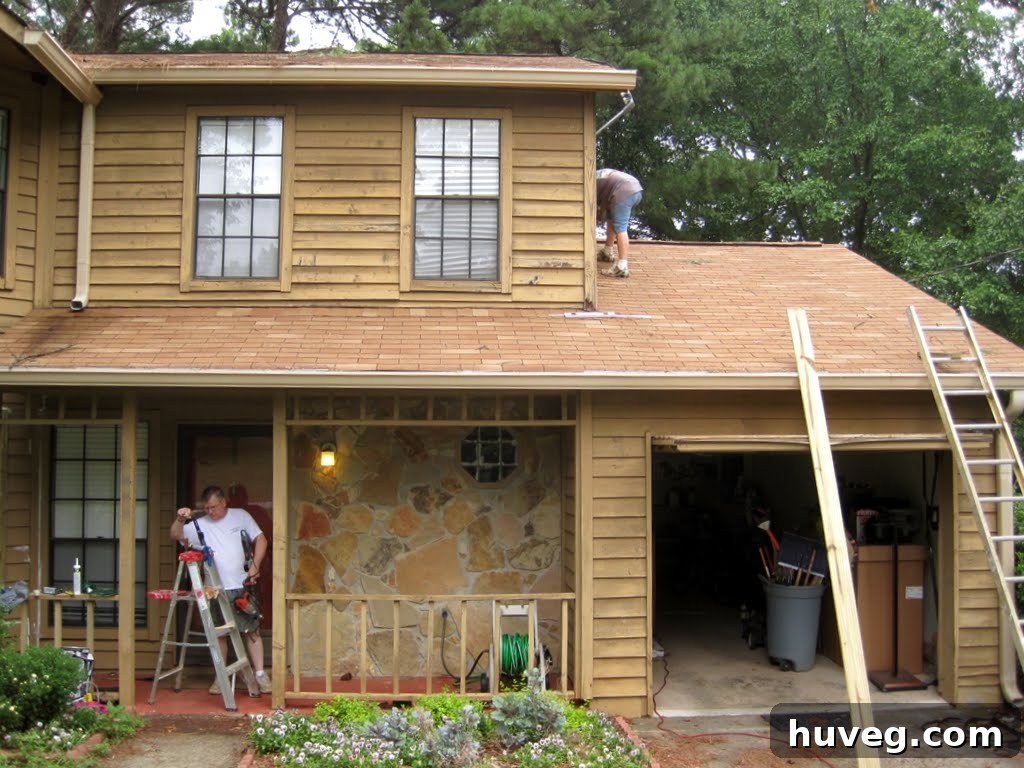
Beginning the process of removing damaged siding to assess underlying issues.
The first critical step was the careful removal of all affected wood. This stage demanded precision, as haphazard demolition could easily enlarge the problem area, leading to more extensive and costly repairs. Our goal was to meticulously cut away only the damaged sections, ensuring that the surrounding healthy wood remained intact. This selective approach minimized material waste and kept the project manageable.
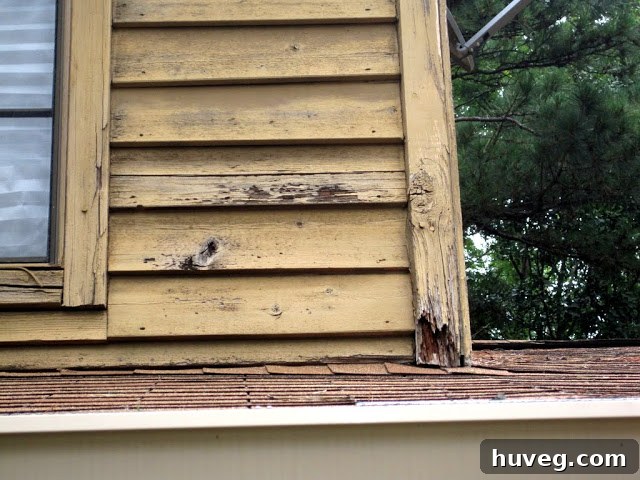
Exposed framing after the removal of dry-rotted and termite-damaged sections, revealing the extent of the necessary repairs.
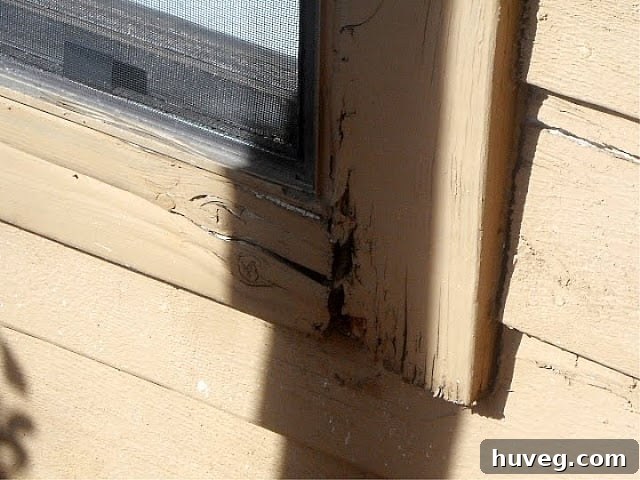
Further preparation after clearing damaged wood, ready for structural reinforcement.
Once the compromised wood was removed, the areas were treated to prevent future fungal growth or pest reinfestation, and then new, treated lumber was carefully fitted and secured. This foundational work is paramount; painting over rotten wood is a futile exercise that merely postpones inevitable structural failure. By addressing these core issues first, we ensured that the subsequent cosmetic improvements would be built upon a solid and durable foundation, protecting the investment for years to come.
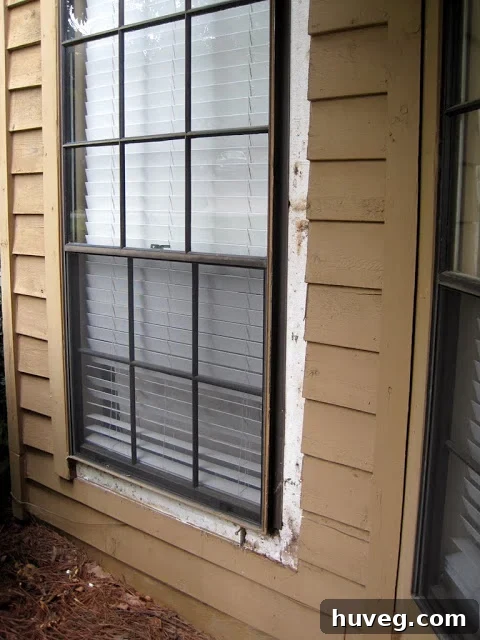
New lumber installed, providing a solid foundation for the repaired exterior.
Making Visible Progress: A Day of Transformation
It’s incredibly satisfying to see tangible results, especially after tackling the daunting, hidden damage of an old home. In just one afternoon, with focused effort and a systematic approach, we made considerable headway. The newly installed wood sections blended seamlessly with the existing structure, instantly improving the overall appearance and, more importantly, the structural integrity of the affected areas. This stage involved not just fitting new pieces but also patching and preparing surfaces for the next crucial step: painting.
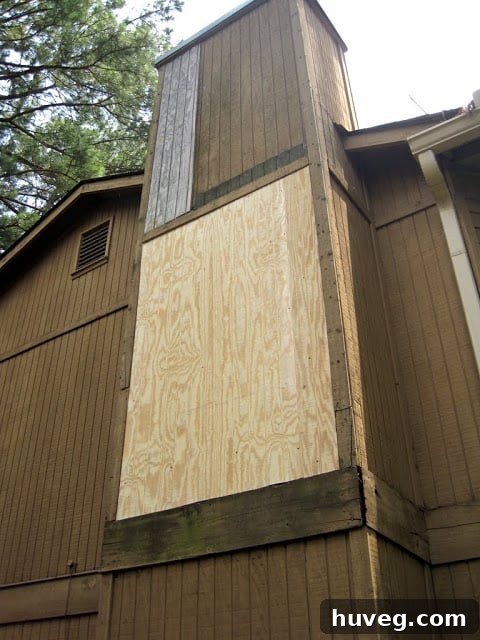
Significant progress after one afternoon of repairs, with new wood in place.
The Art of Exterior Painting: Challenges and Solutions
Painting the exterior of a house, especially an older one with varying textures and heights, presents its own set of challenges. Being vertically challenged myself, reaching the higher sections required careful planning and appropriate equipment. The looming threat of rain clouds also added a sense of urgency, emphasizing the need for efficiency without compromising quality. The house’s stucco texture, with its characteristic grooves and uneven surface, demanded a specific approach. While a regular roller might suffice for smooth siding, stucco requires a heavy-nap stucco roller to adequately penetrate and cover the textured surface, ensuring an even and durable finish. Attempting contortionist moves on a ladder at significant heights for a tiny groove is simply not worth the risk.
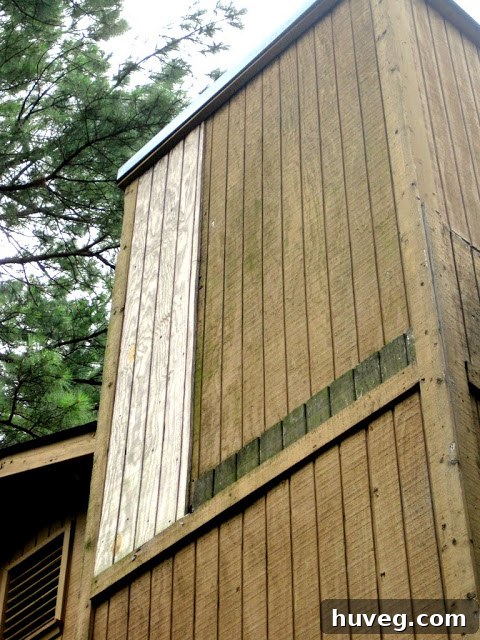
Despite these hurdles, the impact of fresh paint was immediate and dramatic. Even a partial application instantly brightened the facade and tied the new repairs into the existing structure. It was clear that the painstaking work of replacing damaged wood had paid off, creating a smooth and resilient canvas for the final coat.
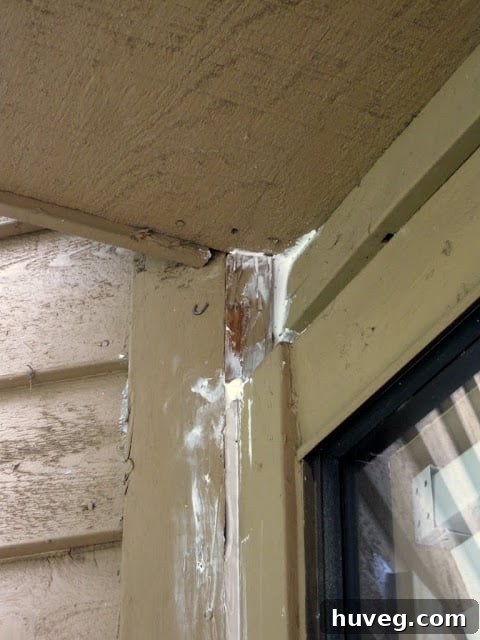
The refreshed exterior after initial painting, demonstrating a marked improvement.
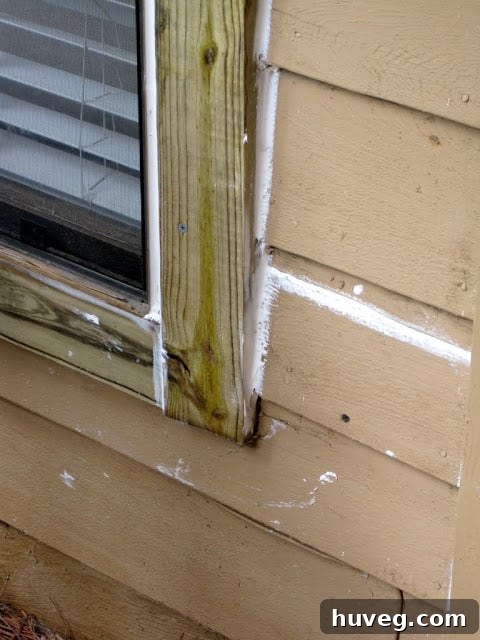
A closer look at the fresh paint, bringing new life to the home’s exterior.
Looking Ahead: The Vision for a Cohesive Exterior
While the immediate repairs and initial painting significantly improved the house’s appearance, the journey is far from over. There are still a few areas that require attention, but the overall transformation is undeniable. The house now projects a much healthier and more inviting image. The current paint color will remain consistent with the original, though the sun’s bleaching effect means a full repaint of all exterior surfaces will be necessary to achieve a uniform look and eliminate noticeable differences between old and new sections. This also presents an exciting opportunity to re-evaluate design choices.
One particular area of contemplation is the trim color. Currently, the trim blends in with the rest of the exterior, creating a monochromatic facade. I’m exploring the idea of painting the trim a lighter, contrasting color to make it stand out more, adding depth and architectural interest to the house. This can dramatically enhance curb appeal, highlighting features like windows, doors, and cornices. What are your thoughts on this? Do you prefer a cohesive, blended look, or do you think a contrasting trim color would elevate the home’s aesthetic? I’m always open to suggestions and insights from fellow renovation enthusiasts.
The exterior renovation is a marathon, not a sprint. My next immediate project is tackling the garage paint this weekend. I’ve chosen the garage first because it’s a relatively finite area that I can safely reach without needing extensive scaffolding or roof access. I also appreciate how a freshly painted garage, blending seamlessly with the main house, contributes to a tidy and intentional look without drawing undue attention away from the primary structure. Following the garage, I plan to move on to the small porch area, which will include not only fresh paint for the walls and ceiling but also a new coat of paint for the front door, offering a welcoming focal point for visitors. Each small step brings the overall vision closer to reality, creating a home that is as beautiful and well-maintained on the outside as it is on the inside.
Investing in Your Home’s Future: A Holistic Approach
Ultimately, the renovation of your home’s exterior is much more than a cosmetic upgrade; it’s a vital investment in its longevity, value, and structural integrity. From addressing critical issues like dry rot and termite damage to meticulously preparing surfaces for painting and thoughtfully selecting accent colors, every step contributes to the overall health and appeal of your property. Neglecting the exterior can lead to escalating problems and unforeseen expenses, making proactive maintenance not just a choice, but a necessity. By embracing a holistic approach to home care, balancing your love for interior design with a keen eye for exterior preservation, you ensure that your home remains a source of pride, protection, and lasting value for years to come. What exterior projects are you considering for your home?