Dining Room Evolution

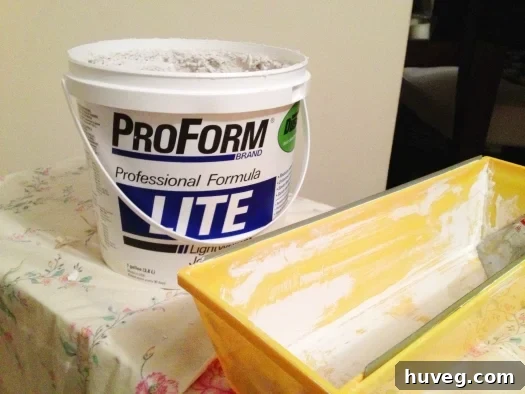
Embarking on a home renovation project often involves tackling tasks that are foundational yet incredibly transformative. Among these, skim coating stands out as a process that, while demanding patience and precision, yields incredibly rewarding results: perfectly smooth, flawless walls. My recent delve back into this meticulous work, particularly in the bathroom, has been a journey of progress, slowly but surely bringing me closer to a beautifully refreshed space. Having successfully depleted one bucket of joint compound, a testament to the extensive prep work, I’ve now eagerly moved on to a fresh supply, ready to continue perfecting every surface.
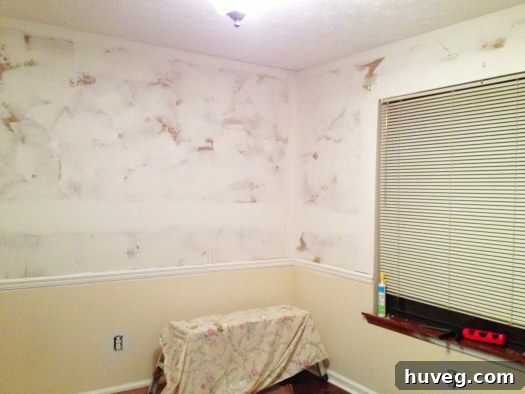
Ah, there’s a unique sense of anticipation that comes with cracking open a brand new bucket of joint compound. It’s not just a material; it represents a fresh start, a clean slate for achieving those pristine walls every homeowner dreams of. This simple act of preparation marks the transition from planning and demo to the delicate art of surface refinement. Each scoop and application brings the vision of smooth, paint-ready walls closer to reality, transforming tired, imperfect surfaces into a canvas for future decor.
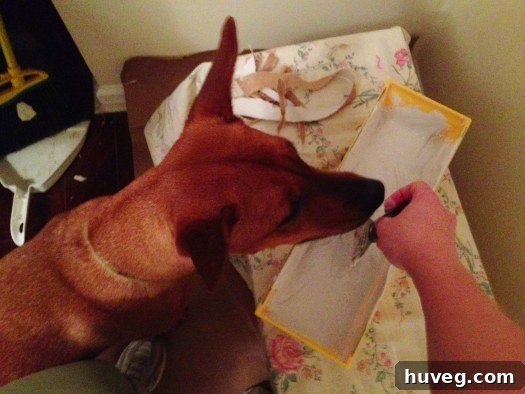
I must apologize for the slightly grainy quality of these night photos. The truth is, most of my dedicated renovation time, especially lately, happens after my workday concludes. As the days begin to lengthen, I eagerly anticipate the return of brighter evenings, which will undoubtedly make capturing the progress in better light much easier. Despite the late hours, the quiet solitude of working on my projects is often accompanied by my loyal companion, Charlie. She remains a constant fixture by my side; whether she’s curled up peacefully in the corner of the room I’m transforming or playfully investigating my latest task with her curious nose, her presence makes the arduous work feel a little less solitary and a lot more comforting.
For those embarking on a similar journey, especially if your project involves rejuvenating walls after the challenging task of wallpaper removal, understanding the nuances of skim coating is paramount. I’ve previously crafted a comprehensive guide during our primary bath renovation that delves into every specific detail of this process. It covers everything from preparing your walls and selecting the right tools to mastering the application techniques that ensure a flawless finish. Simply click here to access that detailed tutorial, packed with all my tried-and-true advice and personal insights. While I found the initial learning curve for skim coating quite enjoyable and satisfying, it has now evolved into one of those essential tasks—a necessary bridge to cross—that brings me closer to the truly gratifying final stages of a project.
Mastering Skim Coating: The Ultimate Guide to Flawless Walls
Skim coating is a crucial technique in drywall finishing, used to create a perfectly smooth, uniform surface over existing walls or ceilings. It’s often the unsung hero behind a pristine paint job, capable of masking imperfections, covering wallpaper glue residue, or simply evening out a textured surface. Far from being a mere cosmetic fix, a well-executed skim coat provides a durable, professional-grade foundation that enhances the longevity and appearance of your interior spaces. Whether you’re dealing with walls that have seen better days, are recovering from wallpaper removal, or simply aiming for a superior finish, mastering skim coating is an invaluable skill for any DIY enthusiast or homeowner.
Why Skim Coating is Essential for Your Home Renovation
The reasons to invest time and effort in skim coating are numerous. Firstly, it’s the ideal solution for salvaging walls that bear the scars of previous decorating choices, such as old paint drips, minor dents, or residual adhesive from wallpaper. Instead of tearing down and replacing drywall, a skim coat offers a cost-effective and less labor-intensive alternative. Secondly, it prepares your walls for a flawless paint application. Paint adheres better to a smooth, uniform surface, resulting in a more vibrant color, fewer visible brush strokes, and a professional finish that can significantly elevate the aesthetic of any room. This process also adds a layer of durability to your walls, protecting them and ensuring they stand the test of time, resisting minor scuffs and marks more effectively.
Gathering Your Arsenal: Essential Tools and Materials for Skim Coating
Before you begin, assembling the right tools is paramount for a successful skim coating project. Here’s a checklist to ensure you’re fully equipped:
- Joint Compound (Mud): Choose a lightweight, all-purpose joint compound. For larger projects, consider a powder form that you mix yourself, allowing you to control the consistency.
- Trowels and Drywall Knives: You’ll need a range of sizes, typically a 6-inch knife for scooping mud, a 10-inch or 12-inch knife for application, and a larger skim coat blade (18-24 inches) for covering wider areas efficiently.
- Mud Pan or Hawk: Essential for holding and transferring joint compound from the bucket to your trowel.
- Drill with Paddle Mixer Attachment: For mixing the joint compound to achieve a smooth, lump-free consistency, especially if using a powdered variety or needing to thin down pre-mixed mud.
- Sanding Pole with Fine-Grit Sandpaper: A sanding pole allows you to comfortably sand large wall areas. Use 220-grit sandpaper for a smooth finish.
- Dust Mask and Safety Glasses: Crucial for protecting yourself from fine drywall dust during sanding.
- Drop Cloths or Plastic Sheeting: To protect your floors and furniture from spills and dust.
- Primer: A high-quality primer is essential after skim coating and before painting to ensure optimal paint adhesion and a uniform finish.
- Clean Water and Sponges: For cleaning tools and occasionally dampening walls if needed.
The Step-by-Step Skim Coating Process for Impeccable Walls
Executing a perfect skim coat requires patience and adherence to a methodical process. Follow these steps to achieve professional results:
- Wall Preparation is Key: Begin by thoroughly cleaning your walls. Remove all dust, dirt, grease, and any loose paint chips. If you’ve removed wallpaper, ensure all adhesive residue is completely scrubbed off. Fill any large holes or cracks with patching compound and allow it to dry. A clean, stable surface is critical for adhesion.
- Mix Your Joint Compound: If using powdered mud, mix it according to the manufacturer’s instructions to a smooth, creamy consistency, similar to thick pancake batter. If using pre-mixed compound, you might need to add a small amount of water and mix it with your paddle mixer to achieve the ideal spreadable texture.
- Apply the First Thin Coat: Scoop a generous amount of mud onto your mud pan or hawk. Using your 10-inch or 12-inch drywall knife, apply a very thin, even layer of joint compound to the wall. Hold the knife at a 30-degree angle to the wall, starting from a corner or edge and working your way across. Overlap each stroke slightly to prevent ridges. The goal is to fill in imperfections, not to build up thick layers.
- Allow Adequate Drying Time: This is a critical step where patience is a virtue. Depending on humidity, temperature, and coat thickness, the first coat can take anywhere from a few hours to overnight to dry completely. The surface should be uniformly light in color and dry to the touch before proceeding.
- Light Sanding of the First Coat: Once dry, lightly sand the entire skim-coated surface with your sanding pole and 220-grit sandpaper. The aim is to remove any high spots, ridges, or imperfections left from the application. Be gentle; you’re not trying to remove the coat, just smooth it. Wipe down the walls thoroughly with a damp cloth to remove all dust.
- Apply the Second Coat (If Necessary): For significantly textured walls or to achieve an ultra-smooth finish, a second skim coat is often beneficial. Repeat the application process, ensuring it’s as thin and even as the first. This layer will further refine the surface and eliminate any remaining minor flaws.
- Final Sanding and Cleaning: After the second coat has completely dried, perform a final, very light sanding with 220-grit paper. The goal here is perfection. Once satisfied, meticulously clean the walls to remove all dust. A shop vac with a brush attachment can be useful, followed by a damp cloth.
- Prime Before Painting: Do not skip this step! A high-quality primer seals the skim coat, prevents paint from soaking in unevenly, and ensures a consistent, vibrant final color. Apply one or two coats of primer according to the manufacturer’s instructions.
Expert Tips for a Professional Skim Coat Finish
- Work in Sections: Don’t try to tackle an entire large wall at once. Work in manageable sections that you can complete before the mud starts to dry.
- Maintain a Clean Trowel: Regularly scrape off excess mud from your trowel into the pan to prevent dried bits from creating streaks on your wall.
- Good Lighting is Your Friend: Use a bright work light positioned to shine across the wall, highlighting any imperfections or uneven spots as you work.
- Practice Makes Perfect: Skim coating is a skill that improves with practice. Don’t be discouraged if your first attempts aren’t flawless. Start in a less visible area if possible.
- Patience with Drying Times: Rushing the drying process can lead to cracking, bubbling, or an uneven finish. Always allow sufficient time between coats.
The Transformative Power and Long-Term Benefits of Skim Coating
The effort invested in skim coating pays dividends long after the paint has dried. Beyond the immediate aesthetic appeal of perfectly smooth walls, a well-executed skim coat adds tangible value to your home. It creates a high-end finish that is durable and easy to clean, resisting the wear and tear of daily life more effectively than untreated, rougher surfaces. This meticulous preparation also means your paint will last longer and look better, offering a truly professional result that speaks volumes about the care and attention given to your living space. What might initially feel like a laborious “task you have to do” transforms into a source of immense satisfaction, knowing you’ve built the ideal foundation for a beautiful and lasting interior.
As you can see, skim coating is more than just applying mud to a wall; it’s a careful, multi-step process that, when done correctly, can dramatically enhance the beauty and longevity of your home’s interior. For an even more in-depth exploration of techniques, troubleshooting, and personal anecdotes from my own renovation journeys, I strongly encourage you to revisit my detailed tutorial. It’s a resource designed to empower you with the knowledge and confidence needed to achieve a truly professional finish. Embrace the journey, and enjoy the incredibly rewarding outcome of truly flawless walls.
Ultimately, the satisfaction of standing back and admiring a perfectly smooth, beautifully painted wall—a surface you meticulously prepared yourself—is one of the most gratifying rewards of any home renovation project. It’s a testament to dedication, skill, and the pursuit of excellence in creating a home that truly shines.