Footprints of Daily Rituals

Transforming Your Bathroom Floor: From Dated Linoleum to Modern Oasis
Every home has its quirks, and sometimes, those quirks reside in the most unexpected places – like right under your feet. After a recent discussion about bathroom aesthetics, a perceptive reader wisely pointed out a glaring omission: the bathroom floor. Indeed, for all the world to see, and often, to cringe at, there’s a certain floor that often goes unnoticed until you step out of the shower. Today, we’re pulling back the bathmat to reveal a floor that tells a story, a story many homeowners can likely relate to: the saga of a less-than-luxurious bathroom floor that’s seen better days.
Beyond the Surface: The Unveiling of a Bathroom Floor’s Imperfections
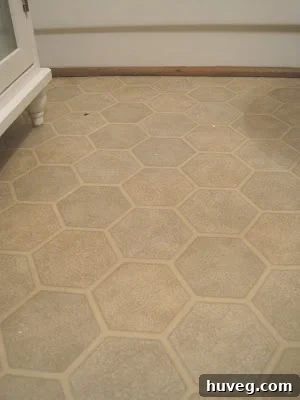
Let’s be clear upfront: this isn’t a case of mere dirt. Oh no. This particular floor maintains its unique charm even after a thorough scrub. What you behold is its natural, “clean” state. That prominent dark spot? That’s not a shadow or an optical illusion; it’s a nail, steadfastly protruding through the linoleum, a testament to… well, something. Alongside this architectural marvel, you’ll find an eclectic assortment of rust marks and paint splatters – though, in fairness, the latter might be attributed to an ambitious ceiling painting project gone slightly awry. One might call it character; others, perhaps, an urgent plea for renovation. Luxurious, don’t you think?
And did your keen eye catch another fascinating detail? Nestled between the bathtub and the floor lies a strip of *wooden quarter round*. Yes, you read that correctly: wood. In a bathroom. Where water routinely splashes, steam condenses, and humidity reigns supreme. One can only imagine the genius behind such a design choice. The subtle, earthy aroma of wood rot is precisely the refreshing scent one desires after a steamy shower, isn’t it? Perhaps a pair of perpetually wet sneakers could be added to the ensemble to truly complete this symphony of moisture and decay.
The Anatomy of a Bathroom Floor’s Woes: Why These Issues Matter for Your Home
It’s easy to dismiss these imperfections as mere cosmetic flaws, but they often signal deeper problems and can impact a bathroom’s functionality, hygiene, and even safety. Understanding these common bathroom floor issues is the first step towards a successful renovation and creating a healthier home environment.
The Mysterious Protrusion: A Nail’s Rebellion
A nail emerging from the linoleum isn’t just an eyesore; it’s a trip hazard and a sign of potential subfloor issues. Linoleum, especially older varieties, can become brittle and less forgiving over time. A nail pushing through indicates movement or damage to the subfloor underneath. This could be due to moisture infiltration, structural shifts, or simply poor installation techniques from decades past. Beyond the aesthetic blunder, such a protrusion can snag feet, tear the linoleum further, and even allow moisture to seep into the subfloor, creating a breeding ground for mold, mildew, and unpleasant odors. Addressing this isn’t just about looks; it’s about safety and preventing greater damage.
Stains of Time: Rust, Paint, and General Wear
Rust spots on a bathroom floor are particularly concerning. They often originate from metal objects left on the surface (like discarded hairpins, shaving cream cans, or old plumbing fixtures), but more alarmingly, they can indicate hidden moisture issues beneath the surface reacting with metal components in the subfloor or fixture fasteners. Paint splatters, while sometimes superficial, speak to a lack of care during previous renovation attempts and detract from any sense of cleanliness. The overall wear and tear on an old linoleum floor also highlights its limited lifespan and susceptibility to damage, making it less hygienic and harder to clean effectively. These marks are not just blemishes; they are indicators of a floor past its prime, failing to provide the clean, resilient surface a modern bathroom demands.
The Perilous Perimeter: Wooden Quarter Round in a Wet Zone
Perhaps the most perplexing design choice in this bathroom’s history is the use of wooden quarter round where the tub meets the floor. Wood, by its very nature, is porous and highly susceptible to water damage, especially in a consistently wet and humid environment like a bathroom. The inevitable outcome is wood rot, which not only looks unsightly and smells unpleasant but also compromises the structural integrity of the trim and potentially the surrounding walls or subfloor. Rotting wood can harbor mold, attract pests, and lead to more extensive and costly repairs down the line if left unaddressed. Proper bathroom design mandates water-resistant materials and meticulous sealing around wet areas to prevent such disastrous and unhealthy outcomes.
Questioning the Past: Who Found This Attractive? And Why Bathroom Flooring Trends Evolve
It truly begs the question: at what point in history did someone look at a floor in this condition or select materials prone to such rapid decay, and think, “Yes, this is perfect for a bathroom”? Was “dirt” truly considered a fashionable color for a space meant for cleanliness and rejuvenation? Perhaps it was a testament to severe budget constraints, bygone trends that valued cheapness over durability, or a significant oversight in understanding the unique demands of a bathroom environment where moisture is a constant threat. Regardless of the historical rationale, modern homeowners are now faced with the task of undoing these past decisions and creating spaces that are both functional, aesthetically pleasing, and built to last. Understanding past mistakes helps us make smarter choices for current and future renovations.
Why Your Bathroom Floor Matters More Than You Think: Beyond Surface Beauty
Beyond immediate aesthetics, a bathroom floor plays a critical role in the overall health, safety, and functionality of your home. It’s not just a surface to walk on; it’s a primary shield against water damage, a foundation for hygiene, and a key element in your home’s long-term value. A poorly chosen or deteriorating floor can lead to a cascade of negative consequences:
- Hygiene Issues: Cracks, gaps, and porous materials can trap dirt, moisture, mold, and bacteria, leading to an unhealthy environment and persistent odors.
- Safety Hazards: Loose flooring, protruding nails, or excessively slippery surfaces increase the risk of trips and falls, especially in a wet environment.
- Structural Damage: Water seeping through inadequate flooring can severely damage subfloors, ceiling joists below, and even lead to rot in walls, resulting in costly and extensive repairs.
- Decreased Home Value: An outdated, damaged, or poorly maintained bathroom significantly detracts from a home’s market appeal and can lower its resale value.
- Personal Comfort and Well-being: A beautiful, clean, and durable bathroom floor contributes significantly to a refreshing, relaxing, and enjoyable daily routine, impacting your overall well-being.
Exploring Modern Bathroom Flooring Solutions: Beyond the Linoleum Nightmare
Thankfully, today’s market offers an incredible array of durable, water-resistant, and stylish flooring options perfect for transforming even the most challenging bathroom floors. When considering a renovation, it’s paramount to prioritize materials that can reliably withstand moisture, frequent cleaning, and heavy foot traffic, ensuring longevity and lasting beauty.
Ceramic and Porcelain Tile: The Enduring Classic for Bathroom Floors
Ceramic and porcelain tiles remain perennial favorites for bathrooms, and for very good reason. They are almost entirely waterproof, incredibly durable, and come in an astonishing variety of colors, patterns, and sizes, allowing for endless design possibilities. Porcelain tile, in particular, is denser and even less porous than ceramic, making it an excellent choice for high-moisture areas like shower floors or entire bathroom floors.
- Pros: Excellent water resistance, highly durable, vast design options (from classic to contemporary), easy to clean and maintain, adds significant home value.
- Cons: Can be cold underfoot (though radiant heating systems can alleviate this), hard surface, grout lines require sealing and can be prone to staining if not maintained properly.
Luxury Vinyl Plank (LVP) and Luxury Vinyl Tile (LVT): The Versatile Contender
LVP and LVT have surged in popularity due to their remarkable ability to mimic natural materials like wood and stone, combined with exceptional performance in wet environments. These multi-layered synthetic products are completely waterproof, making them an ideal and highly practical choice for any bathroom, offering both style and resilience.
- Pros: 100% waterproof, highly durable and scratch-resistant, warmer and softer underfoot than traditional tile, relatively easy to install (often click-and-lock systems, perfect for DIY bathroom updates), wide range of realistic designs to suit any aesthetic.
- Cons: Can be susceptible to dents from very heavy or sharp objects, quality varies significantly between brands (choose reputable manufacturers), may not add as much perceived resale value as natural stone or high-end porcelain to some buyers.
Sheet Vinyl: The Modern Evolution of Linoleum
Forget the thin, easily torn linoleum nightmares of the past. Modern sheet vinyl offers a continuous, seamless, and highly water-resistant surface, making it an excellent and remarkably affordable choice for bathrooms, particularly those on a budget. It’s softer underfoot than tile and comes in a wide array of patterns, including convincing imitations of other materials.
- Pros: Excellent water resistance (especially with seamless installations), very affordable, comfortable underfoot, extremely easy to clean with minimal seams.
- Cons: Can be prone to tears or punctures from sharp objects, professional installation often recommended for a truly seamless and perfectly laid look, generally less luxurious appeal compared to LVP or tile.
Engineered Wood and Laminate: Proceed with Caution (or Specific Bathroom Variants)
While traditional hardwood, engineered wood, and laminate are generally not recommended for bathrooms due to their inherent susceptibility to moisture damage, some manufacturers now offer specialized water-resistant or even waterproof engineered wood and laminate products specifically designed for wet areas. Always verify their suitability for full bathroom use and ensure proper installation with waterproof adhesives and sealants before committing.
- Pros: Can offer a warm, natural wood look (for specific water-resistant variants), generally easier to install than traditional tile, appealing to those who desire wood aesthetics in a bathroom.
- Cons: Traditional types are highly vulnerable to water damage, even the water-resistant versions require careful installation and maintenance to prevent moisture ingress, can be a more costly option with specific installation requirements.
Concrete Floors: Industrial Chic Meets Durability
For a truly contemporary, minimalist, and robust look, polished concrete floors are gaining significant traction in modern bathroom design. When properly sealed with a high-quality sealant, concrete is incredibly durable, entirely waterproof, and offers a unique industrial aesthetic that can be customized with stains or dyes.
- Pros: Extremely durable and long-lasting, waterproof (when professionally sealed), unique modern or industrial aesthetic, very low maintenance once installed.
- Cons: Very hard and cold underfoot (requires rugs or radiant heating for comfort), requires professional installation for proper polishing and sealing, can be expensive initially, limited design flexibility compared to other options.
Beyond the Floor: Addressing Bathroom Trim and Sealing for Long-Term Durability
Replacing the floor is only half the battle. To prevent future issues like the dreaded wooden quarter round rot and ensure your new bathroom floor remains pristine for years to come, it’s crucial to address the trim and sealing around all wet areas properly and thoroughly. This critical step often gets overlooked but is essential for waterproof integrity.
- Waterproof Trim Materials: Ditch the wood for trim in bathrooms. Opt for trim made from PVC, composite materials, or even tile trim. These materials are inherently resistant to moisture, will not rot, warp, or support mold growth, making them ideal for high-humidity environments.
- Caulking and Sealants: Use high-quality, mildew-resistant silicone caulk to meticulously seal all gaps where the floor meets walls, around the tub, shower base, and toilet. This creates a watertight barrier that prevents moisture infiltration into the subfloor or wall cavities. Regularly inspect and reapply caulk as needed (typically every 1-2 years) to maintain its effectiveness.
- Proper Subfloor Preparation: Before laying any new flooring, ensure the subfloor is clean, dry, level, and entirely free of any damage, mold, or old adhesive residue. Address any existing water damage or structural issues to provide a stable, sound, and long-lasting foundation for your new floor. A waterproof membrane or backer board may also be necessary depending on the chosen flooring material.
Planning Your Bathroom Floor Renovation: A Step-by-Step Guide to Success
Embarking on a bathroom floor renovation can seem daunting, but with careful planning, it can be a rewarding project that significantly enhances your home’s functionality and aesthetic appeal. Follow these steps for a smoother renovation journey:
- Assess the Current Situation Thoroughly: Begin by inspecting your existing floor and subfloor for any damage, mold, signs of water leaks, or structural issues. This initial assessment is crucial for determining the scope of work and anticipating potential hidden costs.
- Set a Realistic Budget: Factor in material costs, potential subfloor repairs or replacement, necessary tools, and labor if you’re hiring professionals. Always include an emergency fund (10-15% of the total budget) for unexpected issues that might arise during the project.
- Choose the Right Flooring Material: Consider durability, water resistance, aesthetic appeal, maintenance requirements, and your budget. Order samples to see how different materials look in your bathroom’s lighting and complement your existing decor.
- Decide on DIY vs. Professional Installation: Some flooring types (like LVP or sheet vinyl) are more DIY-friendly for experienced homeowners, while others (like complex tile patterns, large format tiles, or polished concrete) typically require professional expertise to ensure a high-quality, lasting finish. Be honest about your skill level, available time, and tool access.
- Prepare the Subfloor Meticulously: This is arguably the most critical step. A properly prepared subfloor ensures the longevity and optimal performance of your new flooring. This may involve repairing damage, leveling uneven areas, and installing a waterproof membrane or cement backer board for tile.
- Installation and Finishing Touches: Carefully follow the manufacturer’s guidelines for your chosen flooring material during installation. Don’t forget to install appropriate waterproof trim materials and meticulously caulk all seams where the floor meets vertical surfaces for a completely watertight and polished finish.
Conclusion: Stepping Towards a Beautiful, Functional Bathroom
From the humorously horrifying tale of a nail-pierced linoleum and rotting wooden quarter round, we’ve journeyed through the critical importance of a well-chosen bathroom floor and explored the wealth of modern, durable solutions available. Your bathroom floor is far more than just a surface; it’s an integral part of your home’s comfort, hygiene, safety, and overall aesthetic appeal. By making informed choices, investing in quality materials, and ensuring proper installation and sealing, you can transform a dated, problematic space into a fresh, functional, and truly luxurious oasis. So go ahead, dream big for your bathroom – it deserves a floor that feels as good as it looks, and performs even better. What’s your bathroom floor story, or what modern marvel are you considering for your next renovation project? Share your thoughts and inspire others!