Achieve Flawless Finishes 7 Spray Painting Essentials

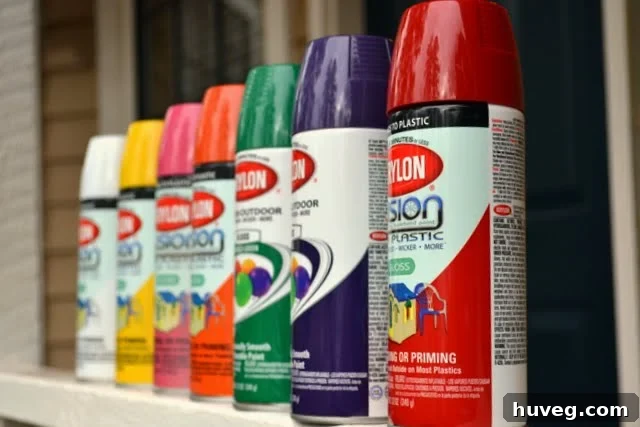
Welcome to the world of spray paint! For anyone passionate about DIY projects and home transformations, spray paint is nothing short of a miracle tool. It’s not just a can of paint; it’s a can of instant gratification, offering a quick, cost-effective, and remarkably effective way to revitalize almost any object. Unlike traditional brush painting that demands endless coats, meticulous strokes, and a hefty dose of patience, spray paint delivers a smooth, even finish in a fraction of the time. This powerful versatility makes it a go-to for craft enthusiasts, budget decorators, and anyone looking to breathe new life into old items.
Having used spray paint extensively over the years for countless projects, I’ve gathered a wealth of experience, learned from a few mishaps, and discovered some truly effective techniques. My aim is to share these easy spray painting tips with you, helping you achieve professional-looking results without the frustration, saving you both time and effort on your next creative endeavor. Whether you’re a seasoned DIYer or just starting, these insights will empower you to tackle everything from small decorative items to larger furniture pieces with confidence.
Let’s consider a common scenario many homeowners face: an outdated bathroom fixture. For instance, the mirror in my bathroom was a prime candidate for a refresh. Due to its design, with a medicine cabinet discreetly hidden behind it, simply replacing the entire unit would have been an unnecessarily expensive and complex ordeal. The problem? It was undeniably, unequivocally U-G-L-Y. While I regret not capturing a detailed “before” picture, imagine a dated, dull gold frame, further diminished by layers of caked-on dust and grime. It was an eyesore that diminished the entire room’s aesthetic, screaming for a modern update.
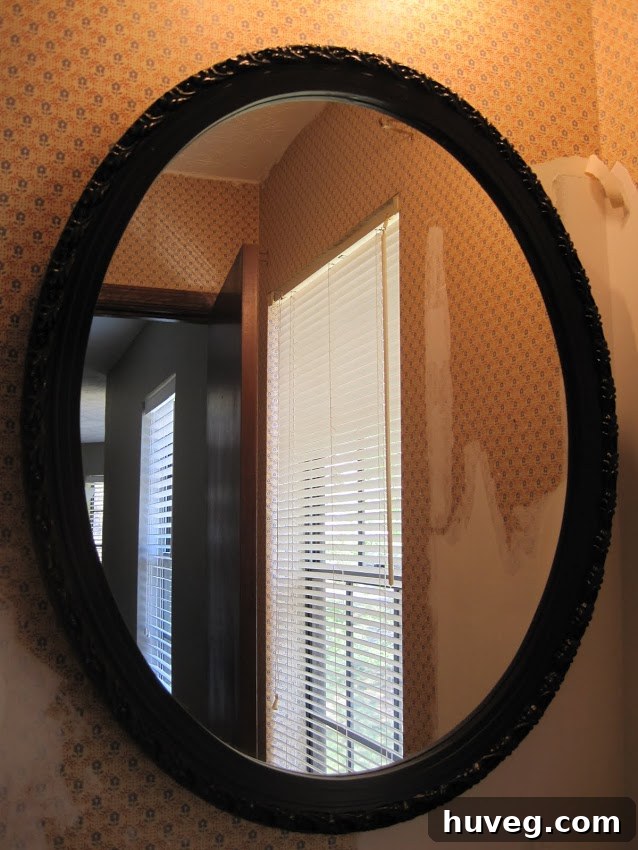
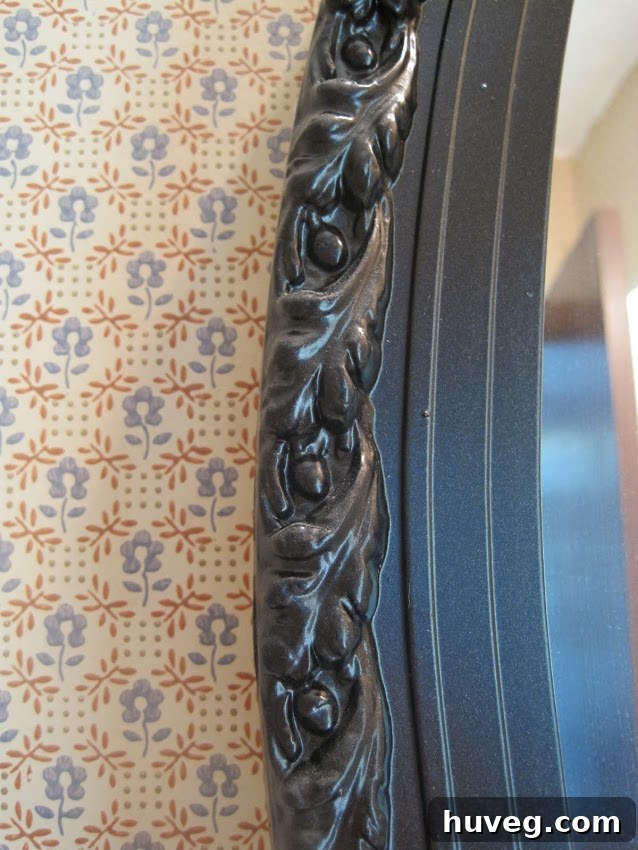
The solution was surprisingly simple and incredibly budget-friendly. A single can of Rustoleum Metallic Spray in Dark Bronze was all it took to utterly transform that tired, yellow-gold frame into a sophisticated, contemporary piece. Of course, this transformation followed a meticulous and thorough cleaning process – a crucial step often overlooked but absolutely essential for a lasting finish. While this might not be the ultimate, permanent renovation for the entire room, it’s a testament to how even a small, impactful change can significantly elevate the space’s appeal. Every little detail truly helps in creating a cohesive and inviting environment. The close-up below reveals the stunning, updated finish, showcasing the power of a simple spray paint makeover.
Inspired by such successful makeovers, and driven by a genuine passion for spray painting, I’ve compiled a comprehensive guide. These are my tried-and-true techniques for achieving exceptional results every time, ensuring your projects turn out exactly as you envision them. From preparation to application, mastering these fundamental spray painting tips will not only enhance your finished product but also make the entire DIY process more enjoyable and less daunting. Let’s dive into the essential strategies that will elevate your spray painting game.
Mastering the Art of Spray Painting: Essential Tips and Tricks for DIY Enthusiasts
Spray painting can be incredibly rewarding, turning ordinary objects into extraordinary pieces. But like any craft, it has its nuances. By following these tried-and-tested tips, you’ll avoid common pitfalls and achieve a flawless, durable finish on all your DIY projects. These techniques will transform you from a novice to a confident spray paint artist, ensuring every item you tackle looks professionally done.
1. Match the Material to the Can: The Foundation of a Flawless Finish
This might seem like common sense, but it’s the most crucial step often overlooked. The world of spray paint is vast, with formulations specifically engineered for different surfaces. Attempting to paint metal with a general-purpose plastic paint, or vice versa, is a recipe for disaster. Always take the time to read the labels on the spray paint can. These labels aren’t just for show; they provide a vital list of materials the paint is designed to adhere to, such as wood, metal, plastic, ceramic, or even fabric. Using the wrong type of paint means risking poor adhesion, premature peeling, bubbling, and a finish that looks worse than when you started. For instance, some paints are flexible for plastics, others offer rust protection for metal, and specialty paints like Krylon Fusion are designed to bond exceptionally well without primer on slick surfaces. Selecting the correct product ensures optimal adhesion, durability, and a smooth, professional-grade result that stands the test of time.
2. Start with a Squeaky Clean Surface: Preparation is Key to Adhesion
Imagine trying to apply a sticker to a dusty, greasy window – it just won’t stick properly, or it will quickly peel off. The same principle applies to spray painting. Paint simply will not adhere evenly or durably to a dirty surface. Any lingering dust, grime, oil, or debris will create an uneven finish, prevent proper bonding, and over time, can even cause the paint to flake or chip. A thorough cleaning is paramount. For most non-porous objects like metal, plastic, or glass, a simple cleaner like Windex or a mild soap and water solution works wonders. Ensure the surface is completely dry before proceeding. For porous objects such as wood or certain ceramics, which can absorb stains and dirt deep within their structure, cleaning might require a bit more effort. In these cases, or when dealing with items that have stubborn stains, using a high-quality primer is essential. A primer acts as a barrier, blocking stains and dirt from bleeding through to your fresh paint job and creating a uniform base for the topcoat to adhere to, guaranteeing a much more professional and long-lasting finish.
3. Ventilate, Ventilate, Ventilate: Prioritize Your Health and Safety
Spray paint contains volatile organic compounds (VOCs) and fine particulate matter, which can be harmful if inhaled. Proper ventilation isn’t just a suggestion; it’s a critical safety measure to protect your respiratory health. Whenever possible, the ideal scenario is to spray paint outdoors in a well-ventilated area, away from living spaces and sources of ignition. If outdoor painting isn’t an option due to weather or space constraints, and you must spray indoors, ensure you have multiple windows wide open to create a cross-breeze. Using a fan to help direct fumes away from your workspace and out of the room is also highly recommended. Furthermore, always wear appropriate personal protective equipment (PPE), including a respirator mask specifically designed to filter paint fumes, and protective gloves. This combination of fresh air and protective gear minimizes exposure to harmful chemicals, making your spray painting experience safer and more enjoyable for you and those around you.
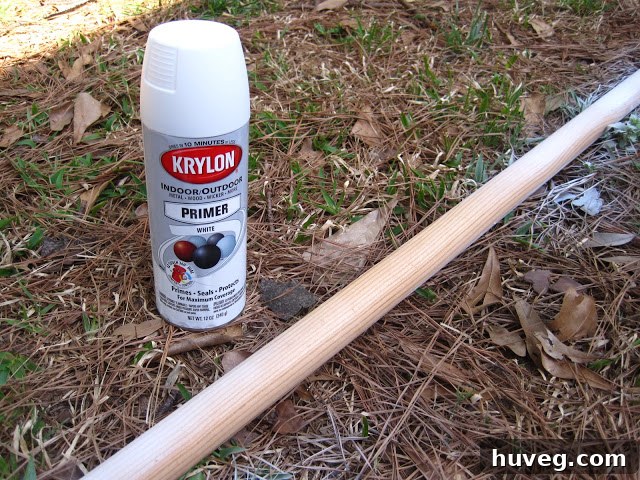
4. Protect What You Don’t Want to Paint: The Art of Masking
True to its name, spray paint *sprays*! The fine mist can travel surprisingly far, settling on unintended surfaces and creating unwanted overspray. Even with modern cans featuring directional nozzles designed for more precise application, external factors like wind (if outdoors) or a fan (if indoors for ventilation) can easily carry paint particles beyond your target area. This overspray can leave a noticeable, hazy film on surrounding objects, which can be difficult to remove. To prevent this, meticulous masking is absolutely essential. Use painter’s tape, specifically the blue variety that offers clean removal without damaging surfaces, to cover any areas you wish to keep paint-free. Combine this with newspaper, cardboard, or paper toweling for larger sections. For even greater protection, consider creating a makeshift spray booth with large cardboard boxes or plastic sheeting. Taking the time to properly protect your surroundings will save you significant cleanup time and frustration, ensuring only your desired object receives a fresh coat of color.
5. Shake It Up: Ensuring a Homogenous Mix for Even Application
Ignoring the instruction to “shake well” on a spray paint can is one of the quickest ways to ruin a project. The pigments and solvents inside a spray paint can tend to separate over time, with heavier pigments settling at the bottom. Shaking the can vigorously for at least one to two minutes, and often longer than you think necessary, ensures that all the components are thoroughly mixed and fully suspended. This creates a uniform consistency, which is crucial for even color distribution and smooth application. If you skip this step, the paint may come out clumpy, inconsistent in color, or even sputter, resulting in an uneven, blotchy, and generally unsightly finish. As an extra precautionary measure, always perform a test spray on a piece of scrap cardboard or an inconspicuous area of your project before committing to the main surface. This allows you to check for proper paint flow, color consistency, and ensures your very first spray isn’t a costly mistake on your carefully prepared item.
6. Use a Light-Handed Approach: Build Layers for Durability and Smoothness
When it comes to spray painting, patience is a virtue, especially concerning coat thickness. It’s a common misconception that one thick, heavy coat will provide better coverage and save time. In reality, the opposite is true. Applying paint in thick layers often leads to drips, runs, an uneven texture, and significantly increases the risk of the paint peeling off prematurely. Think of it like a bad sunburn – a single, intense burn peels off in large, unsightly sheets. Instead, adopt a light-handed approach, applying multiple thin, even coats. Four light coats, for example, will almost always be superior to two thick ones. Thin layers allow the solvents to evaporate properly, promote better adhesion to the surface, and create a stronger, more flexible, and more durable paint film. Each light pass should be a quick, steady motion, overlapping slightly, rather than holding the can in one spot. This layering technique builds up the color gradually and evenly, minimizing imperfections and ensuring a professional, long-lasting finish that resists chipping and flaking.
7. Dry and Repeat: The Importance of Curing and Layering
Once you’ve applied that first light coat, resist the urge to immediately apply the next. Proper drying time between coats is critical for paint adhesion and durability. While the paint may feel dry to the touch in as little as thirty minutes (or even less, depending on the paint type and environmental conditions), this is merely “tack-free” dry. The paint hasn’t fully cured or bonded. Waiting a little while longer between coats, typically 15-30 minutes for most spray paints, allows the solvents to evaporate sufficiently, preventing trapped moisture or gases that can lead to bubbling or an uneven finish. For most projects, at least two coats are necessary for adequate, opaque coverage. When making drastic changes, such as painting dark ceramic to a light color or vice-versa, starting with a spray primer is highly recommended. Primer creates a neutral, even base, enhances adhesion, and reduces the number of topcoats required. For certain challenging projects or surfaces, gently scuffing the original surface or between coats with fine-grit sandpaper can also significantly improve paint adhesion, creating a microscopically rough surface for the subsequent layers to grip onto. Always refer to the specific drying and recoat times recommended on your paint can for the best results, as these can vary by brand and product line.
As I continue to tackle more ambitious decorating projects around my home, spray paint undoubtedly plays an increasingly significant role. Its ability to quickly and economically transform objects makes it an indispensable tool for any DIY enthusiast. The possibilities are truly endless, and if you’re looking for inspiration, I highly recommend exploring the resources provided by leading brands. Both the Krylon and Rustoleum websites are treasure troves of project ideas, offering step-by-step guides and creative suggestions for every skill level. You should definitely check out their sites to spark your next home improvement adventure. In the meantime, I’m eager to get back to my own painting projects, armed with these reliable tips, and I hope you feel inspired to do the same!