Advancing Horizons

Transforming Our Home: The Journey from Old Carpet to Modern Laminate
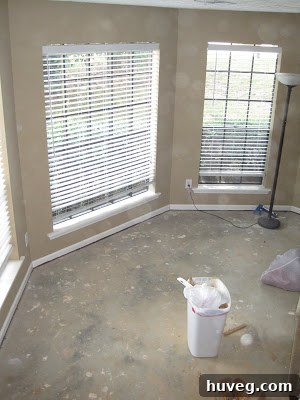
Embarking on a home renovation journey is often a mix of excitement, hard work, and the sweet anticipation of a beautiful outcome. For us, this past Sunday marked a significant stride forward in our ongoing quest to revitalize our home. The mission? To completely eradicate the last vestiges of the unsightly brown carpet from our first floor, paving the way for a fresh, contemporary aesthetic. What began as a solo endeavor last week in the living room, with a little assistance from our furry supervisor, Colby (Colby’s contribution), was expertly concluded by Scott, who systematically tackled the entryway and hallway, ushering in a new era for our main living spaces.
Beyond the Carpet: Conquering the Linoleum Challenge
Nestled between the now carpet-free zones lay another relic of the past: a section of linoleum flooring. Initially, the prospect of removing this seemed less daunting than the carpet. After all, 28 years of foot traffic had likely taken its toll on the adhesive binding the “lino” to the cement subfloor. One would imagine the glue, much like certain aspects of an older house, would be brittle and cracked, making for an easier detachment. This assumption, thankfully, proved largely true, and the removal process, while requiring effort, wasn’t the nightmare it could have been.
The successful removal of this particular patch of linoleum brought with it a tremendous sense of relief. It’s one less outdated surface to contend with in our home renovation project. While we still face the task of removing additional linoleum in the kitchen and half bath – and it extends into the laundry room and two upstairs bathrooms – the knowledge that this main floor section is gone provides significant momentum. For the areas like the laundry room and upstairs bathrooms, we plan to install tile, which might allow us to lay it directly over the existing linoleum, potentially saving us the strenuous step of removal. This possibility is a comforting thought as we strategize the remaining phases of our renovation. Our immediate focus, however, is to quickly complete the linoleum removal on the first floor so we can dedicate our full attention to the exciting installation of our new laminate flooring. The anticipation of seeing that new floor in place is truly invigorating!
The Official End of the Ugly Brown Era
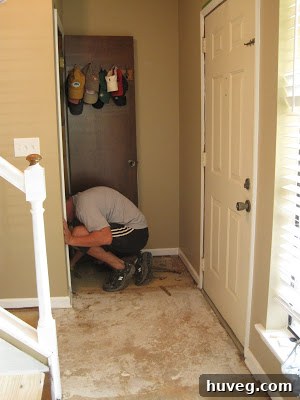
With the removal of the last section of hallway carpet, a monumental chapter in our home’s transformation officially closed. This step, combined with the recent replacement of the upstairs carpet by Empire Today, signifies the definitive end of the “ugly brown mess” that once dominated our home’s flooring. It’s truly gone forever! The visual and aesthetic impact of this change is profound, instantly uplifting the atmosphere of our entire home. No longer will we have to contend with outdated, worn-out carpeting that seemed to absorb light and date every room. This milestone represents more than just a flooring update; it symbolizes a fresh start and a leap towards a brighter, more modern living environment. The sense of accomplishment that comes with clearing out such a major eyesore is incredibly motivating for the subsequent stages of our DIY renovation.
Critical Preparation: Ensuring a Flawless Laminate Installation
Now that the old flooring has been stripped away, our attention has shifted to the crucial phase of preparing the subfloor for the downstairs laminate installation. This isn’t a step to be rushed; proper floor preparation is paramount for the longevity and performance of any new flooring, especially laminate or hardwood laid over a cement subfloor. Unlike the upstairs installation, which didn’t necessitate a moisture barrier, installing flooring on a concrete slab demands meticulous moisture protection. Skipping this vital step can lead to significant problems down the line, including warping, buckling, and even mold growth, ultimately compromising the entire floor.
The Importance of a Moisture Barrier
Concrete subfloors, even seemingly dry ones, can emit moisture vapor, which is detrimental to laminate and engineered wood flooring. A moisture barrier acts as a protective shield, preventing this vapor from reaching and damaging the new flooring. Recognizing the critical importance of this step, we’ve committed to a thorough preparation process. Our first line of defense involves sealing any potential entry points for moisture, starting with the perimeter of the room.
Applying Cement Caulk for Enhanced Protection
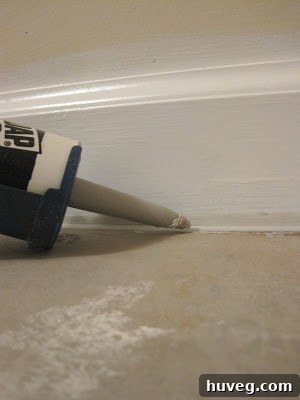
To bolster our moisture protection strategy, I decided to run a bead of cement caulk along the baseboards where they meet the subfloor. This isn’t just any caulk; cement caulk offers a robust solution for sealing gaps and ensuring a tight, moisture-resistant seal. It possesses several desirable properties: it’s paintable, making it easy to blend with our future trim; it’s resistant to mold and mildew, crucial for preventing moisture-related issues; it remains flexible, accommodating minor structural movements; and it offers easy cleanup with water, which is always a bonus during DIY projects.
The most notable difference I observed compared to standard window caulk was its slightly thicker consistency. This proved to be an unexpected advantage. As I applied it, I discovered several small, yet significant, gaps between the baseboards and the cement subfloor. While I can’t definitively say if these gaps would have posed an immediate moisture problem, it’s always best to err on the side of caution. Sealing these gaps provides an extra layer of protection, preventing potential moisture intrusion, drafts, and even deterring pests. This meticulous attention to detail during the prep phase, while time-consuming, is an investment in the longevity and integrity of our new flooring. It ensures that the foundation for our beautiful laminate is as solid and protected as possible.
Beyond the Caulk: Comprehensive Subfloor Preparation
The application of cement caulk is just one component of our broader subfloor preparation plan. Before laying the new laminate, several other critical steps need to be addressed to ensure a truly flawless finish. This includes thoroughly cleaning the subfloor to remove any dust, debris, or adhesive residues that could interfere with the moisture barrier or the laminate installation itself. We’ll also meticulously inspect the subfloor for any unevenness, cracks, or imperfections. Depending on the severity, these might require patching with a leveling compound to create a perfectly smooth and flat surface, which is essential for preventing creaks and ensuring the stability of the laminate.
Furthermore, we need to consider adjustments to door casings and baseboards. Sometimes, new flooring height necessitates trimming door frames or temporarily removing baseboards for a cleaner installation, which are small but crucial details that impact the overall professional look. The preparation phase also extends to acclimating the new laminate flooring to the home’s environment. This involves letting the flooring sit in the rooms where it will be installed for a specific period, allowing it to adjust to the temperature and humidity, thus minimizing the risk of expansion or contraction post-installation.
Why We Chose Laminate Flooring for Our Home
Our decision to go with laminate flooring for the downstairs was not arbitrary. After careful consideration of various options, laminate emerged as the ideal choice for several compelling reasons. Firstly, its cost-effectiveness makes it an attractive option for large areas, allowing us to achieve a high-end look without breaking the bank. Modern laminate offers incredible durability, resisting scratches, dents, and fading far better than many other materials, making it perfect for high-traffic areas and homes with pets or children. The vast array of styles, colors, and textures available means we can easily find a laminate that mimics the look of natural hardwood or stone, perfectly complementing our desired aesthetic. Moreover, laminate is renowned for being a DIY-friendly flooring option, which is a significant advantage for homeowners like us who enjoy taking on renovation projects ourselves. Its click-and-lock installation system simplifies the process, reducing the need for specialized tools or extensive professional help. This combination of affordability, durability, aesthetic versatility, and ease of installation solidified laminate as the best choice for achieving the modern, refreshed look we envision for our home.
Anticipating the Reveals: The Next Steps in Our Renovation
This upcoming week is packed with these essential “small items” – the meticulous tasks that lay the groundwork for a successful and lasting laminate install. While the actual laying of the laminate boards might seem like the main event, it’s these preparatory steps that truly define the quality and longevity of the finished project. We understand that rushing through them could undermine all our efforts.
The excitement is building as we get closer to the main installation. Despite the detailed work ahead, we are incredibly optimistic that the month of August will be filled with quite a few exciting reveals. The transformation from an “ugly duckling” house to a swan-like home is steadily progressing, and we can’t wait to share the finished results with everyone. Stay tuned – the best is yet to come!