The Ticking Kitchen

DIY Kitchen Cabinet Makeover: Tackling Upper Cabinets Under Pressure
The countdown has officially begun, and the pressure is mounting! With my aunt and uncle’s eagerly anticipated visit drawing near, and the days growing noticeably shorter (meaning less precious daylight for painting!), I find myself in a full-blown race against the clock. My mission this week is clear: dedicate every evening after work to transforming the remaining kitchen cabinets – specifically, the upper units. This intensive push is essential to get them prepped, painted, and looking their best before my guests arrive.
While the experience of painting the lower cabinets provided a valuable learning curve and ensured all my supplies were ready to go, tackling the upper cabinets has already presented its own distinct set of challenges and surprises. It’s the nature of home renovation, especially in an older house, that no two phases are ever exactly alike. Let’s dive into what’s making this final push particularly interesting.
Expanding Our Workspace: A Necessary Strategy for Efficiency
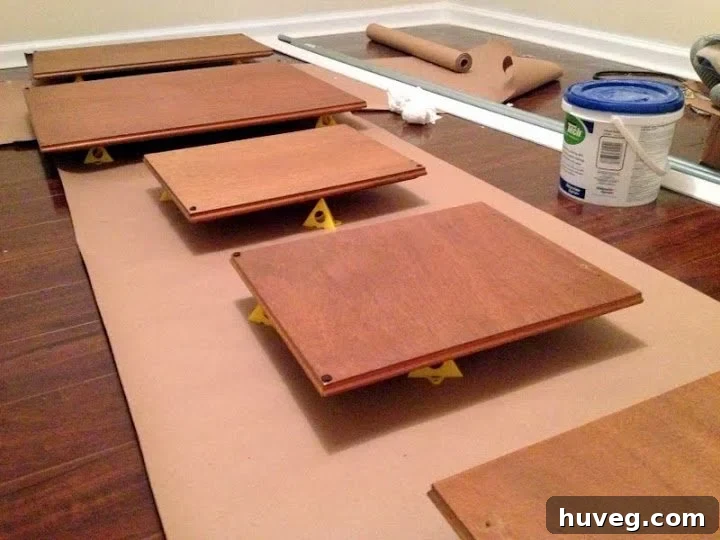
One of the most immediate and significant differences I’ve encountered with the upper cabinets is their sheer quantity. There are simply more of them than the lower set, demanding a considerably larger footprint for all stages of the process: cleaning, sanding, priming, painting, and drying. To maximize efficiency and ensure I can work on multiple cabinet doors and frames simultaneously without compromising quality or safety, I’ve had to get creative with my space.
My dining room, typically reserved for family meals and quiet evenings, has been temporarily commandeered and transformed into an expansive cabinet painting hub. This strategic expansion into an adjacent room is absolutely crucial. It provides the ample space needed to lay out all the cabinet components, allowing for proper air circulation and drying between coats, and prevents overcrowding that can lead to smudges or prolonged project timelines. Protecting the flooring and furniture with drop cloths and plastic sheeting, of course, is paramount in this temporary arrangement.
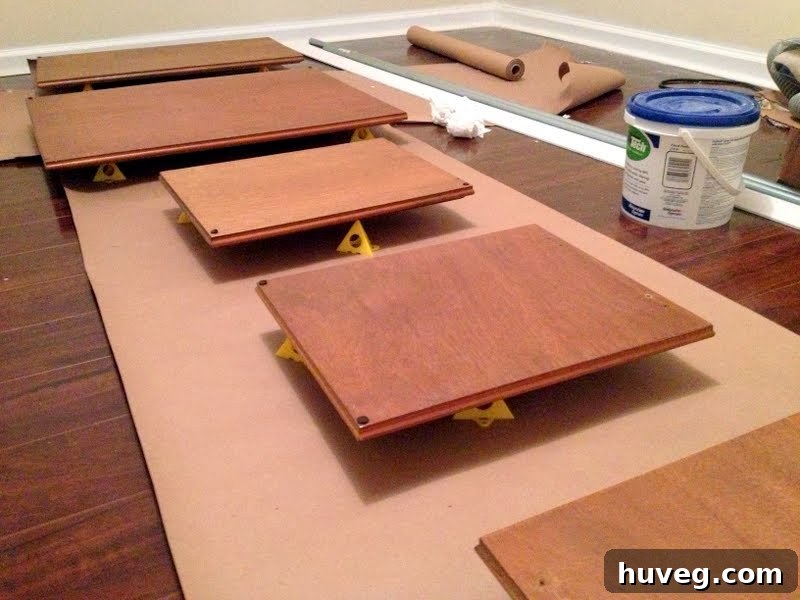
For any DIYer undertaking a similar project, I cannot stress enough the importance of adequate workspace. Cramped conditions lead to frustration, mistakes, and often, a less-than-perfect finish. Don’t be afraid to temporarily relocate furniture or even dedicate an entire room to your project if it means achieving a smoother, more organized workflow. It’s a small sacrifice during the renovation process for a much more rewarding outcome.
Uncovering Old House Quirks: The Mystery of the Wimpy Molding
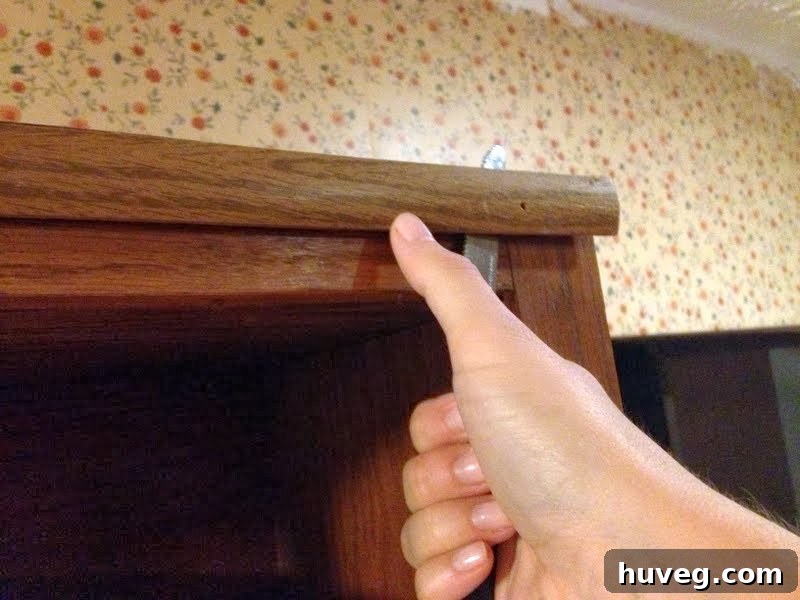
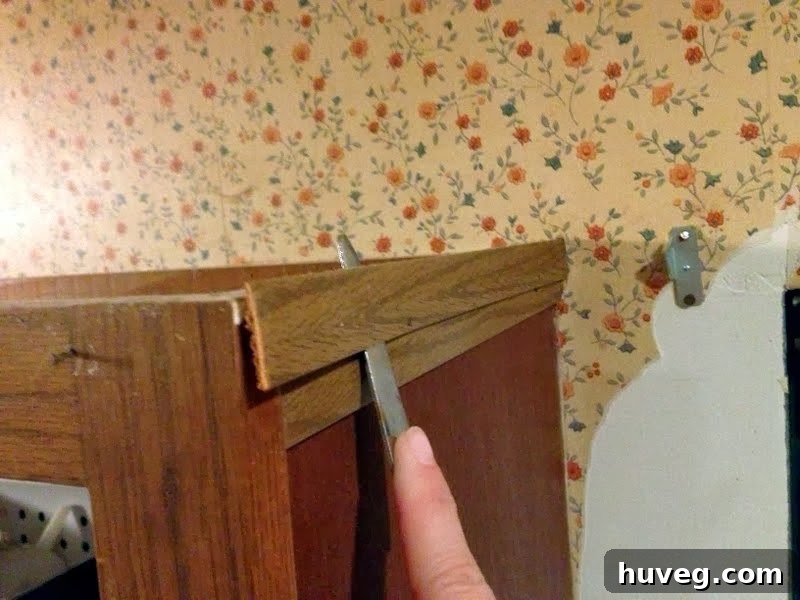
True to the inconsistent charm of an old house, the upper cabinets presented another unique hurdle: irregular and somewhat flimsy molding tacked to their tops. This wasn’t a consistent feature across all cabinets, which only added to the classic “my house has its own rules” vibe. My best guess? These meager strips of molding were likely installed as a quick fix, either to cover up awkward spacing or uneven cabinet tops, or simply to make the otherwise basic cabinetry appear slightly less ‘cheap.’ Regardless of their original purpose, their presence meant an extra, unexpected step in my preparation process.
Removing this superficial trim was a non-negotiable step towards achieving a clean, modern aesthetic for the renovated kitchen. While a professional might reach for a specialized pry bar or a multi-tool for such a task, my approach, steeped in the improvisational spirit of DIY, was decidedly more… hands-on. My “high-tech” tools for this particular job were quite literally my bare hands, demonstrating that sometimes the most fundamental instruments are the most effective.
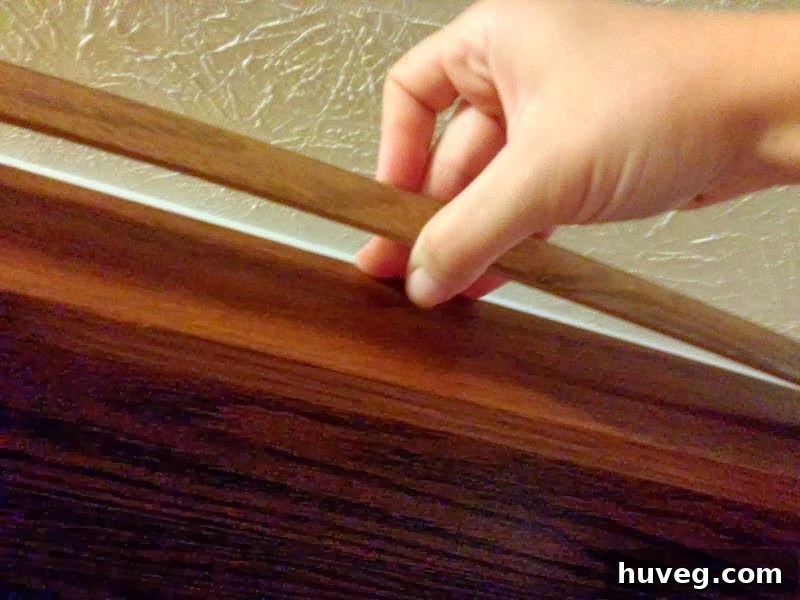
And then there was the unsung hero, an unexpected auxiliary tool that emerged from the depths of my kitchen: a stray butter knife. This wasn’t just any butter knife; it was an old, cheap, and tarnished relic that had mysteriously taken up residence on the kitchen windowsill. Its exile from the regular utensil drawer probably stemmed from its age and general disrepair, but in this moment of DIY necessity, it proved to be an invaluable “impromptu wimpy-molding-prying-thing.” It’s these serendipitous discoveries and clever improvisations that often define the authentic DIY journey, turning everyday items into essential tools when the proper ones are nowhere to be found.
The Unseen Realities: Confronting the Grime Behind the Molding
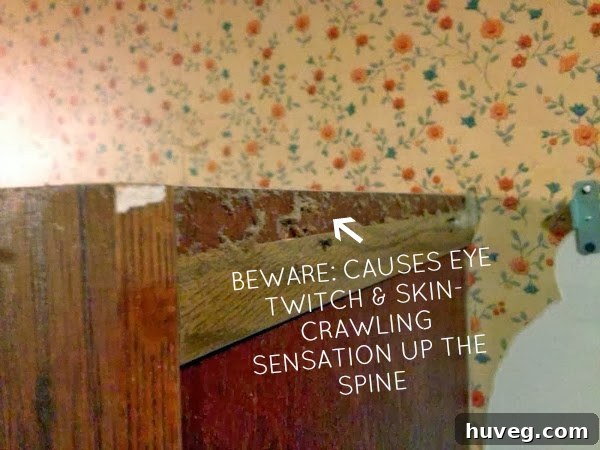
Once the flimsy molding was finally pried away, a new, and significantly less pleasant, reality came into full view. The original article hinted at a “gross picture coming up soon!” and it certainly delivered on that promise. The areas that had been concealed by the molding, and the back of the molding itself, unveiled years — possibly decades — of accumulated grime, dust, grease, and general kitchen gunk. It was a stark visual reminder of the hidden history behind superficial layers in an old home. While my trusty butter knife started out relatively clean (aside from its inherent age and tarnish), it quickly became a witness, and participant, in uncovering this unsettling truth.
This kind of discovery is a common, almost inevitable, part of renovating older homes. What might appear to be a simple cosmetic upgrade often peels back layers to reveal previous neglect, questionable craftsmanship, or simply the slow accumulation of time and daily living. It underscores the critical point that preparing surfaces for paint isn’t merely about a quick wipe-down or light sanding; it’s about a deep, thorough cleaning and sanitizing process, especially for areas that haven’t seen proper attention in years. And yes, as the picture emphatically shows, it can indeed be truly gross. But hey, this is The Ugly Duckling House, after all, where we not only embrace but celebrate the less glamorous, yet utterly real, aspects of DIY home transformation!
The Path to Transformation: Massive Scrub-Down and Essential Priming
Regardless of how stomach-churning the grime, the ultimate goal remains crystal clear: every surface must be meticulously cleaned and prepared. Just like their lower counterparts, these upper cabinet units are destined for a massive, comprehensive scrub-down, followed by an indispensable coat of high-quality primer. This isn’t just about making things look pretty; it’s about laying the groundwork for a durable, long-lasting finish that can withstand the daily wear and tear of a busy kitchen environment. Without proper preparation, even the most expensive paint will fail prematurely.
Why Proper Cleaning and Priming are Absolutely Non-Negotiable:
- Optimal Adhesion: Primer creates a specialized surface that paint can effectively bond with, significantly reducing the risk of peeling, chipping, or bubbling down the line. It’s the foundation for a resilient finish.
- Uniform Finish: It helps to create an even, consistent surface across the entire cabinet, which is paramount for achieving a smooth, professional-looking topcoat without unsightly variations in texture or sheen.
- Stain and Odor Blocking: This is especially critical in older kitchens. Quality primer acts as a barrier, preventing old stains, grease, watermarks, and even lingering kitchen odors from bleeding through and marring your fresh paint job.
- Enhanced Durability: A well-primed surface contributes immensely to the overall durability and washability of your finished cabinets, ensuring your hard work stands the test of time and daily use.
- Reduced Paint Coats: By providing a consistent base, primer often reduces the number of topcoats of paint required, ultimately saving both time and money on materials.
- Improved Color True-ness: Primer ensures that your chosen paint color appears vibrant and true to its swatch, without being influenced by the underlying original cabinet color or any discolorations.
This intense preparatory phase, though undoubtedly messy and sometimes a bit unpleasant, is where the true transformation begins. It’s the unwavering commitment to these foundational steps — cleaning, sanding, and priming – that elevates a simple repaint to a genuine kitchen makeover. So, if my usual posting schedule seems a little sparse this week, please understand it’s likely because I’m fully immersed in the trenches, valiantly battling the ‘ick factor’ until these cabinets are no longer giving me the heebie-jeebies, and are finally gleaming and ready for their vibrant new life.
Maintaining Momentum and Embracing the Reality of DIY
DIY projects, particularly those involving an older home, are rarely a straight line from start to finish. They are, by nature, a complex blend of meticulous planning, spontaneous problem-solving, and a generous helping of pure grit and resilience. From navigating tight deadlines and managing an ever-expanding workspace to encountering unforeseen challenges like inconsistent molding and shocking discoveries of hidden grime, each step offers a unique learning experience. The profound satisfaction that comes from seeing a project through, especially one that began with such a ‘gross’ revelation, is immeasurably rewarding and fuels future endeavors.
It’s crucial to acknowledge and embrace the “ugly” parts of DIY – the inevitable messes, the stubborn dirt, the unexpected structural hurdles, and the occasional emotional rollercoaster. These less-than-glamorous aspects are just as integral to the journey as the sparkling, beautiful end result. Sharing these authentic realities helps set more realistic expectations for anyone considering their own home improvement ventures. It teaches us that perfection isn’t always the ultimate goal; rather, consistent progress, unwavering persistence, and the ability to adapt are the true measures of success. And sometimes, as I’ve found, a trusty old butter knife can be your most unexpected ally in making that progress.
Now, I’d genuinely love to hear from our incredible community! What DIY projects are currently occupying your time and energy? Or perhaps you’ve recently overcome a particularly challenging or unexpected aspect of home improvement that you’d like to share?
Dive Deeper into the Gritty Reality of Old Home DIY!
For those who, like me, appreciate the honest, unvarnished truth of renovating an old home – the inherent challenges, the inevitable messes, and the sometimes truly grotesque discoveries – you are absolutely in good company. If you’re what I affectionately call a “sicko” (said with the utmost warmth and understanding!) who thoroughly enjoys the raw, unfiltered reality of DIYing an old house, then prepare to cringe, nod in recognition, and connect with some of my all-time favorite ‘ugly’ posts. Don’t worry, there’s absolutely no judgment here – just a shared appreciation for the less-than-glamorous, yet entirely authentic, side of home transformation. Explore more of the delightful ugliness and relatable DIY woes here and here. Happy (and often gross) DIYing!