Make It Happen

Embarking on the Ultimate DIY Home Office Transformation: My STUDY-O Desk Build Begins!
After what has felt like an eternity of anticipation, I am absolutely thrilled to announce that I’ve finally kick-started one of my most ambitious New Year’s Eve resolutions: building the incredible STUDY-O Desk! This project isn’t just about constructing a piece of furniture; it’s about creating a dedicated, highly functional, and aesthetically pleasing workspace that will transform my home office experience. The excitement is palpable, and I’m eager to share every step of this journey with you, starting right from the very first cuts.
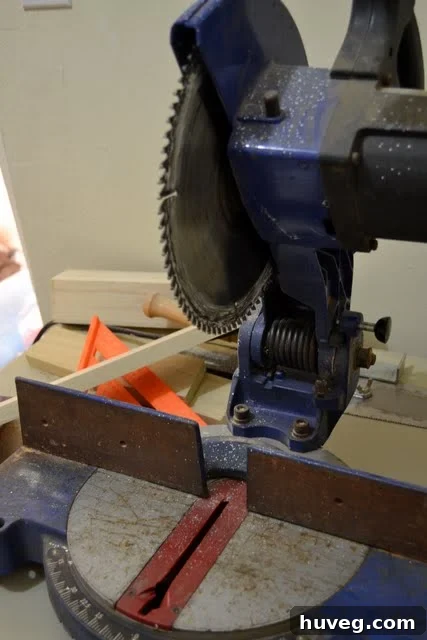
These initial photographs capture just a glimpse of the build process as it unfolds, marking the critical first phase of bringing this vision to life. The sheer thought that I will have this magnificent desk proudly in place within less than a week fills me with an incredible sense of accomplishment and renewed motivation. That’s the ambitious timeline, and I’m determined to stick to it!
Laying the Foundation: Planning, Materials, and Essential Preparations
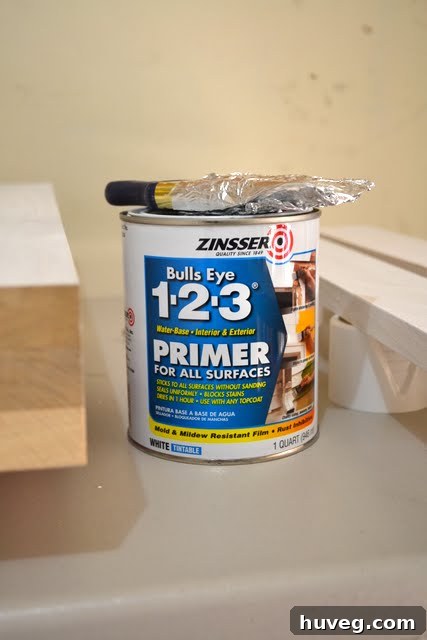
Every successful DIY project, especially one involving furniture, begins long before the first saw blade touches the wood. My journey to the STUDY-O Desk started with meticulous planning, reviewing the original plans, and envisioning how this custom piece would fit into and enhance my existing workspace. Selecting the right materials was paramount – sturdy wood that would stand the test of time, quality fasteners for robust construction, and, of course, the perfect primer and paint to achieve a flawless, durable finish.
Before any cutting or sanding could commence, an essential step involved preparing my workspace. As many DIY enthusiasts can attest, garages and workshops have a peculiar way of accumulating “junk.” I spent the entire morning clearing out and decluttering my garage, trashing plenty of items that had no business occupying valuable real estate. It’s a habit I’m actively working on, but a clean, organized workspace isn’t just about aesthetics; it’s fundamental for safety, efficiency, and maintaining focus during intricate tasks. A cluttered environment breeds errors and can even be hazardous, so taking the time to create a pristine workshop was a non-negotiable prerequisite.
Precision Cutting: The First Critical Steps in Furniture Crafting
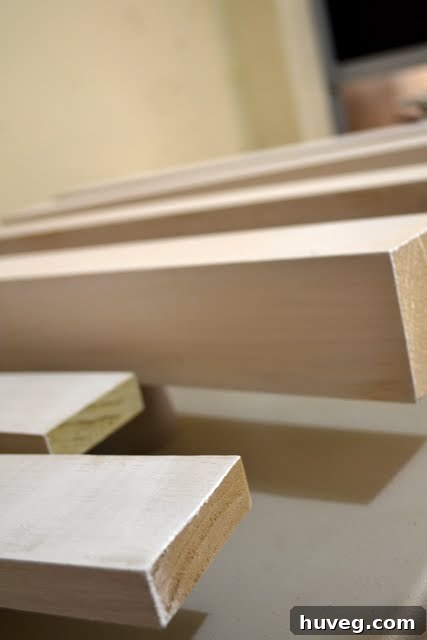
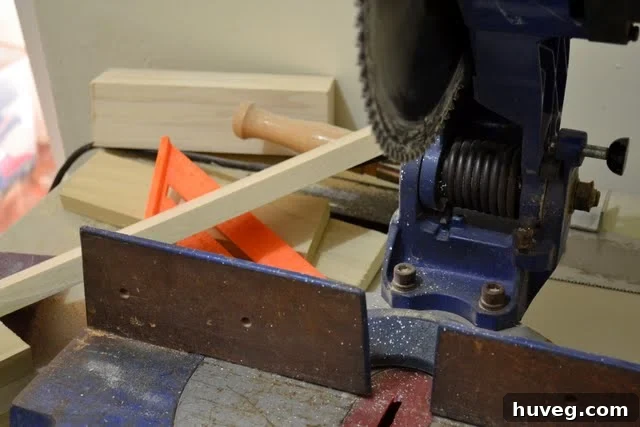
With a clear mind and a clear workspace, I delved into the heart of the project: cutting all the pieces down to their precise dimensions. The exhilaration of making the first cuts, knowing each piece is contributing to a larger whole, is truly unique. Following the carefully laid-out plans, I methodically worked through each component, ensuring every measurement was exact. After the cuts, each piece underwent a thorough sanding to achieve a smooth surface, eliminating any rough edges or imperfections that could compromise the final finish or assembly. Once sanded, the pieces were primed, preparing them perfectly for their eventual coat of paint.
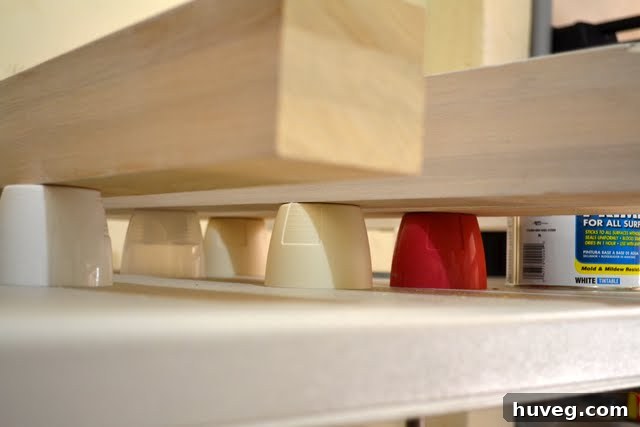
During the priming stage, I discovered a rather clever (if I do say so myself!) technique for elevating each piece off the worktable. This ingenious method allowed me to paint three sides of each component at once without the frustrating issues of the pieces sticking to the table or sitting in a puddle of paint that often creates unsightly ridges. By minimizing contact points and maximizing drying efficiency, this approach not only saved time but also ensured a much smoother, more professional finish. It’s these small, innovative solutions that often make the biggest difference in a DIY project.
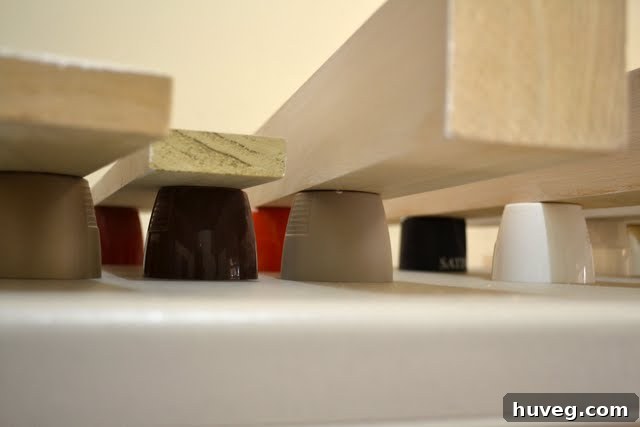
It seems I might have a slight obsession with spray paint – my collection is growing quite impressively! But truthfully, having a variety on hand ensures I’m always prepared for any project, big or small. Each piece received a uniform coat, creating a perfect base for the final color.
The Golden Rule: Measure Twice, Cut Once, and Understand the Kerf
While the mantra “measure twice, cut once” is drilled into every DIY enthusiast’s mind, there’s another, equally crucial, element to achieving precise cuts: understanding the concept of kerf. Kerf refers to the thickness of the saw blade itself, the small amount of material that the blade removes as it cuts. This seemingly minor detail can play a significant role in the overall fit and finish of your furniture, particularly in projects that demand very tight tolerances.
When making a cut, it’s imperative to align your saw blade so that it cuts down on the waste side of your marked line. If you cut directly on the line or on the “good” side, you will inadvertently shave off a small, yet critical, amount from your measured board. For instance, if your blade is 1/8 inch thick, and you cut on the wrong side of the line, your piece will be 1/8 inch shorter than intended. This seemingly minuscule difference can throw off the entire assembly, leading to gaps, misalignments, and a desk that doesn’t fit together as seamlessly as planned.
To further ensure accuracy, avoid the common mistake of measuring and marking all of your pieces on the same length of board at once. Instead, adopt a “measure and cut one-by-one” approach. This means you measure the first piece, make the cut, then remeasure for the second piece, make that cut, and so on. Why? Because if you mark all your cuts sequentially on a single long board, you’ll lose the width of the blade (the kerf) with each cut, effectively shortening subsequent pieces. By measuring each piece individually *after* the previous cut, you inherently account for the kerf, ensuring every component is exactly the length it needs to be. This level of precision is what differentiates a good build from a truly exceptional one, guaranteeing that all joints fit snugly and the final structure is robust and square.
Day One Milestones: From Raw Lumber to Ready Components
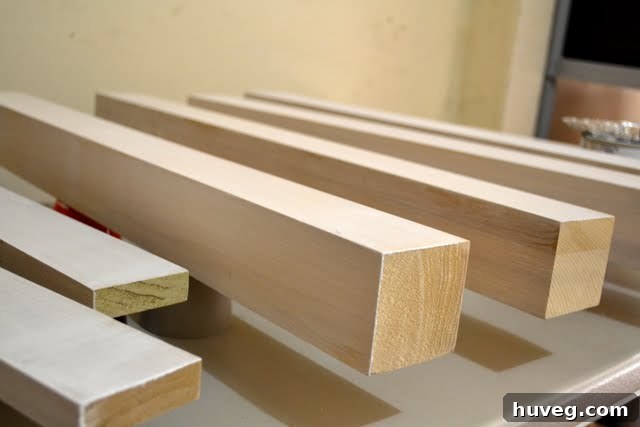
After a productive day, tackling both garage organization and the initial woodworking steps, this is where I stood: all the individual components for the STUDY-O Desk have been meticulously cut, thoroughly sanded, and perfectly primed. The transformation from raw lumber to ready-to-assemble pieces is incredibly satisfying. While the plan is to assemble the desk and then give it a final, unified coat of paint, priming each piece beforehand is undeniably a far easier and more effective approach. It ensures complete coverage, particularly in crevices and joins that would be difficult to reach post-assembly, and sets the stage for a truly professional finish.
Why DIY? The Rewarding Journey of Building Your Own Home Office Furniture
Choosing to build your own furniture, especially a significant piece like a home office desk, offers a multitude of benefits that extend far beyond mere cost savings. Firstly, it allows for unparalleled customization. You can tailor every dimension, choose specific materials, and select the exact finish to perfectly match your aesthetic preferences and functional needs. Unlike off-the-shelf options, a DIY desk can be designed to fit a unique space, accommodate specific equipment, or even incorporate personalized storage solutions that simply aren’t available commercially.
Secondly, the sense of accomplishment derived from creating something with your own hands is immensely rewarding. From the initial cuts to the final assembly, each step in the process brings you closer to a tangible, functional object that you can proudly say you built. This journey fosters a deeper appreciation for craftsmanship and provides valuable hands-on experience, teaching you new skills and enhancing your problem-solving abilities. It’s a testament to your patience, precision, and dedication.
Finally, in an era where home offices have become central to our daily lives, having a workspace that inspires productivity and comfort is more important than ever. A custom-built STUDY-O Desk is not just furniture; it’s an investment in your well-being and efficiency. It creates an environment that is uniquely yours, a space where you can focus, innovate, and thrive. This project is about more than just a desk; it’s about crafting an integral part of my daily routine, designed to perfection by me, for me. The experience itself, from the sawdusty mess to the smooth, primed surfaces, is part of the joy of DIY.
Join Me for the Next Phase of the STUDY-O Desk Journey!
I’m incredibly excited about the progress made so far, and the STUDY-O Desk is quickly taking shape. Stick around for the rest of this week for more detailed updates as I move into the assembly phase and inch closer to completing my brand-new, custom-built workspace. Don’t miss out on the next steps of this rewarding DIY furniture project!