Pantry Transformation

Ultimate Guide to a DIY Pantry Wall Makeover: Stubborn Wallpaper Removal & Drywall Repair
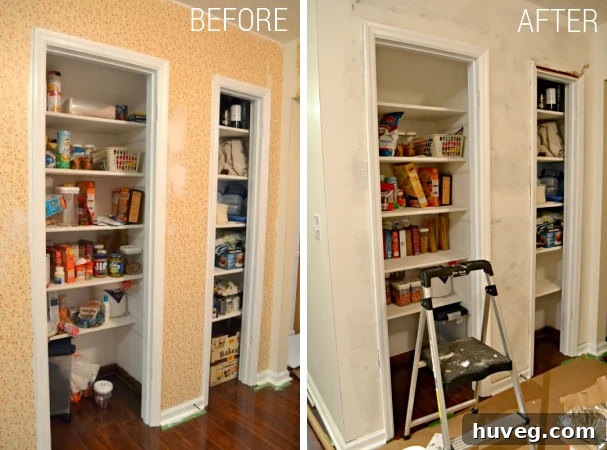
There’s an undeniable satisfaction that comes with a weekend dedicated to home improvement, especially when it involves transforming a long-neglected space. Recently, I dove headfirst into one of the most DIY-intensive weekends I’ve had in quite some time. While various projects demanded my attention, today’s narrative focuses squarely on a particularly challenging yet incredibly rewarding endeavor: the complete overhaul of our kitchen pantry wall. This isn’t just about a fresh coat of paint; it’s about reclaiming a crucial part of our home, making it both functional and aesthetically pleasing. As is often the case with such transformations, the visual journey through the process truly captures the essence of the effort and the dramatic change achieved.
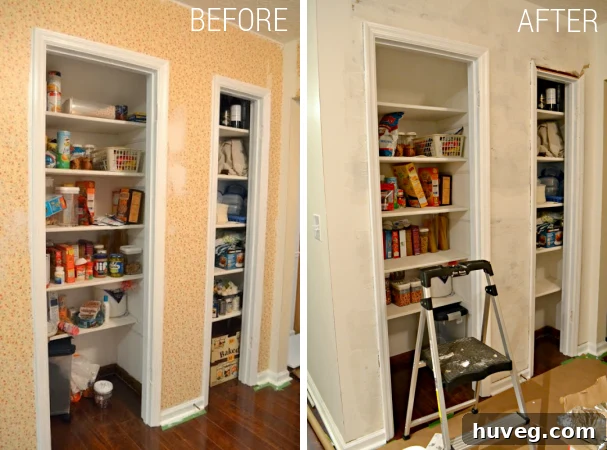
The Unfinished Saga: Conquering the Kitchen’s Last Vestige of Ugly Wallpaper
This particular section of our kitchen has been a persistent item on my mental to-do list, patiently awaiting its turn. Our last significant update in this area involved meticulously painting the trim, a task that, in hindsight, was executed out of sequence. In the world of home renovation, the golden rule dictates that wallpaper removal should always precede any painting, ensuring a cleaner process and a superior finish. Yet, faced with the daunting choice between applying four coats of paint – a relatively straightforward, if time-consuming, task – versus the sheer exasperation of wrestling with obstinate wallpaper, I admit I opted for the path of least resistance. It was a strategic, albeit slightly flawed, act of avoidance, delaying a chore I find even more irritating than painting trim for what felt like the umpteenth time.
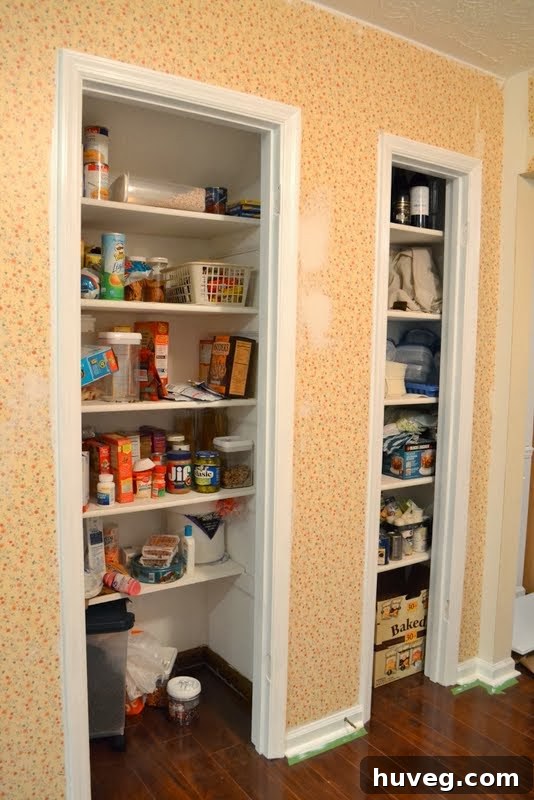
For several years now, I’ve been on a determined mission, systematically stripping wallpaper from every wall in this house, transforming each room one peel at a time. The kitchen, remarkably, represents the final frontier, the very last room in our home still adorned with outdated and unsightly wallpaper. And, as if to test my resolve to its absolute limits, this kitchen has proven to be the most formidable challenge of all when it comes to wallpaper removal.
Beginning the Battle: Prying Off Trim and Unmasking Layers
My initial approach to tackling this tenacious wallpaper involved a familiar and effective strategy: carefully prying the top piece of trim away from the doorframe. This step is crucial for several reasons. Firstly, it provides unobstructed access to the wall surface underneath the trim, preventing accidental damage to newly painted or delicate areas during the removal process. Secondly, and often most critically, it tends to expose a slightly peeled or loose edge of the wallpaper, offering that much-coveted starting point for removal. While I regret not capturing this precise moment with a photograph, the subsequent images will clearly illustrate the missing trim piece and the valuable access it provided.
Just as anticipated, this strategic maneuver revealed a compromised section of wallpaper, an exposed edge that allowed me to get beneath the paper and begin the arduous, often frustrating, process of peeling it away. This initial breach is often the most satisfying part of any wallpaper removal project, offering a glimmer of hope that the wall underneath will soon be free.
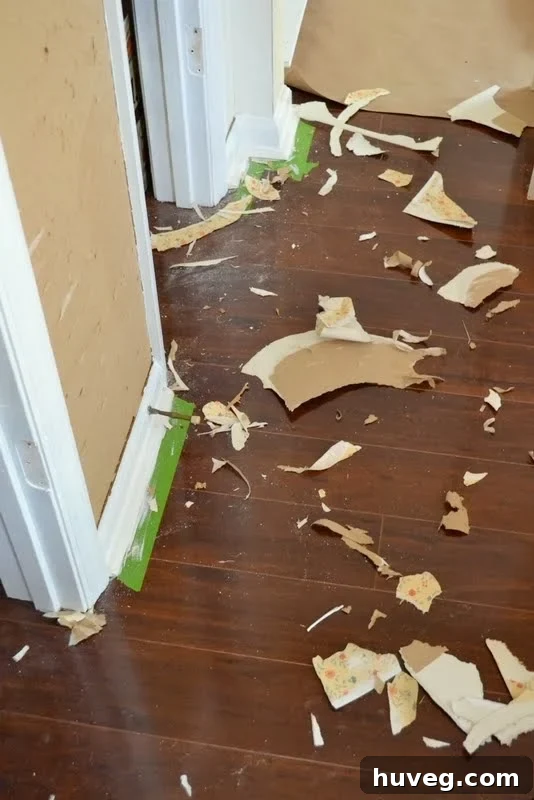
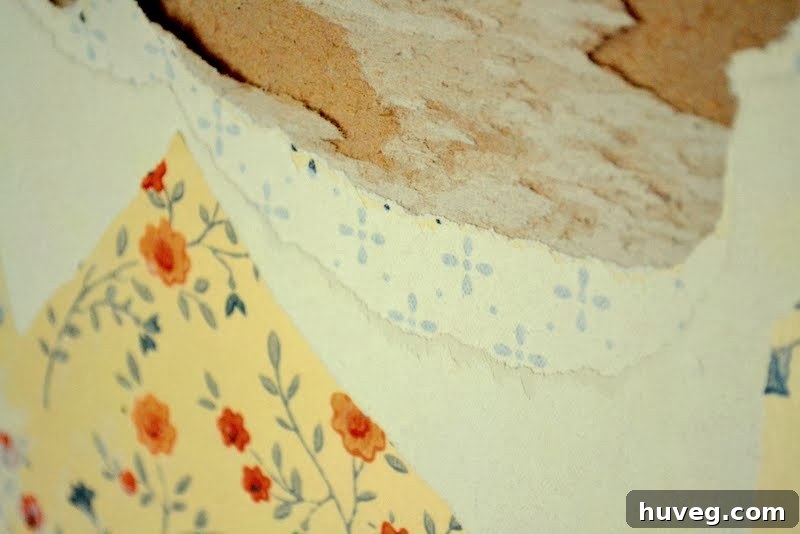
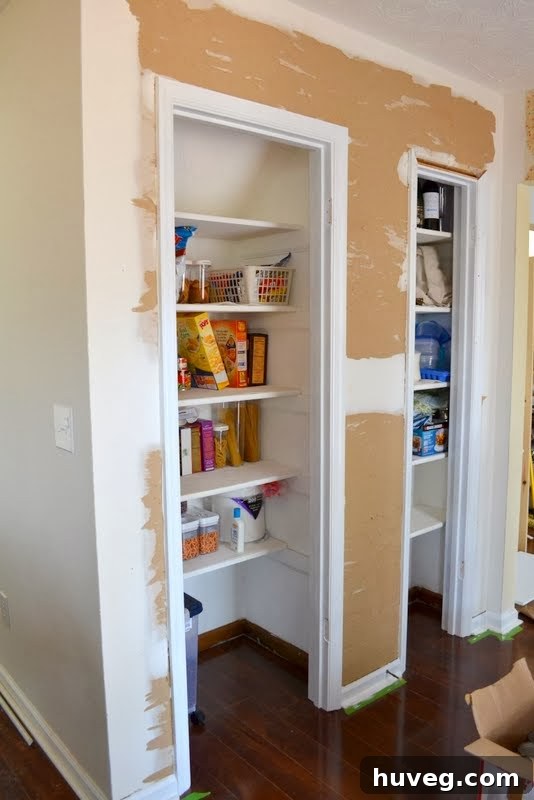
However, about halfway through removing the initial top section of the wall, a disheartening discovery was made. The reason this particular wallpaper was proving exponentially more difficult and resistant than any other in the house suddenly became glaringly apparent: it wasn’t just one, but *two* ugly, antiquated layers of paper fused together. This revelation instantly explained the extreme difficulty and the less-than-perfect, often destructive, results I was encountering. Each attempt to peel a section away was met with fierce opposition, frequently resulting in tearing off significant portions of the drywall’s delicate paper backing.
It was a truly disheartening situation, akin to gluing three pieces of paper together and then attempting to delicately separate only the first two without causing any damage to the third – an almost impossible feat, especially compounded by the absence of any primer or skim coat applied to the drywall beforehand. The wallpaper had been directly pasted onto the bare drywall, creating an unforgiving, fused bond that made clean removal an absolute nightmare. This scenario is widely known among DIY enthusiasts as “damn near impossible” for a reason, presenting a significant hurdle in the path to a smooth, clean wall.
The Art of Restoration: Mastering Drywall Repair with Skim Coating
Despite the initial wave of frustration and the undeniable damage inflicted upon the drywall, my spirits weren’t entirely crushed. This wasn’t my inaugural encounter with severely damaged walls and stubbornly adherent surfaces. I’ve navigated similar challenges before, and thankfully, I possess the necessary knowledge and skills to effectively rectify such issues using a time-tested and proven technique: skim coating. Skim coating is an indispensable remedial process, essential for restoring a smooth, perfectly paintable surface when wallpaper removal, water damage, or other factors have left the drywall uneven, torn, or otherwise compromised. It involves applying multiple thin layers of joint compound over the affected areas, effectively creating a new, pristine, and uniform surface.
This meticulous process is not merely about repair; it’s a critical step in prevention, ensuring that any future finishes – be it paint or new wallpaper – adhere properly and achieve a flawless, professional look. My extensive prior experience with this technique, which I’ve even comprehensively detailed in a dedicated skim coating tutorial, instilled in me the confidence needed to tackle this new challenge head-on.
The transformation begins with the raw, damaged wall surface, looking decidedly uninviting after the wallpaper’s brutal departure:
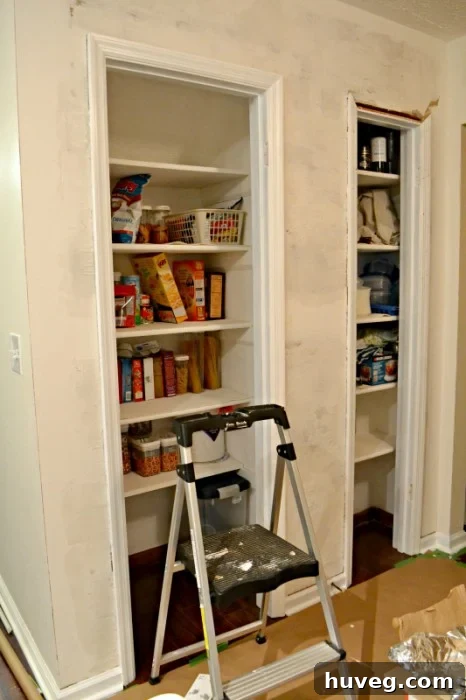
This is precisely where the true magic of skim coating comes into play. With careful, deliberate application of joint compound, using a wide taping knife or trowel, the imperfections slowly but surely begin to vanish. The objective is to apply very thin, even coats, meticulously allowing each layer to dry completely before the next is applied. This multi-layer approach is fundamental to achieving a perfectly smooth, durable finish. Initially, the wall might still appear somewhat rough, but with each successive coat, the texture refines, and the surface becomes progressively smoother, gradually reaching a state ready for its final transformation. It’s a testament to the power of patience and precision, transforming a scarred wall into a pristine canvas for a fresh start. This intermediate stage, though still a work in progress, vividly showcases the wall beginning its healing process, regaining its uniformity and preparing for its ultimate revival.
Finally, after the last skim coat has thoroughly dried, followed by meticulous sanding, a proper priming, and a fresh, vibrant coat of paint, the pantry wall emerges completely revitalized. The damaged, wallpaper-covered surface is now nothing more than a distant, unpleasant memory, replaced by a wonderfully smooth, clean, and inviting finish. This remarkable transformation profoundly underscores the power of diligent preparation and the application of correct repair techniques in any home renovation project. It’s not merely about aesthetically covering up flaws; it’s about fundamentally improving the underlying structure and enhancing the overall aesthetics of the space. The result is a wall that not only looks professionally executed but also provides a durable, beautiful foundation that will last for years to come. This final stage marks the triumphant completion of the wall surface preparation, a critical stepping stone before any final decorative touches or practical shelving can be installed to fully complete the pantry’s functionality and visual appeal.
A Weekend Well Spent: The Profound Reward of DIY Home Improvement
Reflecting on the whirlwind of activity, achieving such a dramatic and impactful transformation in the span of just a single weekend feels incredibly rewarding. The pantry wall, once a persistent source of frustration with its outdated and stubborn wallpaper, has been completely resurrected and reimagined. It stands as a powerful testament to the fact that even the most daunting and seemingly impossible home improvement tasks can be systematically broken down into manageable steps, ultimately leading to truly impressive and gratifying results. The journey from a double-layered wallpaper nightmare to a flawlessly smooth, paint-ready surface involved significant dedication, a fair amount of elbow grease, and the precise application of proven renovation techniques like skim coating.
This project not only profoundly enhanced the aesthetics and functionality of a crucial kitchen area but also significantly bolstered my confidence in tackling future, potentially even larger, renovation challenges. It powerfully reinforces the enduring value of patience, persistence, and the sheer joy derived from witnessing your creative vision meticulously come to life. The satisfaction of standing back and admiring a space you’ve personally transformed is unparalleled.
So, how did your weekend unfold? Did you embark on any productive endeavors, whether they were monumental DIY projects or modest home refreshes? Perhaps you tackled a challenging organization project or simply found joy in a small act of creation. There’s always something inherently gratifying about making tangible progress and improving your surroundings. Share your stories, insights, and inspirations in the comments section below – let’s collectively celebrate the vibrant spirit of home transformation and the power of DIY! And certainly, stay tuned for more exciting updates on the broader kitchen renovation, as this perfectly revamped pantry wall is just one beautifully completed piece of a much larger, exhilarating puzzle.