The Deft Exchange

The Great Light Switch Deception: Unraveling Home Electrical Mysteries and Builder Blunders
It’s one of the most fundamental concepts of modern living: flip a light switch up, the light illuminates; flip it down, darkness descends. A simple, intuitive action ingrained in us from childhood. This universal understanding forms the backbone of countless daily routines, a silent agreement between homeowner and dwelling. Yet, in the peculiar world of homeownership, especially with older properties, sometimes even the simplest truths are inverted.
The “Switcheroo” Saga: A Daily Frustration
For years, this elementary principle was a source of constant low-level vexation in the UD House. Imagine walking into a dimly lit bedroom, reaching instinctively for the wall switch, only to be met with… nothing. No satisfying click, no sudden burst of light. Just the quiet hum of disappointment. This wasn’t an isolated incident; it was a daily ritual, a test of patience that chipped away at my sanity. Every. Single. Time. The muscle memory of flipping a switch upon entering a dark room is a powerful force, one that stubbornly persists even when logic dictates futility.
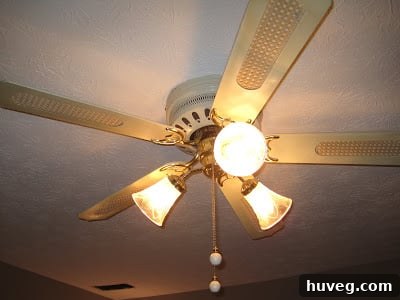
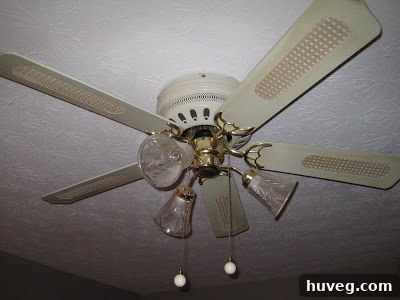
In reality, the wall switch in all three of my upstairs bedrooms was not connected to the ceiling lights at all. Instead, it controlled a seemingly random electrical outlet on the same wall – a peculiar design choice that served little practical purpose for our needs. The actual lighting came from ancient, frankly ugly, ceiling fans, each requiring a cumbersome pull cord to operate their integrated lights. This setup not only made it impossible to install stylish, modern light fixtures that required wall switch control but also perpetuated a cycle of manual tugging and squinting in the dark. It was a constant reminder of the house’s quirks, an irksome detail that overshadowed its charm and highlighted the need for fundamental home improvement. This minor inconvenience was a daily testament to the strange legacy left by previous installations.
Turning on the Light: A Solution and a Sigh of Relief
The tide began to turn with the much-anticipated visit from our trusty “superhero handyman.” With his expertise, what once seemed like an insurmountable electrical enigma was demystified. The objective was clear: reroute the wiring to allow the wall switches to control the ceiling lights directly, liberating us from the tyranny of the pull cord. While we haven’t yet settled on permanent light fixtures that truly reflect our style, the immediate goal was functionality. We opted for super cheap placeholder lights – simple, effective, and most importantly, responsive to the wall switch.
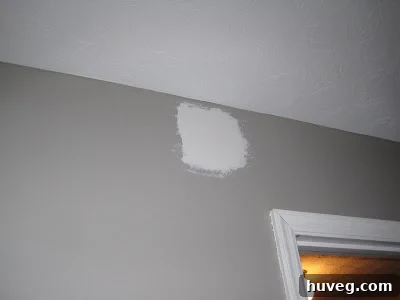
The transformation was immediate and profound. Walking into a bedroom and instinctively flipping the switch, only to be greeted by instantaneous light, felt like a small victory every single time. It restored a sense of normalcy and modern convenience to our living space. The only lingering evidence of the work is a small patch on the wall where the electrical access was made, a minor task now awaiting sanding and a fresh coat of paint. This simple electrical upgrade significantly enhanced the usability and comfort of our upstairs bedrooms, proving that sometimes, the biggest impact comes from fixing the smallest, most annoying details.
A Shocking Discovery: Uncovering Hidden Electrical Hazards
However, the journey to a properly wired home revealed a far more concerning issue, one that transcended mere inconvenience and delved into the realm of serious safety hazards. During the handyman’s visit, my uncle, who has a keen eye for such things, pointed out a critical detail: the proper installation of a ceiling light fixture demands more than just wires. Building codes and safety standards dictate that an electrical box must be securely installed in the ceiling, fully supporting the fixture and preventing live wires from coming into direct contact with the drywall. This is not merely a recommendation; it is a fundamental safety measure designed to prevent electrical shorts, fire hazards, and potential structural damage.
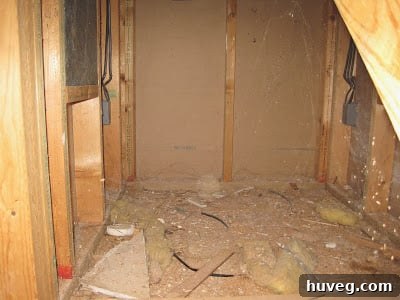
To our shock, while the craft room and guest bedroom had been properly fitted with these essential electrical boxes, our primary bedroom had been conspicuously overlooked. It wasn’t that the box was missing entirely; it was discovered, oddly enough, sitting abandoned in our attic directly above the bedroom ceiling. For an astonishing 28 years – for the entire lifespan of the house and for the 10 months we had lived there – the builder had simply neglected to install it. This meant that the heavy ceiling fan, which had faithfully cooled the room for decades, had been dangling precariously, supported solely by its electrical wiring and resting against the flimsy drywall. We were, without exaggeration, incredibly lucky. This glaring oversight by the original builder constituted a significant electrical hazard, a ticking time bomb hidden in plain sight. It serves as a stark reminder that even seemingly minor construction shortcuts can have life-threatening implications.
The Enduring Problem of Corner-Cutting and Builder Blunders
This incident underscores a broader, more frustrating truth about construction and home maintenance: the prevalence of corner-cutting, laziness, and outright negligence. The uninstalled electrical box in our primary bedroom is a prime example of such builder blunders. It’s a simple, yet critical, component that was ignored, potentially endangering every occupant of the house. Why such a basic safety measure would be bypassed remains a mystery, but it speaks volumes about a lack of diligence and adherence to professional standards that, sadly, is not uncommon in the industry.
And this wasn’t the first time we’d uncovered evidence of such haphazard work in the UD House. We previously documented another egregious example when replacing our stair tread, discovering a structural omission that highlighted similar issues of poor craftsmanship and disregard for proper construction techniques. These experiences reinforce the notion that vigilance is key for any homeowner, especially when dealing with older properties or undertaking renovation projects. Identifying “remuddling” – the often poorly conceived or executed renovations by previous owners or builders – becomes a crucial part of homeownership. Such shortcuts not only create headaches for future inhabitants but can also lead to costly repairs, structural instability, and, as we learned firsthand, serious safety risks. It makes you wonder how many other hidden dangers might be lurking behind walls or beneath floors in homes across the country, all due to someone cutting corners for a perceived, momentary gain.
Share Your Stories: Unmasking Home Renovation Nightmares
Our journey through electrical quirks and shocking discoveries is far from unique. The vast landscape of “blogland” and online homeowner communities is brimming with countless tales of “remuddling” and builder blunders that range from the utterly baffling to the genuinely dangerous. These shared experiences form a tapestry of collective homeowner frustration and, sometimes, hilarious incompetence. From mismatched electrical outlets to plumbing that leads nowhere, the stories serve as both cautionary tales and sources of camaraderie among those who’ve battled their homes’ hidden demons.
One memorable account that immediately springs to mind is Chelsea at This Fresh Fossil’s incredible discovery: her “closet-no-wait-that’s-a-shower” saga. This particular anecdote involved finding a shower that had been inexplicably built into what was clearly intended to be a closet, a testament to the bizarre design choices some previous owners or builders can make. These stories highlight the importance of thorough home inspections and a proactive approach to understanding your home’s infrastructure. They also remind us that we are not alone in facing the sometimes bewildering challenges of owning and maintaining a property.
Now, we turn it over to you, our fellow homeowners and renovation enthusiasts. What are your favorite, most shocking, or perhaps most amusing stories of builder blunders or “remuddling” you’ve encountered in your own homes? Have you discovered electrical nightmares, plumbing puzzles, or structural oddities that left you scratching your head? Share your experiences in the comments below. Let’s learn from each other’s adventures and collectively raise awareness about the importance of quality craftsmanship and diligent home maintenance. Your story might just save another homeowner from a similar fate!
Conclusion: Vigilance and Empowerment in Homeownership
Our journey from a frustrating “switcheroo” to uncovering a critical electrical safety hazard has been a powerful lesson in homeownership. It highlights that what appears to be a minor inconvenience can sometimes be a symptom of a much deeper, more serious issue. The successful re-wiring of our light switches not only brought functional joy but, more importantly, led to the rectification of a dangerous oversight by the original builder. This experience reinforces the importance of not ignoring the little things and seeking professional help when tackling home improvement projects.
As homeowners, we are often tasked with being detectives, unearthing the hidden histories and shortcuts embedded within our properties. While frustrating, each discovery is an opportunity to improve our living environment, enhance safety, and ultimately gain a deeper understanding of our homes. Let this serve as a reminder to always question, always inspect, and always prioritize safety over convenience. Empower yourself with knowledge, and don’t hesitate to address those lingering quirks – they might just be telling you a story you need to hear.