Cracking the Faucet Code

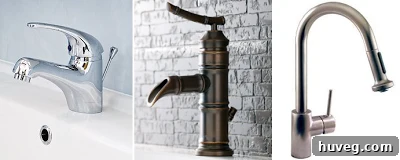
Navigating the world of home improvement, especially when it comes to seemingly simple fixtures, can often feel like learning a new language. Just like every other component of your home, kitchen and bathroom sinks come with a dizzying array of options, and choosing the right faucet is no exception. What appears to be a straightforward purchase can quickly become complicated when faced with specific installation requirements. This is precisely why we’re diving into another installment of our “Lingo Lessons” series, designed to empower DIY enthusiasts and homeowners with the essential vocabulary and knowledge needed to confidently tackle their projects.
Our goal is to demystify the process of selecting a faucet, transforming what can be a source of frustration into an informed decision. Whether you’re upgrading an existing fixture or outfitting a brand-new space, understanding faucet terminology is crucial. It saves you not only time and multiple trips to the hardware store but also ensures your chosen faucet seamlessly integrates with your sink and plumbing setup. This comprehensive guide will equip you with the insights you need to make the perfect choice for your home.
Decoding Faucet Terminology: Your Ultimate Guide to Choosing the Perfect Fixture
At first glance, selecting a new faucet might seem as simple as picking one you like. You see a design, fall in love with its aesthetic, and imagine it enhancing your space. However, the practicalities of installation demand a deeper understanding of faucet types. The critical factor often overlooked is the existing hole configuration in your sink or countertop. While custom installations allow for new holes to be drilled to match any faucet, replacements require careful consideration to fit pre-drilled holes, which can vary significantly.
To avoid the common pitfalls of incompatible purchases and endless returns, it’s essential to familiarize yourself with the different faucet types dictated by these hole patterns. This guide will walk you through the most common configurations, helping you identify the right fit for your specific needs before you even step foot in a store. Understanding these distinctions will make your shopping experience efficient and your installation process smooth.
Understanding Faucet Mounting: The Key to a Seamless Installation
The foundation of choosing the correct faucet lies in understanding its mounting type, which is primarily determined by the number and spacing of the holes available on your sink, countertop, or even wall. These pre-drilled holes are not arbitrary; they are designed to accommodate specific faucet styles. Before you begin shopping, take a moment to inspect your existing setup. Typically, you will observe one to three holes where your faucet should go. The measurement between these holes, especially for multi-hole configurations, is paramount.
Armed with the precise measurements and an understanding of the available holes, you can confidently narrow down your options. This initial assessment is the most critical step in ensuring compatibility and a successful installation. Let’s explore the various faucet types based on these crucial hole configurations:
1. Single-Hole Faucets: Modern Minimalism and Versatility
As the name suggests, single-hole faucets are designed for sinks or countertops that feature just one pre-drilled opening. This style embodies modern minimalism, offering a clean, uncluttered aesthetic that complements a wide range of contemporary and transitional bathroom and kitchen designs. All the faucet components—the spout and, if present, a single handle for temperature and flow control—are integrated into one compact unit that mounts through this sole opening.
Single-hole faucets are incredibly versatile. Many models come with an optional deck plate, which allows them to be installed on sinks with three holes by covering the two unused outer holes. This feature is particularly useful for those looking to update their look without replacing the entire sink or countertop. Their streamlined design not only enhances visual appeal but also simplifies cleaning around the base of the faucet. Installation is generally straightforward, making them a popular choice for DIY enthusiasts. Furthermore, these faucets often promote water efficiency due to their integrated design, encouraging mindful usage.
2. Centerset Faucets: The Compact Standard (4-inch)
When your sink or countertop features three pre-drilled holes with a 4-inch distance between the leftmost and rightmost holes, you’ll be looking for a 4-inch centerset faucet. This has historically been one of the most common faucet configurations, particularly in bathrooms. Centerset faucets are characterized by their compact design where the spout and both hot and cold handles are joined together on a single base unit, covering all three holes simultaneously. This creates a cohesive and integrated look that is efficient for smaller sink spaces.
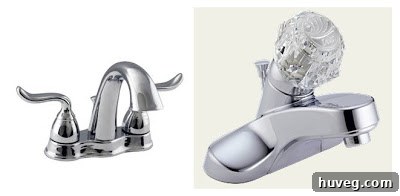
These faucets come in various styles, including traditional two-handled designs, offering separate controls for hot and cold water, or more contemporary single-handled options that allow for temperature and flow adjustment with one lever. The choice between a single or double handle often comes down to personal preference and existing bathroom aesthetics. Centerset faucets are generally more affordable than their widespread counterparts and are ideal for standard bathroom vanities and smaller powder room sinks where space is at a premium. Their integrated structure also simplifies installation, as fewer individual components need to be connected below the deck.
3. Minispread Faucets: Widespread Appeal in a Smaller Footprint (4-inch)
For those with a 4-inch, three-hole setup who desire the sophisticated aesthetic of a widespread faucet but are constrained by space, the 4-inch minispread faucet offers a perfect compromise. While it still accommodates the 4-inch measurement between the outer holes, the key difference from a centerset lies in its visual presentation. Minispread faucets feature a spout that is visibly separated from the hot and cold handles, giving the illusion of individual components mounted independently, much like a widespread model. However, unlike widespread faucets, the mounting for minispread components is still designed to fit within that narrower 4-inch span.
This design choice provides a more open and elegant look compared to the consolidated base of a centerset faucet, often enhancing the perceived spaciousness and luxury of a compact vanity. It allows for greater design flexibility, as you can choose handles and spouts that might have slightly different base designs, creating a custom feel. Minispread faucets are an excellent choice for upgrading a standard bathroom without requiring extensive modifications to the sink or countertop. They offer a refined aesthetic at a potentially lower cost than true widespread faucets, blending practicality with elevated style. When shopping, ensure the packaging explicitly states “4-inch minispread” or “mini-widespread” to guarantee compatibility with your 4-inch drilling.
4. Widespread Faucets: Elegant and Expansive (8-inch)
When your sink or countertop boasts three holes spaced 8 inches apart (measured from the center of the leftmost hole to the center of the rightmost hole), an 8-inch widespread faucet is the appropriate choice. True to their name, these faucets feature components that are spread further apart, offering a grander and more luxurious appearance. The spout and the hot and cold handles are typically individual pieces, allowing for greater customization in terms of their placement and creating a more expansive visual impact.
Widespread faucets are ideally suited for larger bathroom vanities, master baths, or double sinks where their scale can be appreciated without overwhelming the space. Their distinct components and generous spacing make cleaning easier and can contribute to a more sophisticated design aesthetic. While they generally come at a higher price point than centerset or minispread options due to their more complex design and potentially more material, their durability and timeless style often justify the investment. Installation involves connecting separate hot and cold lines to each handle and then to the central spout, which can be slightly more involved than compact designs but is still manageable for experienced DIYers. Choosing a widespread faucet is a statement of elegance and functionality for spacious bathroom environments.
5. Vessel Filler Faucets: Elevating Your Basin
Vessel sinks, which sit atop the countertop rather than being recessed into it, require a specialized type of faucet known as a vessel filler. These faucets are distinctly taller than standard models to ensure the spout can adequately reach over the rim of the elevated vessel basin. The primary consideration for vessel filler faucets is precise measurement of the vessel sink itself. The spout height must clear the rim of the sink by approximately 3 to 5 inches to allow for comfortable hand washing and prevent awkward angles.
Equally important is the spout’s reach; it should extend far enough into the basin to prevent water from splashing outside the sink, ideally hanging about 2.5 inches from the edge. This careful alignment minimizes splash cleanup and ensures a functional and enjoyable user experience. Vessel filler faucets can be either single-hole mounted on the countertop next to the vessel sink or wall-mounted (which we’ll discuss next) for an even more dramatic effect. Their design often emphasizes sleek lines and contemporary finishes to complement the modern aesthetic of vessel sinks, making them a focal point in any bathroom.
6. Wall-Mount Faucets: A Statement of Style and Space
For a truly distinctive and space-saving aesthetic, wall-mount faucets offer an unconventional yet highly stylish solution. Instead of connecting to the sink or countertop, these faucets are installed directly into the wall behind the basin. This design frees up valuable countertop space, making cleaning easier and providing a minimalist, architectural look. Wall-mount faucets are particularly popular in modern and industrial bathroom designs and are also an excellent pairing for vessel sinks, providing the necessary height and reach without cluttering the vanity top.
However, the installation of a wall-mount faucet is significantly more complex than deck-mounted options. It requires that your water supply lines run behind the wall, necessitating professional plumbing assistance unless you are undertaking a full bathroom renovation. The spout must be positioned carefully to extend directly over the center of the sink basin, and proper depth within the wall is crucial for stability and leak prevention. While the initial setup might be more involved and costly, the dramatic visual impact and functional benefits of a wall-mount faucet can be well worth the investment for those seeking a high-end, custom look.
Beyond Hole Count: Other Crucial Faucet Selection Factors
While understanding hole configurations is the first step, a complete faucet selection involves considering several other factors that impact functionality, durability, and aesthetics:
Materials and Finishes: Durability Meets Design
- Materials: Faucets are typically made from brass, known for its corrosion resistance and durability. Zinc alloys and plastic components might be found in less expensive models, but brass remains the industry standard for quality.
- Finishes: The finish significantly impacts the faucet’s look and longevity. Popular options include:
- Chrome: Classic, highly reflective, durable, and easy to clean.
- Brushed Nickel: Muted, fingerprint-resistant, modern, and versatile.
- Oil-Rubbed Bronze: Rich, dark, antique look, perfect for traditional or rustic styles.
- Matte Black: Trendy, bold, and provides a striking contrast in contemporary settings.
- Polished Brass: Timeless, elegant, and often lacquered to prevent tarnishing.
Consider how the finish will complement other fixtures and hardware in your bathroom or kitchen.
Functionality and Features: Tailoring to Your Needs
- Handle Style: Single-lever handles offer easy temperature and flow control. Double handles provide precise control over hot and cold water.
- Spout Height and Reach: Ensure the spout is high enough for comfortable use and extends far enough into the sink to prevent splashing.
- Spray Functions (for kitchen faucets): Features like pull-down or pull-out sprayers, multiple spray patterns (stream, spray, sweep), and magnetic docking can enhance utility.
- Sensor Faucets: Touchless operation for hygiene and water conservation.
- Water Efficiency: Look for WaterSense-certified faucets, which are designed to save water without sacrificing performance, reducing your utility bills and environmental impact.
Maintenance and Durability: Long-Term Performance
- Cartridge Type: Ceramic disc cartridges are generally preferred for their durability and drip-free performance over rubber washers.
- Ease of Cleaning: Smooth finishes and simple designs are easier to wipe down and keep free of water spots and grime.
- Warranty: A good warranty indicates the manufacturer’s confidence in their product’s longevity.
Budget: Balancing Cost and Quality
Faucet prices can range from very affordable to quite luxurious. While it’s tempting to opt for the cheapest option, remember that a faucet is a frequently used fixture. Investing in a higher-quality faucet can save you money and headaches in the long run by preventing leaks, drips, and premature replacement. Determine your budget but prioritize quality and durability for a fixture you’ll use daily.
Key Takeaways Before You Shop
Before heading to the store or browsing online, take these crucial steps:
- Identify Hole Count and Spacing: This is the absolute first step. Measure carefully!
- Consider Sink Type: Is it a standard undermount, drop-in, or vessel sink?
- Match Style and Finish: Ensure the faucet complements your bathroom or kitchen’s overall aesthetic.
- Review Features: Think about daily usage and desired functionalities.
- Set a Budget: Balance cost with desired quality and durability.
- Check Plumbing: Especially for wall-mount options, assess existing plumbing capabilities.
Conclusion: Your Faucet Journey Begins
Choosing the right faucet doesn’t have to be a bewildering experience. By understanding the fundamental differences in mounting types—from the minimalist single-hole to the grand widespread, and the specialized vessel or wall-mount options—you are now equipped with the knowledge to make an informed and confident decision. Remember that a faucet is more than just a water delivery system; it’s a design element, a functional tool, and an investment in your home’s comfort and style. Take your measurements, consider your aesthetic preferences, and don’t hesitate to weigh functionality and durability against the initial cost.
We hope this “Lingo Lesson” has illuminated the path to your perfect faucet. Armed with this vocabulary, you can now approach your next home improvement project with confidence, ensuring a seamless installation and a beautiful, long-lasting addition to your space. Do you have any personal tips or experiences to share from your own faucet-buying journey? We’d love to hear them in the comments below!