Bulletproof Your Tub Surround: A DIY Tiling and Waterproofing Masterclass

Embarking on a primary bathroom renovation can be an incredibly rewarding, yet challenging, DIY journey. When I initially planned to document my experience tiling our bathtub surround, I envisioned an exhaustive series of step-by-step guides covering every single detail: waterproofing, precise tiling techniques, leveling, grouting, and the final installation of new shower hardware. My goal was to create resources that addressed every question and concern a homeowner might have, especially those apprehensive about making costly mistakes. I meticulously captured hundreds of photos and even hours of video footage, ready to share every nuance of the process.
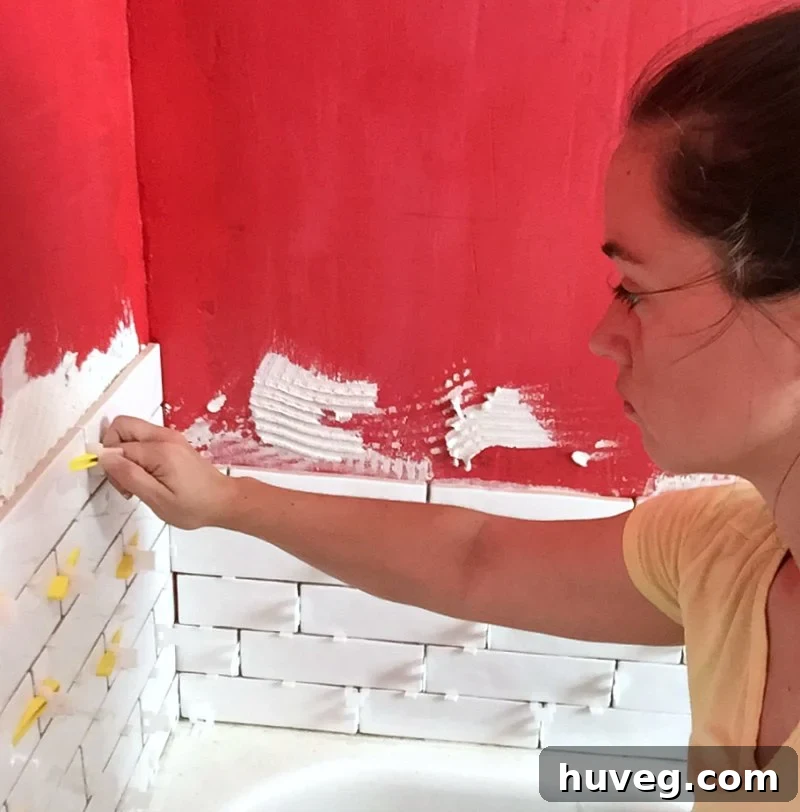
Throughout this demanding project, I found myself increasingly in front of the camera, even amidst the inevitable dust and stray bits of thin-set that occasionally gave my hair an unintentional, “distressed” look – a humorous reminder of past DIY adventures where paint streaks were my signature!
This post contains affiliate links — for the full disclosure policy, click here.
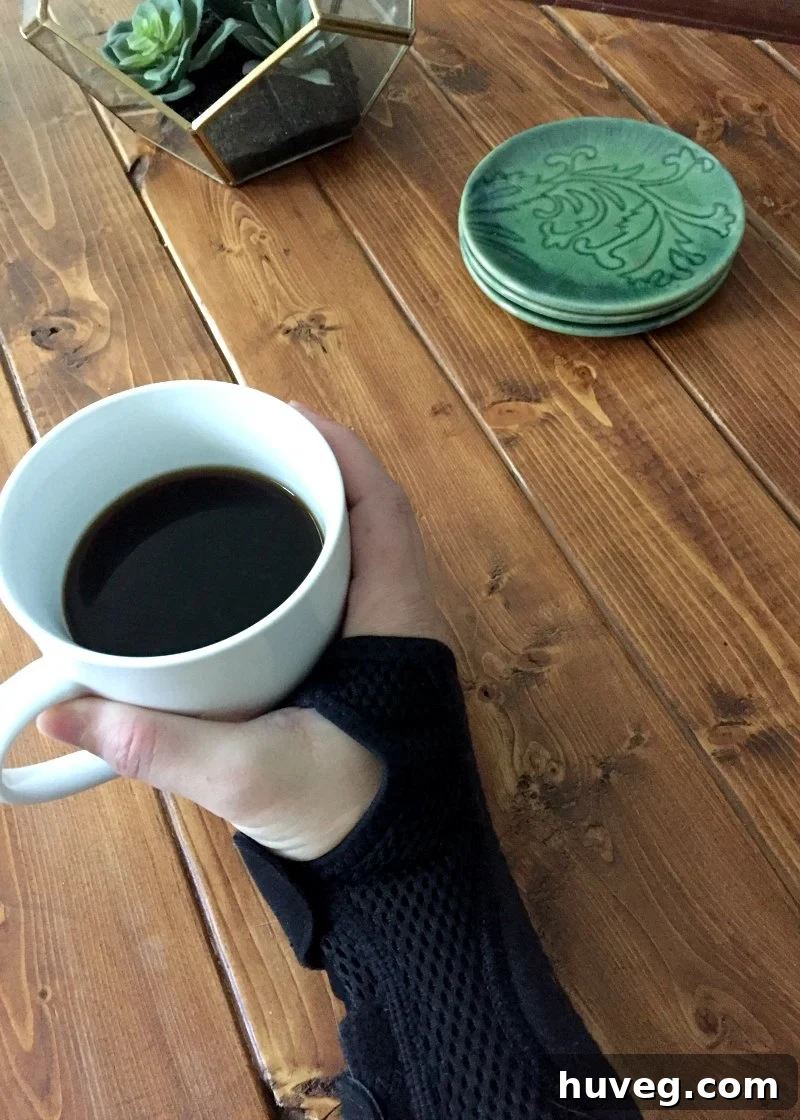
However, the reality of a full-scale DIY bathroom renovation soon set in. What began with ambitious intentions quickly morphed into an intensive several-week ordeal, particularly over my 4th of July holiday. Spending countless hours cramped in a small bathroom space, wrestling with tools, and pushing through moments of sheer frustration left me physically exhausted. The immediate aftermath called for a much-needed period of rest and recovery, especially since I found myself sporting a therapeutic wrist brace. This “accessory” became a necessity due to the cumulative strain from gripping tiling tools, combined with my regular computer and power tool usage. It served as a clear signal that prioritizing rest is a lesson I’m still learning.
Rather than leaving you in suspense, I’ve decided to kick things off with a comprehensive overview – this very post – before diving into more granular detail later, as time permits. My impatience to share the transformation with you is simply too great to wait for every single micro-step to be documented! This approach also allows me to gauge your most pressing questions in the comments, which I can then address directly in subsequent, more detailed posts. The world of tiling advice online can be vast, complex, and at times, contradictory, so your input is invaluable. While many aspects of tiling involve personal preference, a general, structured process forms the backbone of any successful project. You can navigate directly to specific sections using the links below:
- Removing Old Tile
- Replacing Tile Backing with New Board
- Waterproofing the Shower Area
- Installing New Tiles
- Applying and Finishing Grout
- Sealing the Grout (Optional but Recommended)
It’s worth noting that some steps or products may overlap; for instance, certain tile backer boards are inherently waterproof, or some grouts come with integrated sealers. My advice in these moments is to take a deep breath. This project is absolutely achievable as a DIY endeavor. The key is thorough research, building your confidence, and selecting products that align with your project’s needs and your comfort level. To provide an additional resource, I’ve also listed some excellent online courses from a friend who’s a seasoned bathroom remodeler at the bottom of this post. Having completed numerous bathroom tiling jobs, his expertise was my first port of call whenever I encountered a stumbling block.
Mastering Your Bathroom Renovation: A Comprehensive Guide to Tiling a Bathtub Surround
Tiling a bathtub surround can dramatically elevate the look and functionality of your bathroom, transforming a dated space into a modern sanctuary. This comprehensive guide breaks down the essential steps, from initial demolition to the precise finishing touches, offering practical advice and insights to help you achieve professional-quality results on your DIY journey. Understanding each phase, the right materials, and common pitfalls will empower you to tackle this project with confidence.
1. Preparing the Canvas: Removing Old Shower Tile and Drywall
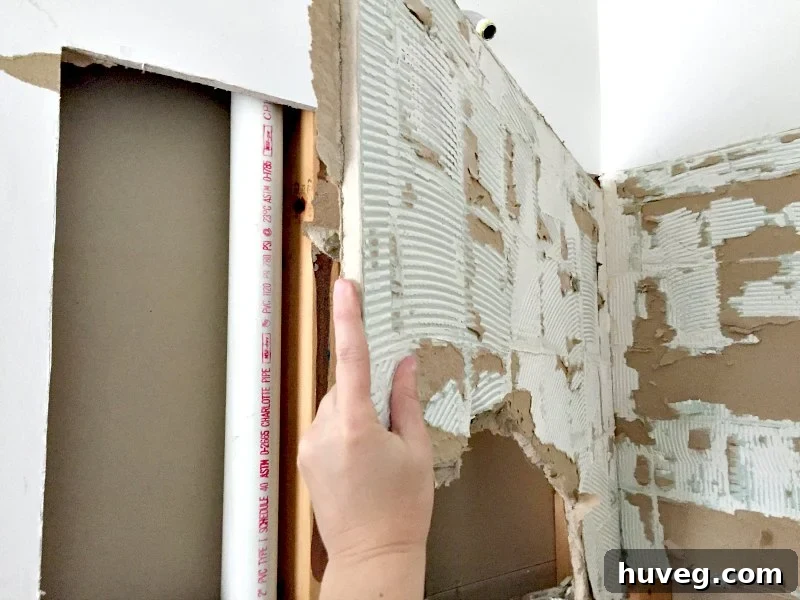
Our bathroom transformation began with the crucial first step: demolition. The existing shower tile, though structurally intact, was visually outdated, and its aesthetic no longer aligned with my vision for a modern primary bathroom. With the budget finally aligned, it was time for a significant upgrade. My initial plan for removing the drywall was rooted in practicality – I anticipated a heavily damaged and uneven surface after tile removal, making it difficult to achieve a smooth new tile installation. Therefore, I assumed replacing the old green board (a type of moisture-resistant drywall, identifiable by its distinct green paper coating) would be the most straightforward approach. This thought process guided me through installing new green board sections and meticulously taping the seams, a technique I had some prior experience with from other home improvement projects like this one. When removing old drywall, a crucial tip is to try and extract it in the largest possible chunks. This approach makes the process far more efficient and less taxing than pulverizing it into small pieces. Resist the urge to aggressively smash with your hammer; controlled demolition is not only safer but also ultimately faster.
2. Laying the Foundation: Choosing and Installing the Right Tile Backer Board
Despite my initial intentions, my choice of green board for the shower surround proved to be an unfortunate and costly misstep. Current building standards, informed by years of documented failures and moisture-related issues, strongly advise against using green board drywall in consistently wet environments like shower enclosures. The industry consensus has decisively shifted towards more robust, purpose-built, and highly water-resistant options. Foremost among these is cement backer board, which you’ll frequently encounter under various brand names used interchangeably in DIY communities, such as Durock, Wonderboard, or Hardiebacker. These products are specifically engineered to provide superior structural integrity and moisture resistance, effectively preventing future problems like mold growth, substrate degradation, and tile failure. Additionally, specialized waterproof tile boards, often identifiable by their specific brand names, offer an even higher level of integrated waterproofing.
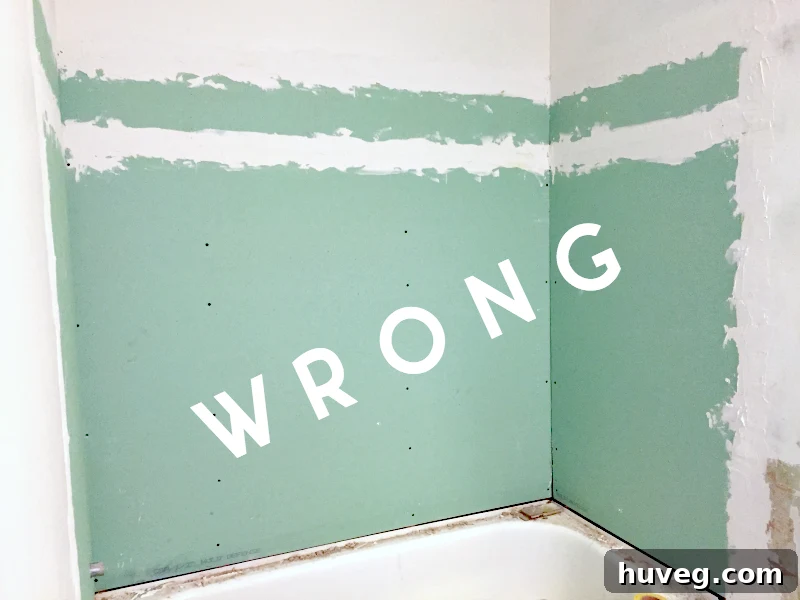
Thankfully, I identified my material error before progressing to the waterproofing stage. This necessitated the frustrating but ultimately essential task of tearing out the freshly installed green board and replacing it with the correct cement board. While the physical process wasn’t inherently complex, it was undoubtedly irritating, physically demanding, and cumbersome, especially when maneuvering large, rigid sheets of backer board within the cramped confines of a small bathroom. Beyond the sheer effort, there was the unwelcome financial impact of purchasing the wrong materials twice. This experience underscores a vital lesson for any DIYer: always invest time in thorough research and select the correct materials from the outset to avoid costly do-overs in both time and money.
The installation of the new cement backer board itself presented unique considerations, particularly due to my existing bathtub, which I intended to keep. The tub features a lip along its top edge, secured to the wall studs by protruding nails. These nails can sometimes complicate backer board installation, potentially causing the board to sit unevenly or crooked, which subsequently leads to misaligned tile lines at the bottom of the surround. In my specific case, these nails serendipitously proved helpful; I was able to rest the bottom edge of the backer board precisely along them, just above the tub’s lip, ensuring a secure and perfectly straight starting point. The absolute critical factor here is ensuring that your wall studs are plumb and flush with each other, and perfectly aligned with the tub lip. For once, my older home offered a surprisingly level surface, alleviating concerns about crooked bottom tiles. Had there been any significant inconsistencies or bows in the studs, the standard professional solution would involve using shims to create a truly flat and plumb substrate before attaching the backer board.
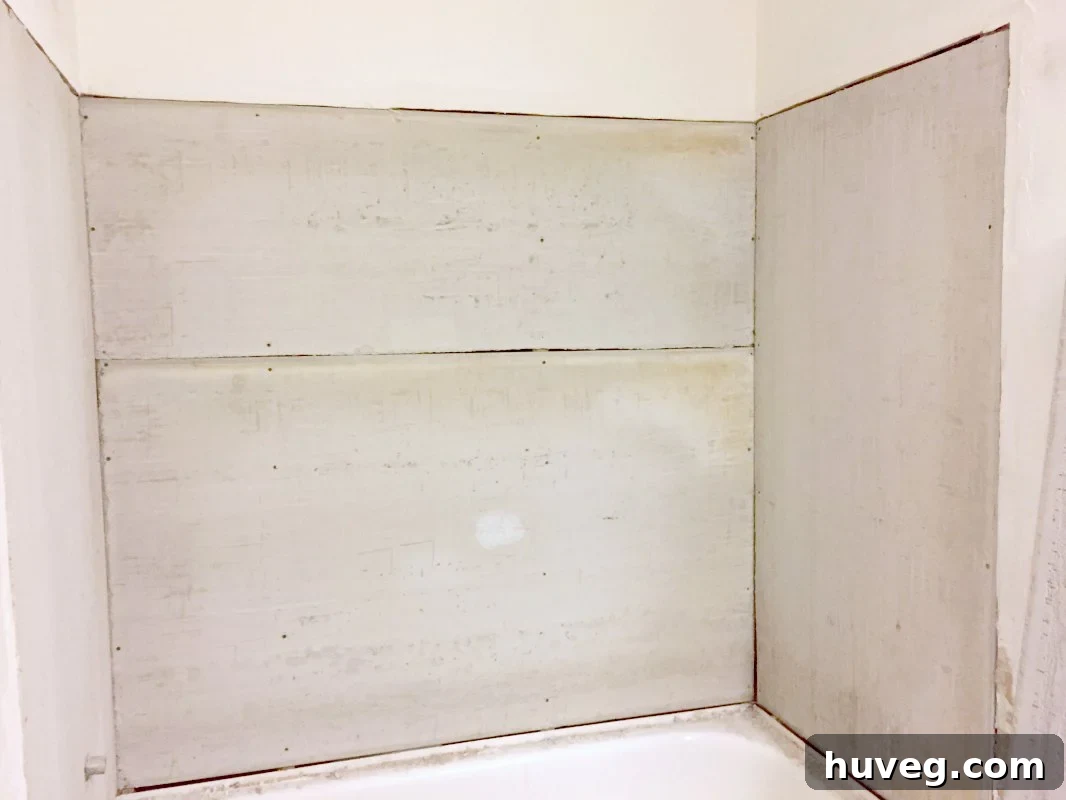
Unlike traditional drywall applications where joint compound is used, cement backer board seams and corners require a specialized approach for optimal durability and moisture resistance. The industry-recommended method involves embedding alkali-resistant fiberglass mesh tape (though not always prominently featured in all guides) into a layer of thinset mortar. While some contractors might occasionally skip the mesh tape, citing concerns about creating slight bumps that are difficult to tile over (a complaint I frequently encountered on various DIY forums), this omission introduces a significant risk. Without the reinforcement of mesh tape, any minor structural movement in the wall can lead to unsightly and problematic cracks in your tile or grout lines over time. When embarking on a long-lasting installation like a shower surround, eliminating as many potential risk factors as possible is paramount, as doing the job twice is far more frustrating and labor-intensive. My initial attempt at smoothing the thinset over the mesh tape wasn’t entirely perfect, requiring a bit of extra finessing to achieve a completely flush surface, reinforcing the importance of careful and precise application at this stage.
3. The Ultimate Defense: Waterproofing the “Wet Area”
With the appropriate cement backer board securely installed, the next absolutely critical step in ensuring the longevity and integrity of your shower surround is robust waterproofing. Since I opted for standard cement board rather than a pre-waterproofed variety, I selected Redgard. My choice was also heavily influenced by its ready availability at major local home improvement stores, saving me valuable time and travel compared to seeking out specialty tile shops. Redgard is a highly regarded product that functions as both a waterproofing and crack isolation membrane, providing an exceptional layer of protection against moisture penetration and accommodating minor substrate movement. Although the original green board in my bathroom managed to endure for 30 years without significant mold issues (despite the absence of dedicated waterproofing), my objective for this DIY project was to significantly surpass the existing conditions and ensure unparalleled long-term durability. This renovation was about a fundamental upgrade, not merely a cosmetic refresh.
Redgard is widely acclaimed for its user-friendliness, and online demonstrations vividly showcase its impressive waterproofing capabilities. Fundamentally, if you possess the ability to paint a wall, you can effortlessly apply this product. Key considerations during application include ensuring proper ventilation within the bathroom and allowing ample drying time between coats and before tiling. The product packaging typically indicates that tiling can commence once the Redgard is dry to the touch (generally 1 to 1.5 hours, depending on ambient humidity), but based on my experience, I highly recommend waiting a bit longer to allow the distinctive odor to dissipate completely. Patience during this curing phase will pay dividends in air quality and overall comfort.
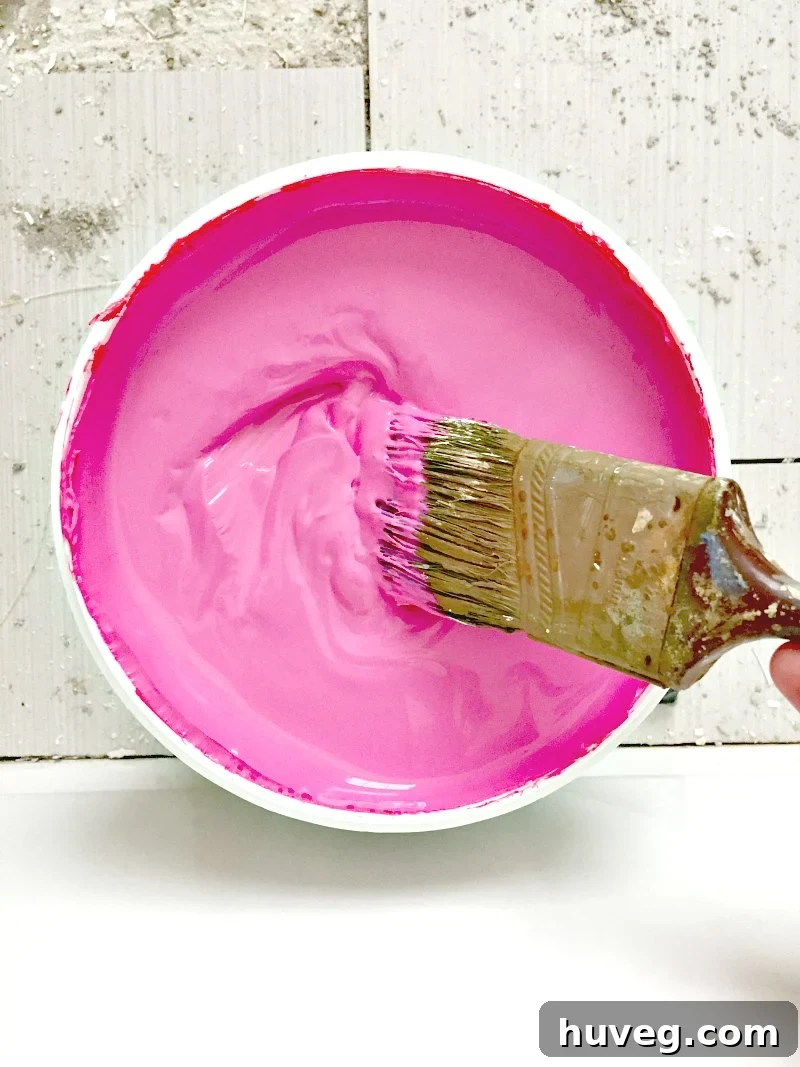
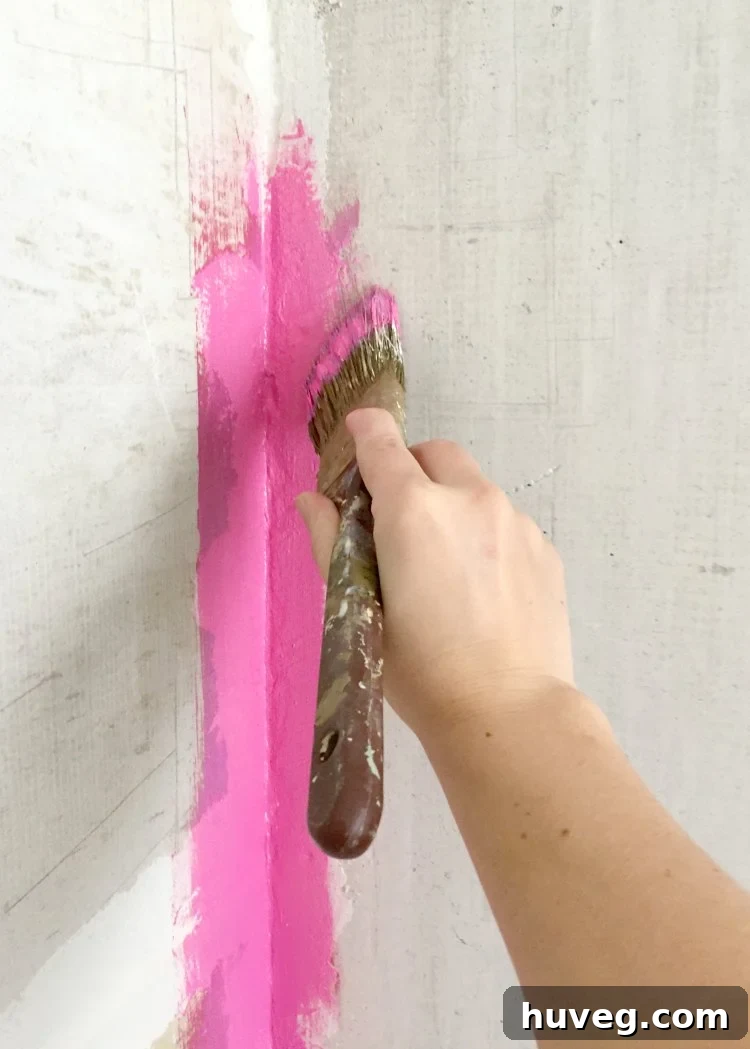
The application process itself is relatively straightforward. You can effectively apply Redgard using a paint roller, much like applying paint, or by employing a trowel for thicker coats. For meticulous coverage in corners, seams, and any tiny, uneven nooks and crannies, I found an old, clean paintbrush to be an invaluable tool. Always apply a minimum of two coats to achieve the maximum level of protection and crack isolation. In my project, I concentrated the Redgard application on the areas directly subject to water exposure – essentially, the original tiled parts of the shower surround – rather than extending it all the way up to the ceiling, as its primary function is to protect the wet zone.
A frequently asked question revolves around the necessity of protecting the bathtub from Redgard splatters with painter’s tape. While I did apply tape, I ultimately found it wasn’t strictly essential. Once dry, Redgard develops a consistency remarkably similar to dried caulk or plastic, making any drips or errant splatters incredibly easy to identify and remove. It peeled cleanly off the smooth tub surface with just a fingernail. The only minor difficulty I encountered was with very thin splatters on the unglazed porcelain floor tile, where its texture allowed the Redgard to adhere more tenaciously. This taught me a valuable lesson: allowing any accidental drips to form a thicker glob made removal far easier than attempting to wipe off thin, almost invisible layers. A flat plastic knife (to avoid scratching, unlike a metal blade) can also assist in removal, but often, a simple fingernail suffices for dried residue.
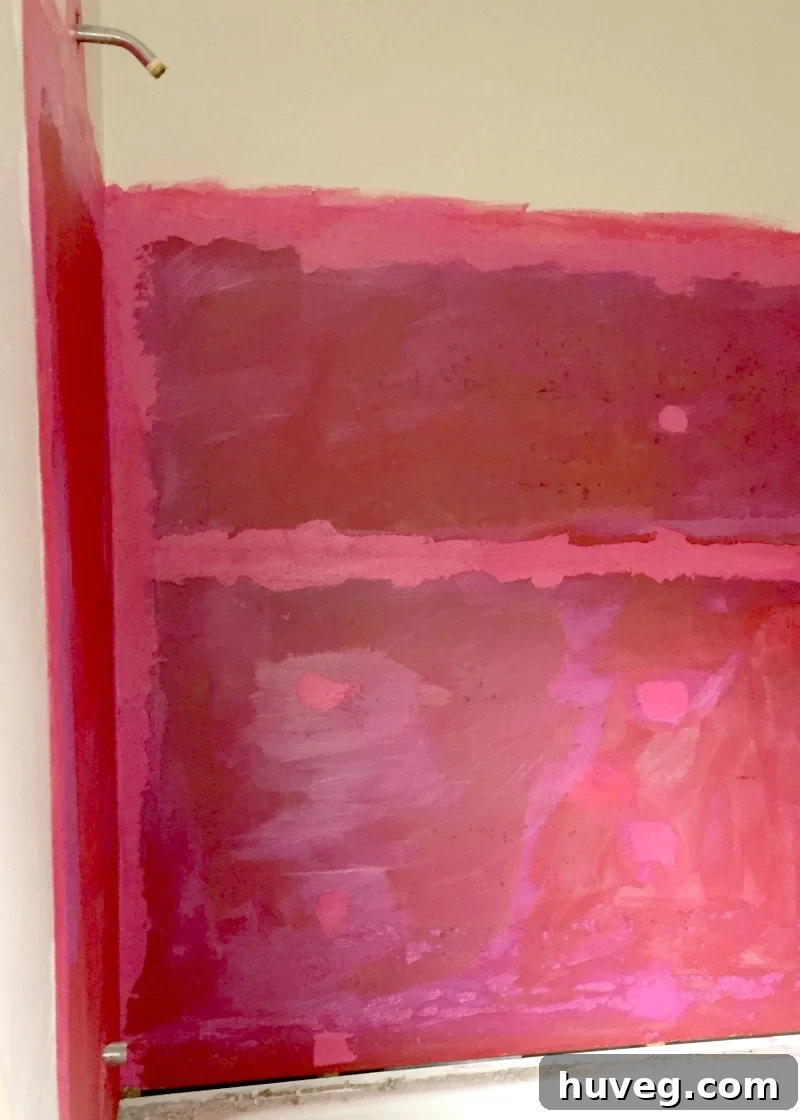
Perhaps the most enjoyable and visually striking aspect of Redgard is its remarkable color transformation. It applies as an incredibly vibrant, almost neon pink, then magically cures and dries to a distinct, uniform red. While I wouldn’t typically describe myself as a “pink person,” I must confess, I’m seriously tempted to find a dress in that initial, eye-catching Redgard pink hue!
4. Precision and Patience: Installing Your New Tiles, Starting from the Tub
Having previously undertaken tiling projects such as a ceramic subway tile backsplash in the kitchen and another in the laundry room, I approached this shower surround installation with a degree of foundational knowledge. However, this particular endeavor presented several unique challenges and critical considerations that differentiated it from prior experiences:
- **Navigating Tile Adhesive Choices:** The selection of the appropriate tile adhesive for wet areas like a shower surround is a subject of fervent debate and critical importance. Manufacturers’ recommendations often diverge from the practical advice offered by seasoned professional contractors in DIY communities. The fundamental distinction typically hinges on whether the product is pre-mixed. Historically, pre-mixed adhesives were commonly referred to as mastic (though the more modern term is often ceramic tile adhesive) and were generally deemed suitable for dry areas such as kitchen backsplashes. For consistently wet environments—including shower floors, submerged applications, or steam rooms—thinset mortar, a dry powder mixed with water, is the universally recommended and safest choice due to its superior bonding strength and water resistance. However, a select handful of pre-mixed products explicitly state on their packaging that they are acceptable for intermittent wet areas, such as shower walls or tub surrounds, and are readily available at major retailers like this one. These specific pre-mixed options tend to be thicker and grittier than traditional mastic and typically require a longer cure time. While their convenience is undeniable, there’s an inherent risk: if the grout lines are not perfectly sealed (and meticulously maintained over time), water penetration behind the tile could potentially weaken the adhesive bond and foster mold growth. This dichotomy has created distinct “Team Pre-Mixed” and “Team Thinset” camps within the DIY community. Lacking extensive personal experience with pre-mixed adhesives in consistently wet environments, I lean towards recommending the safer, traditional route of mixing your own thinset for shower applications. Furthermore, the color of your adhesive plays a significant role; always opt for white thinset if you plan to use a light-colored grout, as gray thinset can subtly bleed through and alter the grout’s final pigment. This adhesive decision alone caused me considerable deliberation and anxiety, and it unequivocally warrants a dedicated, in-depth post – a project I eagerly anticipate tackling once my wrist brace is a distant memory!
- **The Sheer Time Investment:** Tiling the entire wall from the tub lip all the way to the ceiling was an undertaking that consumed significantly more time and energy than I initially anticipated. It was an undeniably exhausting process, demanding sustained focus and physical exertion. However, the final aesthetic, particularly the gorgeous wavy gleam reflecting off the tile surface, made every single moment of effort profoundly worthwhile. I eagerly await the opportunity to share the final reveal photographs, which truly capture the beauty of the finished work.
- **The Paramount Importance of Leveling the First Row:** I cannot emphasize this point enough: meticulously getting your bottom row of tiles perfectly level is absolutely critical to the success of your entire installation. This initial row establishes the fundamental baseline for all subsequent rows, acting as a domino effect. Any slight deviation or crookedness at this foundational stage will inevitably compound with each additional row, resulting in visibly misaligned and unsightly lines further up the wall. Therefore, dedicate extra time here, meticulously double-checking that every tile is perfectly straight and level. As you progress up the wall, make it a habit to periodically pull out your level again and verify your progress every few rows. Making minor adjustments and corrections every couple of rows is infinitely easier and less disruptive than attempting to rectify a noticeable sag or crooked section halfway up the shower wall.
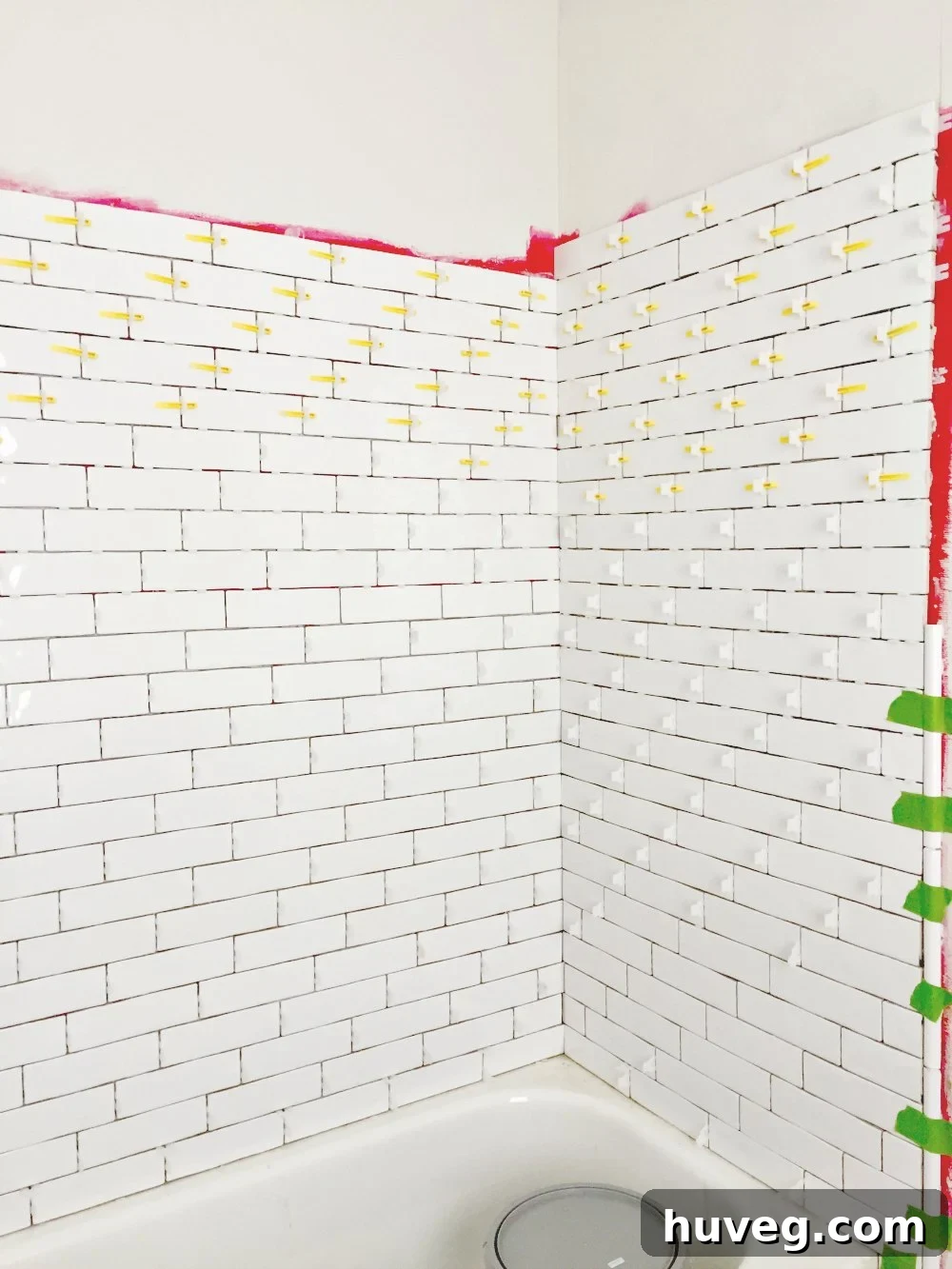
- **Working with Unique Tile Characteristics:** The specific tile I selected for this project was described as “handcrafted,” which meant it possessed a distinct wavy effect on both its surface and edges. While this characteristic imparts a beautiful, organic aesthetic, it simultaneously introduced significant challenges, particularly when attempting to use traditional tile spacers to achieve uniform grout lines. Some areas of the installation necessitated very narrow grout lines to maintain overall levelness and visual consistency, while other areas required thicker spacers to accommodate the natural variations in tile shape. Constant vigilance with my level, meticulously checking each tile as it was placed, was arguably the only way I managed to preserve my sanity throughout the process! I found small wedge spacers to be incredibly versatile and indispensable for accommodating these variable gaps and fine-tuning alignment. The inherent irregular shape of the tiles also played a role in my decision-making regarding the specific brick pattern I ultimately employed.
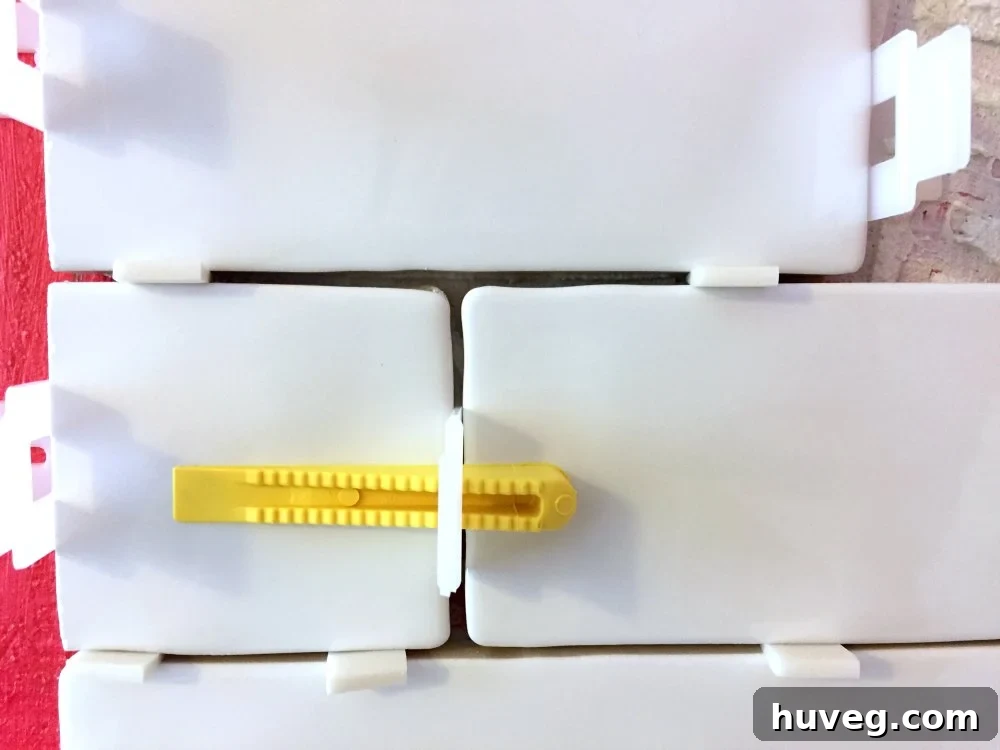
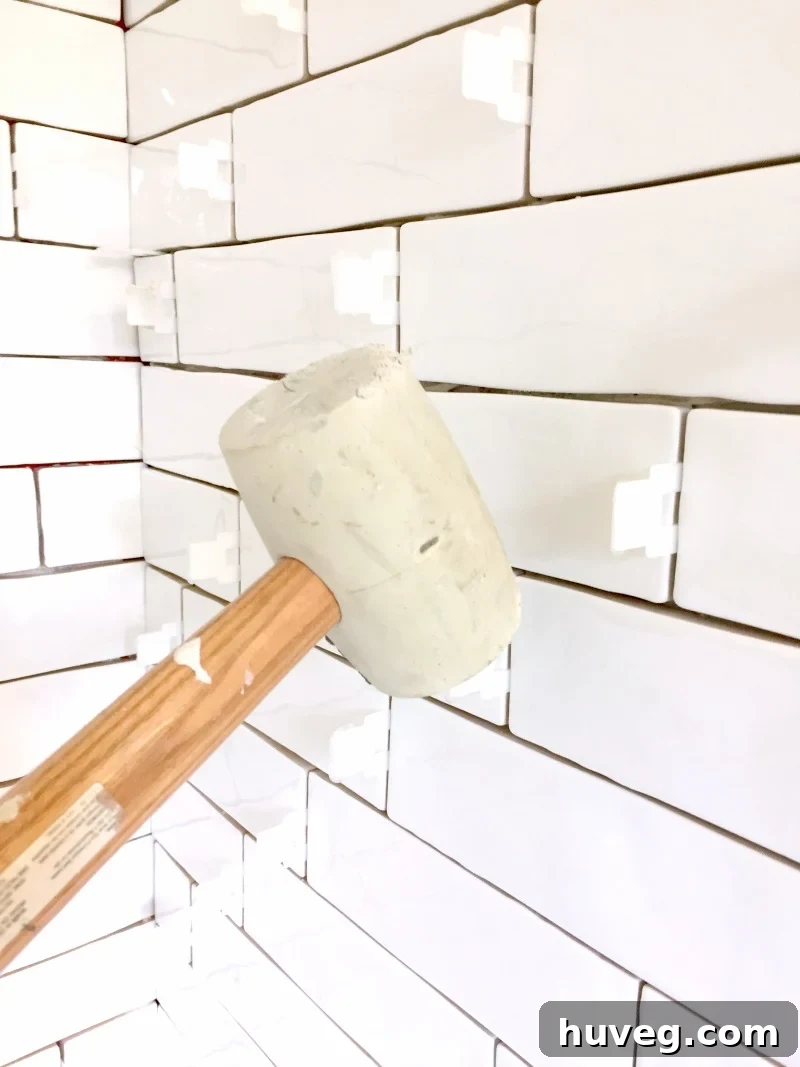
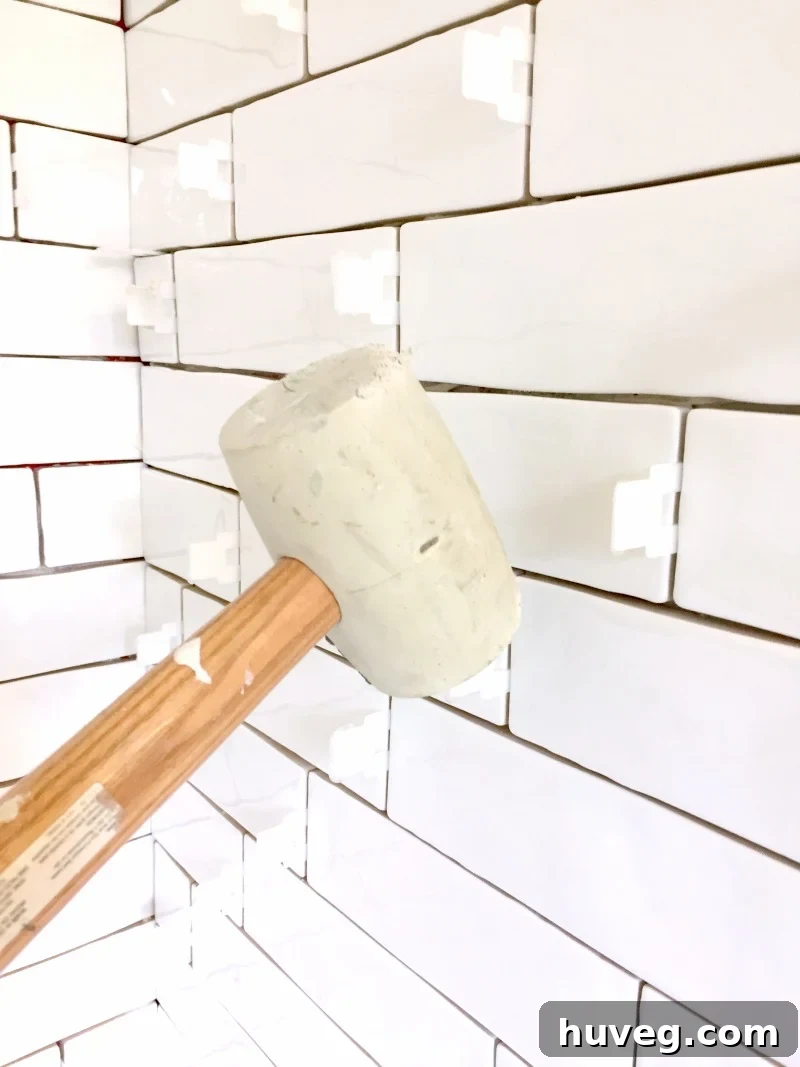
- **Revolutionary Tile Leveling System:** To ensure a flawlessly flat and lippage-free tile surface, I experimented with a new product that I cannot recommend highly enough: these leveling tile spacers. This ingenious two-part system is designed to fit snugly around and between tiles, providing a consistent 1/16″ spacer width. One essential component is a permanent base that sits discreetly under the tile, playing a crucial role in maintaining surface level during the installation process – a truly innovative and game-changing feature for me. The second component, a clip that affixes on top to mechanically secure and level each tile with its adjacent pieces, is then removed after the adhesive has fully cured. During one phase of the installation near the ceiling, I attempted to set tiles without employing these leveling spacers, and the immediate difference in surface evenness was strikingly apparent. This experiment unequivocally affirmed their value and justified their cost. There’s also a surprisingly satisfying final step: once the tile adhesive has completely hardened, you simply knock off the top clips with a rubber mallet – a surprisingly enjoyable and therapeutic action after hours of meticulous tiling work! For my particularly irregular “handcrafted” tiles, I primarily utilized these spacers on the shorter (vertical) ends due to the unpredictable nature of the horizontal spacing variations. However, for standard, uniform tiles, these leveling systems would be incredibly effective and beneficial for achieving both horizontal and vertical levelness.
- **Promptly Cleaning Excess Adhesive:** As you set each tile, it’s inevitable that some tile adhesive or thinset will squish out from underneath and into the grout joints (the spaces between the tiles). It is absolutely imperative to remove this excess adhesive before it begins to dry and harden. If left to cure, this hardened adhesive will significantly complicate the subsequent grouting process, preventing the grout from properly filling these narrow spaces and potentially leading to weak or uneven grout lines. Use the blade of a putty knife to gently scrape away any visible excess, taking extreme care not to disturb the newly set tiles or shift them out of position.
- **The Final Verdict on Tile Size:** Upon proudly announcing the hard-won completion of the tiling phase, the immediate question I often received was whether I regretted not opting for larger tiles to reduce the sheer volume of work involved. While a pragmatic part of me certainly acknowledged the immense labor investment, the undeniable and exquisite beauty of these specific tiles ultimately extinguished any lingering regrets. Their unique character and finished appearance truly make the entire space shine, validating every ounce of effort.
- **Mastering Seamless Transitions:** Figuring out how to seamlessly transition the newly tiled area where it meets other parts of the room, such as adjacent drywall or existing crown molding, was another valuable learning experience that required careful thought and execution. I’ve since compiled and added helpful tips to related posts, detailing precisely how I successfully handled the transition from the tile edge to the drywall and ingeniously resolved the crown molding dilemma here, offering insights into achieving a polished, professional finish.
5. The Finishing Touch: Grouting and Sealing for Longevity
The selection of the grout color for this project was, surprisingly, a significant source of self-doubt for me. My previous kitchen backsplash installation left me with a lingering wish that I had experimented with gray grout. However, considering the inherent variations in grout line widths resulting from the handcrafted nature of the bathroom tiles, I ultimately concluded that white grout on white tile would be the most visually forgiving and cohesive option – frankly, the least likely to induce an involuntary eye-twitch during my morning showers! I committed to white, and I can confidently state that I feel far more assured with this choice than I ever did with the kitchen’s grout, effectively laying to rest any fears of future regret.
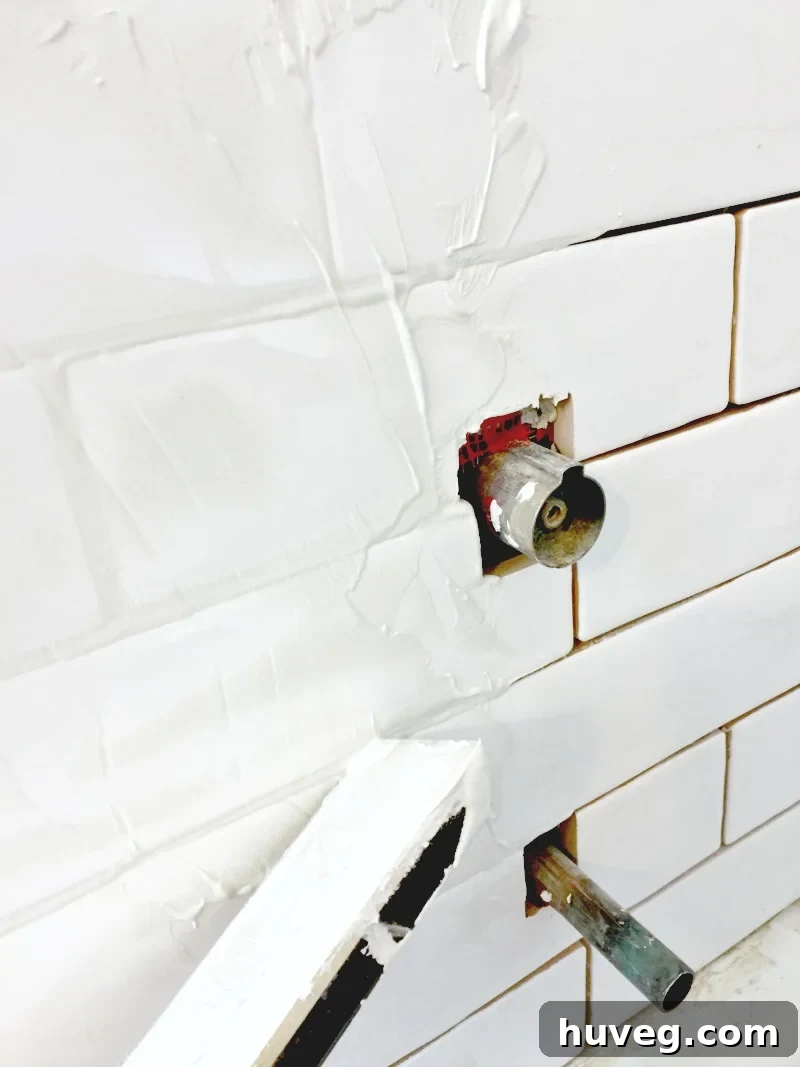
While grouting isn’t universally celebrated as a favorite DIY task, I personally find it to be a relatively straightforward, albeit messy, step. Despite the considerable physical effort involved in spreading and cleaning, there’s a certain meditative quality to the process of filling those lines. Given the varying widths of my handcrafted tile grout lines, I employed both a traditional grout float and my gloved hands to meticulously ensure every tiny gap was thoroughly filled. It’s absolutely essential to use gloves you are comfortable with disposing of afterwards! The basic technique involves spreading the grout with the float held at a diagonal to the tile, which prevents inadvertently pulling the freshly applied grout back out of the joints. The pliable rubber base of the grout float effectively pushes the grout deep into the empty spaces while simultaneously squeegeeing excess material off the smooth tile surfaces. After allowing a brief setting period, you then use a damp sponge to meticulously wipe off the initial excess. Even after this initial cleaning, as the grout dries, a subtle haze will typically form on the tile surfaces, necessitating a second, thorough wipe-down. It is paramount to clean things as meticulously as possible during the initial sponge-off phase; you do not want to learn the hard way that you didn’t wipe off enough and now have stubbornly dried grout on top of your tiles that resists easy removal!
Regarding grout sealing, it is an optional but highly recommended step after the grout has fully cured. You have several options: you can either purchase grout with a sealer already mixed in, or use a separate liquid product that you can mix directly into the grout during application, effectively combining both steps. After extensive research and reading numerous reviews, I decided against the pre-mixed sealer grout. Many users, particularly non-professional installers, reported a very short working window for removal, leading to significant difficulties in cleaning hardened grout haze from the tile surfaces. Instead, I opted for the more forgiving mix-in version, which offered greater flexibility. Given that my grout is white, I may even apply an additional, post-application grout sealer before the shower’s inaugural use, as I happen to have some readily available in my garage. This extra layer of protection will further safeguard against moisture penetration and staining, ensuring the long-term pristine appearance and durability of my beautiful new shower surround.
Hopefully, this extensive overview provides a clear understanding of why breaking down each step into individual, hyper-detailed posts was originally on my ambitious agenda! The intricacies and nuances truly add up. For now, with this post already well over 900 words and my trusty wrist brace still on duty – significantly impacting my words per minute – I’ll conclude here. There’s still much more to share on this exciting renovation, including the mood board for the room, which features at least one design element that might pleasantly surprise those familiar with my usual neutral-loving aesthetic. And, of course, the highly anticipated grand final reveal, complete with all the details about the new shower head and other exquisite fixtures.
P.S. For those curious about the wrist brace itself, it has truly been a lifesaver. This particular model fits my small wrist perfectly and has significantly alleviated discomfort and strain in my forearm ligament. I highly recommend it for recovery after any intense DIY project!
P.P.S. The moment you’ve been eagerly waiting for is here! The full shower reveal is right here, and I can confidently say it’s everything I dreamed it would be – and more! Don’t forget to click on the captivating photos below for even more insights and details into this complete room makeover. I’ve also meticulously updated my primary bathroom house tour page if you’d like to explore the finished space further and see how it integrates with the rest of our home.