Silence Your Walls: Soundproofing Without Drywall Removal

Transforming a neglected space into a functional and serene environment can be a game-changer for any DIY enthusiast or remote worker. For years, my one-car garage has been an underutilized area, more of a storage overflow than a productive workshop. That’s all about to change, thanks to an innovative new product that will allow me to integrate advanced sound dampening without the arduous task of tearing out existing drywall. This project promises to save significant time and effort, ushering in a new era of productivity and peace.
This post details my journey to creating an acoustically optimized garage workshop. I’ll explain the compelling reasons behind my decision to install sound-dampening solutions, highlighting the numerous benefits this upgrade brings. Furthermore, I’ll share practical tips and a step-by-step guide on how to retrofit thin drywall board over existing walls, a technique that simplifies the soundproofing process for anyone looking to enhance their home or office environment.
The Genesis of a Workshop Transformation: Addressing Core Challenges
Those who have followed my DIY adventures know the challenging relationship I’ve had with my single-car garage. Despite my passion for building and my growing collection of tools, this space has never truly served its purpose as a functional workshop. It has perpetually suffered from a trio of persistent problems: disorganization, uncomfortable temperatures, and incessant noise.
Overcoming the Clutter: The Quest for an Organized Workshop
My garage has long been a testament to good intentions marred by a lack of a cohesive plan. While I’ve made attempts at organization – installing a pegboard wall and even a “temporary” lumber rack – these were merely stopgaps. The constant influx of supplies for my DIY projects and business demands quickly throws the space into disarray. I often find myself building projects in my living room or kitchen, simply because they offer the much-needed floor space that my overflowing garage lacks. This constant cycle of chaos not only hinders productivity but also blurs the lines between my living space and my creative workspace, a situation that is no longer sustainable. My vision for this renovation is to create a truly organized workshop where every tool has a home and every project has room to breathe.
Battling the Elements: Conquering the Georgia Heat
The sweltering Georgia summers present another significant obstacle to working in my garage. High temperatures translate directly into sweat, discomfort, and a significant impediment to safe and efficient work. Wearing essential protective gear like respirators, which often have poor air ventilation, becomes a suffocating ordeal. Protective eyewear fogs up, obstructing vision, and the persistent nuisance of mosquitoes adds to the misery. A productive workshop needs to be a comfortable workshop, and addressing the climate control of this space is a crucial step towards making it truly functional year-round.
Silencing the Noise: Creating an Acoustic Haven for Creativity
Perhaps the most critical challenge, and the primary driver behind this soundproofing project, is the pervasive noise. Living in a bustling suburban neighborhood where houses are closely packed, external sounds are a constant presence. As someone who works from home with non-traditional hours, I’m frequently surrounded by interruptions. My most creative and inspired moments often coincide with quiet hours – precisely when loud power tools would be a disturbance to my neighbors. Furthermore, integrating video into my DIY instructions has become vital for my brand, but it demands an environment where I can record without the ambient noise of a neighbor’s lawnmower or distant traffic bleeding into the microphone. This often leads to numerous re-takes, eating into precious time and adding stress to an already demanding schedule. Investing in acoustic treatment for my garage will allow me to work more freely, extend my working hours without disturbing others, and significantly enhance the quality of my video content, ultimately making a meaningful part of my job better. My neighbors have always been understanding, but I yearn for the freedom to create without concern for noise disruption.
To further complicate matters, my partner, K, moved in this year, bringing with him his own collection of tools. This sudden influx of equipment into an already overcrowded space underscored the urgent need for a complete overhaul. It’s clear that this space, which should be one of the most efficient areas of my home, is long overdue for a transformation. This journey will be extensive, but the goal is unequivocal: **I need a proper, dedicated workshop!**
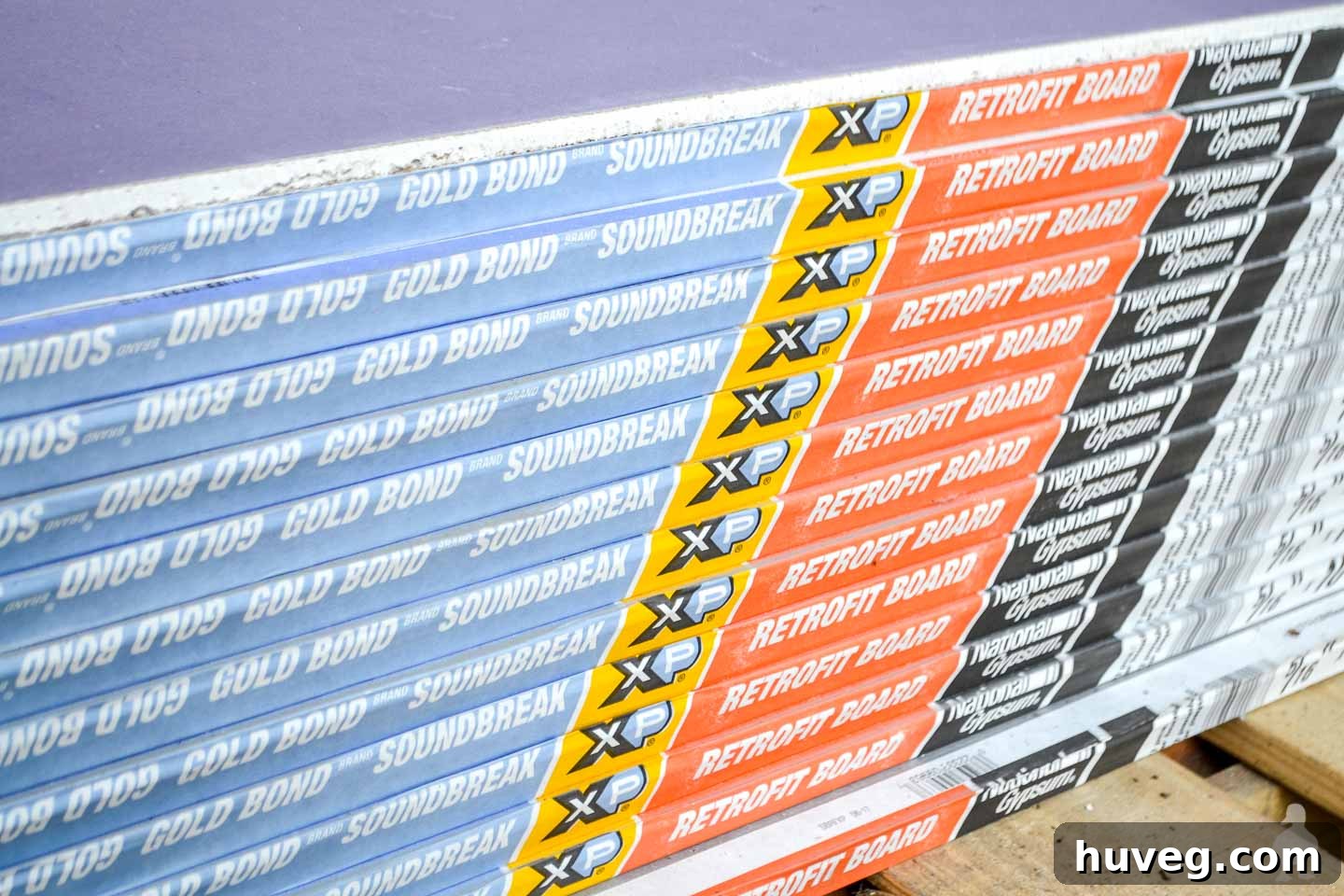
This post is part of a paid partnership with National Gypsum. Opinions are my own. #AskforPurple
The Breakthrough: Discovering Soundbreak XP™ Retrofit Drywall
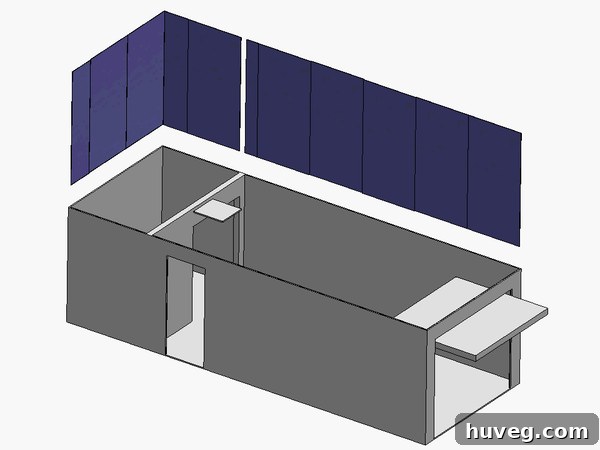
Sometimes, all it takes is a spark of inspiration to kickstart a monumental project. I was already in the process of building my pub shed for additional outdoor storage, knowing that once outdoor supplies were relocated, a proper garage workshop might become a reality. My true breakthrough came earlier this year during a visit to National Gypsum headquarters, where I gained invaluable insights into their latest innovations in drywall technology. It was there that an idea took root: what if I utilized their Soundbreak XP™ Retrofit Board to overlay my existing garage and office drywall? This wouldn’t solve every issue, but it offered an exciting opportunity to tackle my sound-related challenges head-on. I recognized immediately that this product could be a genuine game-changer for my workflow, providing the catalyst I needed to address the garage’s other long-standing problems. This specialized drywall is designed to provide superior sound dampening, making it an ideal choice for retrofitting applications without the need for extensive demolition.
Beyond the Workshop: Diverse Benefits of Sound-Dampening Drywall
When I shared this soundproofing opportunity with my woodworking peers, they were incredibly enthusiastic about the existence of such a product. While my application for Soundbreak XP™ Retrofit Board is specific to my garage workshop and home office, its benefits extend far beyond. The ability to enhance acoustic comfort by retrofitting an existing wall with sound-dampening material is incredibly versatile and applicable to a wide array of scenarios and rooms:
- Nurseries: Providing a peaceful and quiet environment for infants, shielding them from household noise.
- Home Offices: Creating a focused workspace free from distractions, boosting productivity and concentration (a priority for my office after the garage).
- Converted Commercial-to-Residential Spaces: Essential for mitigating noise transfer in urban dwellings repurposed from commercial buildings.
- “Mixed-Use” Spaces: A growing trend, where sound dampening helps define distinct functional zones within a single open area.
- Condos/Townhomes: Addressing the common issue of “thin walls” and improving privacy and tranquility between units.
- Home Theaters/Media Rooms: Enhancing the audio experience by containing sound within the room and preventing disturbance to other areas of the house.
- Bedrooms: Promoting better sleep quality by reducing external noise, such as traffic or noisy neighbors.
- Laundry Rooms: Containing the often loud sounds of washing machines and dryers.
For my workshop, this experiment holds immense promise. With a relatively manageable amount of labor, this upgrade could dramatically improve the quality of my video productions, allow me to better concentrate and tune out external distractions, and provide a more pleasant environment for creative work. I see very little downside and a wealth of potential. This project also presents a perfect opportunity for K and me to completely strip away the old inefficiencies and build this workshop from the ground up, designing it to be a truly dream space. We plan to incorporate new, flip-top workbenches that can be secured to the walls and moved around as needed, offering flexibility and even portability should we ever move in the future.
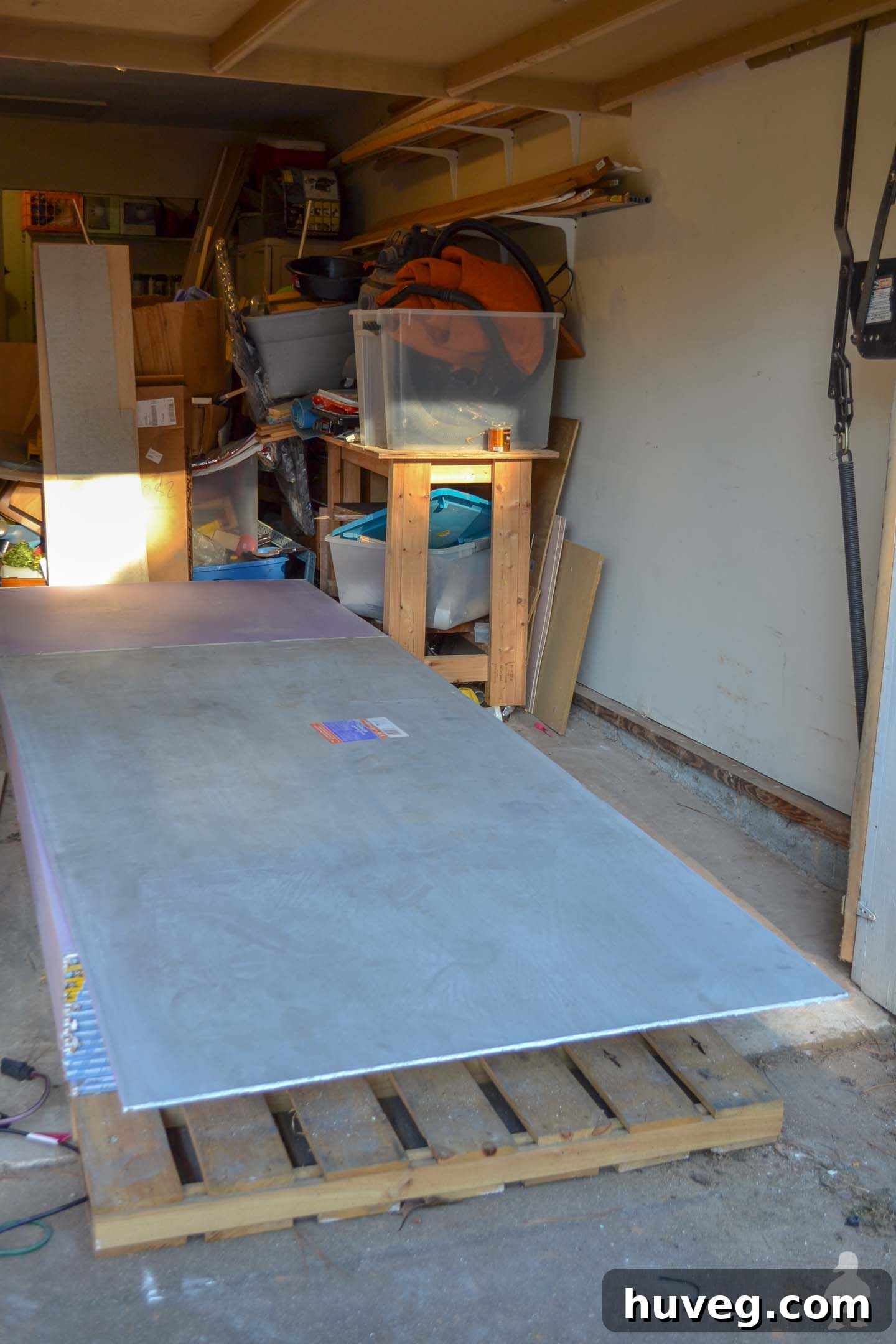
Prepare yourselves for a glimpse into the current state of chaos (I know you appreciate raw, messy photos!). The garage, for what feels like the umpteenth time, has completely spiraled. Thankfully, the generous team at National Gypsum provided a full pallet of their Purple SoundbreakXP Retrofit Drywall, ensuring I have more than enough to cover not only my entire garage but also my home office. Each panel is remarkably thin, at only 5/16″ thick, which is ideal for retrofitting without significantly reducing room space, yet it delivers powerful acoustic performance. This ample supply will be the foundation for transforming these spaces into quiet havens.
Essential Preparation for Drywall Retrofitting
Before diving into the installation process, proper preparation is paramount to ensure a smooth and successful retrofit. First, clear the space completely, removing all tools, furniture, and anything else that might obstruct access to the walls. Safety should always be a top priority; gather and wear appropriate personal protective equipment (PPE), including safety glasses, a dust mask, and gloves. Inspect the existing drywall for any significant damage, moisture issues, or structural deficiencies that might need to be addressed before covering them. Once the space is prepped and tools are ready, you can move on to the practical steps of installation.
5 Key Tips for Retrofitting Drywall Over Existing Walls
K and I began the installation just last weekend, which proved to be an excellent opportunity to teach K the ropes and refresh my own drywall skills. I’ve previously installed drywall over wood paneling at my parents’ house, but never directly over existing drywall. This project offered a fresh learning experience, yielding some valuable new tips I’m excited to share to help you achieve a professional-looking finish.
1. Accurately Mark Stud Locations Along the Top & Bottom
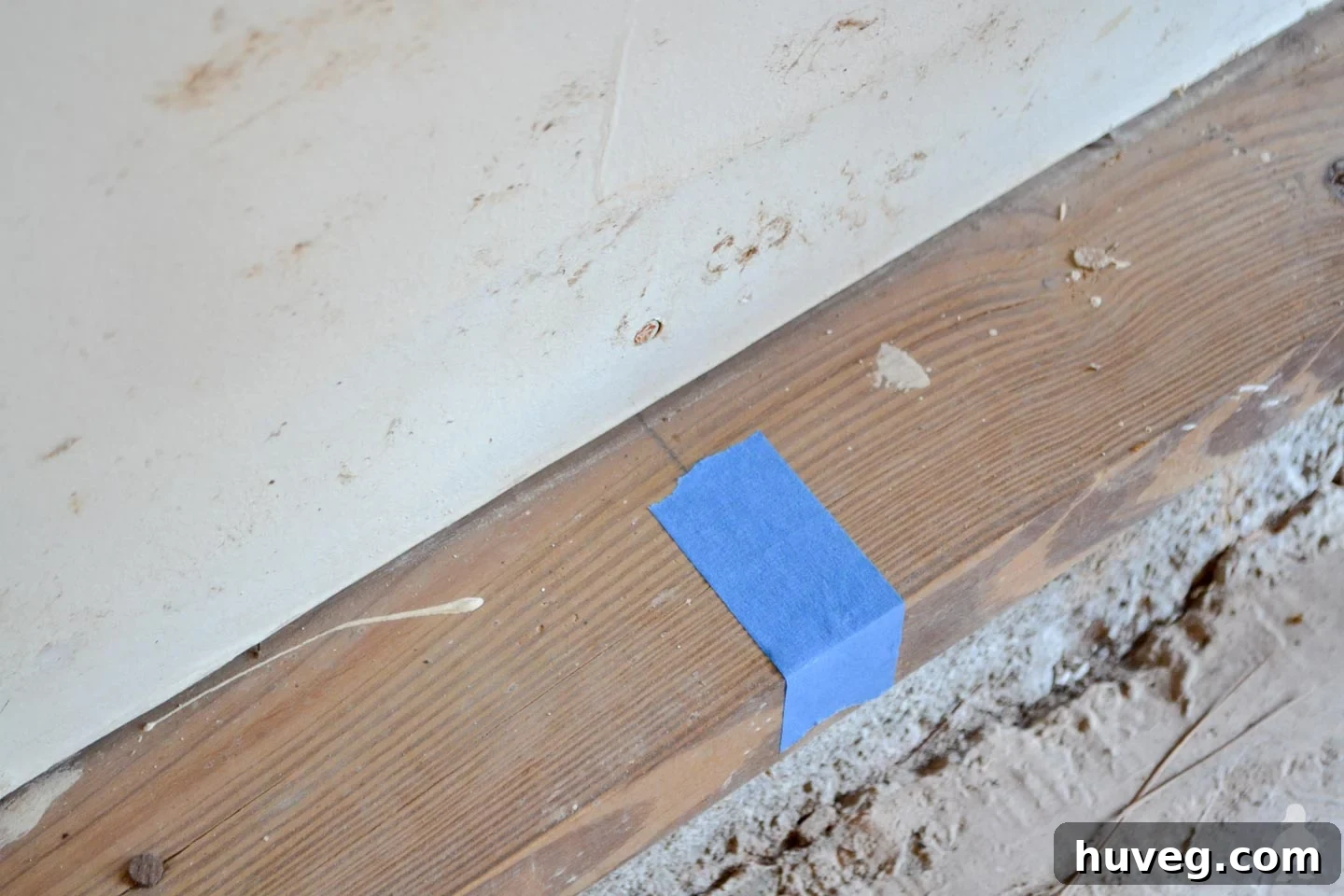
Precision is critical when retrofitting drywall. Before you even think about cutting, locate and mark the studs within your existing walls. A reliable stud finder is your best friend here. Once located, use painter’s tape to mark these stud lines clearly along both the top and bottom of the wall. This visual guide ensures that your new drywall panels will be securely fastened into the structural framing, preventing weak spots or bowing. Surprisingly, I found some original builder’s markings along the bottom stud, which helped confirm the accuracy of my old stud finder. (My dog, Stella, however, was definitely not a fan of the stud finder’s beeping!). This step lays the foundation for a strong and stable installation, crucial for the long-term integrity of your sound-dampening system.
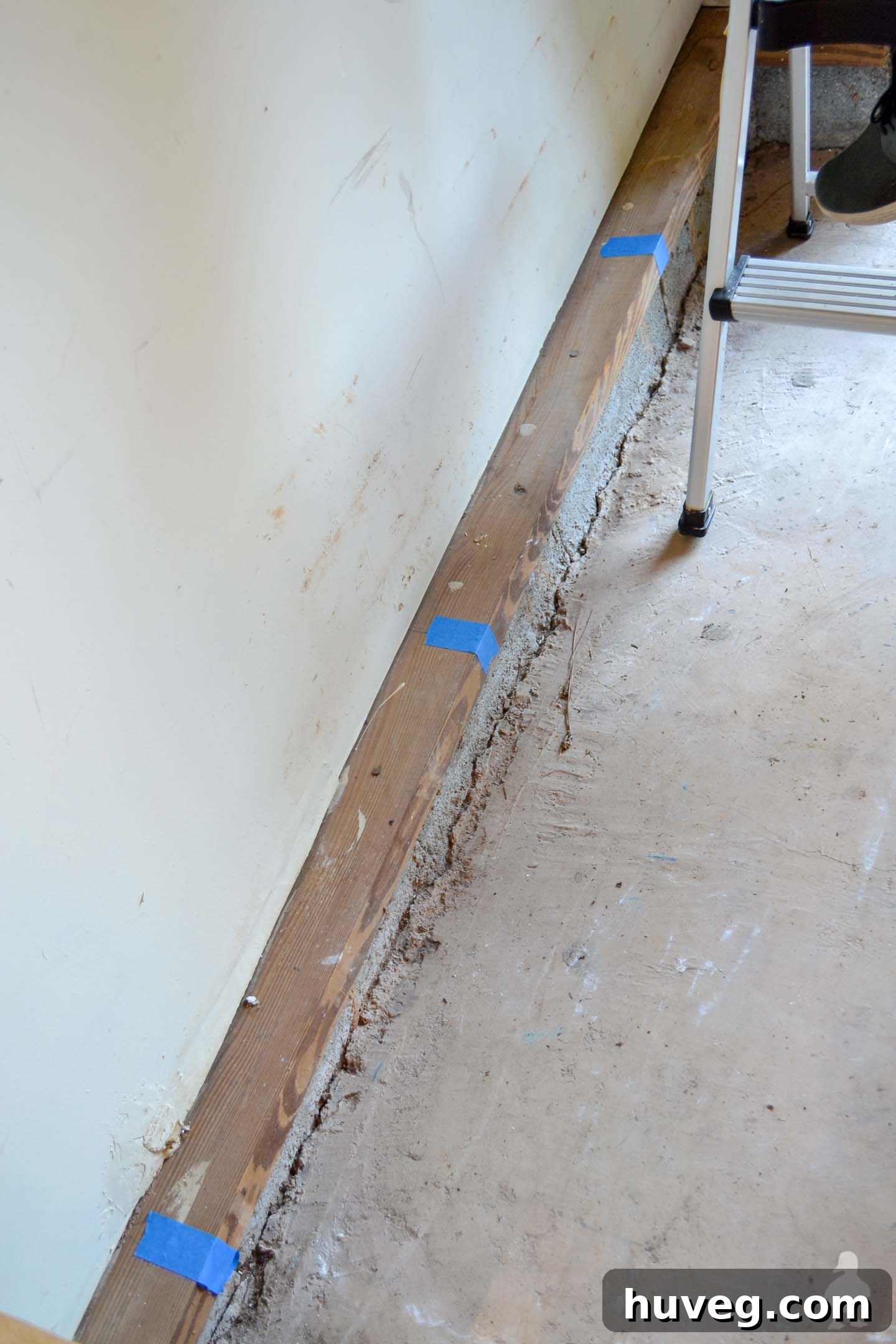
The original builders (I’m guessing) had left their markings along the bottom stud for me! Good to know dad’s old stud finder is accurate. (Stella is not a fan of the noise it makes.)
2. Master the Score and Snap Technique for Precise Cuts
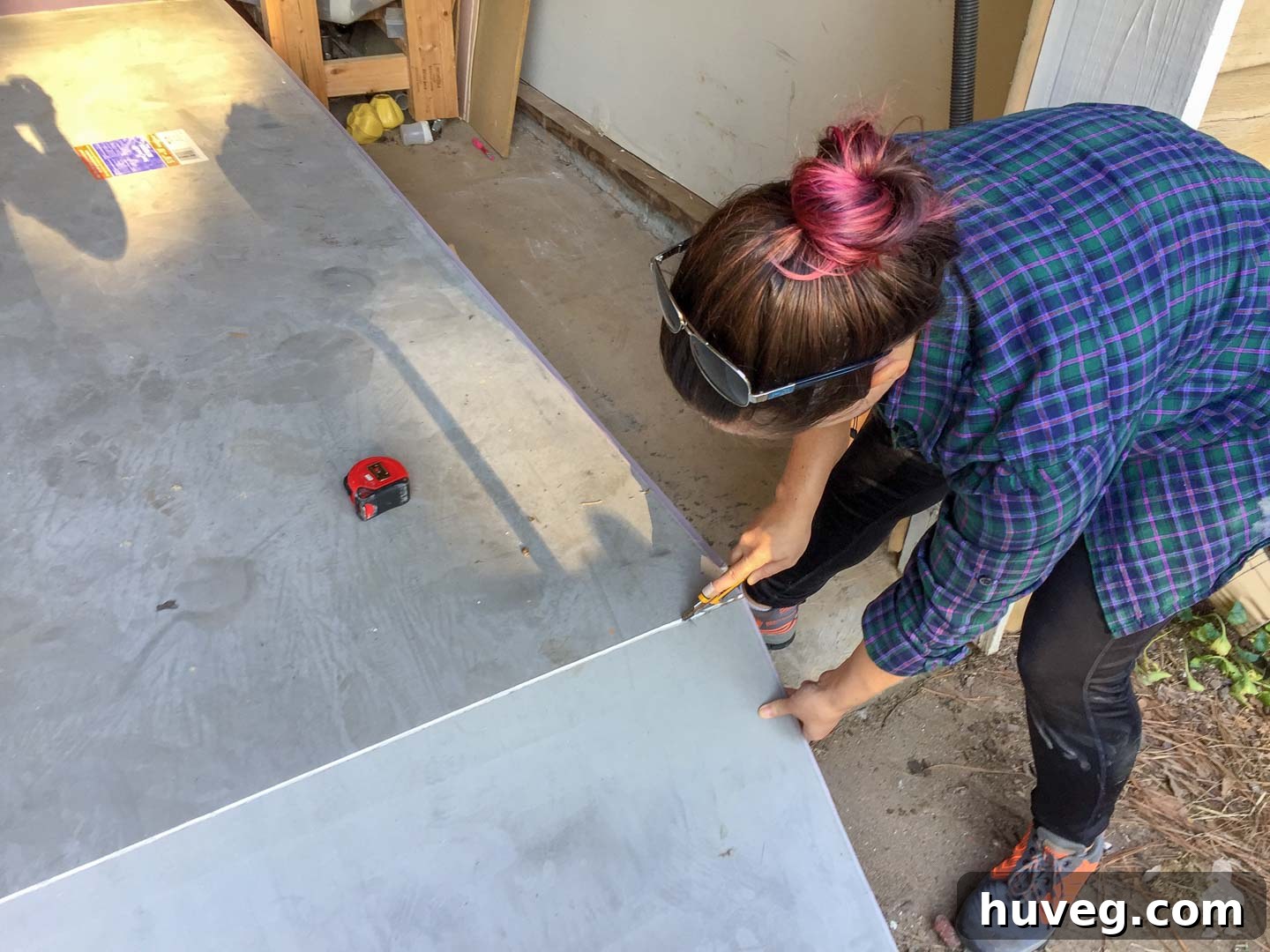
Measuring accurately is the cornerstone of successful drywall installation. Measure the wall’s height and subtract 1/4″ from both the top and bottom to allow for expansion and contraction, creating a slight gap that will later be covered by trim or caulk. Since my wall wasn’t perfectly square, we used thin pieces of cardboard as wedges along the bottom to keep the panels as straight as possible during installation. It’s perfectly normal for initial attempts not to be flawless, so don’t get discouraged; remember the adage: “Measure twice (or eight times!), cut once.”
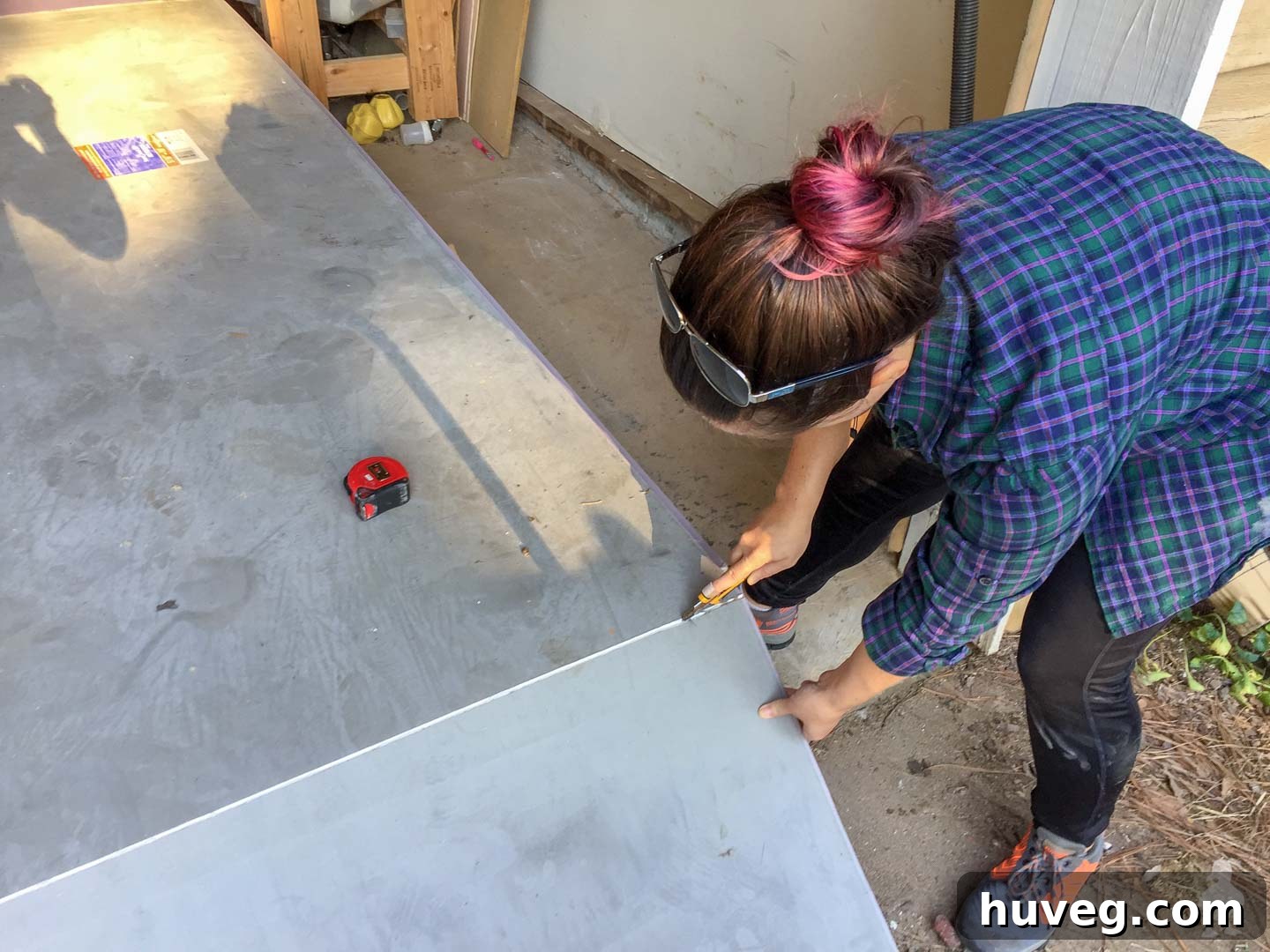
To cut the drywall, use a sharp utility knife and a straight edge (a scrap piece of wood works well). Apply firm, consistent pressure as you run the blade along your marked line. Take your time with this first score; any deviation, even if corrected, risks the board snapping along the wrong line. Score the front paper deeply, then carefully score the back paper. If space is tight and flipping the board is difficult, be extra meticulous with your scoring. Once both sides are scored, position the board so the scored line is just beyond an edge (like a workbench or another panel) and apply downward pressure to snap it cleanly. A few additional cuts through the paper backing might be needed to separate the piece completely. This technique becomes second nature with a little practice.
3. Apply Adhesive Liberally to Secure the Panels
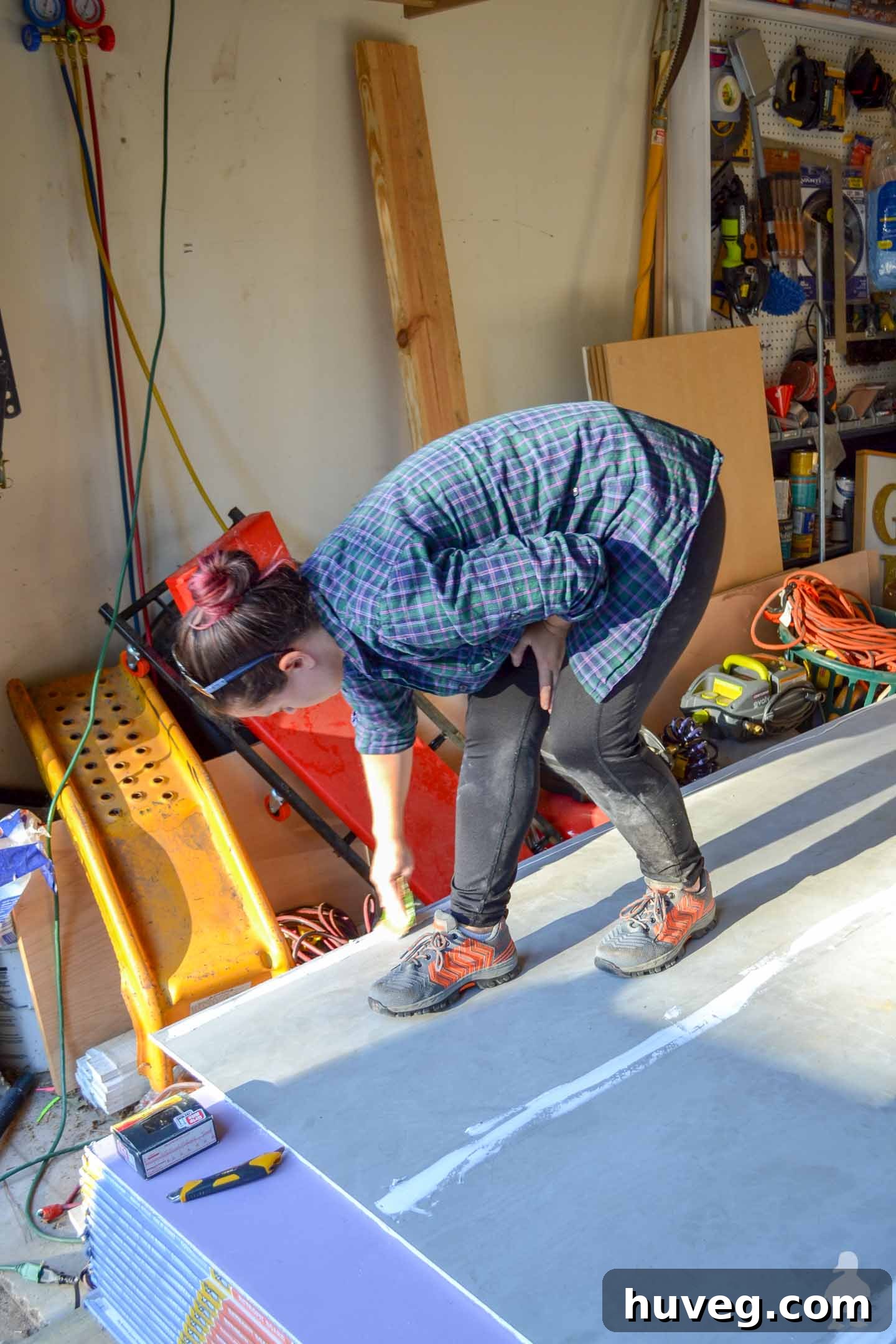
While screws provide the primary fastening, an adhesive layer between the new and existing drywall panels offers several crucial benefits. It helps bond the thin retrofit board securely to the old wall, preventing any potential rattling and adding an extra layer of sound dampening. I used a tube of construction adhesive, applying a continuous bead along both vertical edges and a zig-zag pattern or a few straight beads down the middle of the panel. Then, I used a putty knife to spread and flatten the adhesive evenly across the surface. This ensures maximum contact and helps hold the board firmly in place while you secure it with screws. This step significantly contributes to the overall acoustic performance and stability of your new wall. Our furry assistant, Stella, watched the entire process with keen interest, acting as our learning curve mascot!
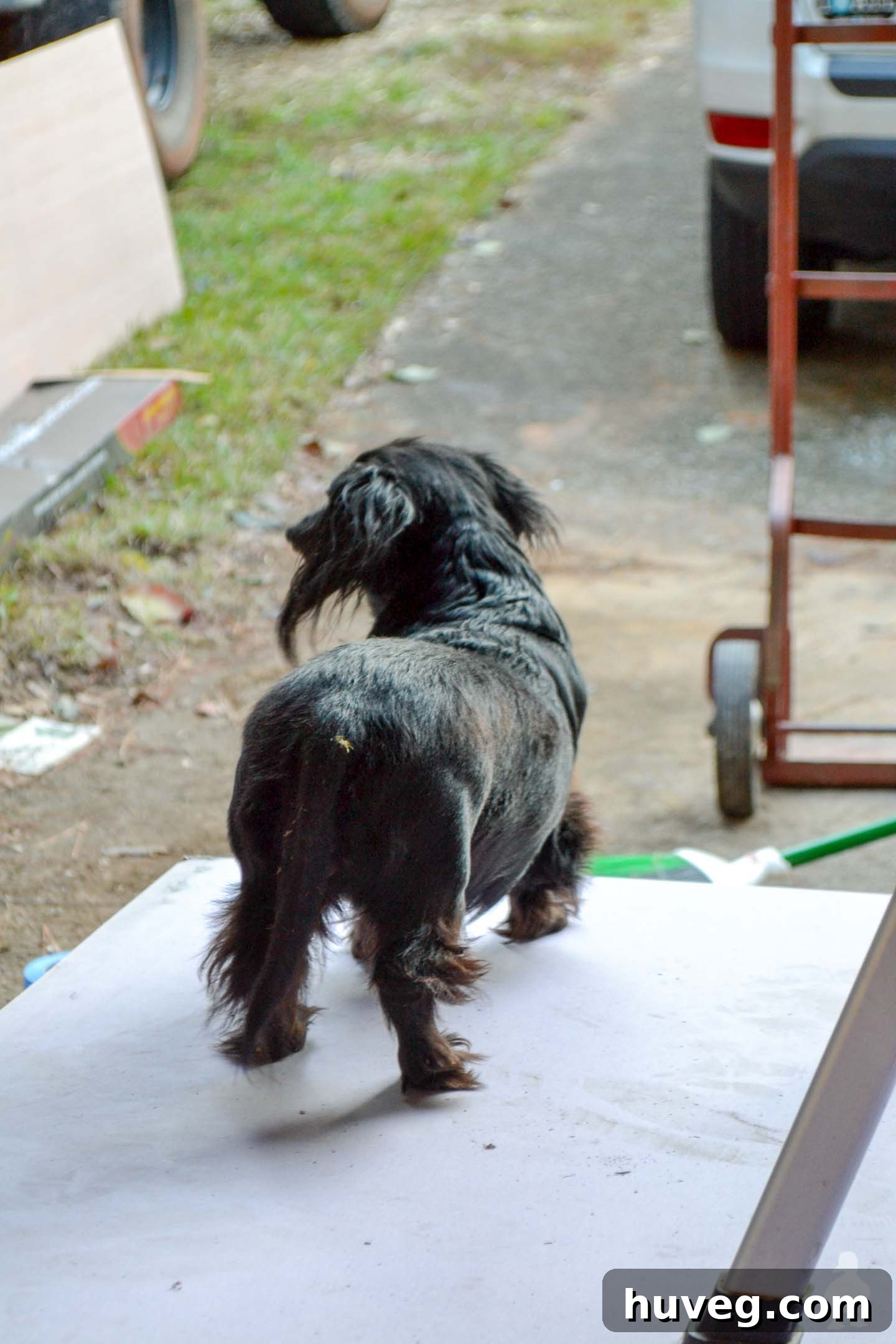
Stella was basically our mascot through the entire learning curve. She’s normally busy hunting in the neighbor’s ivy when we’re in the garage or in the front yard. But this time, she just wanted to hang out with us and observe.

She really liked the stack of drywall; it seemed the perfect height for her to look out and see what Charlie was doing in the yard!
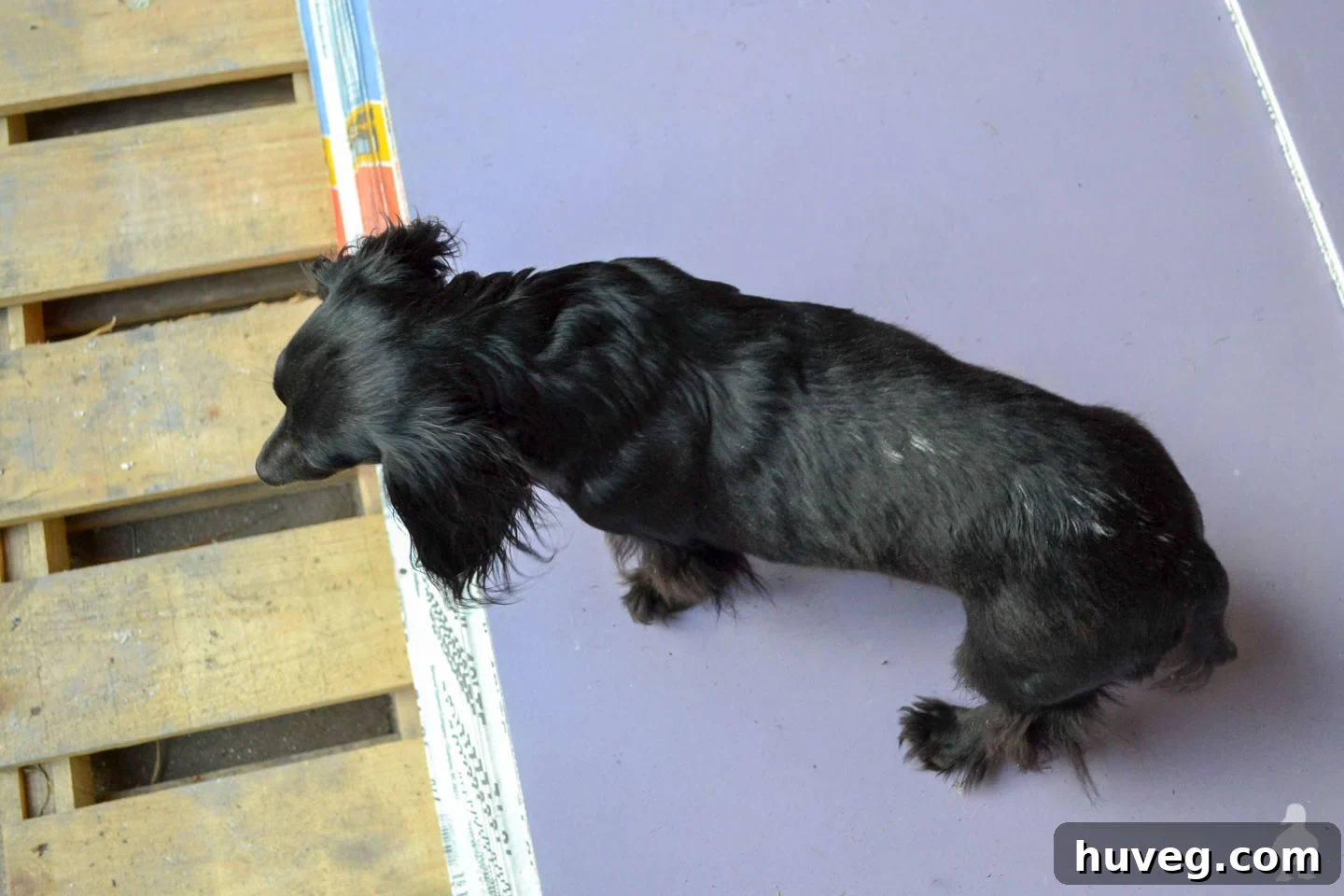
I just love a fluffy butt with sawdust on it, don’t you? ?
4. Screw with Care: Close to the Edge, But Not Too Close
Following the installation instructions, we secured the panels with 1 1/2″ drywall screws. These longer screws ensure they penetrate both layers of drywall and firmly anchor into the underlying studs. Drywall panels typically have tapered edges on both sides, designed to accommodate tape and joint compound (mud) for a seamless finish. The key here is balance: you need to get your screws close enough to the edge of the panel to secure it effectively, but not so close that you compromise the integrity of the edge, causing it to break or crumble. This requires a gentle touch and some practice to feel out the sweet spot where the screw head creates a slight “dimple” without tearing the paper or cracking the gypsum. A proper dimple means the screw head is just below the surface, ready for mudding. Too deep, and it rips; too shallow, and it protrudes. With a bit of repetition, you’ll quickly develop the knack for driving screws perfectly.
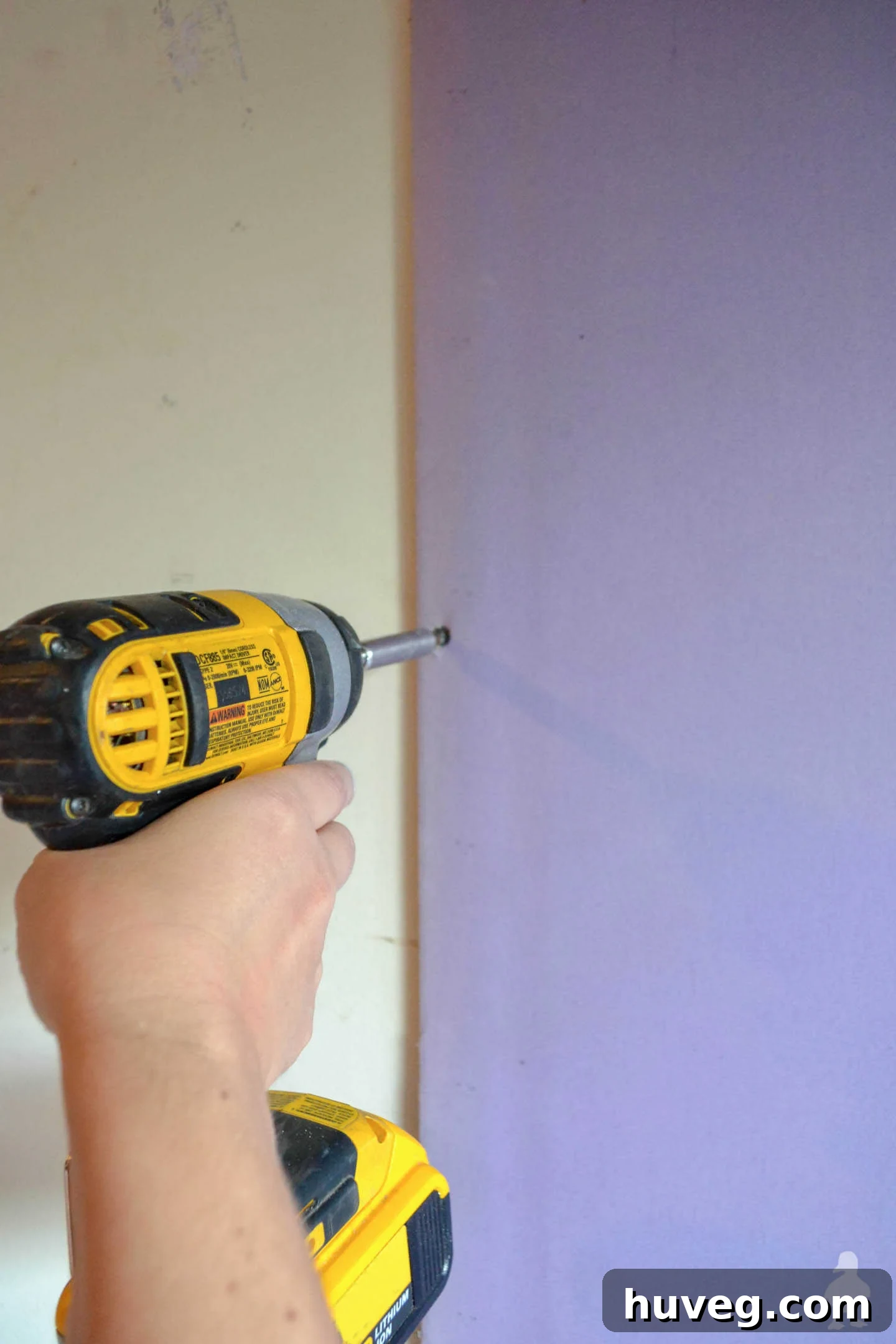
5. Strategic Panel Placement: Always Match Panels with Studs
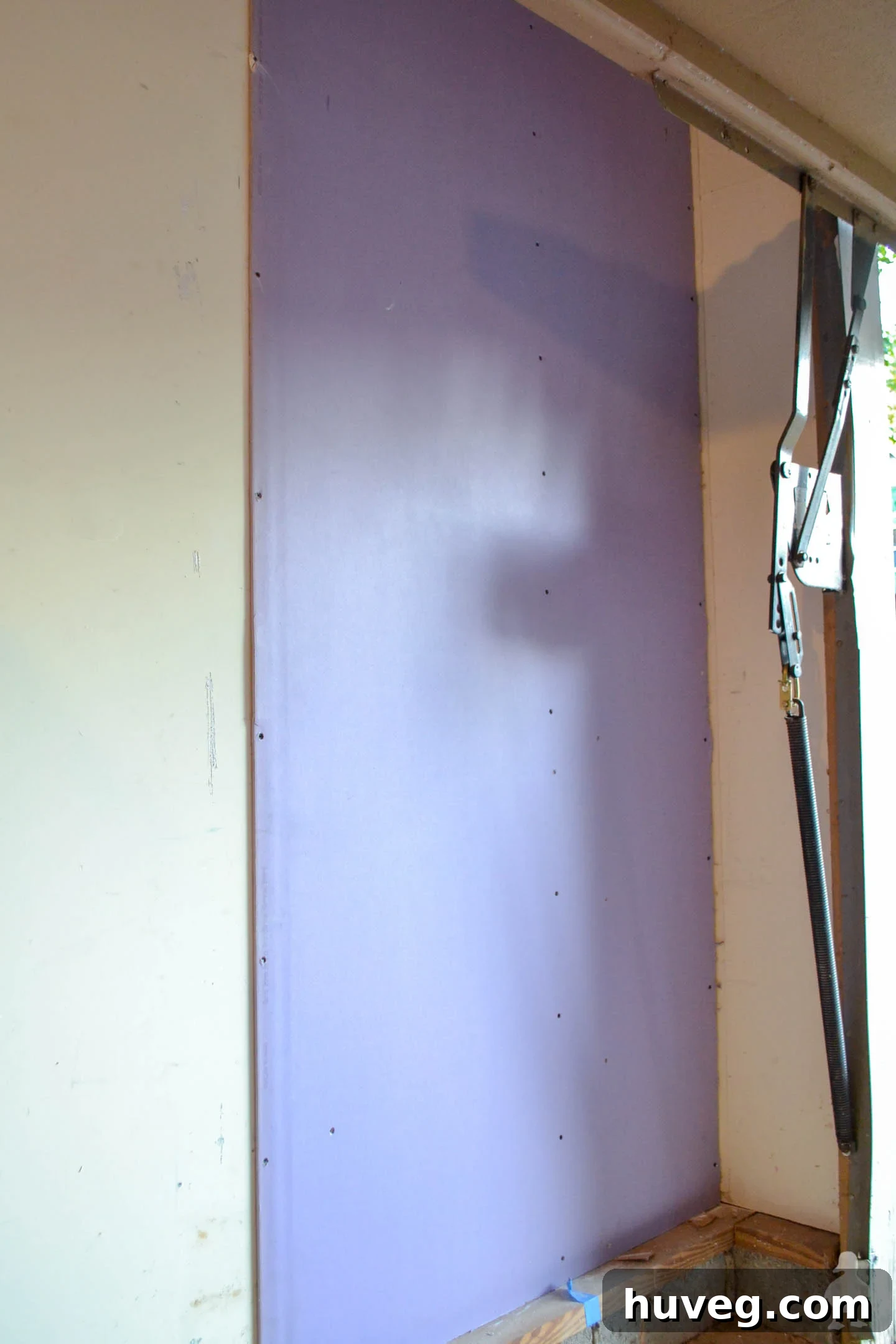
This is perhaps the most crucial tip, and it’s one we learned the hard way. We initially installed the first piece of drywall, only to realize it didn’t align properly with the studs unless we trimmed a few inches off its vertical right side. Correcting this initial “assumption” (let’s call it a learning opportunity!) was a bit of a pain, requiring us to remove the panel and re-cut it. However, this adjustment was vital. By cutting off those few inches, the left edge of the first panel now half-overlapped a stud, leaving the other half of the stud exposed for the next panel. This ensured that every vertical seam where two drywall panels meet would fall directly on a stud, creating a strong, stable attachment point for both panels.
The importance of this alignment cannot be overstated. If your screws don’t grip onto solid wood behind the drywall, they will simply spin, failing to secure the panel. You want the head of each screw to sink just below the surface of the drywall, creating that slight “dimple” we discussed earlier. This dimple is essential for concealing the screw heads later with tape and joint compound, ensuring a smooth, invisible finish. If screws protrude even slightly, they will be glaringly obvious once you attempt to patch seams and cover screw holes, undermining the aesthetic and structural integrity of your soundproofed wall. Planning your panel layout to ensure every vertical seam aligns perfectly with a stud will save you headaches and rework in the long run.
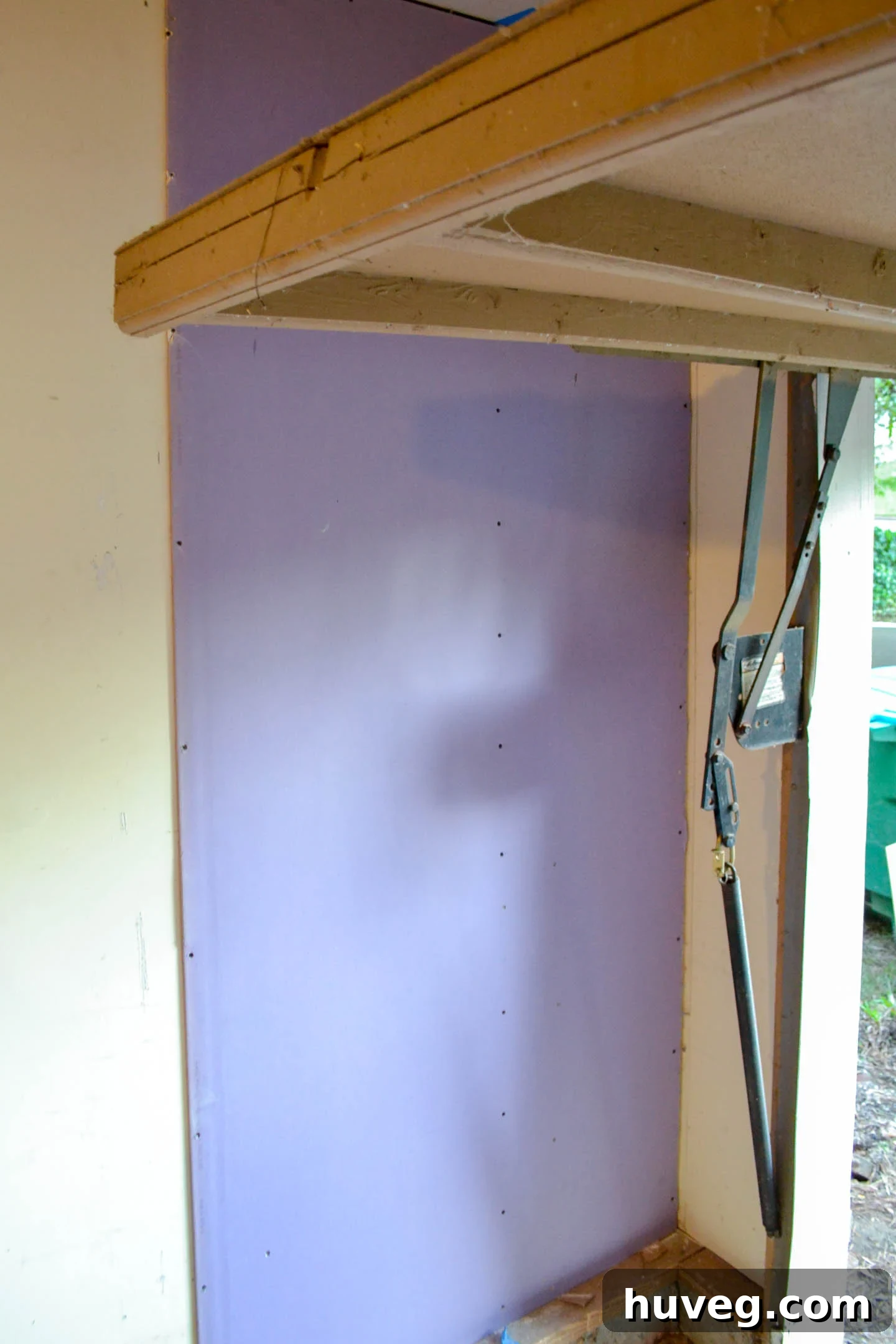
This particular panel installation was also made challenging by its proximity to the garage door. My single-car garage, while long, is incredibly narrow, making it quite a tight squeeze for both K and me to maneuver large drywall sheets. Despite the initial hurdles, we gained invaluable insights that will undoubtedly accelerate the installation of subsequent pieces. Our strategy moving forward involves simultaneously organizing and installing, tackling the clutter as we build the new walls. Once the panels are up, and the seams are taped and mudded, I’ll select a fresh paint color, perhaps add a custom workshop sign (anyone for giant wooden duckling art??), and more. K, as always, is lobbying for a mounted TV somewhere in here, but he hasn’t quite convinced me yet!
The Future is Quiet: Envisioning the Transformed Workshop
Projects of this magnitude often feel overwhelming until, suddenly, you realize you’re nearing completion. This garage transformation falls squarely into that category—a monumental task that, once done right, will unleash a torrent of creative possibilities. Alternatively, it’s the kind of project where “if I build it right, this space will simply explode with cool ideas.” Either way, my excitement is palpable. I am genuinely appreciative of the incredible support from the Purple team at National Gypsum for providing the innovative tools to make this long-awaited dream a reality. The prospect of a quiet, organized, and comfortable workshop is a powerful motivator, promising a significant boost to my productivity and the quality of my DIY content. Stay tuned for more updates as this exciting journey unfolds!
More Drywall Tips
Drywall can seem daunting, but with the right guidance, it’s a manageable project. I’ve compiled additional resources to help you master various aspects of drywall work. Explore the posts below to expand your knowledge and confidence!
-
Painting Prep after Drywall Repair
-
Skim Coating Tips: Bubbles, My Favorite Primer, and More
-
DIY Drywall Over Wood Paneling
-
How to Seal Damaged Drywall
-
How to Prep Kitchen Walls for a Tile Backsplash
-
How to Seamlessly Transition Crown Molding Where Tile Meets the Wall