Sealant Mastery

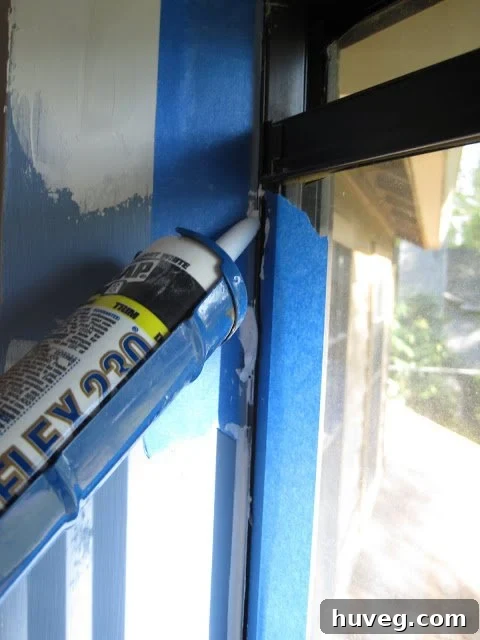
Mastering Window Caulking: A DIY Guide to a Warmer Home and Lower Energy Bills
Moving into a new home is often filled with excitement and the promise of fresh beginnings. However, our initial experience was quickly dampened by a rather unwelcome guest: persistent, bone-chilling drafts. The downstairs windows, it turned out, had suffered years of neglect, their seals completely compromised. We could literally feel the cold air seeping into the house, transforming our living space into a chilly, uncomfortable zone. This was particularly frustrating given that we were in the midst of a particularly harsh winter, and the soaring heating bills were a constant, painful reminder of the problem. Something had to be done, not just for our comfort, but for our finances.
The Cold Reality: Why Drafty Windows Are Costing You
Drafty windows are more than just an inconvenience; they are a significant drain on your home’s energy efficiency and your wallet. Gaps and cracks around window frames allow conditioned air (whether heated in winter or cooled in summer) to escape, while unconditioned outside air infiltrates your living space. This forces your HVAC system to work overtime, leading to higher energy consumption and inflated utility bills. Beyond the financial impact, drafts compromise indoor comfort, creating cold spots and making it difficult to maintain a consistent, pleasant temperature throughout your home. Moreover, these unsealed openings can also allow moisture, dust, and even pests to enter, potentially leading to more extensive home maintenance issues down the line. Addressing these issues with proper window caulking is not just a seasonal fix; it’s a vital step in enhancing your home’s overall insulation and long-term value.
Embracing the DIY Challenge: My Journey to Sealing Windows
The solution to our drafty window dilemma became clear: I needed to re-caulk the windows. At first glance, this seemed like a daunting task. I had never attempted anything like it before, and the idea of working with a material that needed to be applied precisely and smoothly felt intimidating. However, the thought of enduring another month of expensive heating bills, coupled with the discomfort of a constantly cold home, served as a powerful motivator. I decided to tackle this DIY home improvement project head-on, determined to restore warmth and efficiency to our home. My first stop was the local Home Depot, a sanctuary for aspiring DIYers, where I hoped to find the right materials and guidance to begin my journey as a “caulk master.”
Choosing the Right Caulk: More Than Just a Tube
Upon arriving at the store, I was pleasantly surprised to find a well-organized display of caulk choices, complete with a helpful chart. This made the selection process much less overwhelming. For windows, it’s crucial to pick a caulk that offers durability and flexibility to withstand temperature fluctuations and external elements. I opted for a paintable, quick-dry, weather-resistant caulk, specifically designed for exterior use around doors, trim, and windows. These features are vital because the caulk needs to expand and contract with the changing seasons without cracking, and being paintable means it can seamlessly blend with your home’s aesthetics once applied.
Key Considerations When Selecting Your Caulk:
- Material Compatibility: Ensure the caulk adheres well to your window frame material (wood, vinyl, aluminum) and the surrounding wall or trim.
- Flexibility and Durability: For exterior applications, choose a highly flexible caulk (like silicone or polyurethane) that can withstand expansion, contraction, and harsh weather conditions without cracking. Acrylic latex caulk is often suitable for interior use and is generally paintable.
- Paintability: If you plan to paint over the caulk to match your trim or walls, select a product specifically labeled as “paintable.”
- Cure Time: Quick-dry formulas are convenient, but always allow the recommended cure time before painting or exposing to moisture.
- Interior vs. Exterior: Exterior caulk needs to be weather-resistant and UV stable, while interior caulk might prioritize smooth finish and easy cleanup.
- Color: Caulk comes in various colors. Since I planned to paint my trim white, choosing white caulk seemed like a straightforward decision, making any minor imperfections less noticeable after painting.
Step-by-Step Guide to Professional Window Caulking
With the right caulk in hand, I was ready to begin. The process, while initially intimidating, proved to be straightforward with a bit of patience and the correct technique. Here’s how I tackled the project, ensuring a lasting and effective seal for our drafty windows.
1. The All-Important Preparation: Clearing the Way for a Perfect Seal
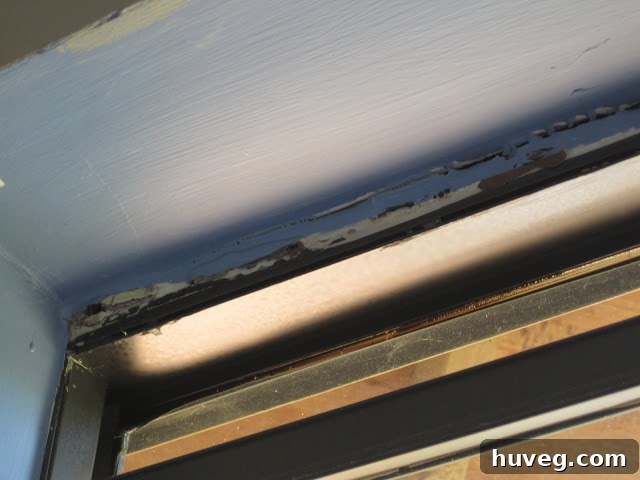
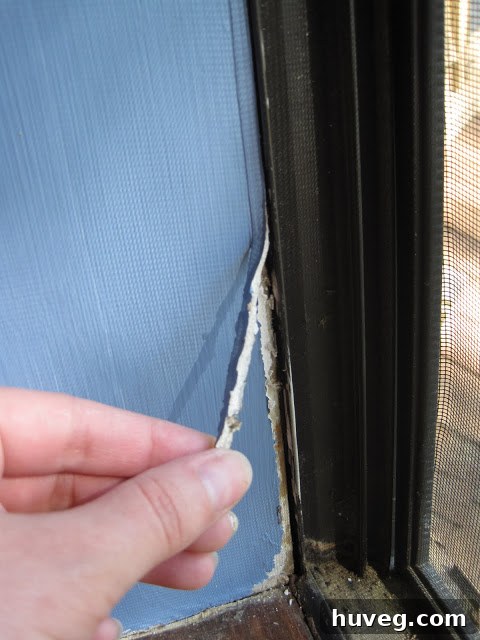
The first and arguably most crucial step in any caulking project is proper preparation. You cannot achieve a strong, durable seal if you’re applying new caulk over old, failing material or dirty surfaces. I started by meticulously removing all the old, cracking, and brittle caulk that had accumulated in the crevices of my windows over the years. This process involved using a utility knife and a caulk removal tool to scrape away the deteriorated material. To my surprise, the old caulk came off incredibly easily, which underscored just how much neglect these windows had endured. After removal, I thoroughly cleaned the gaps and surrounding surfaces to ensure they were free of dust, dirt, and debris. This creates an ideal, clean surface for the new caulk to adhere to, guaranteeing a long-lasting bond and effective home insulation.
2. Taping for Precision: Achieving a Clean Caulk Line
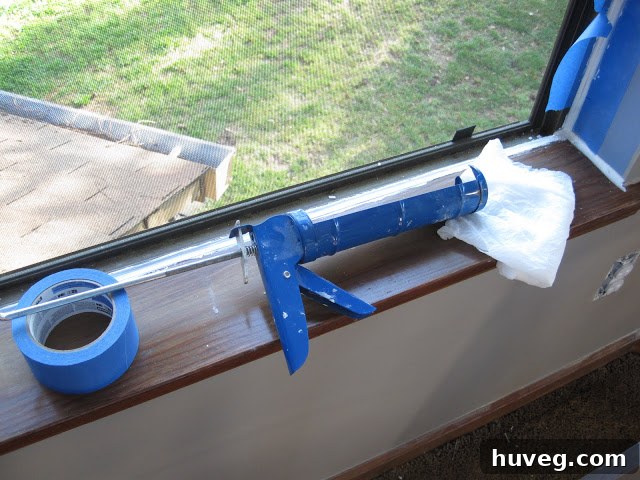
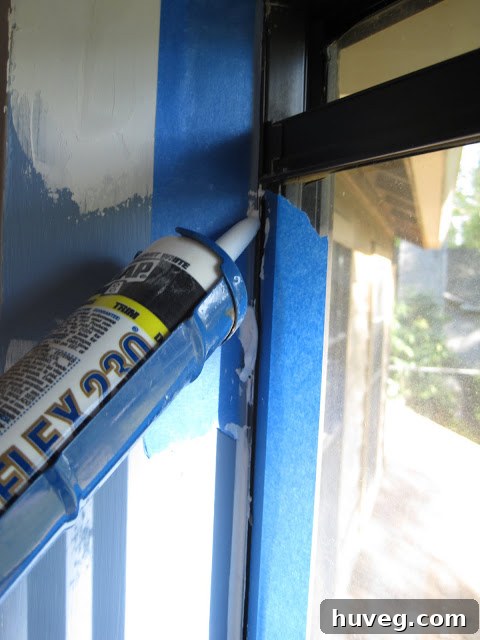
For a clean, professional-looking caulk line, painter’s tape is your best friend. I applied painter’s tape on both sides of where I wanted the caulk bead to be. This creates a neat boundary, ensuring that any excess caulk is contained on the tape, not smeared onto the window frame or wall. The tape acts as a guide, helping you create a straight, consistent line and minimizing smudging and smearing. This step is particularly beneficial for beginners or when working in highly visible areas where a crisp finish is desired. Ensure the tape is pressed down firmly to prevent caulk from seeping underneath.
3. Equipping Yourself: The Essential Caulk Gun
With the windows prepped and taped, I was ready to apply the caulk. I clipped off the very end of the caulk tube and pointed it towards the first spot I wanted to fill. I squeezed, and… nothing. Turns out, caulk tubes aren’t designed for hand-squeezing alone. They need a caulk gun. Who knew? Probably most seasoned DIYers are thinking “everyone,” but I’m willing to admit I was the singular moron on this planet who didn’t. This simple realization led to a quick trip back to the hardware store for the essential tool. Once equipped with a caulk gun, the process became infinitely easier. To properly prepare the caulk tube, insert it into the gun, then cut the nozzle at a 45-degree angle to create an opening that matches the size of the gap you intend to fill. A smaller opening is better for fine lines, while a larger one suits wider gaps.
4. The Application Process: Squeeze, Smooth, and Seal
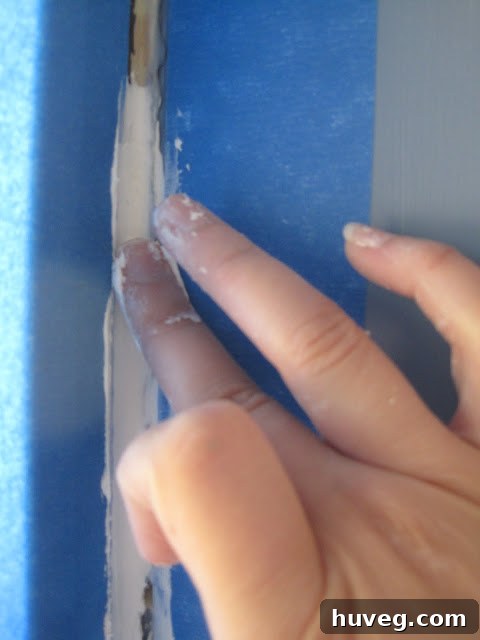
With the caulk gun ready, applying the caulk became a rhythmic process. I maintained a steady, even pressure on the trigger of the caulk gun, drawing a continuous bead of caulk along the taped line. The key is to keep the gun moving at a consistent speed and angle to ensure an even application. Immediately after applying a section of caulk (before it starts to skin over), I used a wet finger (or a specialized caulk tool) to smooth the bead. This step is crucial for two reasons: it forces the caulk deeper into the crevices, ensuring a complete seal, and it creates a professional-looking, concave finish. I kept a wet paper towel handy to wipe excess caulk from my finger as I went, maintaining a clean workspace. I repeated this squeeze-and-smooth process around the entire perimeter of each window. With four more windows to go after the first, I quickly got the hang of the technique, improving with each application.
5. The Reveal: Peeling Tape for a Crisp Finish
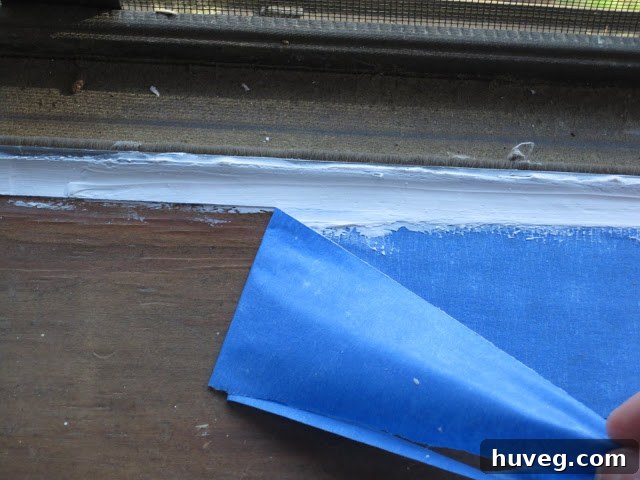
Timing is everything when it comes to removing painter’s tape from a caulking project. As soon as each window was finished and the caulk had been smoothed, I carefully peeled off the tape. It’s critical to do this while the caulk is still wet. If you wait for the caulk to dry completely, there’s a high risk that the tape will pull away pieces of your newly applied caulk, ruining your clean line and forcing you to reapply. Removing the tape at this stage leaves behind a perfectly crisp, clean caulk line, far superior to what could be achieved without it. This simple step significantly elevates the professional appearance of your sealed windows and ensures optimal draft prevention.
Beyond the Basics: Tips for the Advanced DIYer
As I gained more experience, I discovered ways to make the process even more efficient. For subsequent projects, especially on less visible windows or where extreme precision wasn’t paramount, I’ve started using clear caulk instead of white. This often makes the work even more “idiot-proof” (as I like to call it). With clear caulk, minor imperfections in the line are much less noticeable, and in many cases, I can even skip the taping step entirely. This significantly speeds up the process, which is a huge bonus when you have a lot of windows in the house, helping you to achieve excellent energy savings with less fuss. However, for highly visible areas or when using colored caulk, the painter’s tape method remains the gold standard for achieving the best results.
The Long-Term Rewards of Proper Caulking
The benefits of properly caulking your windows extend far beyond immediate comfort. This simple weatherization project provides substantial long-term rewards. Firstly, you’ll notice a dramatic reduction in your heating and cooling bills, as your HVAC system won’t have to work as hard to maintain desired temperatures. This contributes directly to a greener, more sustainable home. Secondly, a well-sealed home is more comfortable year-round, free from the annoying drafts that can make certain rooms unusable. Furthermore, caulking acts as a barrier against moisture intrusion, preventing water damage, mold growth, and wood rot around your window frames. It also helps keep out dust, allergens, and pests, improving indoor air quality and cleanliness. Ultimately, investing a little time and effort into caulking your windows is an effective way to protect your home, enhance its comfort, and significantly contribute to its energy efficiency and overall value.
Wrapping Up the Project: Painting and Final Touches
After the caulk is completely dry – which can take anywhere from a few hours to 24 hours depending on the product and humidity – you can move on to the final touches. This is the perfect time to patch any small holes or imperfections around the window frames (which in our case were left by old blue curtains) and then sand the patched areas smooth. Allowing the caulk to fully cure before sanding or painting is crucial. Attempting to sand wet or partially dry caulk will not only create a mess but also compromise your clean caulk lines, forcing you to redo your work. Once everything is smooth and clean, you’re ready for painting, which will further protect your window frames and give them a refreshed, finished look. This attention to detail ensures your DIY project looks professionally done and provides maximum benefits.
Conclusion: The Empowering Feeling of a DIY Win
There’s a unique sense of accomplishment that comes with learning a new skill, especially one you never thought you’d master, and successfully completing a home improvement project. Instead of ending up sobbing on the floor in defeat, I found myself happily proclaiming, “I know how to caulk! I am the caulk master!” This, of course, left Scott giggling for the rest of the day, but my pride was undiminished. The downstairs windows are now sealed, significantly reducing drafts and bringing a welcome warmth back into our home. While the primary bedroom is unfortunately out of commission for now, as we had to remove all the blinds for other renovation steps, we hope to have it done in another day or so. Until then, I’ll be working on getting my allergies under control, an unfortunate but temporary side effect of all the paint fumes and dust that come with major home projects. Learning how to caulk windows was an empowering experience, proving that with a little research and elbow grease, even daunting tasks can be conquered. Later 🙂