Build Your DIY Kit for Less Than $50

The journey of transforming a house into a home, especially an older one, often begins with a single step, or in my case, a single purchase back in December 2009. That’s when I acquired what I affectionately dubbed “the Ugly Duckling House.” Looking back at the original listing photo, still a staple on the blog (though soon to be updated with fresh paint), it’s incredible to reflect on the evolution of both the house and my skills as a DIY enthusiast.

In the years since that pivotal moment, my hands have been intimately involved in nearly every corner of this home. I’ve torn out layers of old carpet, stripped away outdated wallpaper, and painstakingly mastered the art of skim coating walls to achieve a smooth finish. Caulk has become an indispensable ally, applied to virtually every seam and crack imaginable, and paint has transformed countless surfaces. I’ve even ventured into using heavy-duty equipment, renting (and bravely operating) saws capable of cutting through masonry. This journey has not only reshaped my living space but also my perspective – I now find myself daydreaming about power tools with the same enthusiasm I once reserved for ponies and chocolate, a transformation I never would have foreseen.
Through every project, every challenge, and every triumph, a wealth of knowledge has been gained. My steadfast intention has always been to document and share these experiences, hoping to empower fellow DIYers to tackle their own home improvement projects with confidence. The belief that this shared wisdom will eventually benefit more than just myself is a driving force behind this blog.
As a contributing voice in the vast landscape of online DIY communities, I’ve decided to tackle a frequently discussed topic: The Essential Tools Every Beginner DIYer Should Own. While a quick search will reveal numerous opinions on this subject, many lists tend to include specialized tools that, in my experience over the past years, haven’t been necessary for foundational home repairs and upgrades. Of course, needs evolve, and someday more advanced tools might become crucial. However, for anyone embarking on the critical first year of owning a fixer-upper, there are fundamental tools that are simply non-negotiable. What’s even better is that many of these must-have items are incredibly affordable – often under $10, or even free!
This list is by no means exhaustive; the world of DIY tools is far too expansive for a single post. Yet, it serves as a perfect starting point for absolute beginners, those who may never have picked up a tool before. You can easily gather every item on this list during a single trip to your local hardware store, all without straining your budget. Let’s dive into the indispensable toolkit that will set you on the path to successful home transformation.
1. The Indispensable Caulk Gun
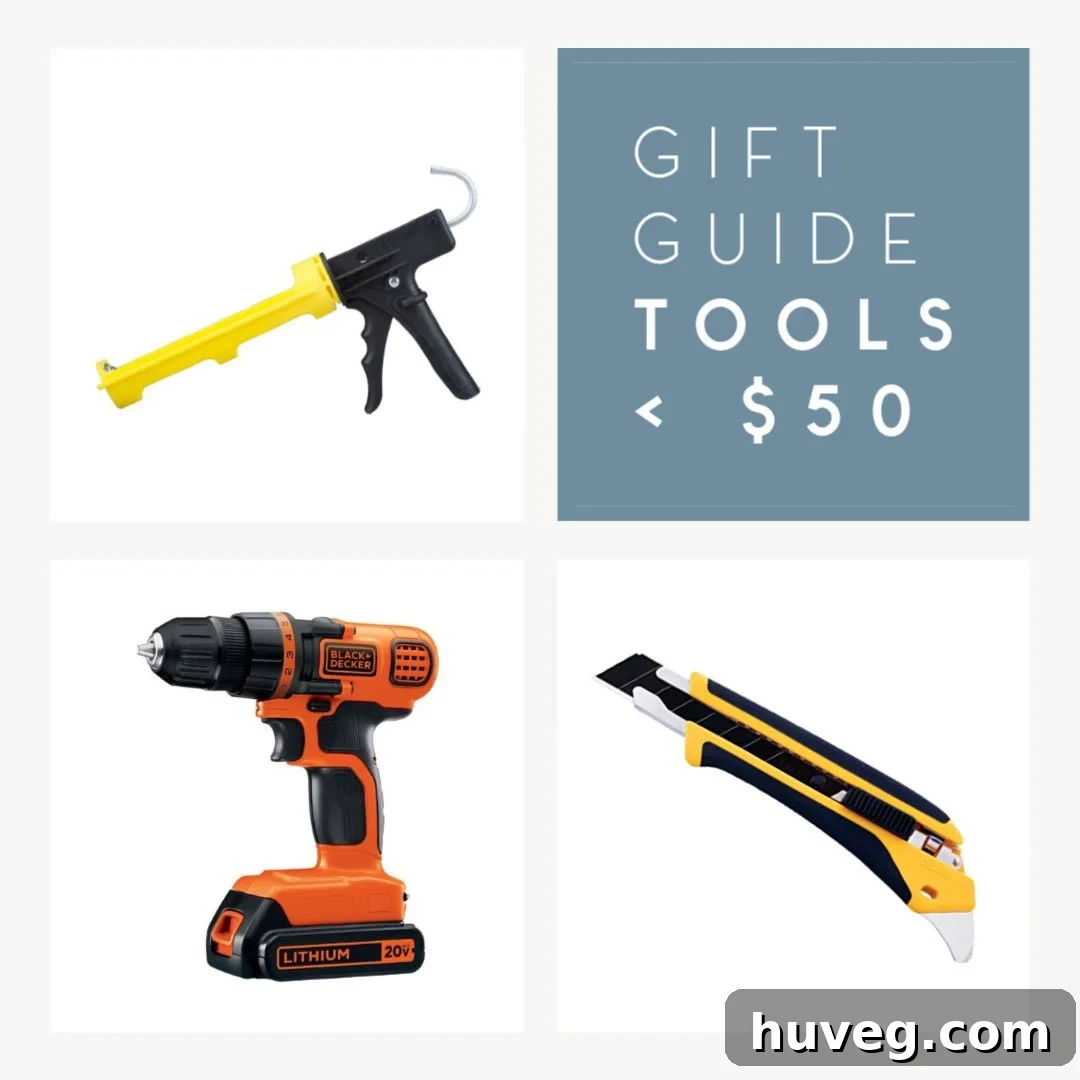
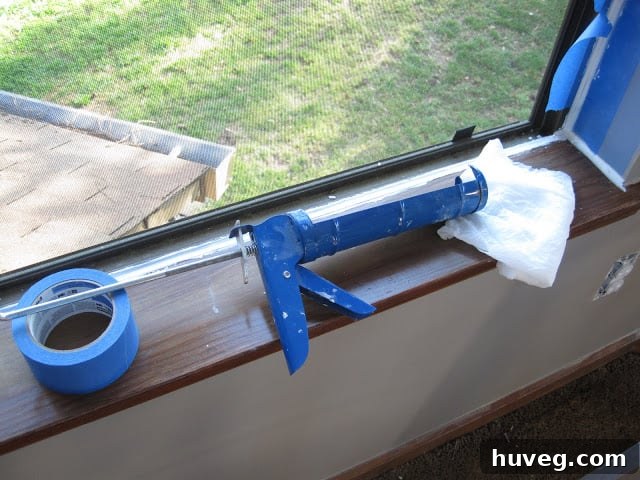
One of my earliest blog posts chronicled my discovery of caulk and the immediate need to master its application. Old homes, in particular, are prone to developing drafts as they age and settle. The original caulk, once a reliable sealant, eventually becomes brittle, shrinks, or separates from surfaces, compromising the home’s energy efficiency and aesthetic. The good news is that old caulk can be removed and replaced, breathing new life into your home’s seals and appearance. Caulk itself is remarkably inexpensive, available in a variety of colors, and often paintable or stainable, offering a cost-effective alternative to far more expensive repairs or replacements. For instance, a few tubes of exterior caulk can save a significant amount of money compared to replacing extensive cedar siding.
From day one, the foundational lesson was clear: regardless of the caulk type, a caulk gun is your essential companion. Since tackling the primary bedroom windows, this tool has been in constant use. I’ve employed it for sealing cracks in concrete floors before installing new flooring, filling unsightly holes that became prominent after painting baseboards and trim white, applying various caulk adhesives throughout the house, and performing exterior siding repair. The list genuinely goes on. Without exaggeration, the caulk gun is the tool I reach for in almost every single project, underscoring its unparalleled versatility and importance in any DIY arsenal.
Cost: As little as $3!
2. The Versatile 4-inch Putty Knife
For addressing the myriad of imperfections that inevitably appear on walls – be it nail holes, screw holes, or small bumps – a putty knife quickly becomes an invaluable ally. While these “tape” knives come in various widths, I consistently find myself reaching for my 4-inch model more than any other, unless I’m tackling a full-wall skim coating project. A 2-inch knife is perfectly adequate for the smallest of holes, but the 4-inch width offers greater versatility, effectively handling larger imperfections like wall cracks with ease. When making your selection, do yourself a favor and invest a few extra dollars in a flexible metal putty knife. Unlike rigid plastic alternatives, a good quality metal knife will provide better leverage and a smoother finish, and with proper care, it will last for years. The key to its longevity and effectiveness lies in meticulous cleaning after each use; nobody wants to work with a rusty, gunk-encrusted blade.
Cost: Under $10.
3. The Essential Utility Knife / Box Cutter
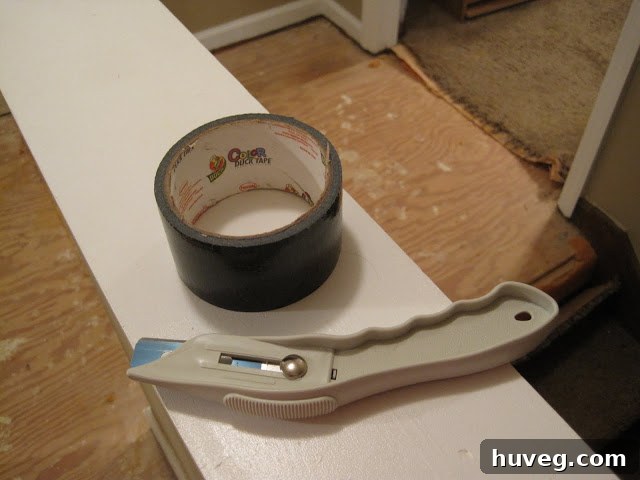
The utility knife, often simply called a box cutter, is a quintessential tool with an almost limitless array of functions for any DIY project. Its sharp, replaceable blade makes it perfect for tasks ranging from the rigorous job of ripping out old carpet, to precisely opening a new tube of caulk, or scoring tape lines to ensure a crisp, clean edge on your freshly painted walls. During my initial carpet removal project, I specifically purchased an angled carpet knife with finger holes, a design that reminded me vaguely of brass knuckles (my only prior reference for such a grip, albeit from a cartoon!). While I own several straight box cutters, this angled version remains my preferred choice due to its comfortable grip and control for demanding tasks. Always remember to use caution and replace dull blades frequently for safety and effectiveness.
Cost: Even a good one is under $7.
4. The Ever-Reliable Claw Hammer
A claw hammer is a fundamental tool whose utility extends far beyond merely driving nails. It’s an invaluable asset for quick demolition tasks, such as gently prying off old trim or dismantling small structures. It’s also surprisingly useful for ensuring a tight, secure seal on paint cans, preventing your paint from drying out. The beauty of a claw hammer lies in its dual functionality: one end for striking nails, and the integrated claw for effortlessly prying them back out. However, don’t just grab the first hammer you see. Choosing the right hammer involves finding one with adequate heft to provide impactful force, yet not so heavy that it becomes cumbersome to carry and swing for extended periods. The ideal hammer should feel perfectly balanced and stable in your hand. For individuals with a smaller build, like myself, shorter handles are often preferable as they minimize wrist strain during use. A 16-ounce head is widely considered the gold standard for general household tasks, offering a perfect balance of power and maneuverability. Additionally, hammers with synthetic handles often provide a superior, more secure grip compared to traditional wooden ones, especially during sweaty or prolonged work.
Cost: Starting at $5.
5. The Space-Saving Multi-Tip Screwdriver
While there’s nothing inherently wrong with owning separate Phillips head and flat head screwdrivers, the efficiency and convenience of a multi-tip, or “ratcheting,” screwdriver are undeniable. This tool allows you to quickly swap out various bits to match the specific screw head required for each project, consolidating multiple tools into one compact design. I recall the first multi-tip screwdriver I purchased, part of a “girly” pink and purple tool bag that I naively believed would be my complete starter kit. Here’s a nostalgic peek from my very first night working in the house, even before I officially moved in:

In a sentimental sense, that humble kit truly marked the beginning of my DIY journey, and I might just keep the bag for its historical value! While most of its contents, like the purple-handled hammer and overly feminine tape measure, were quickly upgraded due to their cheap quality, the multi-tip screwdriver and its assortment of bits were a revelation. It came with organized sets of flat head and Phillips head bits, neatly secured in what I still affectionately call a “thingy” (its actual name is less important than its function). A fantastic bonus is that these bits are often interchangeable with a cordless drill, further enhancing their versatility. That original bag and its contents cost me a mere $20 on a clearance shelf, but you can easily find a similar, high-quality multi-tip screwdriver without the “girly” color scheme at a comparable price point.
6. The Precision of a Level
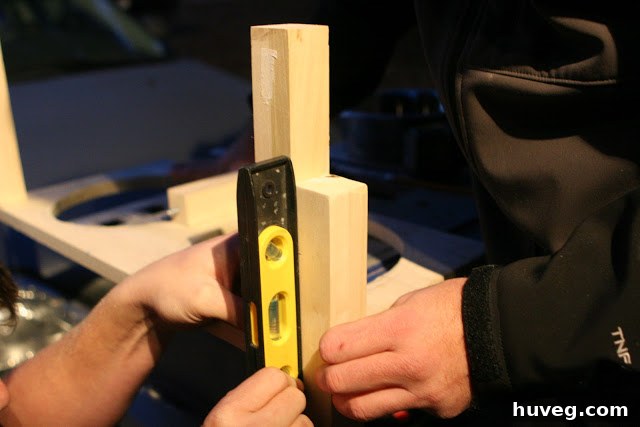
A level is a tool you will reach for time and time again, proving far more reliable than your bare eyeballs. Trust me on this! When you can be absolutely certain that something is truly straight and plumb, your projects will come together with greater speed, accuracy, and professional finish. From hanging pictures and shelving to installing cabinetry, tiling, or ensuring door frames are perfectly aligned, a level is indispensable. The consequences of not using one can range from aesthetically displeasing crooked decor to functionally problematic installations. Even a simple bubble level will make a huge difference, though digital levels and even apps on your smartphone can offer a convenient substitute in a pinch.
7. The Power of a Cordless Drill and Battery
As someone who has experienced the frustration of a dead drill battery with no charger in sight, I can personally attest to the absolute necessity of owning both a reliable cordless drill and a fully charged battery. Cordless drills vary widely in price and power, making the selection process important. You’ll want a drill with sufficient voltage to handle common household tasks – drilling pilot holes, driving screws, and even mixing small batches of paint. However, be wary of overly powerful, heavy batteries, particularly 18V or higher models, which can add significant weight and quickly lead to arm fatigue during prolonged use. While a vigorous workout might seem like a bonus, struggling to lift and maneuver “that damn drill” one more time is anything but productive. For most everyday DIY projects, a 12-volt cordless drill strikes an excellent balance between power and portability. Your arms will undoubtedly thank you for this thoughtful consideration.
Cost: Name brands starting at $30 and up.
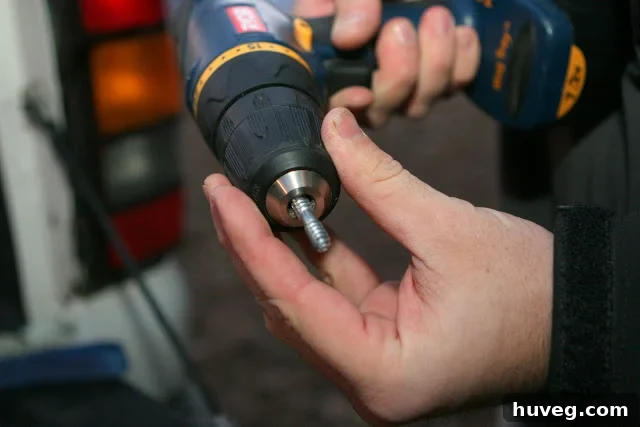
8. The Ubiquitous Tape Measure (and a Keychain Companion)
Much like a level, you don’t truly grasp the indispensable nature of a tape measure until it’s nowhere to be found. If you possess an extraordinary knack for keeping track of your tools, even amidst five concurrent house projects, a single reliable tape measure might suffice. However, if you’re prone to misplacing your keys at least once a week, investing in multiple tape measures is a wise decision. When selecting a good one, don’t overthink it; the primary criteria are sufficient length and robust construction. It should be long enough to span across a room without excessive yanking, and sturdy enough to resist snapping back unexpectedly. Most tape measures available in stores are either unpackaged or designed for easy extension, allowing you to test their feel. A miniature keychain version is an incredibly handy addition, particularly when you’re furniture or cabinetry shopping and need to quickly verify dimensions for a perfect fit. Stores like IKEA even provide these at their information stations, and you can often snag them for free as promotional items at craft fairs or conventions. Never underestimate the value of having a tape measure close at hand!
Cost: Starting as little as $1 or even FREE if you know where to look.
9. The Convenient Paint Key
With every gallon of paint you purchase, you’re typically provided with a complimentary paint stick and a paint key. While a flathead screwdriver or the claw of a hammer can certainly pry open a paint can lid, a dedicated paint key is specifically designed for the task. It causes minimal damage to the lid and rim, making it significantly faster and less frustrating to open. If you plan to use an entire gallon of paint in a single session, this might seem trivial. However, for projects that require multiple uses of the same can – like painting trim throughout different rooms – a paint key will save you considerable time and aggravation. Preserving the lid’s integrity also ensures a better seal, keeping your paint fresh for longer. If you acquire paint as frequently as I do, you’ll soon amass a collection, allowing you to stash them conveniently around the house for easy access.
Cost: FREE
| via Changing my Destiny |
10. The Surprisingly Handy Rubber Bands
I’ve previously highlighted just how useful rubber bands can be around the house. Thanks to clever tips often shared online (like those found on Pinterest), their versatility extends even further than I initially realized. Most of the time, you’ll find yourself accumulating rubber bands without consciously acquiring them. They seem to magically appear! However, in a desperate pinch, a quick raid of your company’s supply closet (just kidding, I don’t endorse company theft!) could replenish your stock. These simple elastic bands can serve as temporary clamps, help secure items during transport, keep wires neatly organized, or even create a clean edge when wiping excess paint from a brush by stretching one across the paint can. Their sheer adaptability makes them a must-have, readily available item for countless impromptu fixes and organizational needs.
Cost: FREE, especially if you have sticky fingers.
There you have it: ten foundational tools that every aspiring homeowner and DIY enthusiast should possess. My bet is that if you were to acquire all of them at once, your total expenditure would likely remain comfortably under $100. This collection provides the essential groundwork for tackling a vast array of home improvement projects, allowing you to gain confidence and skills without a hefty initial investment.
Certainly, there are many other valuable tools that could (and perhaps should) be on a comprehensive list, and I plan to delve into those in future posts. We might explore tools in the $50-$100 range, or discuss which higher-investment tools are truly worth saving up for. But for now, I’d love to hear your thoughts on this beginner-friendly selection. Do you have your own essential tools to share? I’m particularly interested in hearing about any tools you’ve managed to acquire for free – share your tips in the comments below!
Psst: The links embedded in this article contain affiliate links from my Amazon Store. Should you decide to make a purchase through them, I earn a small commission, which in turn helps me fund future tool acquisitions and content creation. So, in a way, Amazon acts as a benevolent enabler (just kidding, mostly). Feel free to visit my store directly for more product recommendations, including some of my favorite makeup finds!