Withered Embrace

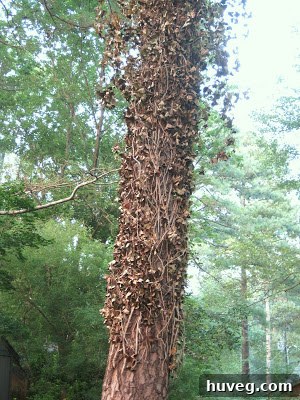
The pervasive back yard ivy, once a relentless green shroud, has finally succumbed to our efforts. It has gone toward the light, leaving our trees free to breathe and flourish. And what a glorious sight it is!
A Triumph Over Tenacious Ivy: Reclaiming Our Backyard Oasis
After a long and persistent battle, the invasive ivy that had aggressively overtaken our backyard trees has been vanquished. The sight of its withered tendrils and brown leaves is a true victory, met with a resounding “Good riddance!” Indeed, this isn’t just a simple chore completed; it’s a significant milestone in reclaiming our green space, transforming a once-choked landscape into a burgeoning sanctuary.
The speed at which the tree ivy died was genuinely surprising, exceeding our expectations. While English ivy (Hedera helix) is notoriously resilient and capable of enduring harsh conditions, our strategic, multi-faceted approach proved to be exceptionally effective. We believe a combination of four crucial factors accelerated its demise, transforming a seemingly insurmountable task into a manageable victory.
The Problem with Ivy: Why This Battle Was Essential
Before diving into our successful eradication strategy, it’s vital to understand why removing ivy from trees and other structures is not just an aesthetic choice, but a critical aspect of responsible landscape management. Ivy might seem charming at first, but it is a formidable opponent for several reasons:
- Structural Damage: While ivy doesn’t directly parasitize trees, its dense growth can envelop branches and trunks, blocking sunlight from the tree’s own leaves. This inhibits photosynthesis, weakens the tree, and makes it more susceptible to disease and pest infestations. The sheer weight of mature ivy can also add significant stress, especially during storms, potentially causing branches to break or even entire trees to fall.
- Moisture Trapping: The thick mat of ivy leaves and stems can trap moisture against the tree bark, creating an ideal environment for fungi and other pathogens that can cause rot and decay.
- Concealment of Issues: Dense ivy growth can hide structural weaknesses, cavities, or pest infestations on a tree, making it difficult to assess the tree’s health until problems become severe.
- Competition for Resources: On the ground, ivy competes aggressively with native plants for water, nutrients, and sunlight, leading to a significant reduction in biodiversity and ecological imbalance.
- Pest Habitat: The dense cover of ivy provides shelter for various pests, including rodents and insects, which can then spread to your home or other desirable plants.
Understanding these dangers fueled our determination to eliminate the ivy, turning a casual gardening task into a full-scale backyard reclamation project.
Our Four-Pronged Attack: The Strategy That Worked
The successful removal of the tree ivy was not a single action but a concerted effort combining several effective methods. Here’s a detailed look at the elements that contributed to our surprisingly swift victory:
1. Severing the Lifeline: Strategic Vine Cutting
Our initial step was crucial: we cut 2 to 3 feet of vine away from each trunk where the ivy first began creeping up the tree. This immediate action served to cut off the ivy’s access to the ground-level root system, which is its primary source of water and nutrients. By creating a gap, we effectively “girdled” the ivy, isolating the upper portions of the plant. The vines above the cut would still retain moisture and nutrients for a time, but their long-term survival was severely compromised. This step requires careful work with loppers or pruning shears, ensuring that the tree’s bark is not damaged in the process. We took care to remove all severed pieces from the base to prevent them from re-rooting.
2. Targeted Treatment: Applying Herbicide to Vulnerable Areas
Following the vine cutting, we moved to the next critical phase. After cutting the vines and exposing the more vulnerable inner tissues of the plant (the outer layer of ivy is waxy and tough, making it difficult for anything to absorb), we treated them with an herbicide specifically designed to kill ivy. Applying the herbicide directly to the fresh cuts allows for maximum absorption into the plant’s vascular system, ensuring the chemical reaches the root system effectively. For optimal results, it’s essential to use an herbicide formulated for woody plants or specifically labeled for ivy control, often containing active ingredients like triclopyr. We applied it carefully with a brush directly to the cuts, minimizing overspray and potential harm to surrounding desirable plants. Safety precautions, including wearing gloves and eye protection, were strictly observed.
3. The “Black Thumb” Advantage: Leveraging a Natural Tendency
While perhaps a humorous and somewhat unconventional factor, I must admit that I have what many would call a natural black thumb. Plants just seem to prefer to die in my presence. In this particular instance, I ingeniously decided to use this notorious talent to my advantage. I regularly spent time in the backyard, around the trees, silently channeling my plant-killing aura. While this might sound superstitious, it subtly highlights that any additional stress factor, no matter how minor, can contribute to the decline of an already weakened plant. My presence, perhaps, served as a psychological deterrent to any lingering will to live the ivy might have harbored!
4. Nature’s Fury: The Relentless Georgia Heat
Finally, a powerful environmental ally significantly boosted our efforts: the intense Georgia summer heat. This factor proved to be a major accelerant in the ivy’s demise. The scorching temperatures and often accompanying dry conditions in Georgia are formidable, capable of claiming even the hardiest plants that still have their roots attached and are regularly watered. For ivy that had just had its primary water source severed and its remaining parts poisoned with herbicide, the extreme heat created an unbearable environment. It prevented any attempts at recovery, drying out the compromised vines and leaves at an astonishing rate. The combination of dehydration, chemical attack, and physical trauma was simply too much for the tenacious ivy to overcome.
Visualizing Success: The Transformation Unfolds
This isn’t just a simple makeover reveal, but it’s taken us most of the summer to reach this significant milestone. The satisfaction of seeing the ivy recede and the tree bark emerge from its suffocating green blanket is immense. I’m thrilled to share our progress, especially since it seems many of my readers have faced similar struggles with unwanted and untamable ivy infestations. The visual proof of the transformation is truly inspiring.
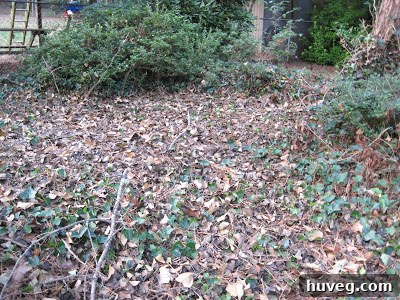
The image above shows the undeniable evidence of our success – once vibrant green vines now brown and lifeless, a testament to our perseverance. The trees are finally visible, their true forms no longer obscured by the aggressive growth. This transformation not only enhances the aesthetic appeal of our backyard but also significantly contributes to the long-term health and vitality of our trees.
The Next Frontier: Tackling Ground Ivy
While the tree ivy has been defeated, the battle isn’t entirely over. I am pretty sure that the ivy covering the ground will be considerably harder to kill off. Ground ivy presents a different set of challenges; it has an extensive, shallow root system that allows it to spread rapidly and re-establish itself quickly. Its proximity to desirable plants also complicates herbicide application, as overspray can easily damage other vegetation. However, I may be underestimating my herbicidal talents and the cumulative effect of our previous successes.
Our strategy for ground ivy will likely involve a combination of approaches: repeated spot treatments with specialized herbicides, manual removal where feasible, and potentially smothering large patches with landscaping fabric or heavy mulch. This phase will undoubtedly require patience and persistence, but we are now armed with the knowledge and confidence from our tree ivy victory. When most people yearn for lush greenery in their gardens, here I am hoping to see more of my plants turn brown! It’s an ironic sentiment for a gardener, but a necessary one in the fight against invasive species. As always, I’ll be sure to share the carnage and our continued progress with you as we tackle this next challenge!
Maintaining an Ivy-Free Landscape and Preventing Recurrence
Achieving an ivy-free landscape is a significant accomplishment, but maintaining it requires ongoing vigilance. Once the existing ivy is removed, taking proactive steps can prevent its recurrence and promote a healthier environment for your desired plants and trees:
- Regular Monitoring: Periodically inspect your trees and garden beds for any new ivy shoots. Catching them early makes removal much easier.
- Establish a “No-Ivy Zone”: Create a clear buffer around trees and structures. Mulching around tree bases can help suppress new ivy growth and make maintenance simpler.
- Consider Native Alternatives: Replace invasive ivy with native groundcovers or climbing plants that support local ecosystems and are less aggressive.
- Proper Pruning: Keep your trees healthy and strong. A healthy tree is more resistant to stress and less likely to be overwhelmed by invasive species.
- Educate Yourself and Neighbors: Share your knowledge and success stories. Collective effort in a neighborhood can make a significant difference in controlling invasive plants.
The journey to an ivy-free backyard is often long and challenging, but the rewards are immeasurable. A healthy landscape free from invasive species not only looks better but also supports local wildlife, improves air quality, and contributes to the overall well-being of your outdoor space.
We hope our experience provides valuable insights and encouragement for anyone battling stubborn ivy. Remember, persistence, a strategic approach, and a little help from nature can lead to a triumphant outcome. Don’t give up on reclaiming your garden; the satisfaction of victory is truly worth the effort!