Architectural Introspection

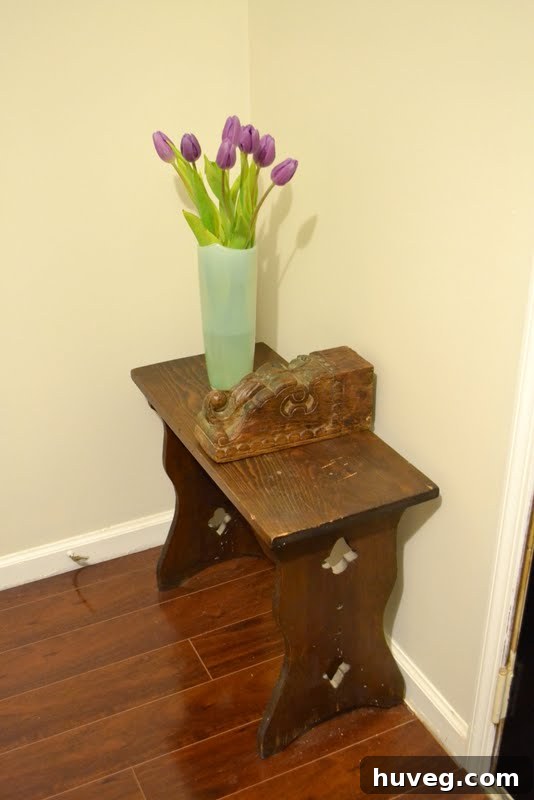
When the opportunity arose to acquire this exquisite corbel a few weeks ago, my mind immediately began to conjure up various possibilities for its new home. My initial thought, inspired by the creative solutions of fellow home decor enthusiasts, was to transform it into a unique, wall-mounted nightstand for the guest bedroom. I had seen captivating examples of this trend, showcased beautifully by bloggers here and here, and the idea of infusing a touch of rustic charm into a typically overlooked space seemed utterly delightful. The guest room, after all, often presents a blank canvas for experimentation, a place where practicality can sometimes gracefully intertwine with unexpected design choices.
The vision was clear: a sturdy, elegant corbel, perhaps painted or left in its natural distressed state, affixed securely to the wall beside the bed, offering a compact yet stylish surface for a book, a small lamp, or a glass of water. It promised to be an ingenious space-saving solution, particularly for a smaller guest room where traditional nightstands might feel too bulky. More than just a functional piece, it would serve as an artistic statement, an unexpected element that added character and a sense of history to the room. The architectural detail of the corbel itself, with its intricate carvings and robust form, held the promise of elevating the entire aesthetic of the space, turning a simple bedside area into a focal point of curated design.
However, as time passed and the corbel sat, patiently awaiting its destiny, a new perspective began to emerge. I found myself increasingly drawn to its inherent beauty and quirky individuality, pondering whether tucking such a unique piece away in a guest bedroom—a room that has, admittedly, seen little overnight company since I moved in—would truly do it justice. The truth is, decorating the guest bedroom hasn’t been my top priority; other rooms, like the one boasting a fully functional toilet, have understandably taken precedence. This gradual realization sparked a change of heart, a growing conviction that this little decorative treasure deserved a more prominent stage, a place where its charm could be admired by all who enter my home.
My gaze, then, shifted towards the entryway. This often-underestimated space serves as the first impression of a home, a transitional zone that welcomes guests and bids farewell to residents. It’s a place that, while practical, also holds immense potential for personality and style. The idea of featuring the corbel here began to solidify, transforming from a fleeting thought into a compelling design concept. To test this new vision, I propped the corbel up against the wall in the entryway, taking a step back to assess its impact. The immediate visual feedback was overwhelmingly positive; it exuded a captivating presence, instantly adding a layer of architectural interest and vintage appeal. It’s a testament to how the right piece, strategically placed, can redefine an entire area.
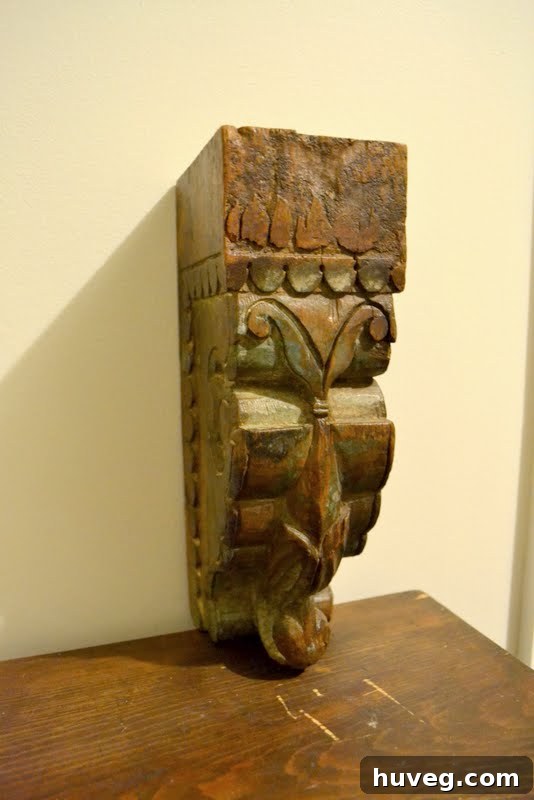
Yes, this is undeniably where it belongs. The entryway offers the perfect canvas for this statement piece. Of course, its final placement will be significantly higher on the wall, roughly at waist level, allowing the flat surface on top to serve a practical purpose – an ideal spot to “dump” keys, mail, or a small bag upon entering the house. This dual functionality, combining aesthetic appeal with everyday utility, is a hallmark of truly thoughtful interior design. It transforms a purely decorative item into an integral part of the home’s daily rhythm, a seamless blend of form and function that enhances both the visual appeal and the lived experience of the space.
The journey from contemplating its purpose to envisioning its ideal location has been an insightful one, highlighting the often-iterative and deeply personal nature of home decorating. Now that its place is determined, the next delightful challenge awaits: deciding what precisely to adorn its top with. This is where the true “playing stage” begins, a creative phase where various elements can be tested and rearranged until the perfect vignette is achieved. Perhaps a small, delicate vase with a fresh bloom, a carefully selected antique trinket, or a framed miniature artwork that complements the corbel’s vintage charm. Each addition will contribute to the evolving narrative of the entryway, layering textures, colors, and personal touches to create a truly inviting and unique welcome.
Decorating a home is rarely an instantaneous process; rather, it’s a slow, deliberate evolution. Pieces are acquired, ideas are formed, abandoned, and reformed, and through this patient progression, a home truly begins to reflect the personality and lifestyle of its inhabitants. Things will take their time to come together, allowing each element to find its rightful place and purpose. The beauty of this approach lies in the outcome: spaces that are deeply personalized and genuinely unique, brimming with character and stories. It’s an antidote to generic, mass-produced interiors, celebrating individuality and the joy of creating something truly one-of-a-kind. Of course, there’s always the slight risk that it might end up looking like a “hot mess,” but for many, a curated mess is simply another form of personalized artistry, reflecting an eclectic taste and a refusal to conform to rigid design rules.
Corbels, originally structural elements designed to support weight or provide decorative projection, have found a new life in modern interiors as versatile accent pieces. Their rich history and architectural detail make them incredibly appealing for adding character, whether used as standalone decor, bookends, shelf supports, or, as in this case, a unique wall-mounted surface. Incorporating salvaged or antique corbels brings a sense of history and gravitas to a space, acting as conversation starters and imparting an immediate sense of warmth and authenticity. They offer a tangible connection to the past, infusing contemporary homes with a timeless elegance that can be hard to achieve with new items alone. This blend of old and new creates a dynamic tension that is highly sought after in sophisticated interior design.
Embracing unique architectural salvage like this corbel is a fantastic way to infuse your home with distinctive style and a narrative that goes beyond typical retail offerings. It encourages a more sustainable approach to decorating, giving new life to forgotten pieces and reducing waste. Furthermore, it allows for a high degree of personalization, moving away from cookie-cutter designs towards spaces that truly feel like a reflection of your individual taste and journey. The hunt for such items can be an adventure in itself, leading to antique shops, flea markets, and architectural salvage yards where hidden gems await discovery. Each find comes with its own story, which then becomes part of your home’s evolving tale.
Thinking beyond the corbel, the entryway itself is a critical area for setting the tone of your home. It’s an opportunity to make a lasting impression, to hint at the style and atmosphere that lies within. Consider what other elements could complement your corbel and enhance the overall functionality and aesthetic appeal of your entryway. A strategically placed mirror can not only make the space feel larger and brighter but also offers a last-minute check before heading out. A small console table or a floating shelf can provide additional surface area, while a stylish coat rack or hooks can offer practical storage for outerwear. Incorporating greenery, such as a potted plant or a small vase of flowers, can bring life and freshness into the space, creating an inviting and serene ambiance. The careful layering of these elements, from lighting to textiles, can transform a mundane过渡区 into a vibrant, welcoming gateway to your home.
Ultimately, the beauty of home decorating lies in the freedom to experiment, to make small tweaks and grand statements alike, and to continuously evolve your living spaces. It’s about creating an environment that not only looks appealing but also functions beautifully and brings joy. Don’t be afraid to try new arrangements, move pieces from one room to another, or even completely rethink an initial design idea. Some of the most beloved and successful design choices come from unexpected moments of inspiration and a willingness to deviate from the original plan. It’s this organic process that leads to truly lived-in, loved, and authentic homes. Have you recently embarked on any small tweaks or significant transformations around your house? Or perhaps, like me, you’ve acquired a fascinating piece and found yourself delightfully pondering its perfect placement, allowing its unique character to guide your design choices?