Violet to Golden

The Unforeseen Revival: Our Mums’ Miraculous Comeback and Color Transformation
Gardening is a journey often fraught with trials, errors, and the occasional heartening triumph. There’s a unique satisfaction that comes from nurturing life, watching it grow, and sometimes, witnessing it defy all expectations. This past season, our garden presented us with one such delightful surprise that underscored the incredible resilience of nature, and indeed, the unexpected joys that can sprout from even the most uncertain beginnings.
We’re thrilled to share that the vibrant chrysanthemums, or ‘mums’ as they are affectionately known, which we carefully planted last fall, have proven to be far more robust than we could have ever imagined. Against all odds, they’ve not only survived the harsh winter but have also re-emerged with a spectacular, unanticipated transformation. This tale of botanical tenacity began with a seemingly minor mishap and blossomed into a truly remarkable display, teaching us yet again that sometimes, the most beautiful outcomes are entirely unplanned.
A Massive Bush and an Accidental Pruning
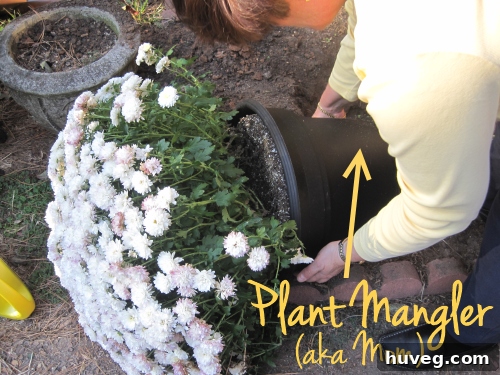
Do you recall that magnificent, sprawling flowering bush we introduced to our front garden last autumn? It was a particularly impressive specimen, bursting with what we believed to be purplish-white blooms – a true showstopper meant to usher in the cooler months with a flourish of color. The planting itself was an event, made all the more memorable by my mother’s enthusiastic, if a bit unconventional, approach to plant care.
In her eagerness to help settle the plant into its new home, a significant portion of its delicate flowers, perhaps a quarter of its total bloom, met an untimely end, torn off during the process. While my initial reaction might have been a pang of dismay at the sight of the detached petals, I quickly rationalized it. After all, dealing with such a large and densely flowered plant can be tricky, and perhaps her spontaneous, if accidental, “pruning” was better than anything I would have managed myself. Sometimes, nature has a way of turning perceived setbacks into unexpected advantages, and this incident, it turned out, was no exception.
The Hopeful Experiment: A Glimmer of Life
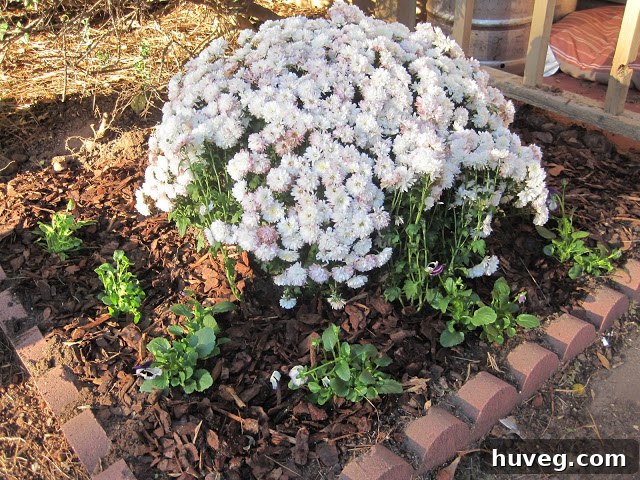
The torn stems, casualties of the planting frenzy, lay scattered. But as any seasoned gardener knows, hope springs eternal, even from the smallest fragment of a plant. Instead of discarding them, an idea sparked. What if we treated these detached sections as cuttings? With nothing to lose and everything to gain, we decided to embark on a small, hopeful experiment. We gathered the fallen stems, each carrying a whisper of life, and carefully stuck them into the soft, wet, and nutrient-rich soil directly adjacent to the main plant.
Our rationale was simple: provide them with the best possible conditions – consistent moisture and ample fertilization – and perhaps, just perhaps, they would root and regenerate. The chill of autumn was already in the air, signaling the approaching dormancy of winter. We knew it was a long shot, a testament to optimistic gardening more than a scientifically backed propagation method for torn stems. But we held onto the faint possibility that when summer’s warmth eventually returned, these seemingly lifeless fragments might surprise us with a resurgence of green, a symbol of perseverance against the odds. It was an act of faith in nature’s incredible capacity for renewal, a quiet prayer whispered to the soil.
The Unexpected Revelation: From Purplish-White to Dazzling Yellow
The long wait through the dormant winter months gave way to the gentle unfurling of spring, and as the days grew longer and warmer, our hopeful experiment began to yield astonishing results. Tiny green shoots, once barely perceptible, started to emerge from the ground where we had planted the torn mum stems. The initial excitement of seeing life return to these forgotten fragments was immense, a silent cheer for nature’s resilience.
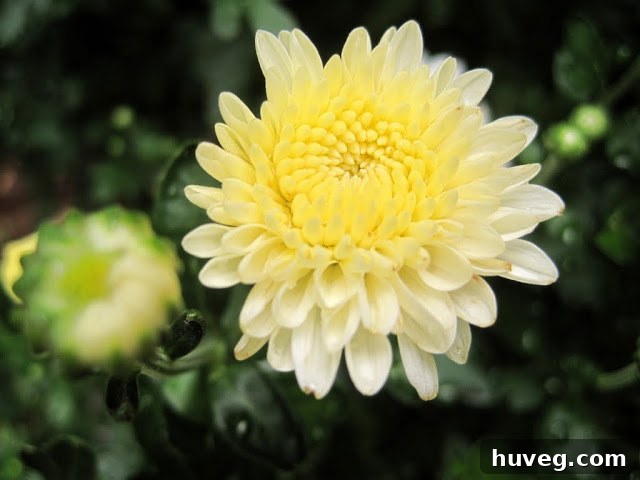
But the true marvel was yet to unfold. As these new plants grew, developing strong stems and lush foliage, we eagerly anticipated the return of their original purplish-white blooms. Imagine our utter surprise and delight when, instead of the expected hue, the first buds began to unfurl in a vibrant, sun-kissed yellow! It was an unexpected twist, a delightful departure from our autumn memory. The ones in the picture above, showing the full stems on the left and right, were indeed the very pieces we had salvaged. They didn’t just come back to life; they reinvented themselves, gifting our garden a splash of radiant gold.
Unraveling the Mystery: Why Do Mums Change Color?
The transformation from purplish-white to yellow was truly captivating and naturally led us to wonder about the science behind such a shift. While it might not be as dramatic as “finding five dollars,” this botanical mystery offers a fascinating glimpse into the intricacies of plant biology and environmental factors. Several elements can influence chrysanthemum bloom color, making this an interesting subject for any gardening enthusiast.
One common reason for color variation in flowers is the influence of soil pH. While more commonly associated with hydrangeas, changes in soil acidity or alkalinity can sometimes affect the expression of pigments in certain plants, subtly altering their hue. However, a more likely explanation for such a distinct change in mums often lies in genetics or plant stress. It’s possible that the original ‘purplish-white’ mum was a hybrid, and the cutting, under stress, reverted to a more dominant genetic trait, or perhaps the rootstock it was grafted onto previously exhibited yellow flowers, and the propagated section took on those characteristics.
Environmental factors like light intensity and nutrient availability can also play a role, albeit usually in subtle ways. For instance, plants under different light conditions might produce varying amounts of pigments. Specific nutrients present in the soil, especially those influencing pigment synthesis, could theoretically contribute to a change. However, for such a stark shift as purple to yellow, the most probable explanations lean towards the specific genetic makeup of the plant and how different parts of a hybrid might express themselves when propagated, especially from unrooted cuttings planted directly into the ground. It served as a wonderful reminder that even when we think we know a plant, nature always has a few surprises up its sleeve.
The Enduring Charm of Chrysanthemums and Essential Care Tips
This delightful incident not only brought unexpected beauty to our garden but also reinforced our appreciation for chrysanthemums as a whole. Mums are celebrated for their diverse forms and colors, making them a staple in fall gardens worldwide. Their ability to produce a profusion of blooms late in the season provides much-needed cheer as other flowers begin to fade. Understanding how to care for them properly ensures their longevity and vibrant displays.
For successful mum cultivation, consider these practical tips. Mums thrive in full sun, requiring at least six hours of direct sunlight daily to produce abundant flowers. Well-draining soil is crucial, as they dislike soggy roots. When planting, incorporate compost or organic matter to enrich the soil and improve drainage. Consistent watering, especially during dry spells, is important, but avoid overwatering. Fertilize mums every few weeks during their active growing season until buds begin to show. Pinching back the growth tips in spring and early summer encourages bushier plants and more blooms; stop pinching by mid-July to allow buds to form.
Overwintering mums, particularly in colder climates, requires a bit of preparation. After the first hard frost, cut back the stems to about 4-6 inches from the ground. Apply a thick layer of mulch (straw, leaves, or wood chips) over the plant’s crown to insulate the roots. This protective layer helps the plant survive the freezing temperatures and emerge vigorously in spring, much like our unexpectedly hardy specimens did. For propagating, softwood cuttings taken in late spring or early summer, rooted in a sterile medium with rooting hormone, offer a more controlled and successful method than simply sticking torn stems in the ground, though our accidental success proves nature can sometimes bend the rules!
A Continuous Journey of Discovery
Our mums’ miraculous revival and stunning color change serve as a beautiful metaphor for life’s unexpected turns and the enduring rewards of patience and observation. Gardening is, after all, a continuous journey of learning, where every season brings new lessons and unforeseen delights. The initial disappointment of a “mangled” plant quickly transformed into the joy of discovery, reminding us that even perceived mistakes can lead to the most captivating outcomes.
This experience truly highlights the incredible resilience of plants and the surprising ways they adapt and thrive. It’s a testament to the magic that unfolds in our own backyards, often quietly, sometimes dramatically, always offering a sense of wonder. So, as we continue to admire our vibrant yellow mums, we carry with us the joyful anticipation of what other botanical surprises the garden might reveal. Happy Monday, and may your own gardening endeavors be filled with unexpected beauty!

Enjoyed this garden tale and looking for more inspiration? Please subscribe to our newsletter to get the latest updates, gardening tips, and stories delivered directly to your inbox for free!