The Renovation Rhythm

Remember that feeling of seeing a once-neglected space finally bloom into something beautiful? A few weeks ago, my front garden was a picture of sadness, its droopy demeanor a stark contrast to the vibrant vision I held for it. Every homeowner dreams of a welcoming exterior, a space that reflects care and attention, and mine was certainly due for a transformation. This journey, however, is rarely a straight line; it’s more like what I affectionately call “The DIYer Shuffle” – two steps forward, one step back, but always moving toward progress.
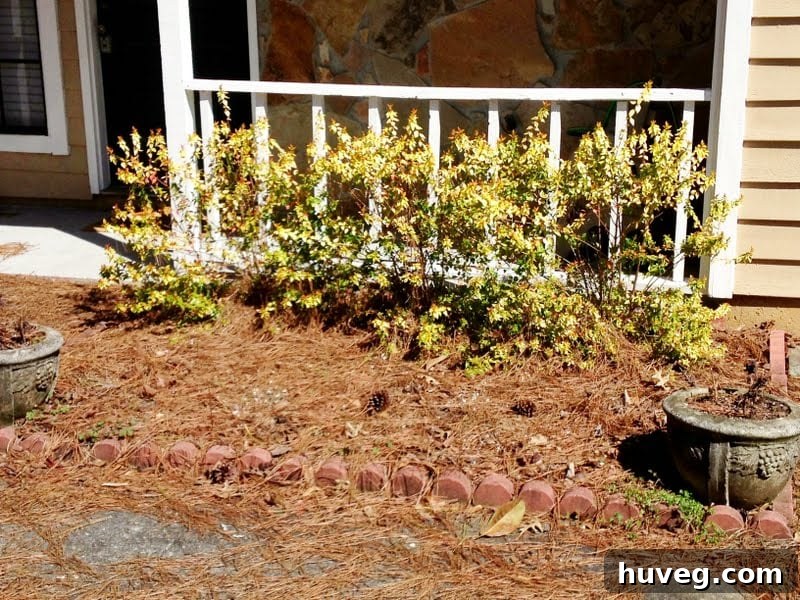
Revitalizing the Front Garden: From Droopy to Delightful
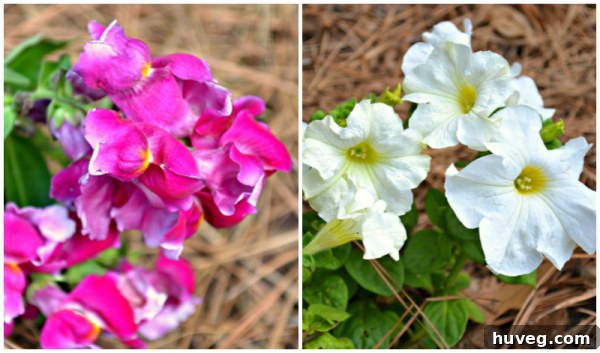
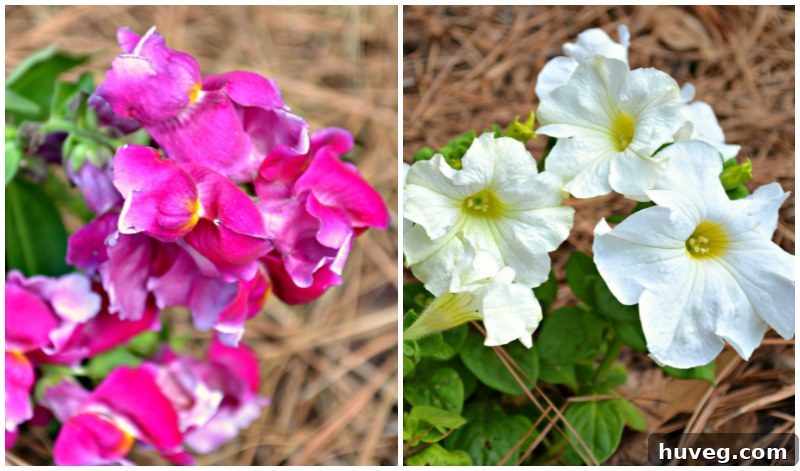
The initial state of the garden was undeniably a challenge. Overgrown, sparse in places, and lacking definition, it cried out for attention. My first major push involved some dedicated night gardening sessions. Why night gardening? Sometimes it’s the only time available after a long day, offering a cooler, quieter environment to tackle those outdoor tasks. I spent evenings planting new life, carefully weeding out stubborn intruders, and preparing the beds for their new inhabitants. My plant of choice for a burst of color and vertical interest was the snapdragon, known for its charming, vibrant blooms and ability to re-flower with a little deadheading.
I’ve been eagerly waiting for these snapdragons to deadhead and burst into full bloom again, ready to share a triumphant display. They’re certainly taking their sweet time, teasing me with a ton of buds, but most haven’t quite unfurled their petals yet. Thankfully, Mother Nature has been kind, gracing us with a perfect blend of sunny and rainy days, keeping these green friends happy and hydrated while I juggle other projects. And speaking of ongoing battles, that relentless grass just won’t quit – it seems like it’s already time to fire up the mower again! Maintaining a pristine lawn is a continuous endeavor, but it’s crucial for anchoring the overall aesthetic of the front yard.
Strategic Landscaping Upgrades: Mulch, Shrubs, and Cohesion
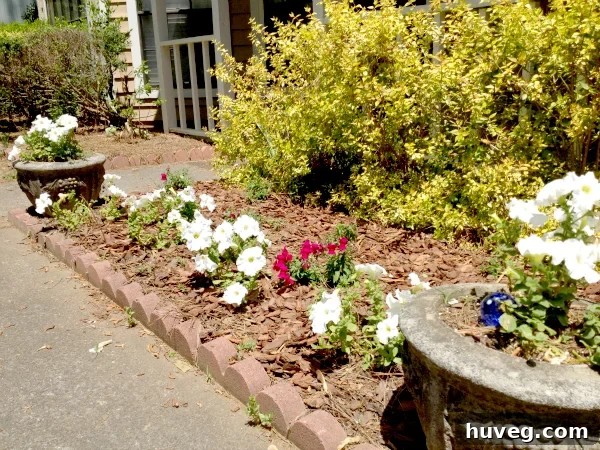
Instead of holding out for every last bloom to open, I wanted to share the tangible progress that’s already made a significant difference. One of the most impactful changes was trimming down the overgrown back shrubs. This not only improved their health and shape but also opened up the space, allowing more light to reach the plants below and giving the garden a much cleaner, more intentional look. Simultaneously, the tired pine straw that once covered the beds has been replaced by a fresh layer of mulch. This simple swap has had a dramatic effect.
Mulch isn’t just about aesthetics; it’s a landscaping powerhouse. It helps suppress weeds, retain soil moisture, regulate soil temperature, and slowly decomposes to enrich the soil. The rich, dark color of the new mulch immediately brought a sense of order and sophistication to the front area, making it look far more like a thoughtfully designed landscape. This choice also beautifully ties into the color palette of the flowers I recently planted around the mailbox, creating a cohesive and inviting visual flow throughout the property. (And no, the house doesn’t actually lean like that; I’m pretty sure that’s either my iPhone’s unfortunate wide-angle effect or simply the bad photography skills of yours truly!). These small but significant upgrades contribute immensely to the overall curb appeal, transforming the initial impression of the home.
Conquering Exterior Challenges: The Case of the Invasive Tree
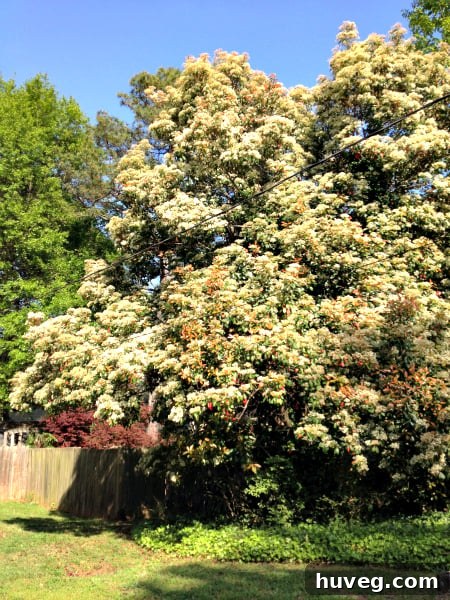
The quest for a perfect exterior extends beyond just the immediate garden beds. Sometimes, the challenges come from unexpected places, or rather, from a neighbor’s yard. This coming weekend, my dear old Dad is making a special trip, armed with a pole saw and chainsaw, to help me tackle a few more items on my exterior birthday wishlist. One of the most pressing issues involves an unsightly and frankly, quite invasive, situation: the limbs from my neighbor’s awful, stinky tree that relentlessly hang into my yard. If you want the full, unfiltered rant about this deceptively pretty but utterly disgusting thing, you can click here.
This particular tree, while aesthetically pleasing to some, emits a truly foul odor for a significant part of the year, making it less than ideal as a property line companion. Beyond the smell, the encroaching branches pose a nuisance, dropping debris, blocking sunlight, and generally disrupting the peace of my own outdoor space. Proper tree maintenance, especially along property lines, is crucial for maintaining good neighborly relations and ensuring both safety and property value. With Dad’s expertise and heavy-duty tools, we’ll be able to safely and effectively trim back these invasive limbs, reclaiming my yard and removing a persistent source of irritation. It’s another crucial step in refining the home’s exterior and ensuring it’s a place of enjoyment, not frustration.
The Unavoidable DIYer Shuffle: Battling Spring Pests
As anyone who’s embarked on a home improvement journey knows, things rarely go according to a perfectly planned script. You take two steps forward, feel a surge of accomplishment, and then, inevitably, you hit a snag – that’s “The DIYer Shuffle” in full effect. Spring’s arrival, while bringing the warmth needed for exterior improvements and a boost to curb appeal, also heralds the beginning of a new battle: outdoor pests. Just a few days ago, I stumbled upon a tell-tale sign of trouble right on my front porch.
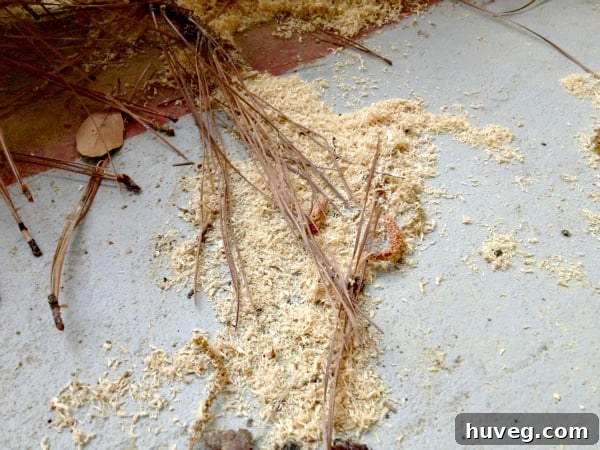
That fine, powdery residue wasn’t just sawdust, though wood dust is a common sight around DIY projects. This was frass, the distinctive waste product of carpenter bees. These industrious, yet destructive, insects were stealthily making their way into the wooden 2x4s of my front porch railing. Carpenter bees, often mistaken for bumblebees due to their similar size and appearance, are distinguishable by their shiny, hairless abdomens. They don’t eat wood; instead, the females bore perfectly round holes into untreated, softwoods like pine, cedar, and redwood to create nests for their offspring. This tunneling can compromise the structural integrity of wooden structures over time.
I searched diligently for the source of the infestation, scrutinizing every inch of the affected area, but couldn’t spot a visible hole. It was only by running my car keys along the underside of the railing that I felt it – a perfectly round, quarter-inch opening. Bingo! That was the entry point. Identifying the problem is the first crucial step in any pest control strategy. For carpenter bees, early detection is key to preventing extensive damage. Various DIY solutions exist, from applying boric acid dust into the holes to using carpenter bee traps. Thanks to my trusty friends at DAP, I’m currently waiting for a specialized wood filler product to arrive in the mail. Once it’s here, the eviction notice for these unwelcome tenants will be swiftly served! After treatment, it’s vital to plug the holes with wood putty or caulk and then paint or seal the wood to deter future infestations. Prevention is always better than cure, so regularly inspecting and maintaining exposed wooden structures is a must for any homeowner.
Embracing the DIY Journey: The Shuffle Continues
So there you have it: the ongoing reality of home improvement, a continuous cycle of two steps forward and one step back. The DIYer Shuffle is an intrinsic part of owning a home, a dance between progress and unexpected challenges. Each small victory, whether it’s a blooming garden or a pest problem resolved, contributes to the larger goal of creating a beautiful and well-maintained living space. It’s a journey of learning, adapting, and celebrating every improvement, no matter how minor.
Are you experiencing your own version of the DIYer Shuffle? Perhaps you’ve dealt with pesky carpenter bees or have ingenious tips for managing other garden invaders? Share your experiences and wisdom! Your insights could be incredibly helpful to fellow DIY enthusiasts navigating their own home improvement adventures.