Grow More Hydrangeas: 3 Simple Propagation Methods

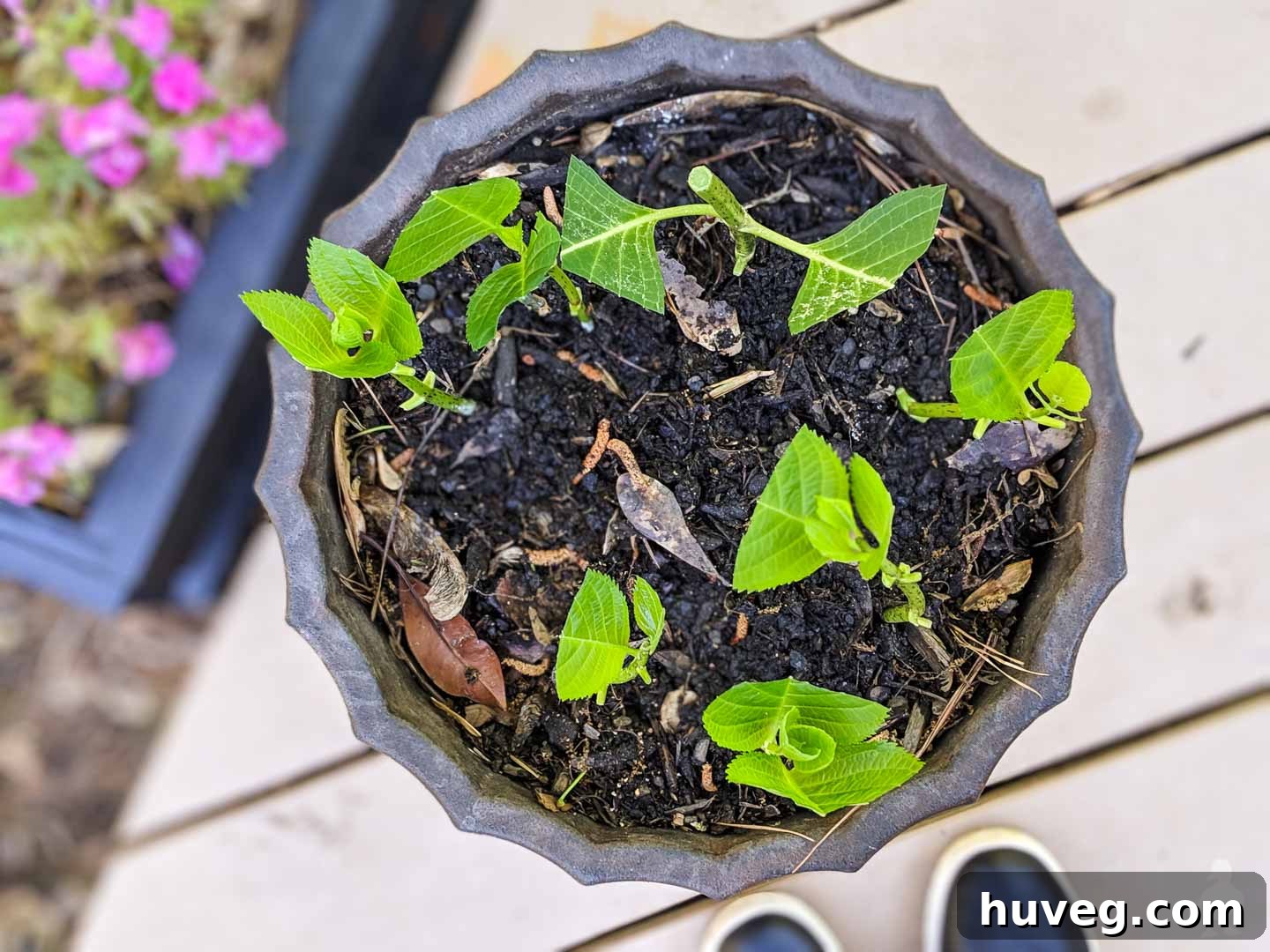
Transforming a single beautiful hydrangea bush into several thriving plants for your garden might sound like a magic trick, but it’s an incredibly straightforward and rewarding process! If you’ve ever dreamt of expanding your hydrangea collection without breaking the bank, you’re in the right place. This comprehensive guide will walk you through three distinct methods for propagating hydrangeas, complete with detailed steps and practical tips. We’ll cover everything from taking cuttings to ground layering and even touch upon water propagation, helping you achieve a lush, vibrant landscape.

My journey into the world of plant propagation began quite serendipitously this year, alongside my partner, Kyle. It all started with a simple accident – while painting our master bedroom, I clumsily snapped a branch off my beloved ZZ plant. Instead of discarding it, I impulsively stuck it into a small glass of water, half-hoping, half-doubting, that it might take root as I’d seen on social media. To my absolute delight, after a few weeks of consistent water changes, tiny roots began to emerge!

That initial success sparked a propagation frenzy in our home. Kyle, now utterly captivated by the magic of rooting new life, began collecting every stray branch, leaf, and stem he could find, transforming our windowsills into a delightful, albeit slightly chaotic, nursery. Our collection includes everything from magnolias and maples to various mystery greens, all nestled in an array of repurposed wine glasses. While it means a temporary shortage of glassware, the joy of nurturing new plants from existing ones, especially without the cost of buying new specimens, is a truly wonderful experience. We’re even considering a DIY test tube propagation planter, inspired by this fantastic project from Vintage Revivals.

This newfound enthusiasm for growing new plants directly inspired my decision to delve into hydrangea propagation this year. With my hydrangeas currently blooming profusely and requiring their regular pruning, I found myself with an abundance of fresh growth perfect for experimentation. Instead of the water-based method I used for the ZZ plant, I opted for a more traditional approach: potting mix combined with rooting hormone. The results were incredibly satisfying – successful new growth, transforming discarded cuttings into potential new shrubs!

How to Propagate Hydrangeas from Softwood Cuttings
Propagating hydrangeas from softwood cuttings is one of the most popular and effective methods, yielding numerous new plants with minimal effort. This technique involves taking cuttings from the tender, new growth of the current season. It’s an excellent way to multiply your favorite hydrangea varieties and share them with friends and family.
Essential Items You’ll Need
- Sharp, Sterile Pruning Shears or Knife: Clean cuts minimize damage and disease.
- Rooting Hormone (Powder, Gel, or Liquid): Essential for stimulating root development.
- Small Planters or Seed Trays: With drainage holes.
- High-Quality Potting Soil or Seed Starting Mix: A well-draining, sterile medium is crucial.
- Optional: Plastic Dome or Clear Plastic Bags: To create a humid environment.
- Optional: Small stick or pencil: To create holes in the soil without rubbing off rooting hormone.
1. When is the Best Time to Take Hydrangea Cuttings?
Timing is a key factor for successful hydrangea propagation. Many experts suggest early spring, just as hydrangeas begin to leaf out and exhibit vigorous new growth. This period provides softwood cuttings that are tender yet robust enough to root. Other experienced gardeners advocate for rooting in winter, believing that the resulting roots are more resilient, or even late summer after the first flush of blooms. My personal approach, however, leans towards convenience and opportunity: I simply use the fresh, green stems that result from my routine spring and late summer pruning. This method, being completely free and low-pressure, has a high reward-to-effort ratio. There’s no harm in trying, and every successful rooting is a bonus! Perhaps my hydrangeas sense my laid-back “root or don’t root, I’ll just keep trying” attitude and are motivated by it.

It’s also highly recommended to take cuttings during cooler parts of the day, such as early morning or late evening, to minimize stress on the plant. Potting them as quickly as possible after cutting is crucial. As you might recall from my guide on growing hydrangeas, cut stems tend to form a waxy plug quickly, which can hinder water uptake. Working swiftly helps ensure the cutting remains viable and receptive to rooting hormone and moisture.
2. Selecting and Making Your Cuttings
The success of your propagation often starts with selecting the right stem. Look for healthy, non-flowering stems with several leaf nodes – these are the small bumps where leaves branch off the main stem. These nodes are vital because they contain the cells that will develop into roots. Aim for cuttings that are typically 4 to 6 inches long.

While some experts insist on precise cuts, I’ve found that making cuts both above and below a leaf node, or even dividing a longer stem into two, works well, provided enough of the stem is planted deeply in the soil. The key is to ensure each cutting has at least 2-3 nodes that will be submerged in the potting mix. I primarily focus on using green, softwood cuttings – those that are pliable and have grown in the current season, rather than older, woody stems that have gone through a full growth cycle. Softwood cuttings generally root more readily and quickly than hardwood cuttings, which tend to be more challenging.

3. Prepare Your Cuttings: Trim Down the Leaves
Once you have your stems, the next step is to prepare them by reducing their leaf surface. Carefully nip off most of the lower leaves, starting from the bottom of the stem and working your way up. You want to remove any leaves that would be submerged in the soil, as these can rot and introduce disease. Leave only one or two sets of leaves at the very top of the cutting.

Why is this crucial? Each set of leaves acts as a mini water pump, transpiring moisture into the air. A hydrangea stem that hasn’t developed roots yet has no efficient system to draw water from the soil to replenish these leaves. By reducing the number and size of leaves (you can even cut large leaves in half horizontally), you significantly reduce the overall burden on the cutting, allowing it to conserve energy and focus on developing new roots. This critical step prevents wilting and enhances the chances of successful rooting.

4. Apply Rooting Hormone
Rooting hormone is a powerful tool for accelerating root development and increasing propagation success rates. It contains auxins, plant hormones that stimulate root growth. While I often take a direct approach by dipping the cutting straight into the hormone container, it’s generally recommended to pour a small amount of powder or liquid into a separate, disposable dish. This prevents contamination of the main supply, which can introduce bacteria or fungi. Gently dip the cut end of the stem into the rooting hormone, ensuring it’s evenly coated. Tap off any excess hormone before planting.

5. Plant the Stem Cuttings in Soil
For planting, select a well-draining, sterile potting mix. A good quality seed-starting mix or a blend of peat moss and perlite works wonders, as it retains moisture without becoming waterlogged, which is vital for preventing rot. My existing container gardening mix worked surprisingly well, but ensuring the medium is suitable is key. Use a pencil or a small stick to create a narrow hole in the soil for each cutting. This prevents the rooting hormone from being rubbed off as you insert the stem. Carefully place each powdered stem into a hole, burying at least one or two nodes beneath the soil surface. Gently compact the soil around each cutting to provide support and ensure good contact between the stem and the soil.

6. Consistent Watering and Ideal Placement
After planting, thoroughly water the cuttings. The goal is to keep the soil consistently moist but never soggy. Overwatering can lead to rot, while allowing the soil to dry out will quickly kill the fragile cuttings. To maintain high humidity, which is critical for rooting, you can cover the pot with a clear plastic dome or a plastic bag, propped up to avoid touching the leaves. Place your potted cuttings in a location that receives bright, indirect light. Avoid direct, scorching sunlight, which can stress the tender cuttings. My patio, with its balanced shade and light, has proven ideal. This summer’s unusually wet weather has been a boon, minimizing the need for constant vigilance with watering. The self-draining planter I chose also helps maintain optimal moisture levels without becoming waterlogged.
7. Patience and Vigilance: The Waiting Game
This final step is often the most challenging, as it requires patience. Rooting can take anywhere from 4 to 8 weeks, depending on the variety of hydrangea, environmental conditions, and the health of your cuttings. During this period, check your cuttings regularly. Look for signs of new leaf growth, which often indicates root development. After a couple of weeks, you can gently tug on a cutting; if you feel resistance, it means roots have formed and are holding onto the soil. I was thrilled to see at least two of my initial cuttings take root, and even the one I initially doubted is now sprouting new leaves. Soon, these young plants will be ready for fresh pots and new homes with delighted family members! Each successful propagation saves me approximately $15 per plant, making this a truly rewarding endeavor.

It’s a fantastic feeling to grow your own plants, and the cost savings are a wonderful bonus!
Propagating Hydrangeas with Ground Layering (Bent-Over Branch Method)
Ground layering, also known as simple layering, is another highly effective and incredibly reliable method for propagating hydrangeas. This technique allows a new plant to root while still attached to the “mother” plant, benefiting from its continuous supply of water and nutrients, which significantly increases the success rate. My dad swears by this method, and it’s perfect for filling in sparse areas in your garden or creating new plants directly where you want them to grow. I’m currently using this to bridge a small gap between two of my largest hydrangeas, though it can be done with any flexible branch.

1. Select and Bend a Branch to Touch the Soil
Begin by choosing a healthy, flexible, and relatively low-growing branch from your hydrangea. The ideal branch should be long enough to bend down and touch the soil without snapping, while still having some upright growth at its tip. Gently bend the chosen branch until a section of it makes firm contact with the ground. If the branch is resistant, try to select one that is younger and more pliable.

2. Prepare the Branch and Soil
Where the branch touches the soil, gently remove any leaves that would be buried. Next, make a small wound on the underside of the branch in the section that will be buried. This can be done by lightly scraping away a small strip of bark (about 1 inch long) or making a small, upward slit. This wound encourages root formation. You can also apply rooting hormone to this wounded area to further enhance success. Loosen the soil at the contact point and perhaps mix in a bit of compost to create a nutrient-rich and well-draining bed for the new roots.

3. Secure the Branch to the Ground
Firmly press the wounded section of the branch into the prepared soil. To keep it in place, weigh it down with something heavy like a brick, a rock, or even U-shaped garden pins. Ensure the branch remains in constant contact with the soil. The tip of the branch should be gently curved upwards, leaving the top portion exposed to light.

4. Maintain Consistent Moisture and Check for Roots
Continue to water the area around the layered branch as you would your other hydrangeas, ensuring the soil remains consistently moist. It’s crucial not to let the buried section dry out. Periodically, lift the weight and gently check for root development. A slight tug will reveal resistance if roots have started to form. This process typically takes several weeks to a few months, often a full growing season, for substantial roots to establish. Patience is key with this method.
5. Sever the New Plant and Transplant (Optional)
Once the layered branch has developed a robust root system (usually indicated by strong resistance when gently tugged, or even visible roots if you carefully excavate), it’s time to sever it from the mother plant. Use sharp, clean pruning shears to cut the connecting stem close to the mother plant. It’s advisable to wait a couple more weeks after severing before transplanting the new plant to its permanent location. This allows the newly independent plant to acclimate and rely entirely on its own root system for sustenance, reducing the risk of transplant shock. If you attempt to sever and transplant simultaneously, the new roots might not be strong enough to support the plant, leading to failure. My plan is to keep this new plant in its current spot to fill the gap, but if both branches root, I’ll happily transfer one to the front yard island area with other shrubs or gift it!
Hydrangea Water Propagation: A Word of Caution
Water propagation has gained immense popularity online, particularly for house plants, and I too have been experimenting with it for various species in our home. However, when it comes to hydrangeas specifically, water propagation is generally not recommended by most horticultural experts. The primary concern is that roots developed in water tend to be weaker and different in structure compared to those formed in soil. These water-grown roots are typically fine and fragile, adapted to a purely aquatic environment. When such a plant is transplanted into soil, it often experiences severe transplant shock and frequently fails because its root system struggles to adapt to the drier, denser medium. It’s a fundamental shift in environment that many hydrangea cuttings cannot overcome.
That being said, I have received feedback from a reader who reported successful hydrangea water propagation, so individual experiences can vary. If you are inclined to experiment with a soil-less method for your hydrangeas, please share your results! For those interested in trying water propagation for other plants, or perhaps a cautious attempt with hydrangeas, here are the general steps:
- Take a Small Stem Cutting: Similar to soil cuttings, select a healthy, non-flowering stem with a few leaf nodes. Remove all lower leaves that would be submerged in water.
- Arrange in a Clear Glass Container: Place the cutting in a clear glass or jar, ensuring only the stem (and ideally at least one node) is submerged in the water, while all leaves remain above the waterline. Leaves in water will rot and contaminate the water, hindering root development.
- Monitor Root Progress: Using a clear container allows you to easily observe root formation, providing visual encouragement!
- Change Water Regularly: Replace the water every few days to keep it fresh and oxygenated, preventing bacterial growth and stagnation.
- Provide Adequate Light: Position the container in a spot that receives bright, indirect sunlight. Our bedroom windowsills, thanks to frosted window film, offer lovely filtered light that’s perfect for this.
- Optional Rooting Hormone: You can add a liquid or gel rooting hormone to the water to encourage faster and stronger root development.
- Be Patient: Rooting in water can take several weeks.

If you choose to water propagate hydrangeas and succeed, remember the critical step of acclimating the roots to soil. This often involves a gradual transition, perhaps by mixing some potting soil into the water over time, or transplanting into a very moist soil mix and maintaining high humidity initially. This helps the water roots adapt to a soil environment.
There you have it: three methods to multiply your beloved hydrangeas. While some methods are more reliable than others, the underlying truth is that hydrangeas are remarkably resilient and relatively easy to grow and propagate. Experimentation is part of the gardening joy, so don’t be afraid to try what feels right for you and your plants!
Have you tried any of these propagation methods? Share your experiences in the comments below! For even more invaluable information and expert tips on hydrangea care, from pruning and overwintering to encouraging vibrant blooms, explore our related guides:
More Hydrangea Guides
SEE ALL
From helping them grow to changing color to making beautiful bouquets, we’ve got you covered in all things hydrangeas!
-
3 Easy Ways to Propagate Hydrangeas
-
FAQs About Hydrangeas: Everything I Know About How to Grow Beautiful Hydrangeas
-
When & How to Prune Hydrangeas (Fall & Winter Care)