A New Vision for Our Landscape

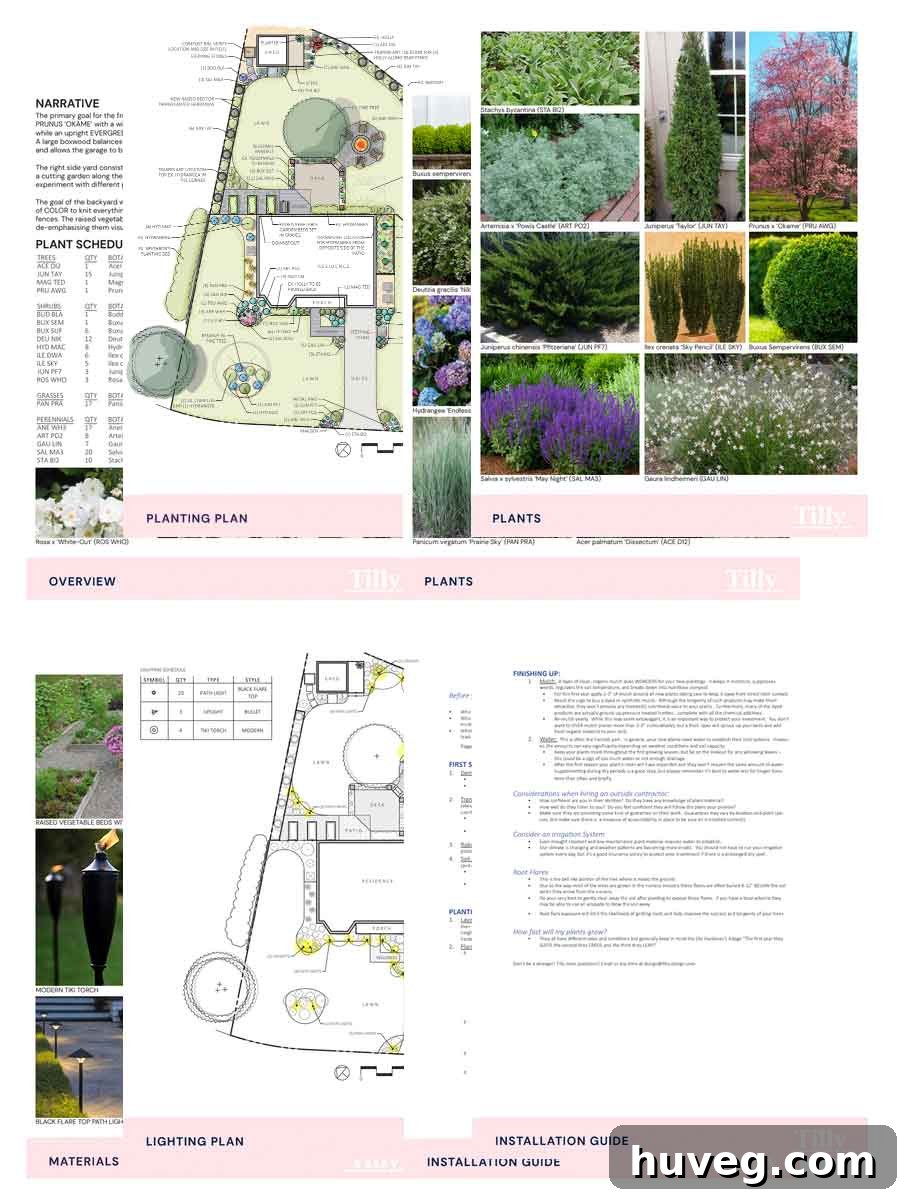
Welcome to an exciting reveal! I’m thrilled to finally share the comprehensive landscaping designs for our front, back, and side yards, along with a thoughtfully crafted outdoor lighting plan. For years, I’ve dabbled with various garden projects, often driven by impulse or a sudden burst of inspiration. While these endeavors brought their own charm, they sometimes lacked a cohesive vision, resulting in a somewhat fragmented look across our outdoor spaces. This year, however, marks a significant turning point, as we’ve invested in a professional landscaping plan that promises to transform our property into a harmonious and intentional haven.
As I’ve hinted in previous posts, delving into landscape design presents a unique set of challenges compared to interior decorating. My creative process for outdoor areas often feels less intuitive, leading to more second-guessing and a slower decision-making pace. When I pause to reflect on why this might be, several factors come to mind:
- The Dynamic Nature of Growth: Unlike a fixed piece of furniture, everything outdoors is alive and constantly evolving. Plants grow, expand, and sometimes even die, making true space planning an intricate dance with nature. I’ve often found that plant labels provide optimistic estimates – some species grow slower or wider than expected, while others explode in size, demanding more space than initially allocated. My living room couch, on the other hand, remains steadfastly the same size and exactly where I placed it!
- The Inherent Risks of Living Elements: Investing time, effort, and money into living things carries an undeniable risk. Plants require specific care, the right light conditions, suitable soil, and resilience against unpredictable weather. My gardening thumb isn’t always the greenest, a fact I’m eternally grateful for K, whose natural knack for nurturing plants often compensates for my occasional shortcomings. The thought of a cherished plant succumbing to neglect or an unexpected frost can be daunting.
- Intensive Labor and Time Investment: Outdoor projects, in my experience, almost invariably demand more physical labor and a longer timeline than their indoor counterparts. Constructing a sturdy deck, for instance, involves significantly more effort and time than assembling a piece of indoor furniture. The scale of outdoor work means that any missteps or design flaws feel more impactful and costly to rectify, adding a layer of pressure to the planning stage.
- Delayed Gratification and Decision Fatigue: The true beauty and full effect of a landscape design often take years to materialize. This extended waiting period can lead to frequent changes of mind and a reluctance to commit fully to a particular vision. Sometimes, the sheer volume of decisions required for a large-scale outdoor project can be overwhelming, leading to a mental burnout where I simply crave for someone else to take the reins.
Recognizing these challenges, I took the plunge last fall and decided to seek professional assistance. After comparing several companies, some of which I discovered through their inspiring work on Instagram, I ultimately chose to collaborate with Tilly, a fantastic new, women-owned design firm. I opted for their comprehensive package, which included designs for the front yard, back yard, side yards, and a detailed lighting plan. The entire process was conducted virtually, requiring me to provide detailed information via email. Tilly would handle the design, and we would take on the execution, a strategy that promised substantial savings on labor costs while alleviating much of the design decision-making burden from my shoulders.
The design process, I must admit, took a considerable amount of time – largely due to my own schedule! Last fall and winter, I was deeply immersed in creating a wealth of new holiday content for my blog, so the landscaping plan, while important, wasn’t always my top priority. My assigned designer, Zoe, was incredibly understanding and patient throughout. Gathering all the necessary information also contributed to the timeline: locating our land survey with precise yard dimensions, taking additional measurements for unclear details like the width of our front walkway and driveway, capturing extensive photos (I sent videos!), and clearly communicating what elements I wished to retain (shed, deck) versus those that could be relocated or redesigned (garden beds). We also had an invaluable consultation via Zoom or Skype, where I walked Zoe through every corner of our yard, highlighting problem areas, discussing my preferred plant types, expressing my general desire for low garden maintenance, specifying flower colors I liked, and even pointing out plants I disliked. Zoe also meticulously cataloged our existing plants, suggesting potential new locations for transplantation. This not only aligned with my desire to repurpose what we already had but also promised significant savings by reducing the need to purchase new plants unnecessarily. My primary hope was to be surprised by their vision, to discover creative solutions and plant choices I hadn’t even considered.
Unveiling the New Landscape Master Plan!
After several rounds of collaborative refinement, which involved tweaking elements we wanted to add and swapping out certain plants, Tilly delivered our finalized landscaping plan. The images you see accompanying this post represent a blend of the initial design concepts and the subsequent modifications we requested. Here’s a detailed breakdown of what we received:
- Comprehensive Design Plan PDF: This robust document includes a vibrant, colorized planting plan, inspiring reference images of various plants, suggestions for material usage (such as path lights, garden edging, uplights, and stepping stone designs), and an installation guide packed with general tips tailored for beginners undertaking DIY projects.
- Concise Lighting Plan One-Pager: A quick-reference sheet dedicated solely to the outdoor lighting scheme, detailing placement and types of fixtures.
- Streamlined Planting Plan One-Pager: A simplified, at-a-glance version of the planting plan, perfect for field use.
- Detailed “Plant Schedule” One-Pager: An essential list cataloging each recommended plant, its ideal purchase size, and the precise quantity needed for the design.
Practical Tip: The one-pager version of the planting plan has proven incredibly useful while working outdoors, particularly during the active transplanting phase. This spring, it’s been all too easy for printouts to get smeared with mud or misplaced amidst gardening tools. Having a simplified, non-colorized version for the field has saved us a lot of ink and frustration, preserving the pristine, colorized PDF for detailed planning indoors.
Our finished plan is truly a blueprint for transformation. It even incorporates a few additions that K and I have long yearned for but hadn’t extensively discussed publicly until now. You’ll notice various abbreviations for plant names and “T” marks indicating plants to be transplanted. I’ll delve into more specifics below and provide richer details as we begin to implement each phase of this exciting project!
The Front Yard Transformation
The overarching objective for our front yard design is to instill a profound sense of balance and curb appeal to the house’s exterior. Some of Zoe’s suggestions, such as the unexpected but delightful idea of adding a small magnolia tree, were brilliant insights I genuinely would never have conceived on my own! My greatest excitement, however, lies in the extension of several existing garden beds. We’ll be introducing graceful, sweeping curved shapes, moving away from the previously boxy and somewhat uninspired rectangular layouts that dominated the space.
The strategic outdoor lighting plan is set to add an undeniable “oomph” to the facade, highlighting architectural features and pathways. We will finally remove the mature tree that uncomfortably leans towards the house, replacing it with a stunning, smaller ornamental tree that promises a burst of colorful blossoms each spring, positioned artfully directly in front of our main windows. The central garden bed in the front yard will be revitalized and filled with an abundance of flowering shrubs, carefully chosen to complement and echo plant selections in other areas of the yard, thus strengthening the overall cohesion. A personal touch will come from my growing proficiency in propagating hydrangeas, a skill that will contribute significantly to filling these new beds economically and sustainably.
Thoughtful Side Garden Solutions
The area immediately adjacent to our air conditioning unit has historically been an afterthought, despite my previous attempts to spruce it up. I typically overlook this space, so I’m particularly pleased that the new plan extends this bed slightly, incorporating plant selections that are specifically chosen not to shed debris into the A/C unit. This is a crucial design consideration, as falling leaves and twigs can impede airflow and negatively impact efficiency, as detailed in this informative post.
On the opposite side of the house, an area that basks in abundant sunlight, Zoe presented an idea I immediately fell in love with: a dedicated cutting garden! This exciting new feature will involve carefully transplanting some of our existing roses and enriching the entire space with a vibrant array of colorful blooms. Imagine the joy of regularly harvesting fresh flowers to create beautiful bouquets for our home! Furthermore, this side garden plan will strategically address the long-standing issue of partially obscuring our neighbor’s fence and implementing new edging to create a more defined and effective barrier against the invasive ivy from their property – a resolution I’ve eagerly awaited.
Envisioning the Backyard Master Plan
While the backyard might not be undergoing the most dramatic structural overhaul, its existing complexity and multiple functions warrant a more detailed discussion of the proposed changes.
The Greenhouse Enigma
The concept of adding a greenhouse is a special consideration for K. He has passionately expressed his desire for one for quite some time, so I inquired with Zoe about the feasibility of integrating it into our backyard, especially given the existing shed. I was keen to avoid a cluttered or cramped feel. She cleverly positioned it where our temporary stack of slabbed magnolia wood currently resides – a perfect, impermanent spot. So, yes, it could work! I’m still pondering the final decision, but K’s sheer enthusiasm for the idea is infectious. His borderline obsession with seedlings and cultivating plants makes me lean heavily towards making his greenhouse dream a reality.
An Inviting Outdoor Dining Nook
Another exciting new addition to the plan is a dedicated outdoor dining area. I’ve long envisioned having a distinct space for al fresco meals. Our deck is primarily designed for comfortable lounging (the chairs for which are almost complete, with a new video and plans coming soon!), but this smaller dining nook would be perfectly complemented by a charming pergola, a practical gravel base underfoot, and a handcrafted outdoor table. This specific spot next to the house has always been incredibly challenging for growing grass, often appearing perpetually sloppy. It inadvertently became a convenient dumping ground for items, preventing them from ruining the more pristine grassy areas. Replacing the difficult-to-maintain grass with gravel, essentially extending the existing edging around our fire pit (the size of which we might also slightly narrow), seems like an ideal and aesthetically pleasing solution. While it will require some leveling to reduce the existing slope, I believe it will look absolutely beautiful next to the deck. And, let’s be honest, any excuse for more enchanting twinkle lights, right?
A Fresh Start for the Vegetable Garden
The final significant change involves relocating our vegetable garden beds. Previously situated in the middle of the yard, this location often left the beds looking a bit scraggly and out of place. The new plan cleverly moves them to where our corner hydrangea garden once stood. For those unfamiliar, I built the original raised beds a couple of years ago using simple, inexpensive cedar fence pickets. These untreated beds were designed to last a few years (hopefully 4-5 in our humid climate) before needing maintenance or rebuilding. I had always considered the possibility of relocating them when that time came.
Thanks to this inspired new landscaping plan, we decided to seize the opportunity and move forward with the relocation! While the cedar beds were still in good enough condition for a few more seasons, I felt a slight pang of guilt discarding them earlier than anticipated. However, to effectively execute the rest of the ambitious landscaping plan, K and I agreed that the timing was perfect to build the new beds before spring planting, rather than deferring it until next year. I’ll be sharing a dedicated post soon, detailing the construction of these upgraded beds and our exciting new planting plans. But I can already tell you, I am absolutely LOVING this new spot! These new beds also boast several thoughtful upgrades based on lessons learned from the old ones, including a slightly taller profile, the addition of gravel pathways between them for better drainage and cleaner access, and a more comfortable design that makes maintenance less irritating.
It’s genuinely out of character for us to tackle a project of this magnitude with such swiftness. I’m still somewhat in awe of how quickly everything has transpired. But I suppose that’s one of the immense benefits of having a complete, well-defined plan ready for execution – it eliminates much of the hesitation and mental wrestling, empowering us to jump into projects headfirst. We were so motivated to get our seedlings in the ground and address some persistent drainage issues that we moved faster than expected. I’m also bracing myself for the inevitable snarky comments I’ll receive on YouTube when I share the new video. My previous cedar bed video attracted commenters predicting they wouldn’t last a single season, despite entering their third year of service. Building *new* beds will undoubtedly add fuel to that fire, regardless of what I explain! Oh, well. Expect to see that new video and blog post once I have the chance to properly stain them (I’ve ordered a stain safe for this application, but there are some shipping delays).
There you have it – our ambitious and exciting new landscaping plan! I feel immeasurably more prepared for the significant work ahead, and a tremendous weight has been lifted from my shoulders. There’s something incredibly liberating about simply saying, “Okay, this is the plan; no second-guessing allowed.” This clear roadmap has already provided an extra push, motivating us to dive into these upcoming projects sooner than we had initially planned. Who knows how much incredible change this year will bring to our outdoor living spaces? I absolutely cannot wait to find out!
Disclosure: Tilly graciously provided these comprehensive plans at no charge, with a request that I consider sharing their services on Instagram if I was pleased with their work. I made the independent decision to elaborate further on these plans here on the blog. My intention is to frequently reference this post, providing a convenient link back for future projects as we implement each stage of the design. Furthermore, after comparing Tilly’s pricing with several of their competitors, I found their services to be exceptionally reasonable. Therefore, if you are contemplating virtual landscaping design services, I wanted to ensure you were aware of this fantastic and budget-friendly option.